
Gold prices Dubai: short-term rebound and outlook
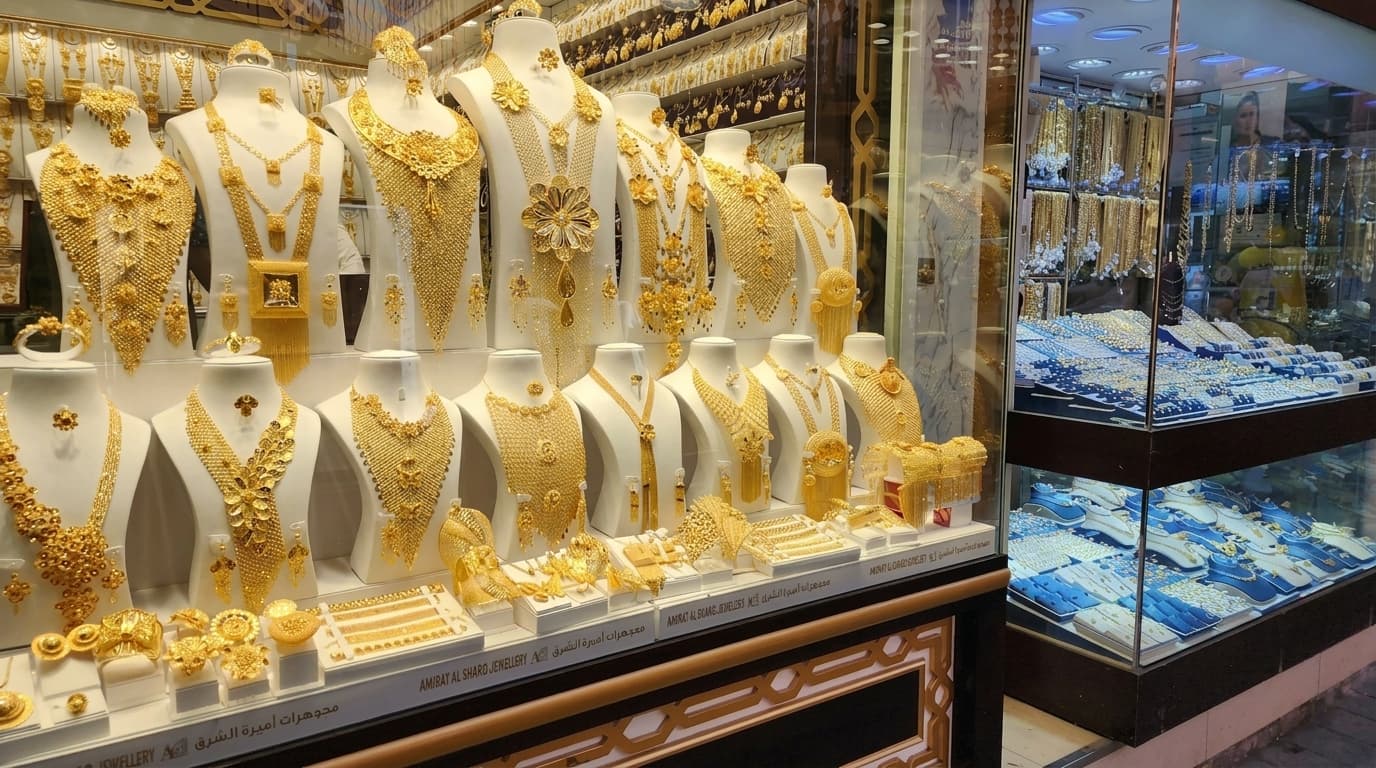
Gold prices Dubai rose modestly on Friday morning, signalling a short rebound after recent losses and renewed investor attention to inflation and Fed policy.
The rebound followed fresh data and commentary that kept US inflation and Federal Reserve rate expectations in the headlines. Julius Baer published a note saying there is limited short-term upside for gold because inflation-driven volatility could prompt further Fed tightening, which tends to cap gold rallies.
For Dubai buyers the immediate effect is tactical: the rebound creates opportunity for short-term traders but increases uncertainty for buyers who expect steady appreciation. This report explains what moved prices, why US inflation and Fed policy matter here, practical responses for small investors, and the near-term market outlook.
What happened: why did gold prices rebound?
What happened: why did gold prices rebound? Key Data
Event
Friday morning rebound
Analyst
Julius Baer
Driver
US inflation concerns
Outlook
limited short-term upside
Gold prices rebounded modestly on Friday morning as markets reacted to fresh US inflation signals and renewed speculation about Federal Reserve policy, creating a short bounce after recent losses.
Market commentators, including Julius Baer, flagged the rebound as shallow and tied to headline-driven flows rather than a broad shift in fundamentals. The bank noted limited short-term upside because persistent US inflation and the prospect of further Fed rate hikes keep the opportunity cost of holding non-yielding assets higher. The commentary did not publish AED prices or explicit percentage targets in the note, so the move appears sentiment-driven rather than a structural revaluation.
The risk is that this rebound may be temporary: if the Fed signals more hikes or if inflation data surprises to the upside, gold could reverse quickly. Dubai buyers should treat Friday’s bounce as a volatility event, not a confirmation of renewed long-term strength, and avoid buying purely on momentum in thin, headline-driven sessions.
Why do US inflation and Fed policy matter to Dubai buyers?
US inflation and Federal Reserve policy matter because they shape global interest rates and the US dollar, which in turn influence gold demand and pricing for Dubai buyers.
Higher US inflation can support gold as an inflation hedge, but stronger inflation often prompts the Fed to tighten policy and raise interest rates. Higher rates increase the opportunity cost of holding gold, weighing on prices. Julius Baer’s note specifically emphasised that inflation-driven rate risk reduces near-term upside for gold. For Dubai buyers this means global rate signals and dollar strength are the key variables to monitor, not just local demand from the jewellery market.
Practical consequence for Dubai investors is that gold’s short-term moves will likely mirror global macro surprises. If inflation data cools and the Fed pauses, gold may strengthen. If inflation accelerates and the Fed tightens, gold could fall. That dynamic makes tactical timing and risk control more important than a simple buy-and-hold approach for small investors.
| Factor | How it affects gold | What Dubai buyers should watch |
|---|---|---|
| US inflation | Can support gold as a hedge but may trigger Fed tightening | Core CPI prints and inflation surprises |
| Federal Reserve policy | Rate hikes raise opportunity cost of gold, capping rallies | Fed statements and policy path signals |
| Market sentiment | Headline-driven flows cause short rebounds or sell-offs | Risk-on/risk-off shifts after economic releases |
"Limited short-term upside amid US inflation-driven rate risk."
, Julius Baer
How should buyers and small investors respond to the rebound in gold?
Buyers and small investors should respond cautiously: view the rebound as a short-term volatility event, not a clear buying signal for long-term appreciation.
Tactically, limit position size and use risk controls such as staggered buying or limit orders to avoid buying at short-lived highs. Julius Baer’s view of limited short-term upside suggests avoiding large outright bets on further immediate gains. Instead, consider scaling into positions over several sessions if your thesis is medium-term inflation protection, and maintain cash or hedges to manage downside from potential Fed-driven sell-offs.
Smaller investors should also mind transaction costs and storage risks in Dubai’s physical gold market and treat derivatives or gold-backed instruments as alternatives if they prefer lower friction. The priority is preserving capital through volatility rather than chasing the recent bounce; disciplined sizing and clear exit rules reduce the chance of being caught on a sharp reversal.

Key Insight
Investor tip: avoid buying large physical positions after a headline-driven bounce. Scale in with limit orders, define stop-loss levels, and monitor US inflation prints and Fed commentary for triggers that could reverse the move.
- Scale purchases across sessions to avoid headline spikes
- Use limit orders and defined stop-losses to manage downside
- Monitor core US inflation and Fed statements closely
What is the market outlook for gold prices in the coming months?
What is the market outlook for gold prices in the coming months? Key Data
Analyst view
limited upside
Driver
US inflation
Risk
further Fed hikes
Timing
short-term volatility expected
The near-term outlook is cautious: limited upside is likely while US inflation and the Fed remain the dominant themes that could produce volatile swings in gold prices.
Julius Baer explicitly described the short-term upside as limited because inflation-driven uncertainty raises the prospect of further Fed tightening. That combination typically keeps gold rangebound rather than allowing sustained rallies. For Dubai buyers, expect intermittent rebounds tied to inflation surprises or risk-off episodes, but also quick reversals when central bank rhetoric hardens. No specific AED levels were provided in the commentary, so positioning should be guided by macro triggers rather than fixed price targets.
Over the medium term, gold’s performance will depend on whether inflation moderates and if the Fed signals a genuine pause. If inflation decelerates and rate expectations ease, gold could regain stronger support. Until then, traders and buyers should expect choppy markets and prepare for both short-lived rallies and rapid declines driven by macro news.

Friday’s modest rebound in gold prices reflected renewed focus on US inflation and Federal Reserve policy, but Julius Baer’s assessment of limited short-term upside keeps the near-term outlook cautious. For Dubai buyers the main takeaway is tactical: expect volatile, headline-driven moves and base positions on macro triggers and disciplined risk management rather than the recent bounce alone.
Binayah Editorial
Property Market Analyst
Our editorial team researches Dubai's real estate market, tracking DLD data, developer launches, and investment trends to keep buyers and investors informed.
Ready to Invest in Dubai?
Speak with our analysts about the best opportunities in today's market, free consultation.
Related Articles
 Market Report 7 min read
Oct 14, 2026
Dubai tech property market: impact on prices and investors
 Market Report 8 min read
Oct 13, 2026
World Green Building Week: Emirates Green Building Council (EGBC) BuildItReady
 Market Report 8 min read
Oct 13, 2026