Global dividends Q2 2024 reach record $757.8bn
Global dividends Q2 2024 topped $757.8 billion, setting a new record and signaling stronger cash returns for investors worldwide today.
The second-quarter totals $757.8bn in dividends and $572bn in share buybacks, with underlying dividend growth of 7.3% and buybacks up 26.8% show companies returning unusually large sums to shareholders. These are corporate cash flows, not property market transactions, but they change investor income, liquidity and the balance between buying shares and buying real assets.
For Dubai property investors, that matters because higher global cash returns can lift household and institutional liquidity, which in turn can raise demand for income-producing real estate or accelerate portfolio rebalancing. The data do not provide regional dividend splits, so apply these global signals cautiously when assessing local markets.
Did global payouts and share buybacks rise in Q2 2024?
Did global payouts and share buybacks rise in Q2 2024? Key Data
Global dividends
$757.8bn
Underlying growth
7.3%
Share buybacks
$572bn
Buyback increase
26.8%
Yes. Global dividends reached a record $757.8 billion in Q2 2024, up 7.3% on an underlying basis, while share buybacks climbed to $572 billion, rising 26.8%.
Those two headline numbers show both regular cash returns via dividends and discretionary capital returns via buybacks. The $757.8bn dividend total and 7.3% underlying increase reflect steady corporate profits being distributed rather than reinvested. Buybacks at $572bn and growth of 26.8% indicate companies used retained cash or capital to reduce outstanding shares, supporting earnings per share.
The immediate implication is more cash moving back to shareholders, which can boost investor income and portfolio cash levels. A risk is that buybacks can mask weaker organic investment inside companies; where cash is being returned rather than redeployed, long-term growth may be constrained even as short-term returns improve.
Why do higher dividends and buybacks matter for Dubai property investors?
Higher dividends and buybacks matter because they raise investor cash flow and portfolio liquidity, which can be redirected toward real estate purchases or mortgage paydowns. The Q2 headlines $757.8bn in dividends and $572bn in buybacks, with 7.3% and 26.8% growth respectively represent a significant reallocation of corporate cash to shareholders.
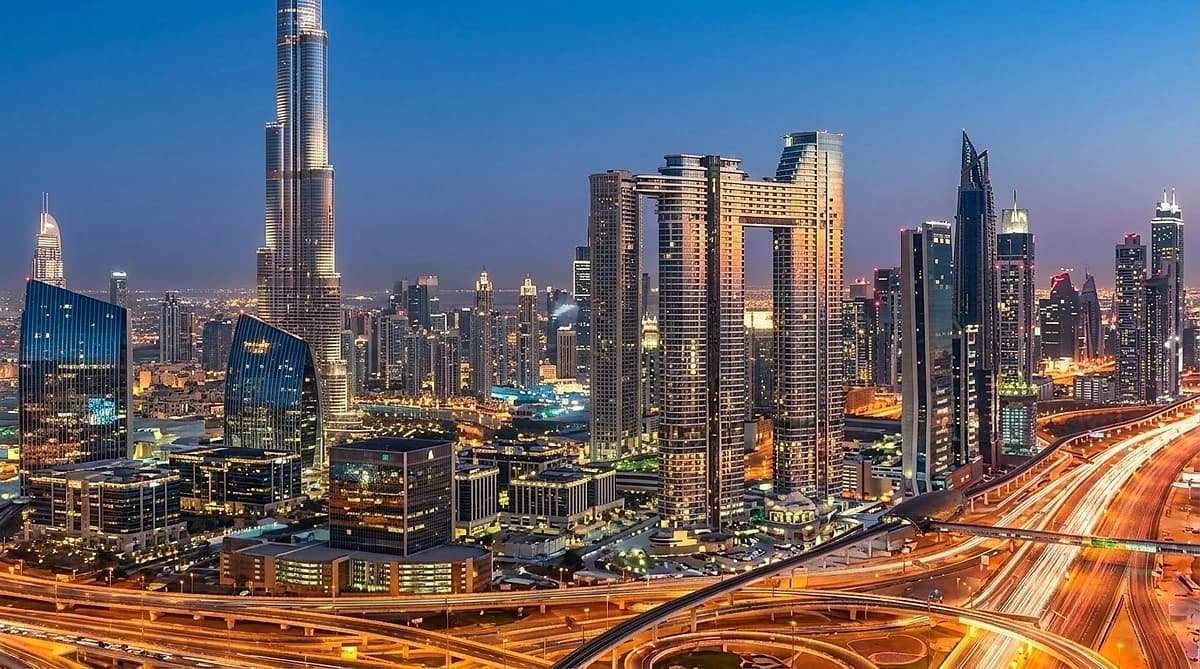
For Dubai property investors specifically, more global cash in shareholder hands can translate into increased demand for income-producing assets, like rental apartments and serviced residences. Investors receiving higher dividend income or proceeds from buybacks may accelerate purchases in prime neighbourhoods such as Downtown Dubai, Dubai Marina or Business Bay, or choose to increase allocations to bricks-and-mortar as a diversification from equities.
A cautionary nuance is that global totals do not equal regional flows; the data set does not provide a Middle East split. That means investors should treat global signals as directional rather than definitive for Dubai. Monitor local indicators such as transaction volumes, mortgage approvals and Dubai Land Department disclosures alongside global dividend trends.
| Channel | Why it matters | Practical example |
|---|---|---|
| Income | Dividends increase investor cash flow | Use dividend income for rental property down payments |
| Liquidity | Buybacks free up proceeds when investors sell shares | Reinvest sale proceeds into Dubai apartments or villas |
"Global corporate cash returns improve investor liquidity, which often leads to higher allocations to tangible assets in markets with stable legal frameworks."
, Binayah Research Team
How can investors use Q2 dividend trends in their investment strategy?
Investors can treat rising dividends and buybacks as a signal to reassess income and allocation strategies, while keeping risk controls in place. The Q2 figures $757.8bn in dividends (up 7.3%) and $572bn in buybacks (up 26.8%) suggest elevated cash flows for shareholders that can fund property purchases or increase liquidity buffers.
Practical steps include reviewing expected cash receipts from dividends, estimating how those receipts affect your down payment timelines, and comparing the after-tax income from dividends with expected rental yields in Dubai. While Q2 shows strong corporate distributions, investors should stress-test scenarios where buybacks reverse or dividend growth slows, because equity payouts can be volatile compared with long-term rental income.
Strategic allocation should remain diversified: use dividend proceeds to top up emergency reserves, reduce high-cost debt or selectively buy property in established communities with transparent rules, such as Jumeirah Village Circle or Dubai Silicon Oasis. Track both global payout trends and local market data to keep timing and price expectations realistic.
Key Insight
Use dividend proceeds to build liquidity, then deploy selectively. Before purchasing property with dividend income, set aside at least three to six months of expenses, account for transaction costs and service charges, and avoid using all proceeds on a single speculative purchase.
- Recalculate down-payment timing using expected dividend receipts
- Compare dividend after-tax yields with Dubai rental yields
- Prioritise debt reduction and emergency liquidity before property purchases
The key finding is that global corporate cash returns were exceptionally large in Q2 2024: $757.8bn in dividends (underlying growth 7.3%) and $572bn in buybacks (up 26.8%). These flows raise investor liquidity and income potential, which can influence allocations into real assets, but regional impacts for markets such as Dubai require separate, local data for confirmation.
Binayah Editorial
Property Market Analyst
Our editorial team researches Dubai's real estate market, tracking DLD data, developer launches, and investment trends to keep buyers and investors informed.
Ready to Invest in Dubai?
Speak with our analysts about the best opportunities in today's market, free consultation.