GCC renewable energy growth: solar up 88.1%
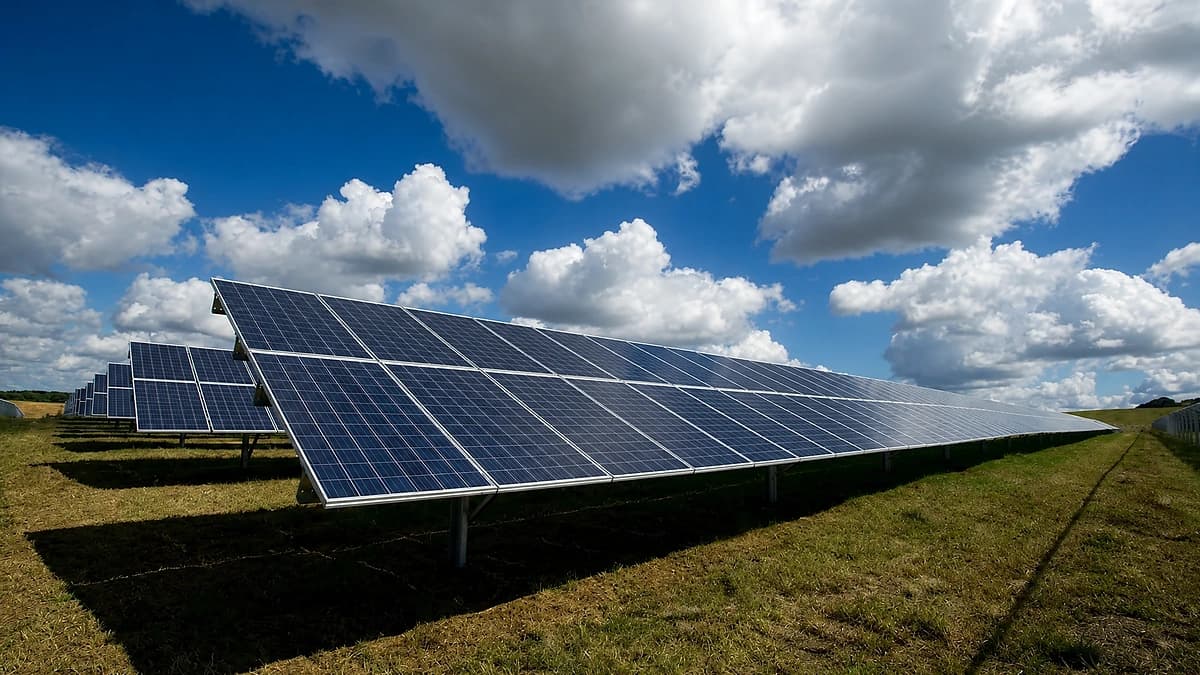
GCC renewable energy growth surged as solar capacity rose 88.1% annually across the region, driven by imports and changing climate patterns.
The Arabian Business report highlights three clear signals: large-scale solar expansion, a sharp rise in rainfall, and substantial equipment imports from China worth $2.4bn. Together these factors are shifting grid planning, construction priorities, and the balance of project risk for developers and investors in the Gulf.
For property markets the implications are practical and immediate. Higher rainfall can change flood design thresholds, faster solar deployment alters local energy economics, and $2.4bn of China imports points to cheaper panels and faster project delivery, which affects financing timetables and developer cashflow assumptions.
What the numbers say about the GCC energy shift
What the numbers say about the GCC energy shift Key Data
Solar growth
88.1%
Rainfall rise
49.4%
China imports
$2.4bn
Source
Arabian Business
The headline figures show a rapid structural shift: solar capacity grew 88.1% annually, rainfall rose 49.4%, and China exported $2.4bn of renewable equipment into the region. These three numbers together summarise the scale and direction of change across the Gulf.
The 88.1% solar growth figure signals a step change in generation capacity rather than a marginal increase. Rapid additions of utility-scale and commercial rooftop solar lower marginal electricity costs and compress project payback periods. At the same time a 49.4% rise in rainfall changes engineering assumptions for stormwater drainage and building envelopes. The $2.4bn of imports from China reported by Arabian Business points to external supply lines and competitive equipment pricing that accelerate project delivery timelines.
Taken together the metrics mean faster energy transition and altered construction risk profiles. For investors and developers, 88.1% growth implies quicker market saturation in certain segments, 49.4% higher rainfall increases capex for resilience measures, and $2.4bn of imported kit shortens procurement lead times while creating exposure to global supply chain volatility.
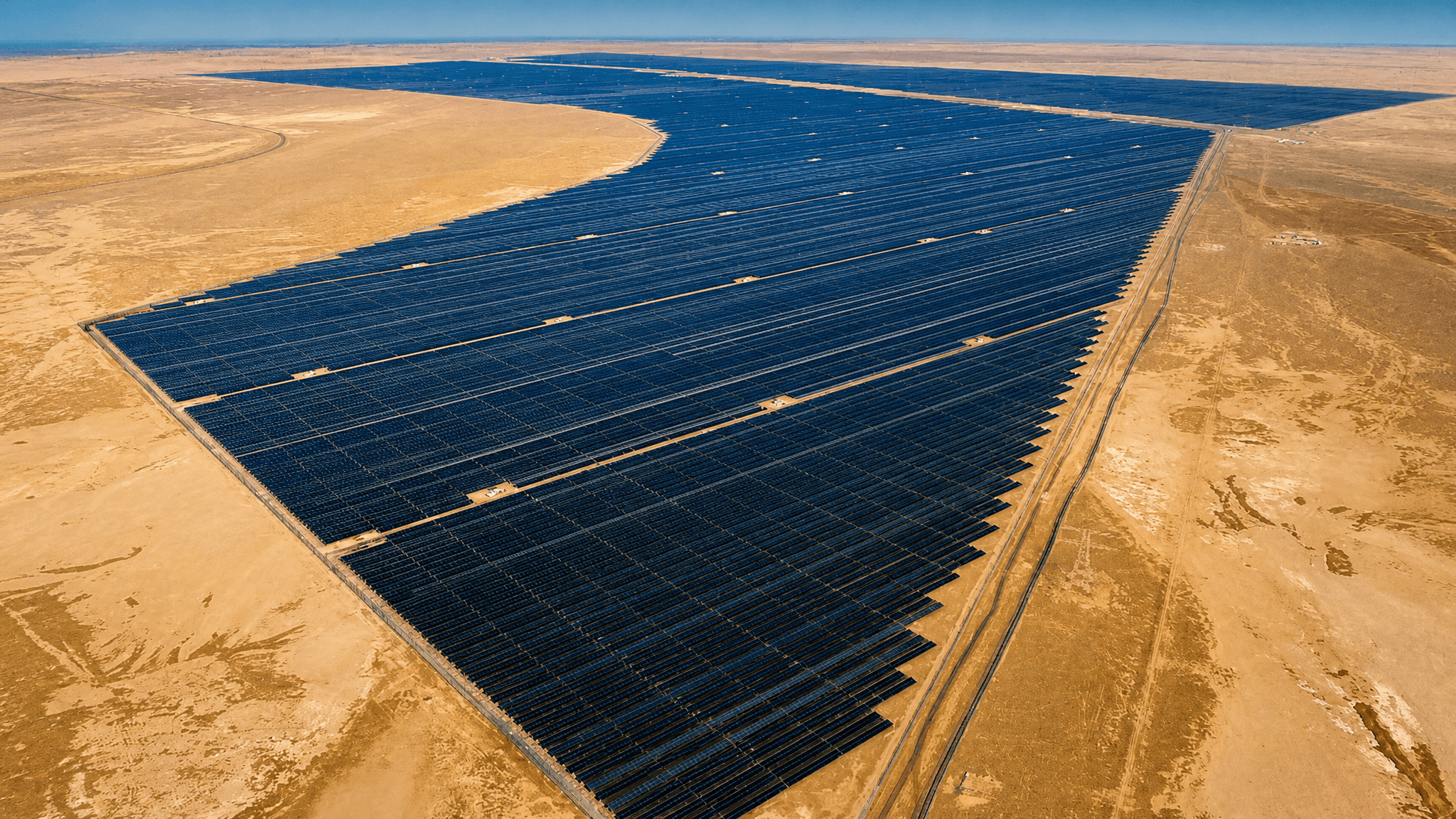
Three headline GCC indicators from the report
Solar growth, rainfall change and China imports as reported by Arabian Business.
How are imports and financing accelerating renewables in the GCC?
Imports and cheaper equipment are speeding deployment: $2.4bn of China-sourced renewable goods is lowering upfront costs and shortening procurement cycles for Gulf projects. That import flow is an accelerator for both utility and distributed solar builds.
Lower equipment cost and faster delivery improve project bankability because developers can demonstrate shorter construction schedules and improved project cashflows. The $2.4bn figure reported by Arabian Business is a proxy for scale: it suggests competitive pricing pressure that reduces capex per megawatt and supports quicker debt repayment. When financiers see compressed build and payback timelines, they are likelier to offer favourable lending terms. At the same time, heavy reliance on imports concentrates supply-chain risk and foreign-exchange exposure in project budgets.
The financing upside comes with conditional risk. Cheap imports can reduce headline capex but increase dependence on a narrow supplier set. Lenders and developers must therefore stress-test scenarios where import timing slips or trade frictions raise costs, even though today $2.4bn of imports is supporting a faster roll-out of renewables across the GCC.
| Metric | Value | Implication |
|---|---|---|
| Solar capacity growth | 88.1% | Faster commissioning, lower LCOE |
| Rainfall change | 49.4% | Higher resilience capex for buildings |
| China renewable imports | $2.4bn | Reduced capex, higher supply-chain concentration |
"Rapid equipment imports and falling hardware costs are shortening project timelines, but they require parallel attention to supply-chain resilience."
, Binayah Research Team
What does the renewable boom mean for property developers and investors?
The renewable surge changes project economics and planning assumptions for developers and investors, with solar growth of 88.1% altering energy cost forecasts and tenant expectations. Developers who ignore this shift risk mispricing operating expenses and underestimating resilience needs.
Faster deployment of solar lowers grid electricity prices at peak, which matters for large mixed-use developments and industrial zones. Developers should model scenarios where onsite or bilateral solar reduces common-area service charges and changes rent-versus-cost calculations. Investors must also consider that 88.1% annual growth in capacity can heighten competition for suitable rooftops and land, driving earlier investment in energy storage and grid interconnection studies. These shifts affect yield models and hold periods.
Operationally, incorporating renewables can improve asset appeal to ESG-focused tenants and lower operating costs, but it requires capex today and different maintenance profiles tomorrow. The investment choice is therefore a trade-off: pay more up front for solar-ready design, or risk retrofits later when 88.1% sector growth makes installations more common and potentially more expensive in constrained markets.
Key Insight
Investors should re-run yield models with reduced operating costs and a 10-15 year solar payback window where imports lower capex, and stress-test for import delays and increased rainfall.
- Lower electricity costs from solar shift operating expenses
- 88.1% growth increases competition for rooftop and land
- Developers face higher resilience capex due to rainfall
What operational and planning risks do renewables raise for real estate?
Renewable expansion introduces operational risks and planning trade-offs, including altered water management needs after rainfall rose 49.4% and supply-chain concentration from $2.4bn of imports. These factors change how projects are engineered and insured.
A 49.4% increase in rainfall requires developers and municipalities to revisit drainage standards, building envelope design, and construction sequencing. Flood mitigation and waterproofing add capital costs and may change timing for handovers. Meanwhile, reliance on $2.4bn in China imports means projects face single-source schedules and geopolitical risk. Delays in imported panels or inverters can stall commissioning and shift cashflow timing, which affects loan covenants and developer liquidity.
Planning teams should therefore integrate updated climate assumptions and diversified procurement strategies. Risk mitigation includes specifying local spare parts, contingency caps in budgets, and updated insurance terms that reflect both a 49.4% jump in rainfall exposure and the faster deployment of solar capacity at 88.1% annual growth.
- 49.4% rainfall increase raises drainage and waterproofing needs
- $2.4bn import reliance heightens supply-chain delay risk
- 88.1% solar growth accelerates commissioning and grid strain
The Arabian Business data highlights three linked shifts: solar capacity up 88.1%, rainfall rising 49.4%, and $2.4bn of China imports accelerating project delivery. Together these figures mean faster renewable deployment, altered engineering and insurance needs, and new procurement risks that developers, lenders and investors must quantify in project and portfolio planning.
Binayah Editorial
Property Market Analyst
Our editorial team researches Dubai's real estate market, tracking DLD data, developer launches, and investment trends to keep buyers and investors informed.
Ready to Invest in Dubai?
Speak with our analysts about the best opportunities in today's market, free consultation.