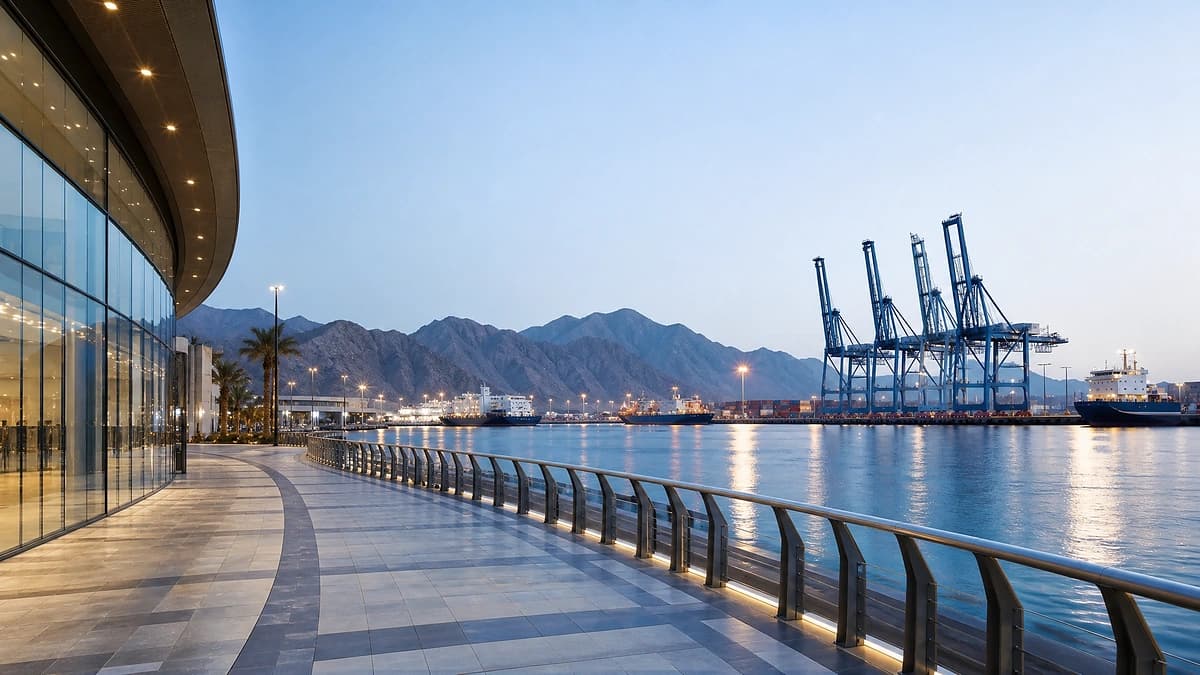
Fujairah Port inspection: Sheikh Mohamed bin Zayed reviews operations
Sheikh Mohamed bin Zayed led a Fujairah Port inspection with Sheikh Hamad to review port operations and continuity arrangements for operational efficiency.
The inspection at Fujairah Port reviewed core operational systems and contingency plans intended to keep the facility running without interruption. Officials focused on continuity arrangements and practical measures to reduce downtime at a key regional bunkering and transshipment hub. The source notes operational efficiency as the priority rather than new construction or investment announcements.
For market observers and investors, the Fujairah Port inspection matters because it signals priority on supply chain reliability and resilience. That emphasis supports steady trade flows and reduces sudden operational risk for companies that depend on Fujairah for bunkering, fuel storage, and transshipment services. The inspection also informs how nearby logistics real estate might be managed and planned going forward.
Why does the Fujairah Port inspection matter now?
Why does the Fujairah Port inspection matter now? — Key Data
Inspection leaders
Sheikh Mohamed bin Zayed; Sheikh Hamad
Focus
Port operations and continuity arrangements
Location
Fujairah Port
Outcome
Operational review completed
The Fujairah Port inspection matters now because Sheikh Mohamed bin Zayed and Sheikh Hamad reviewed critical port operations and continuity arrangements aimed at sustaining high operational efficiency. This on-site review underscores government attention to keeping Fujairah functioning reliably as a regional bunkering and transshipment hub.
Officials focused on operational continuity, contingency protocols and coordination between port operators and authorities to prevent service interruptions. The inspection evaluated procedures for maintaining vessel traffic, fuel handling and storage safeguards, and emergency response readiness. While the source did not announce new projects or financial measures, the emphasis on continuity arrangements is a practical signal that current operations and resilience are a national priority.
The risk nuance is that operational reviews do not automatically translate into immediate investment or property-price changes; they do, however, lower short-term operational risk for businesses using the port. Investors in logistics real estate should view the inspection as a stabilising signal that reduces operational downside, while also watching for any follow-up directives or budget allocations that may be published later.
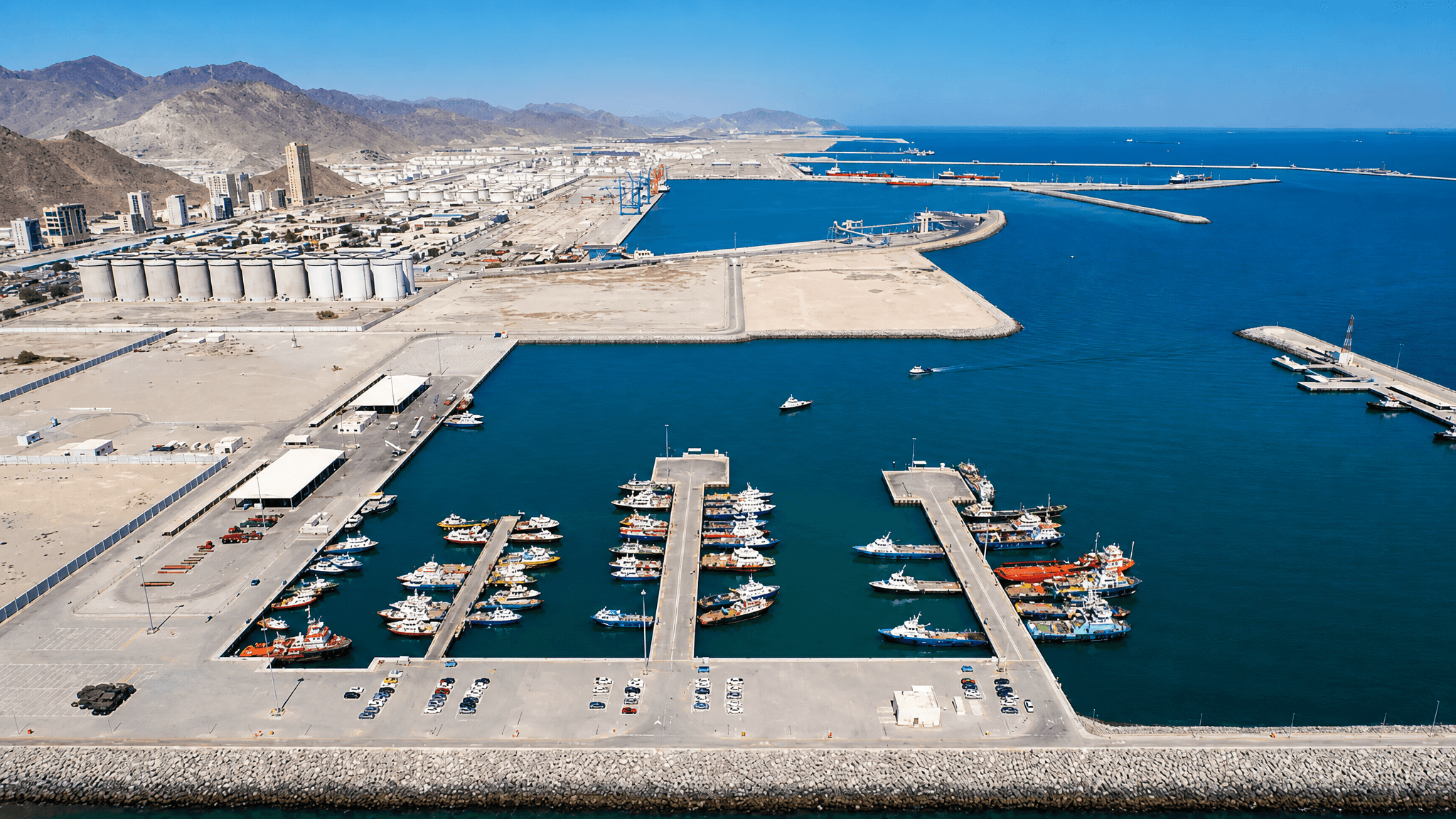
What immediate implications does the Fujairah Port inspection have for UAE logistics and trade?
The immediate implication is a reinforced operational focus: authorities reviewed continuity steps that keep cargo and bunkering services flowing without interruption. This inspection signals a readiness to apply protocols that reduce the risk of service disruption across regional supply chains.
By examining continuity arrangements, the leaders aimed to confirm that procedures are in place for vessel handling, fuel operations and rapid response to incidents. That review helps maintain confidence among shipping lines and traders that Fujairah remains a reliable transshipment and bunkering point. The source frames this visit as operational oversight rather than policy change, so short-term trade flows should see limited friction while authorities fine-tune protocols and coordination.
A practical risk remains: operational protocols must be tested under real pressure to prove their resilience. For logistics operators, the inspection is a positive signal, but continuity depends on consistent enforcement, training and investment in systems rather than on a single high-level visit.
| Impact area | Short-term effect | Responsible authority |
|---|---|---|
| Bunkering continuity | Reinforced operational protocols | Port authority and operators |
| Transshipment handling | Contingency plans reviewed | Customs and terminal operators |
"An on-site operational review preserves trade continuity and reassures regional partners that Fujairah remains operationally resilient."
, Binayah Research Team
What does the Fujairah Port inspection mean for property near logistics hubs?
The Fujairah Port inspection signals operational stability, which supports predictable demand for warehouse and logistics property near the port. Confirming continuity arrangements reduces short-term operational risk for tenants and firms that rely on proximate storage and distribution facilities.
For property owners and investors, an operationally secure port typically means steadier tenancy from logistics firms and service providers who value predictable access to bunkering and transshipment services. The inspection does not itself change zoning or land supply, but it can affect how operators plan space and contracts. Expect tenants to prioritise sites with proven access and contingency benefits rather than speculative locations without secure port links.
Risks include traffic, noise and heavy vehicle circulation when port activity is high; those factors can limit residential appeal but increase industrial land utility. Investors should weigh the benefit of lower operational disruption against logistics externalities and ensure leases and site design account for continuity needs.
Key Insight
Investors should treat the inspection as a stability signal rather than a price catalyst. Verify access agreements, resilience clauses in leases, and on-site contingency shelters for tenants. Prioritise assets with direct operational links to the port to capture durable logistics demand while managing traffic and environmental considerations.
What is the longer term outlook for UAE maritime infrastructure and investors?
The longer term outlook is focused on resilience and continuity rather than short-term expansion, according to the inspection emphasis by Sheikh Mohamed bin Zayed and accompanying officials. Sustained operational reliability supports investor confidence in maritime services, bunkering, and associated logistics facilities.
A steady focus on continuity arrangements can make UAE maritime infrastructure more attractive to long-horizon investors who value predictable service availability. For the port sector, resilience measures reduce systemic interruption risk for shipping and energy supply routes. While this inspection did not announce new capital projects, maintaining operational efficiency is a prerequisite for later investment in capacity or technology upgrades when budgets and strategies are set.
From an investor perspective, the principal takeaway is reduced operational uncertainty. That stability supports long-term leasing for logistics and maritime services, while investors should monitor follow-up policy statements or budget allocations that would convert operational reviews into funded upgrades.

- Continuity focus reduces operational downtime risk
- Stable port operations support logistics leasing demand
- No immediate capital announcements were made during the visit
- Investors should watch for follow-up policy or budget moves
The inspection by Sheikh Mohamed bin Zayed, accompanied by Sheikh Hamad, focused on port operations and continuity arrangements at Fujairah Port and emphasised operational efficiency as the immediate priority. The core finding for markets is stability: enhanced operational oversight reduces short-term disruption risk for logistics users and supports predictable demand for nearby industrial and logistics properties.
Binayah Editorial
Property Market Analyst
Our editorial team researches Dubai's real estate market, tracking DLD data, developer launches, and investment trends to keep buyers and investors informed.
Ready to Invest in Dubai?
Speak with our analysts about the best opportunities in today's market, free consultation.