flydubai move to Al Maktoum: Dubai real estate impact
flydubai move to Al Maktoum will start operations at the end of 2027, reshaping airport traffic flows and nearby property demand in Dubai.
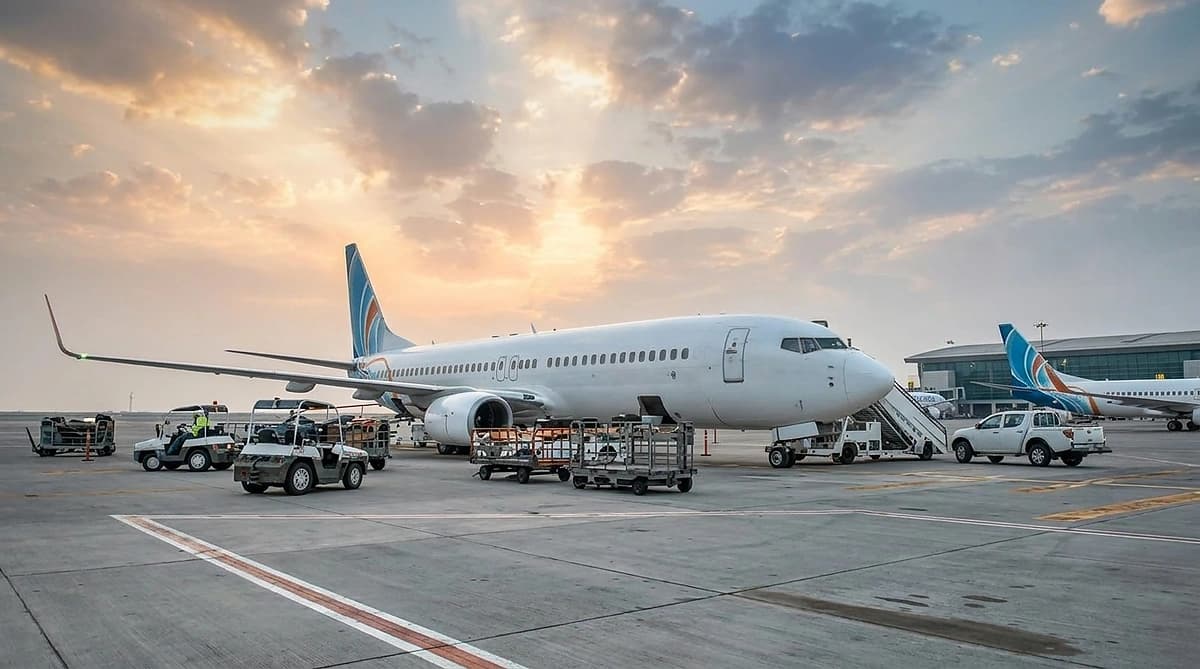
The announced change means flydubai is set to gradually shift operations away from Dubai International (DXB) toward Al Maktoum International, with the move likely to get under way at the end of 2027. That timetable is central to how quickly passenger volumes, ground transport patterns and short-stay housing demand will follow the airline rather than the legacy airport hub. The transition has been described as gradual, not immediate, which gives market participants a window to plan.
For property owners, developers and local planners the key question is timing. A phased airline relocation tends to create measured pockets of demand around the receiving airport and modest easing of pressure around the origin airport. The rest of this report explains likely travel-flow outcomes, the immediate read on property demand and practical investor and developer responses tied to the reported end-2027 start date.
How will flydubai moving to Al Maktoum affect airport capacity and travel flows?
How will flydubai moving to Al Maktoum affect airport capacity and travel flows? Key Data
Transition
gradual
Start
end of 2027
From
Dubai International
DXBTo
Al Maktoum International
flydubai moving to Al Maktoum will reallocate a portion of its passenger traffic from Dubai International, easing some concentration at DXB while increasing activity at Al Maktoum once operations shift from late 2027.
The move is described as gradual, so capacity effects will phase in over months rather than overnight. As flydubai transfers services, Al Maktoum will see higher scheduled departures and arrivals tied to that airline, changing peak-time distributions and ground-transport demand around the receiving airport. That redistribution typically alters feeder traffic, taxi flows and shuttle services in predictable corridors and can relieve terminal crowding at DXB in stages.
The risk is timing uncertainty: a gradual transition leaves both airports operating with overlapping, shifting passenger volumes for an extended period. Planners and transport operators should expect mixed peak profiles and should not assume immediate capacity relief at DXB. Close monitoring of flydubai operational announcements through 2027 will be critical to align airport, road and transit capacity investments.
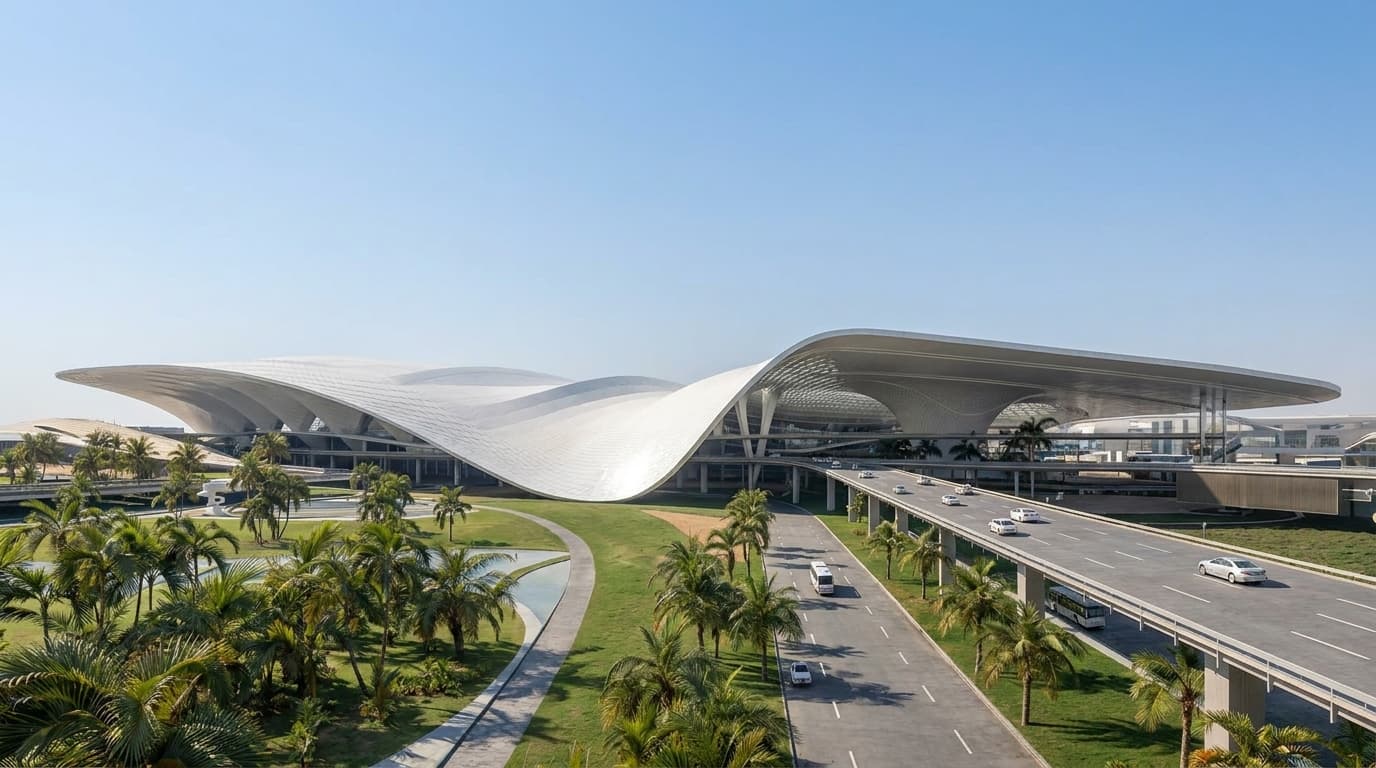
Which areas will see immediate changes in real estate demand after flydubai moves?
Immediate demand effects will concentrate around zones closest to Al Maktoum International and along transport corridors that link the airport to Dubai, with the shift emerging as flydubai phases operations from late 2027.
Properties physically nearer the receiving airport and sites on main connecting routes are the most likely to see short-term interest from airport staff, ground handlers and service providers. Conversely, locations whose demand hinged on quick access to DXB could see a modest slowdown in airport-driven short-stay rental inquiries while the transition is underway. Because the change is gradual, any movement in buyer or renter behaviour is likely to present as pockets of increased search and leasing activity rather than broad market swings.
Local nuance matters: accessibility, road upgrades and scheduled flight allocations will determine which micro-areas benefit first. Investors and developers should track announced flydubai route transfers and transport planning updates to identify precise submarkets that gain demand during the phased shift.
| Area description | Why it matters | Probable short-term effect |
|---|---|---|
| Zones adjacent to Al Maktoum International | Closest proximity to new operations | Increased interest from airport workers and service operators |
| Transport corridors linking Al Maktoum to Dubai | Main commuter and logistics routes | Higher demand for short-term rentals and commuter housing |
| Areas primarily serving DXB passenger flows | Dependence on DXB transit demand | Mixed or softened airport-driven enquiries during transition |
"A phased airline relocation tends to create focused demand pockets near the receiving airport while easing pressure at the origin airport, but the timing of benefits is what determines market outcomes."
, Binayah Research Team
How should developers and investors respond to flydubai's move to Al Maktoum?
How should developers and investors respond to flydubai's move to Al Maktoum? Key Data
Action
plan around end of 2027
Strategy
stage investments and test assumptions
Developers and investors should treat the reported end-2027 start as a planning horizon and focus on staged responses rather than immediate large-scale repositioning.
Short-term steps include updating feasibility studies to model a phased increase in demand for housing, logistics support and travel-oriented services near Al Maktoum, while stress-testing assumptions that relied on DXB footfall. Because the shift is gradual, capital allocation can be staged: secure land or assets with favourable access to the new airport, time marketing campaigns to announced operational milestones and prioritise flexible product types such as short-term rentals or adaptable retail that serve airport workers and transient passengers.
Risks to watch are timeline slippage and slower-than-expected service transfers, which would prolong overlapping demand patterns and compress near-term returns. Maintain liquidity to adjust where necessary, coordinate with transport planners for infrastructure updates and use the transition window to secure land positions selectively rather than overcommit to a single large speculative play.
Key Insight
Investors should avoid assuming immediate price uplifts; treat the reported end-2027 start as a window to run scenario models and secure flexible assets that can serve airport staff and short-stay demand.
- Update feasibility studies to reflect phased demand
- Prioritise assets with flexible use (short-term rentals, logistics)
- Coordinate with transport infrastructure timelines
The confirmed fact is clear: flydubai is set to start relocating operations to Al Maktoum International, with the process described as gradual and operations likely to begin at the end of 2027. That timetable creates a planning window for transport authorities, developers and investors to identify localized demand pockets near the receiving airport and to stage capital and infrastructure responses accordingly.
Binayah Editorial
Property Market Analyst
Our editorial team researches Dubai's real estate market, tracking DLD data, developer launches, and investment trends to keep buyers and investors informed.
Ready to Invest in Dubai?
Speak with our analysts about the best opportunities in today's market, free consultation.