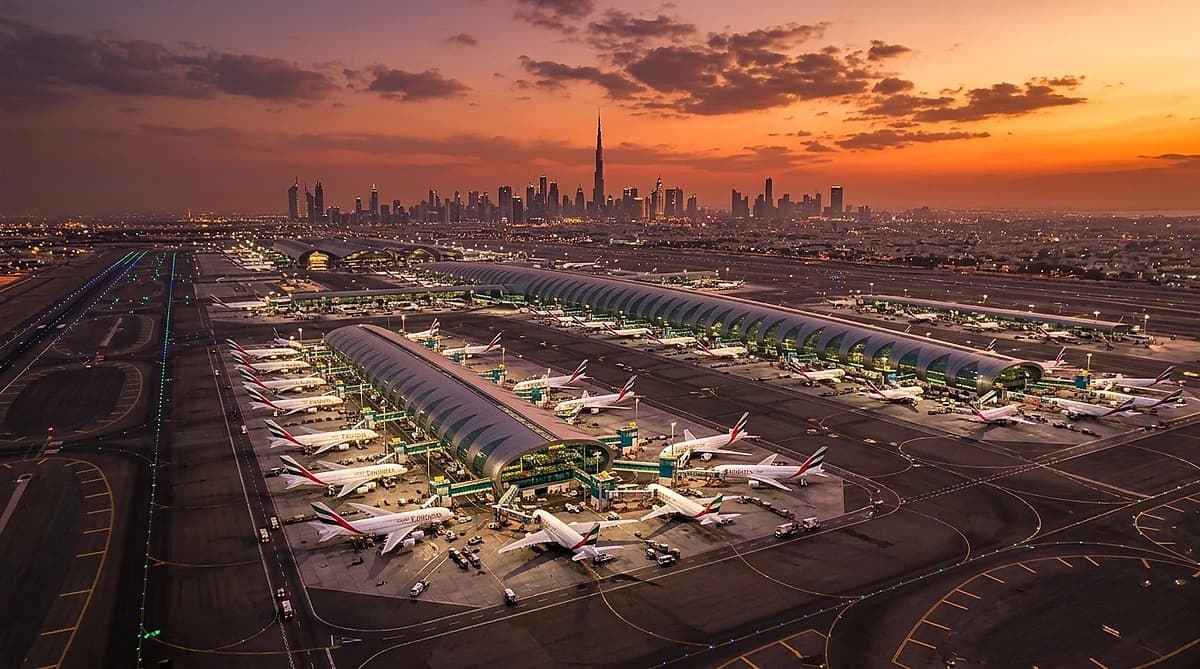
Emirates Durban flights: 14 extra Dubai-Durban services
Emirates is adding 14 extra Dubai-Durban flights, boosting connectivity between Dubai International and King Shaka International airports for passengers and cargo.
The decision by Emirates to add 14 extra flights between Dubai International Airport and King Shaka International Airport in Durban expands capacity on a key long-haul route and strengthens a commercial corridor linking the UAE and South Africa. The announcement signals a tactical growth choice by the carrier that affects passenger options, cargo lift capacity, and the competitive dynamics of Gulf-South Africa air services.
For travellers the extra services mean more scheduling flexibility and potentially better fares at peak times; for exporters and importers the change increases available cargo space on a major carrier. For Dubai property investors and trade stakeholders the addition can translate into incremental short-stay demand and more frequent business traffic, though the source does not specify timing or frequency details beyond the 14 additional flights.
What does the Emirates Durban flights schedule change mean for travel and trade?
What does the Emirates Durban flights schedule change mean for travel and trade? Key Data
Added flights
14
Route
Dubai Durban
Airports
Dubai International (DXB) King Shaka
DURCarrier
Emirates
Emirates is adding 14 extra flights on the Dubai Durban route, which directly increases weekly capacity between Dubai International and King Shaka International airports.
The immediate travel benefit is more seat and cargo capacity on a direct Gulf South Africa corridor, represented by the 14 additional services. More flights typically lower booking pressure during peak periods, improving connections for business travellers and tourists and offering exporters extra tonne-kilometre capacity on Emirates flights. While the source specifies 14 extra flights, it does not state whether these are seasonal, permanent, or how they are distributed over days of the week.
Strategically, the extra services reduce reliance on indirect routings and can speed cargo transit times by offering more direct lift on Emirates, but risks include possible slot congestion at Dubai International during peak hours and the need for capacity reallocation across other Emirates routes. Policymakers and freight forwarders should watch how the 14-flight increase is scheduled to assess real trade capacity gains.
How will extra Emirates Durban flights affect Dubai property investors?
The 14 extra Emirates Dubai-Durban flights can support higher visitor flows and more frequent business travel, which typically helps short-term rental demand and occupancy in investor-held Dubai apartments.
Greater direct connectivity often translates into incremental nights booked in short-stay and serviced apartments as business meetings, trade delegations and leisure visitors gain more flexible schedules. The precise uplift depends on how the 14 additional services are timed, which the source does not specify, but investors should note that improved route frequency usually raises forward booking windows and can push up weekend and midweek occupancy by measurable margins in similar market cases.
Investors face two nuances: short-term upside may concentrate in specific communities popular with business guests, while longer-term rental markets depend on sustained frequency rather than a temporary boost. Close monitoring of forward booking patterns after Emirates deploys the 14 extra flights will show whether demand is transient or becomes a structural improvement for investor cash flows.
| Impact area | Direction | Evidence |
|---|---|---|
| Travel connectivity | Positive | 14 extra flights |
| Short-stay demand | Potential uplift | 14 extra flights |
"Stronger route frequency typically boosts short-stay occupancy and business travel bookings, but the extent depends on how airlines schedule the additional services."
, Binayah Research Team
What are the operational and market implications for Emirates, other airlines and hub airports?
Emirates adding 14 extra flights to Durban increases operational intensity on the DXB DUR corridor and affects slot use, aircraft rotations and cargo capacity planning for the carrier and its counterpart hubs.
From an operational view, 14 extra flights require Emirates to allocate aircraft, crew and ground handling resources while adjusting block times and turnaround plans at Dubai International and King Shaka. The change can also pressure peak-hour slots at DXB, prompting airlines and regulators to manage slot sequencing tightly. Market-wise, increased frequency strengthens Dubai’s hub position to South Africa and can alter competitive dynamics for other carriers serving the route or connecting via Johannesburg or other hubs.
Risks include short-term congestion and the need for coordinated ground capacity at both airports; benefits include added cargo lift and improved connectivity. Because the source contains only the figure of 14 additional flights, stakeholders should await the carrier’s operational schedule to validate capacity, timing and the route’s effect on connecting services.
Key Insight
Airports and freight operators should monitor the published schedule for the 14 extra flights to assess slot impacts and cargo capacity shifts; operational details drive the real market effect.
Emirates' announcement of 14 extra Dubai Durban flights increases direct capacity on a strategic Gulf South Africa corridor and improves options for passengers and shippers. The tangible figure is 14 additional services; the full operational and market effects will depend on how those services are scheduled and sustained over time.
Binayah Editorial
Property Market Analyst
Our editorial team researches Dubai's real estate market, tracking DLD data, developer launches, and investment trends to keep buyers and investors informed.
Ready to Invest in Dubai?
Speak with our analysts about the best opportunities in today's market, free consultation.
Related Articles
 Market Report 7 min read
Oct 14, 2026
Dubai tech property market: impact on prices and investors
 Market Report 8 min read
Oct 13, 2026
World Green Building Week: Emirates Green Building Council (EGBC) BuildItReady
 Market Report 8 min read
Oct 13, 2026