
Emaar backlog and buyer confidence: AED 180 billion explained
Emaar backlog has remained robust with a reported AED 180 billion sales pipeline, signalling sustained buyer confidence in Dubai real estate.
Emaar Properties founder told audiences that buyer confidence has held firm while the company carries a sales backlog of about AED 180 billion. That backlog represents signed but not yet recognised sales that feed future revenue and deliveries. The founder also flagged stronger hospitality activity, which is running more than 60% above previous levels and supports hotel operations and tourism-related demand.
For investors and developers this combination matters because a large backlog gives revenue visibility and cadence to project handovers, while a hospitality rebound boosts short-term rental and hotel income that can help underwrite mortgage and operating costs across mixed-use developments.
What is Emaar's sales backlog and why does it matter?
What is Emaar's sales backlog and why does it matter? Key Data
Backlog
AED 180 billion
Hospitality
+60% vs previous levels
Buyer confidence
Firm
founder statementDeveloper
Emaar Properties
Emaar Properties reports a sales backlog of about AED 180 billion, and that figure is the core measure of future revenue from signed contracts. The backlog is the total value of units sold but not yet handed over, so it moves into revenue when developers deliver buildings and complete handovers.
A AED 180 billion backlog gives Emaar meaningful near-term cash flow visibility and delivery schedules to plan construction and financing. For buyers and lenders, it signals demand that has already converted into contractual sales. The founder’s comment that buyer confidence remains firm reinforces the idea that a sizable portion of that AED 180 billion is likely to convert rather than cancel, though exact conversion timing depends on project completion and purchaser financing.
The nuance is conversion timing and cancellation risk. A backlog is only valuable if contracts close at handover; soft market conditions, interest-rate pressure, or buyer credit issues can delay recognition. Developers with large backlogs like Emaar Properties have stronger revenue visibility, but investors should watch delivery timelines and pre-sale contract terms to understand when AED 180 billion will become reported earnings.
How does the hospitality rebound affect developers like Emaar Properties?
Hospitality activity is running more than 60% above previous levels, and that rebound lifts revenue for hotels, serviced apartments and tourism-linked rentals. Higher occupancy and stronger visitor numbers increase short-term income streams within mixed-use developments that include hotels or hotel-managed apartments.
For a developer such as Emaar Properties, a hospitality recovery helps underwrite cash flow besides residential sales. When hotels perform better, revenue per available room and ancillary spending rise, supporting operating returns on hospitality assets within a developer’s portfolio. That makes projects with hotel components easier to finance and can reduce stress on margins if residential sales slow. The founder’s observation that hospitality is up more than 60% signals material year-on-year improvement in tourism-linked activity and demand for short-stay accommodation.
The risk is that hospitality is more cyclical than core residential sales. A strong tourism season can lift short-term income, but a slowdown or global travel shock could reverse gains. Developers with large hospitality exposure must manage operating costs, franchise agreements and seasonal cash flow to avoid passing volatility to project-level returns.
| Metric | Value | Why it matters |
|---|---|---|
| Sales backlog | Dh180 billion | Revenue visibility from signed but undelivered sales |
| Hospitality activity | +60% above previous levels | Higher hotel and short-stay income supports mixed-use projects |
"Emaar's Dh180 billion backlog provides revenue visibility, while a hospitality recovery running over 60% improves near-term cash flow for projects with hotel components."
, Binayah Research Team
Emaar backlog: what should investors consider about market implications?
Emaar backlog: what should investors consider about market implications? Key Data
Backlog
AED 180 billion
Hospitality rebound
+60% vs previous levels
Investor note
Revenue visibility from signed sales
Risk
conversion timing affects supply
A AED 180 billion backlog means investors should expect staged revenue recognition and a pipeline of deliveries that can affect supply and prices. That backlog translates into future inventory hitting the market as handovers occur, which influences rental and resale dynamics in specific communities.
For investors the key implications are cash-flow visibility and timing risk. A large backlog reduces uncertainty about near-term developer earnings, which can stabilise share prices for public developers and reduce project risk for equity investors. The founder’s note that buyer confidence is holding reinforces demand-side strength, while hospitality up more than 60% supports income from hotel-facing assets and short-stay rentals. Investors should map the AED 180 billion across delivery timelines to understand when additional supply will enter target communities and how that will affect yields.
Investors must also consider liquidity and diversification. Large backlog figures do not eliminate market cycles; they only delay exposure until handover. Watch for concentration in specific projects or communities, pace of handovers, and macro conditions such as mortgage availability and interest-rate moves that could slow conversion of shortlisted sales into completed transactions.
What risks should buyers and investors watch with Emaar and the market?
What risks should buyers and investors watch with Emaar and the market? Key Data
Conversion risk
Timing can delay revenue
Interest-rate exposure
Affects buyer affordability
Hospitality volatility
+60% now, may reverse
Delivery risk
Construction or handover delays
Primary risks include the timing of backlog conversion, interest-rate pressure and potential cancellations, and those could delay recognition of the AED 180 billion sales pipeline. Operational cost increases and construction delays can also compress margins on projects with long delivery timelines.
Another risk is volatility in hospitality demand, which the founder said is currently more than 60% above previous levels. If tourism slows due to regional or global shocks, revenue tied to hotels and short-stay rentals could fall quickly and affect project-level cash flows for mixed-use developments. Buyers and investors should stress-test financing assumptions against slower conversion and lower hospitality income.
Finally, regulatory or macro policy changes, shifts in mortgage availability and local market saturation in particular communities can alter expected returns. Monitoring delivery schedules, contract terms, cancellation rates and local absorption provides the best early warning on whether the AED 180 billion backlog will sustain developer earnings as expected.
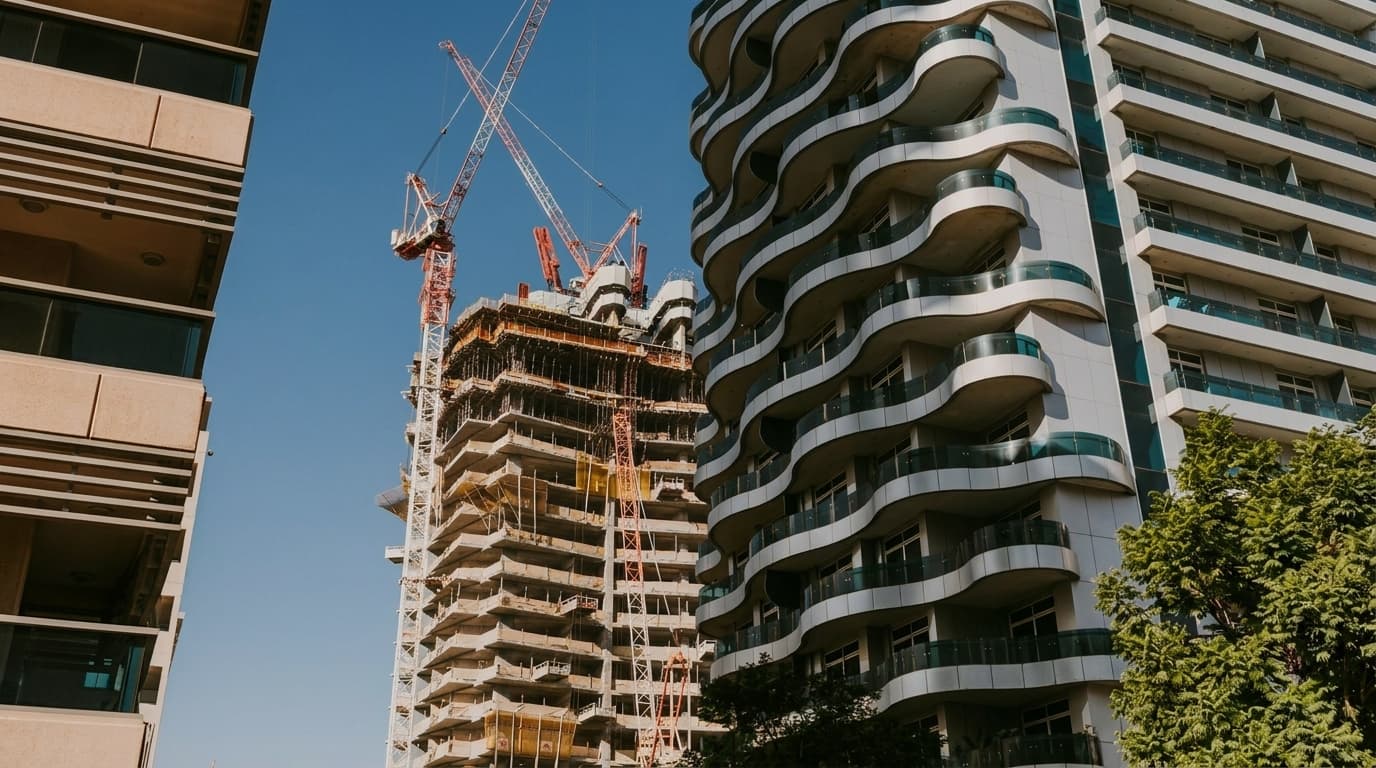
Emaar Properties' reported AED 180 billion sales backlog and a hospitality rebound running more than 60% above previous levels give the company strong near-term revenue visibility. The central takeaway is that demand appears resilient, but conversion timing, interest-rate effects and hospitality volatility will determine how quickly that AED 180 billion strengthens earnings and affects community-level supply and investor returns.
Binayah Editorial
Property Market Analyst
Our editorial team researches Dubai's real estate market, tracking DLD data, developer launches, and investment trends to keep buyers and investors informed.
Ready to Invest in Dubai?
Speak with our analysts about the best opportunities in today's market, free consultation.
Related Articles
 Market Report 7 min read
Oct 14, 2026
Dubai tech property market: impact on prices and investors
 Market Report 8 min read
Oct 13, 2026
World Green Building Week: Emirates Green Building Council (EGBC) BuildItReady
 Market Report 8 min read
Oct 13, 2026