EGA Jebel Ali visit: implications for Dubai industrial property
On Sept. 11, Odisha Chief Minister Mohan Charan Majhi visited the EGA Jebel Ali facility to discuss industrial cooperation and technology links.
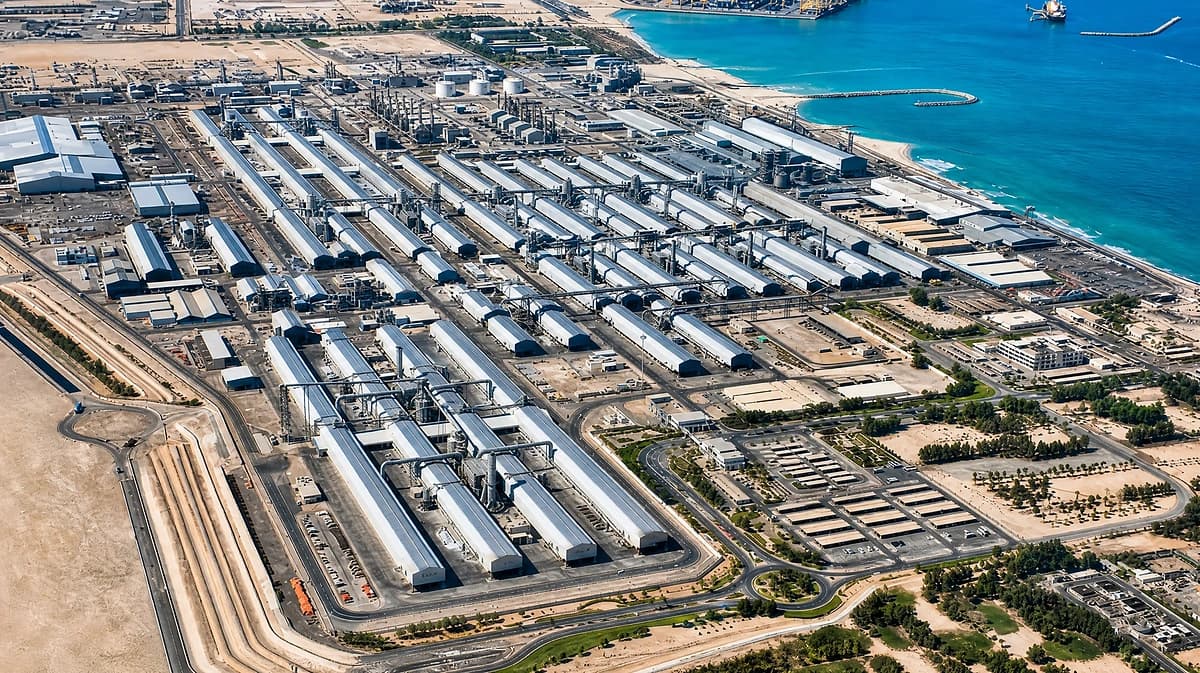
The visit to Emirates Global Aluminium (EGA) in Jebel Ali gathered government and industrial leaders around plans for deeper industrial and technological cooperation between Odisha and Dubai stakeholders. Officials described the meeting as focused on supply-chain integration, skill development and technology transfer, with both sides exploring how EGA’s capabilities might support downstream manufacturing and aluminium processing partnerships.
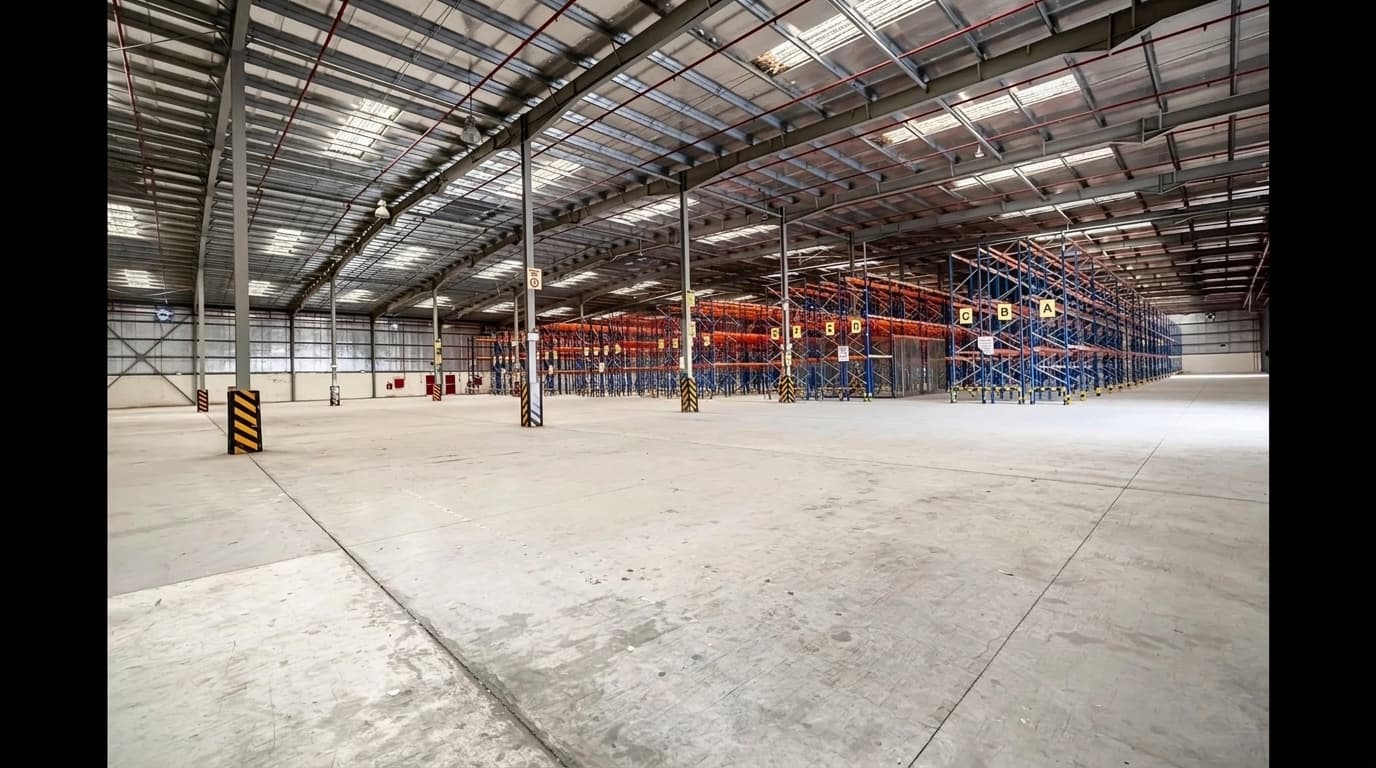
For Dubai property markets, the visit is a signal rather than a commitment. Industrial landlords, logistics operators and investors often watch these diplomatic and industrial visits because they can lead to longer-term demand for warehouses, logistics yards and specialised industrial plots near major nodes such as Jebel Ali port and free zones.
Why did Mohan Charan Majhi visit EGA Jebel Ali?
Why did Mohan Charan Majhi visit EGA Jebel Ali? Key Data
Visit date
Sept. 11
Visitor
Mohan Charan Majhi
Host
Emirates Global Aluminium
EGALocation
Jebel Ali facility
The visit by Odisha Chief Minister Mohan Charan Majhi to the Emirates Global Aluminium (EGA) Jebel Ali facility on Sept. 11 was aimed at strengthening industrial cooperation and promoting technological collaboration between Odisha and UAE stakeholders.
EGA hosted discussions around technology transfer, supply-chain links and potential industrial partnerships that could leverage EGA’s smelting and downstream capabilities. The meeting emphasised common interests in processing, logistics and workforce development and positioned EGA as a potential anchor for cooperation, given its role at Jebel Ali and ties to regional commodity flows.
The immediate outcome is exploratory rather than contractual; such visits usually set a roadmap and points of interest rather than final deals. Investors and property owners should note the strategic signal: government-led visits often precede feasibility studies, MoUs or pilot projects that influence long-term industrial occupancy in nearby zones.
How will industrial collaboration at EGA Jebel Ali affect nearby property markets?
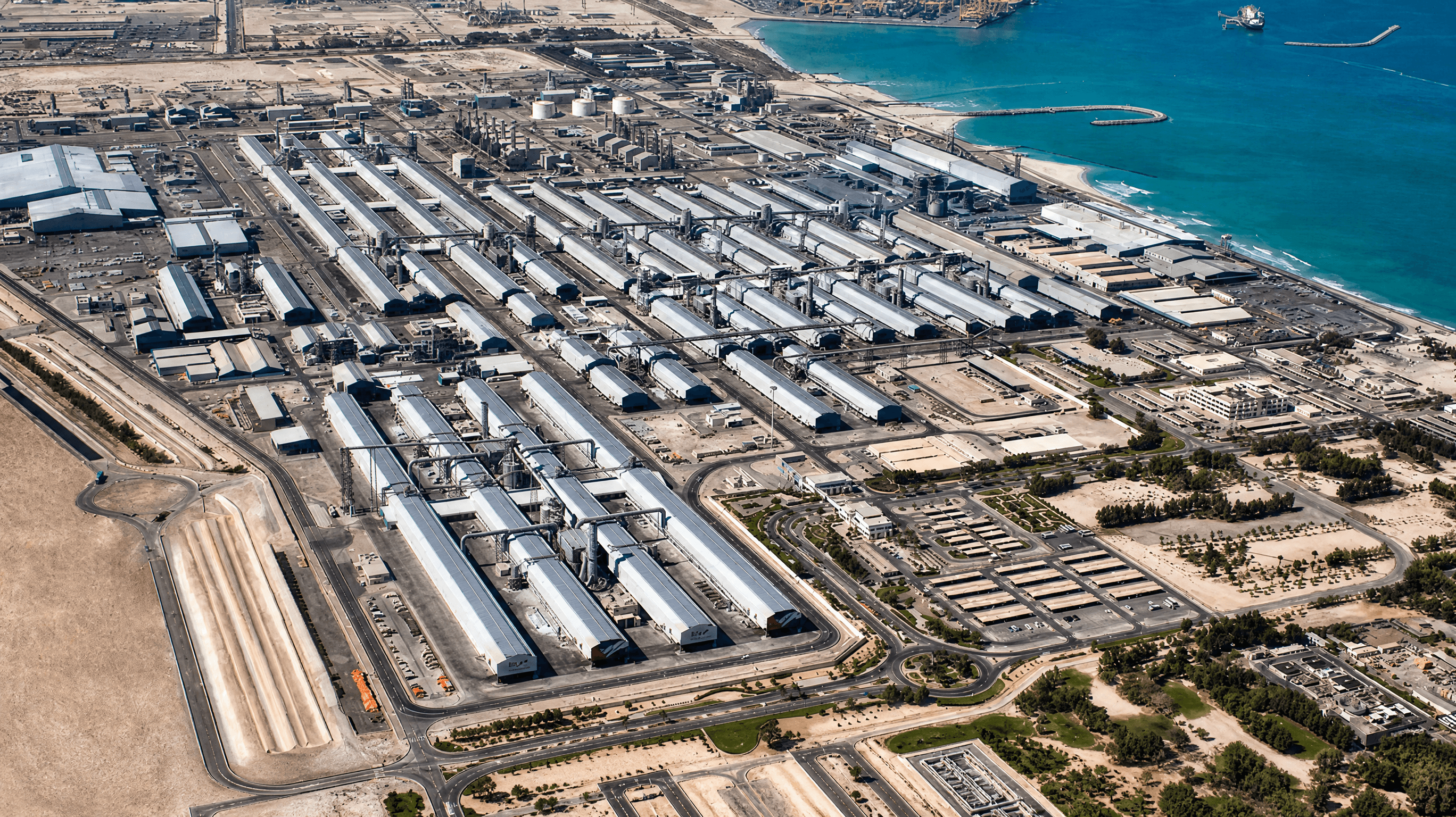
Industrial collaboration centred on the EGA Jebel Ali facility can increase long-term demand for specialised industrial real estate, particularly logistics, warehousing and light-processing units in the Jebel Ali corridor.
If exploratory talks progress to pilots or joint projects, firms linked to aluminium processing and supporting supply chains may seek space close to EGA to cut transport and handling costs. That pattern typically lifts occupier interest for nearby industrial plots and purpose-built warehouses. For property markets, the key impact is directional: heightened tenant demand and longer lease terms rather than immediate price jumps. Planning timelines for industrial projects mean market effects can take months or years to materialise following initial diplomatic engagement.
Risks to this positive outlook include dependency on the pace of any formal agreements, global commodity cycles for aluminium, and practical constraints such as utility capacity and permitted land use. Property owners should track follow-up announcements and feasibility work after the Sept. 11 visit to calibrate expectations.
| Sector | Likely impact | Example beneficiary |
|---|---|---|
| Manufacturing | Increased need for processing space and utilities | Downstream aluminium fabricators |
| Logistics | Higher demand for bonded warehouses and yard space | Third-party logistics operators |
| Services | More office-support and engineering facilities nearby | Contractors and service providers |
"Diplomatic and industrial visits like the Sept. 11 meeting set the agenda; the commercial impact follows when pilots or MoUs convert into occupier demand."
, Binayah Research Team
What investor strategies target industrial-linked growth around EGA Jebel Ali?
Investors seeking exposure to any industrial momentum from EGA should prioritise proximity to Jebel Ali logistical nodes and flexibility in unit specification to attract processing and logistics tenants.
Strategies include acquiring or developing modern warehouses with high clear heights and robust power access, offering long lease structures that appeal to industrial operators, and focusing on plots that allow light manufacturing or value-added processing. Investors can also consider staged development aligned to pilot project timelines emerging from follow-up work to the Sept. 11 visit, which helps limit speculative exposure while capturing upside if demand materialises.
A cautious stance works best: secure sites with clear utility and permit pathways, underwrite with conservative vacancy and rental assumptions, and sign leases with tenant covenants that reflect industrial operational needs. That approach preserves yield while leaving room to capitalise on longer-term supply-chain agreements stemming from EGA collaborations.
- Focus on logistics nodes near Jebel Ali port and free zones
- Prioritise properties with industrial power and utility capacity
- Use staged development tied to pilot projects and MoUs
What are the risks and regulatory considerations for projects near EGA Jebel Ali?
Projects near the EGA Jebel Ali facility face regulatory, environmental and infrastructure risks that investors must assess before committing capital.
Key considerations include land-use permitting, environmental compliance for industrial emissions and waste, and the capacity of local utilities to support energy-intensive users. Regulatory oversight from relevant UAE bodies governs permits and environmental standards; stakeholders should expect multi-agency reviews for projects that link directly to heavy industry. Labour, transport and customs coordination are additional operational factors to resolve, particularly for cross-border supply-chain partnerships discussed during the Sept. 11 visit.
Mitigation requires early engagement with regulators, robust environmental and traffic impact studies, and contingency planning for phased infrastructure upgrades. Investors should also factor in the time required for approvals and for any MoUs arising from exploratory visits to convert into enforceable commitments.
Key Insight
Before committing to industrial development near EGA, verify zoning and utility capacity, and budget for environmental compliance and permit timelines. Regulatory approvals and infrastructure upgrades can materially affect project costs and time to occupancy.
The Sept. 11 visit to Emirates Global Aluminium (EGA) in Jebel Ali is a strategic signal rather than an immediate market mover. It highlights potential pathways for industrial cooperation and downstream demand that could lift occupier interest in logistics and processing space, but concrete effects will depend on follow-up pilots, MoUs and regulatory approvals.
Binayah Editorial
Property Market Analyst
Our editorial team researches Dubai's real estate market, tracking DLD data, developer launches, and investment trends to keep buyers and investors informed.
Ready to Invest in Dubai?
Speak with our analysts about the best opportunities in today's market, free consultation.