Dubai World Cup 2026 market impact: Meydan $12m race
Dubai World Cup 2026 at Meydan signals major short-term tourism and hotel demand spikes around the $12m race weekend and local property search activity.
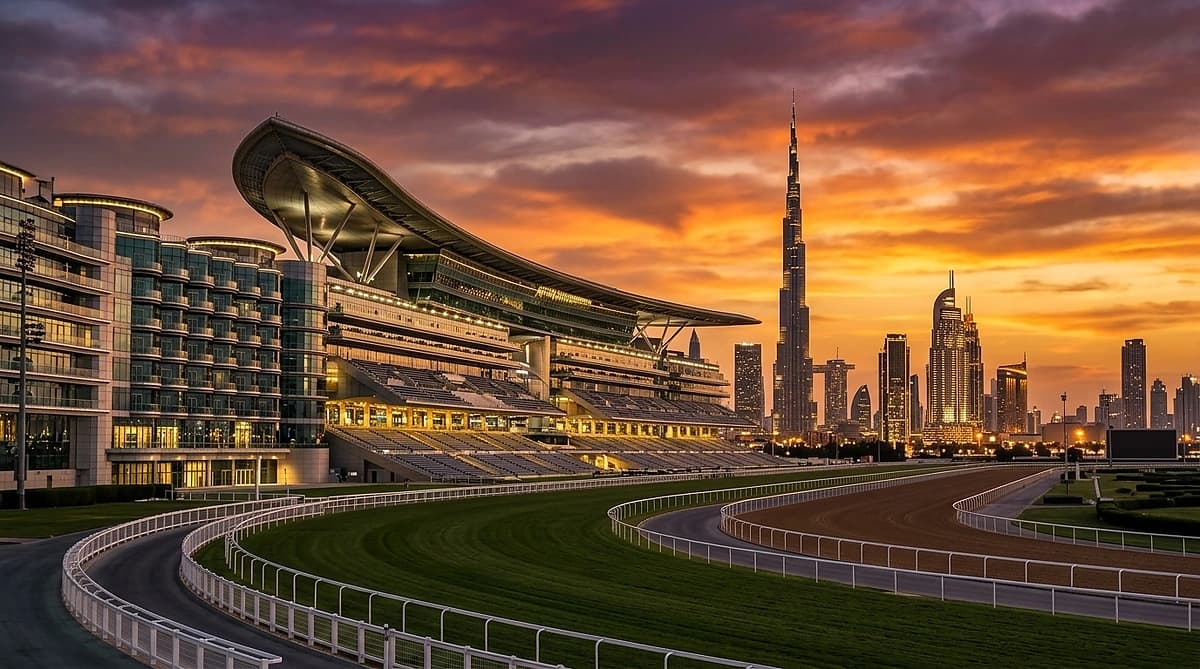
The Dubai World Cup 2026 staged at Meydan featured a nine-race card and a $12m headline prize, with global runners and major sponsors including DP World and Emaar. That concentrated event profile drives higher hotel occupancy, boosted short-term rental interest and increased footfall in central communities close to Meydan on race week.
For property owners and agents the immediate effect is a tangible revenue and demand spike over a compact period. The scale of the $12m race and the presence of international competitors and sponsors increases visibility, media coverage and visitor spending, which in turn affects bookings, listing activity and short-term pricing in nearby Dubai neighbourhoods.
What happened at Meydan during Dubai World Cup 2026 and why does it matter to property markets?
What happened at Meydan during Dubai World Cup 2026 and why does it matter to property markets? Key Data
Prize
$12m
Races
9
Sponsors
DP World, Emaar
Location
Meydan
Dubai World Cup 2026 at Meydan presented a nine-race card headlined by a $12m feature race, attracting global runners and sponsors DP World and Emaar. This concentrated event drew international visitors and media attention, raising short-term demand for accommodation and hospitality in adjacent areas.
The combination of a $12m headline purse and a nine-race program turns Meydan into a short-term demand hotspot for the race weekend. Hotels and serviced apartments typically see elevated occupancy and rates when international fixtures of this scale run, and local short-term rental listings register higher enquiry volumes and booking lead times.
The market implication is timing-sensitive: the effect is strong but compressed into the race period. Owners in Al Meydan, Downtown Dubai and Business Bay may see the biggest uplift in inquiries, while investors must weigh transient revenue against any incremental operating costs and short-term wear on units.
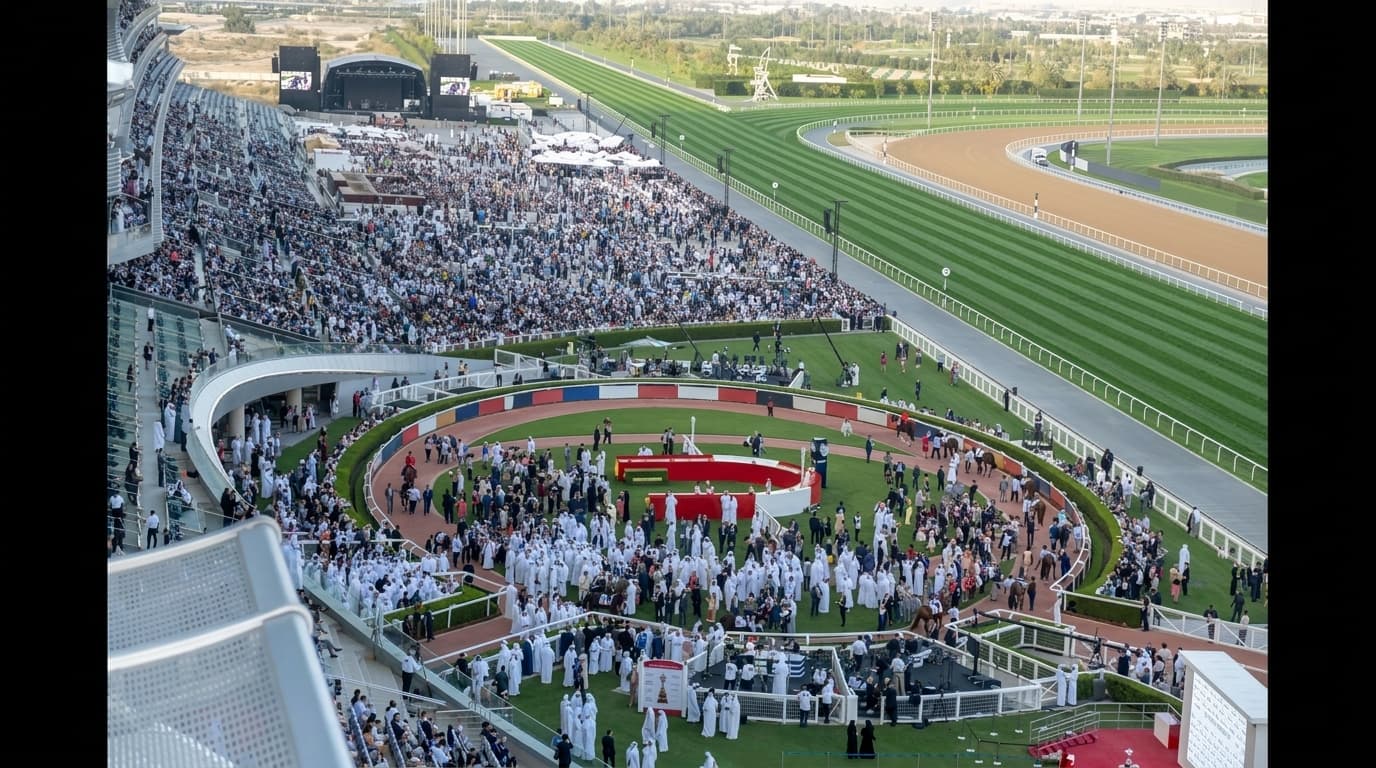
- High-profile event increases short booking lead times and occupancy
- Media exposure from sponsors raises visitor interest in nearby neighbourhoods
- Demand is short and intense, concentrated on race week
How do major race weeks like Dubai World Cup 2026 affect short-term rentals and hotels?
Major race weeks such as Dubai World Cup 2026 typically lift hotel occupancy and short-term rental bookings because the event concentrates visitors into a short period and high-profile sponsors increase international attendance. The $12m headline race and nine-race card act as the primary demand drivers.
Hotels near Meydan and in central districts often raise rack rates on race weekend, while serviced apartments and short-term rental hosts see higher nightly rates and faster booking velocity. Short-term platforms and direct bookings typically show increased enquiries in the 7 to 14 days before the event, with cancellations and no-shows requiring careful management by owners and operators.
A practical operational nuance is inventory planning: hotels can rely on corporate and sponsor allocations, while short-term rental owners must manage cleaning, check-in and dynamic pricing to capture the uplift. For some hosts the incremental revenue over race week can exceed typical weekly income, but it comes with higher operational intensity and potential regulatory checklists for visitor stays.
| Element | Effect on demand | Detail |
|---|---|---|
| Headline prize | $12m | Raises global attention and attracts high-spending visitors |
| Race card size | 9 races | Creates multiple peak periods across the event day |
"A $12m headline race compresses demand into a short window, creating an outsized revenue opportunity for nearby accommodation but requiring active operational management."
, Binayah Research Team
- Expect higher nightly rates and fast booking velocity during race week
- Operational readiness is essential for hosts to capitalise on demand
- Hotels benefit from sponsor and corporate room allocations
When should investors expect Dubai World Cup 2026 to create a genuine price effect on nearby properties?
When should investors expect Dubai World Cup 2026 to create a genuine price effect on nearby properties? Key Data
Short-term effect
higher occupancy and nightly rates
Long-term price effect
depends on repeated demand
Sponsor influence
DP World, Emaar boost visibility
Event scale
$12m headline race
A single edition of Dubai World Cup 2026 is more likely to create short-term revenue gains than a sustained rise in long-term property prices. The $12m race and nine-race card boost occupancy and rental yields during the event, but lasting price changes require repeated demand or structural shifts in local supply.
Investors who seek a genuine price effect should look for multi-year trends of increasing event frequency, long-term hotel development or repeated high-profile sponsorships from brands like DP World and Emaar. A one-off spike in bookings usually raises gross yield on an annualised basis only if owners can replicate the operational intensity or if the event triggers broader tourism growth in adjacent neighbourhoods.
Timing matters: short-term rental yield improvements are immediate and measurable during the event, but capital appreciation typically lags and depends on persistent demand, reduced supply or policy shifts. Investors should track occupancy rates, sponsorship continuity and municipal or developer announcements that convert event attention into sustained real-world infrastructure and services.
- Short-term rental income usually rises during the race weekend
- Sustained price increases require repeated events or structural changes
- Monitor sponsor presence and developer activity for signals of longer-term impact
What practical advice should owners and agents follow during Dubai World Cup 2026 race season?
What practical advice should owners and agents follow during Dubai World Cup 2026 race season? Key Data
Operational tip
confirm cleaning and check-in for race week
Pricing tip
set minimum stays and dynamic rates
Risk
higher turnover increases wear and compliance needs
Event focus
nine-race card at Meydan
Owners and agents should prepare for concentrated demand during Dubai World Cup 2026 by adjusting pricing, confirming availability and tightening operations for the $12m race weekend. Clear communication, flexible check-in and reliable cleaning schedules are essential to capture short-term revenue without guest issues.
Practical steps include publishing race-week minimum stays, reviewing insurance and service agreements, and coordinating with co-hosts or property managers to handle elevated turnover. Agents should advise clients on pricing strategies that reflect the nine-race card’s multiple peak times and the profile of international visitors brought by sponsors like DP World and Emaar.
Risk management is equally important: higher turnover increases wear and compliance paperwork, and aggressive pricing can harm reputation if service standards slip. A balanced approach targeted rate increases, operational readiness and transparent guest rules captures the upside from race events while preserving asset condition and long-term guest ratings.
Key Insight
Plan operational capacity for a concentrated demand spike: secure extra cleaning slots, confirm staff or co-hosts, set minimum stays and review insurance coverage before race week to avoid service breakdowns during the $12m event weekend.
- Set race-week minimum nights and dynamic pricing
- Confirm cleaning, check-in and guest support in advance
- Document wear-and-tear and review insurance and service charges
Dubai World Cup 2026 at Meydan delivered a nine-race card anchored by a $12m headline race, producing an intense, short-term uplift in hotel and short-term rental demand. The immediate benefit is higher occupancy and rates during the race period, while any durable change in property prices will depend on repeated events, sponsor continuity and structural supply shifts.
Binayah Editorial
Property Market Analyst
Our editorial team researches Dubai's real estate market, tracking DLD data, developer launches, and investment trends to keep buyers and investors informed.
Ready to Invest in Dubai?
Speak with our analysts about the best opportunities in today's market, free consultation.
Related Articles
 Market Report 7 min read
Oct 14, 2026
Dubai tech property market: impact on prices and investors
 Market Report 8 min read
Oct 13, 2026
World Green Building Week: Emirates Green Building Council (EGBC) BuildItReady
 Market Report 8 min read
Oct 13, 2026