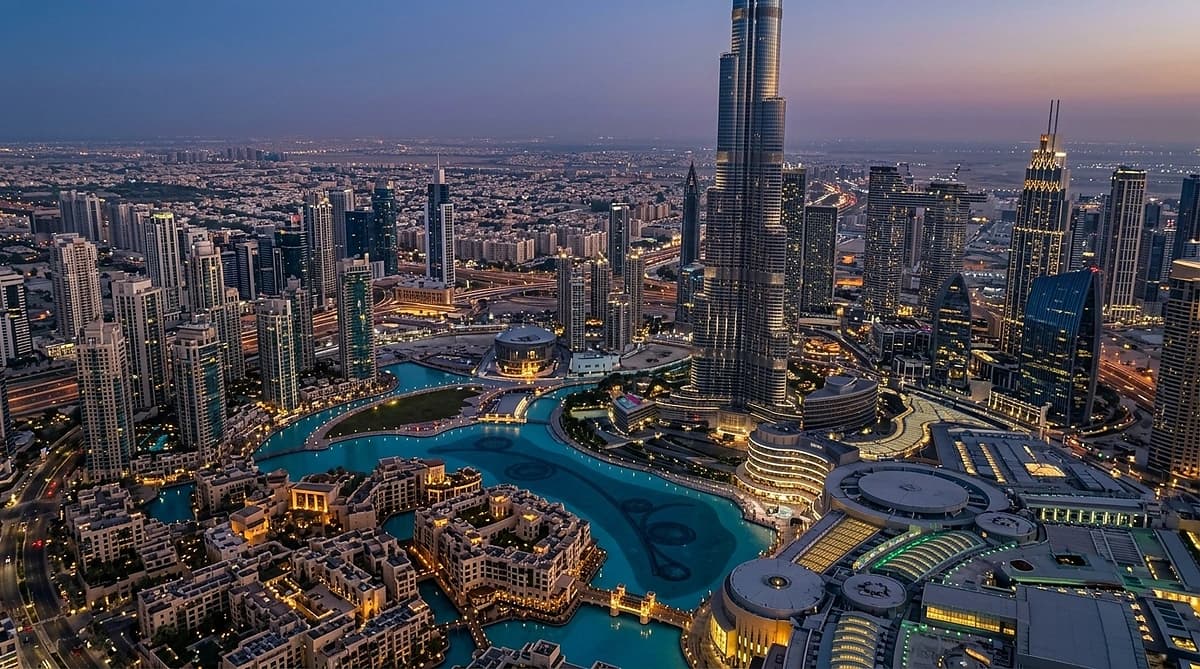
Dubai rental prices drop: rental market update
Dubai rental prices are dropping as tenants trade down to cheaper homes and landlords lower rents in some prime areas.
Tenant behaviour has shifted: more households are choosing lower-cost apartments and family villas, while a smaller group remains in higher-end neighbourhoods negotiating renewals. Landlords in prime communities are responding with selective rent reductions and incentives to avoid vacancies, which is reshaping where demand concentrates across the city.
The result is a clearer two-tier market: stronger availability and bargaining power for renters in mid-market stock, and renewed pricing pressure on prime assets. That creates short-term opportunities for tenants and operational decisions for landlords and investors to limit downside risk.
How are Dubai rental prices changing on the ground?
How are Dubai rental prices changing on the ground? Key Data
Trend
Tenants shifting to cheaper homes
Landlord response
Rent adjustments in prime areas
Supply effect
More mid-market availability
Tenant leverage
Increased negotiating power
Tenants are moving from higher-rent prime apartments into cheaper mid-market and value-led homes, and landlords in prime areas are adjusting asking rents to reflect that shift.
On the ground this looks like more listings in mid-market apartment buildings and fewer renewals at previous prime rents. Tenants who want more space or lower monthly costs are trading location for affordability, and landlords who rely on premium rents are offering concessions to retain tenants rather than face an empty unit.
That movement creates immediate negotiating power for renters and higher short-term vacancy risk for owners of prime stock. Landlords must decide whether to rebalance rents, add incentives such as reduced deposit or flexible lease terms, or hold pricing and accept longer marketing times. Each choice affects cash flow and repositioning costs for investors.
How are landlords reacting to dropping rents and what does that mean for supply?
Landlords are responding with selective reductions, incentives and shorter lease offers, and those actions are reshaping short-term supply dynamics across neighbourhoods.
Many owners in prime locations prefer to lower asking rents or add tenant incentives rather than leave units empty. That keeps stock on the market but at reduced headline rents, which increases visible supply for cost-conscious tenants. In contrast, mid-market landlords see steadier demand as tenants trade down, which can normalise occupancy without headline reductions.
The net effect is a reallocation of demand from prime to value-led stock, plus a temporary increase in available units at competitive rents. For landlords the trade-off is between preserving yield and minimising vacancy; decisions about incentives, lease lengths and maintenance can determine whether a property retains tenants or cycles to new occupiers.
| Landlord action | Immediate effect | Supply implication |
|---|---|---|
| Lower asking rents | Improves tenant retention | Keeps units occupied but reduces headline rents |
| Shorter leases and incentives | Attracts cost-conscious tenants | Increases churn and visible mid-market availability |
"Rent adjustments in prime areas are reallocating demand toward more affordable stock, creating short-term supply relief and longer-term pricing questions."
, Binayah Research Team
What should renters and investors consider now in Dubai rental market?
Renters should use the current market to negotiate lease terms and seek concessions, while investors should review income projections and tenant profiles to manage risk.
For renters the practical steps are clear: compare options across mid-market and peripheral communities, request incentives such as flexible payment terms or reduced fees, and consider slightly longer leases if that secures a lower monthly cost. For investors, the priority is stress-testing cash flow under lower rent assumptions, checking service-charge exposure and revisiting marketing strategies to reduce vacancy periods.
Both groups must watch lease renewal patterns and landlord incentives as early indicators of deeper market shifts. Renters gain short-term negotiating power but should also assess location trade-offs; investors can protect returns by focusing on occupancy management, efficient operating costs and selective upgrades that preserve tenant demand.
Where are Dubai rental prices likely to stabilise?
Rents are likely to stabilise first where tenant demand meets available supply, most commonly in mid-market and affordable segments before prime locations rebound.
Stabilisation depends on several local factors: how quickly landlords in prime areas accept lower yields, the pace of new completions entering the market and whether tenant demand from relocations or company housing resumes. Mid-market stock typically reaches equilibrium faster because it aligns with a broader affordability band and immediate household budgets.
Prime areas can take longer to stabilise because they depend more on corporate tenancies, high-net-worth movers and discretionary demand. Observing renewal behaviour, incentive frequency and the mix of new listings versus occupied stock will indicate where equilibrium has been reached and whether headline rents have bottomed in a given neighbourhood.
The current market shows tenants moving to cheaper homes while landlords in prime areas are lowering rents to avoid vacancies, creating a two-tier dynamic across Dubai. Mid-market stock is absorbing demand and stabilising sooner, while prime assets face ongoing pricing pressure and operational choices that will determine recovery timing.
Binayah Editorial
Property Market Analyst
Our editorial team researches Dubai's real estate market, tracking DLD data, developer launches, and investment trends to keep buyers and investors informed.
Ready to Invest in Dubai?
Speak with our analysts about the best opportunities in today's market, free consultation.
Related Articles
 Market Report 7 min read
Oct 14, 2026
Dubai tech property market: impact on prices and investors
 Market Report 8 min read
Oct 13, 2026
World Green Building Week: Emirates Green Building Council (EGBC) BuildItReady
 Market Report 8 min read
Oct 13, 2026