Dubai property market H1 2026: handovers surge nearly 38%
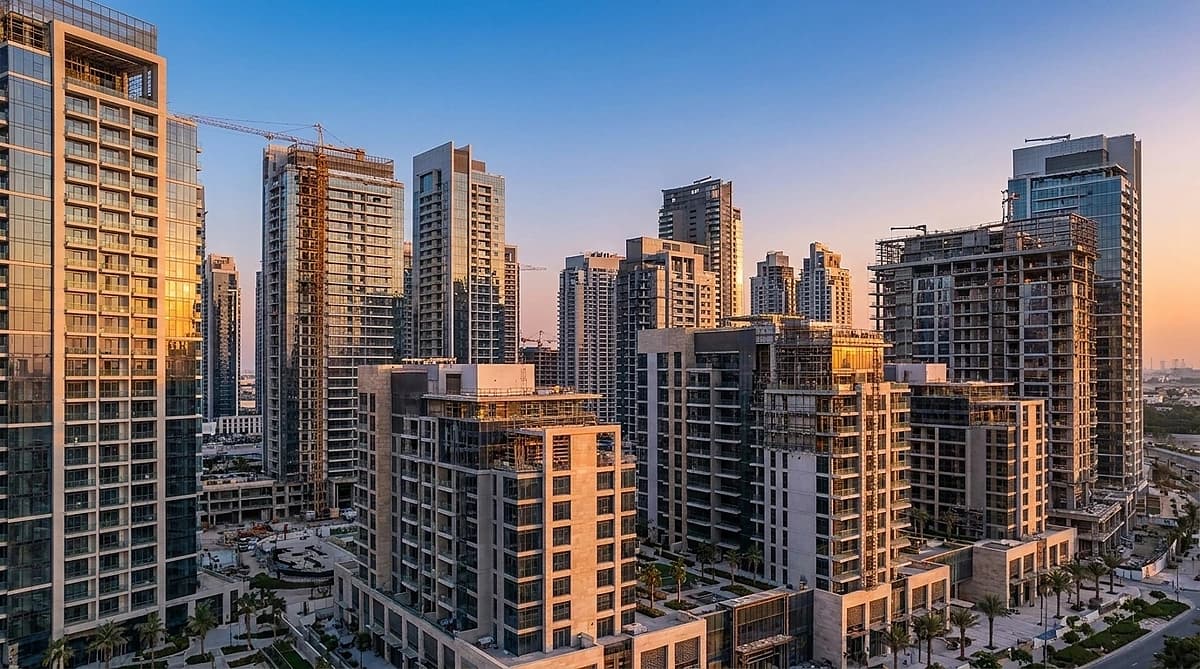
Dubai property market saw handovers surge nearly 38% in H1 2026 as the sector shifts from launch-led activity to delivery-driven supply. Handovers across Dubai rose nearly 38% year-on-year in the first half of 2026, shifting the market away from a launch-driven boom toward a delivery-led cycle.
Why did Dubai property market handovers surge in H1 2026?
Why did Dubai property market handovers surge in H1 2026? Key Data
Handovers
+38% y/y
Market phase
delivery-led
Price trend
rising
Rent trend
rising
Handovers in Dubai surged nearly 38% year-on-year in H1 2026, signalling a clear shift from a launch-driven cycle to one dominated by completed deliveries. The surge reflects a pipeline of projects reaching completion after earlier years of strong launches. That delivery-led flow means more ready-to-move-in units are entering resale and rental channels, which changes the timing of price adjustments and tenant sourcing. Developers who previously relied on off-plan sales now face inventory management and secondary-market dynamics for newly delivered units. The strategic consequence is that absorption and location matter more than ever. Where handovers cluster, short-term competition can pressure resale premiums, but citywide price declines are not automatic. Investors need to assess delivery concentration, product quality, and local rental demand when judging risk; a 38% rise in handovers amplifies those micro-level differences.
"Higher handovers change the mix of available stock but do not by themselves determine price direction; location and product quality still matter most."
, Binayah Research Team
Are Dubai property prices and rents still rising despite more handovers?
Yes, prices and rents remained generally firm in H1 2026 even as handovers rose nearly 38% year-on-year, with demand concentrated in established and waterfront communities. The delivery-led supply has increased choice for some buyers and renters, but that added stock has not been evenly distributed across Dubai. Prime central locations and popular waterfront communities continued to show upward pressure on prices and rents, while newly delivered units in fringe pockets are taking longer to reach full rental or resale values. The result is a divergent market where headline handover growth coexists with localised strength. For buyers and landlords the implication is clear: focus on micro-location and asset quality. A higher handover count increases options and negotiating leverage in some submarkets, but it also raises the importance of careful pricing and tenant targeting to protect yields and resale upside.
| Metric | Change | Comment |
|---|---|---|
| Handovers | +38% y/y | More completed units entering market in H1 2026 |
| Prices and rents | Firm / still rising | Upside concentrated in central and waterfront communities |
"Higher handovers widen choice but do not guarantee price declines; location and product quality still drive outcomes."
, Binayah Research Team
What do rising handovers mean for Dubai property investors and mortgages?
Rising handovers present both opportunities and risks for investors and they change mortgage demand dynamics by increasing available stock and influencing borrowing timelines. Investors can benefit from greater choice and potential pricing rebates on certain delivered units, while landlords may see more tenant options that could pressure rents in specific submarkets. Lenders respond to changing supply by monitoring resale values and rental evidence more closely when assessing loan-to-value and serviceability, even if headline prices remain firm. That makes project-level due diligence and conservative stress-testing more important for mortgage approvals. Risk management now centres on micro-market selection, timing and exit strategy. With handovers up nearly 38% y/y, investors considering new purchases should run scenarios for rental vacancy and resale timelines, and weigh shorter-term cashflow strategies against longer-term capital growth prospects.
Key Insight
Investors tip: Evaluate yield sensitivity by testing a 6 to 12 month longer vacancy period for newly delivered units, and prioritise locations with consistent rental demand. This reduces refinance and cashflow risk as handovers increase.
What should buyers and investors watch in the Dubai property market in H2 2026?
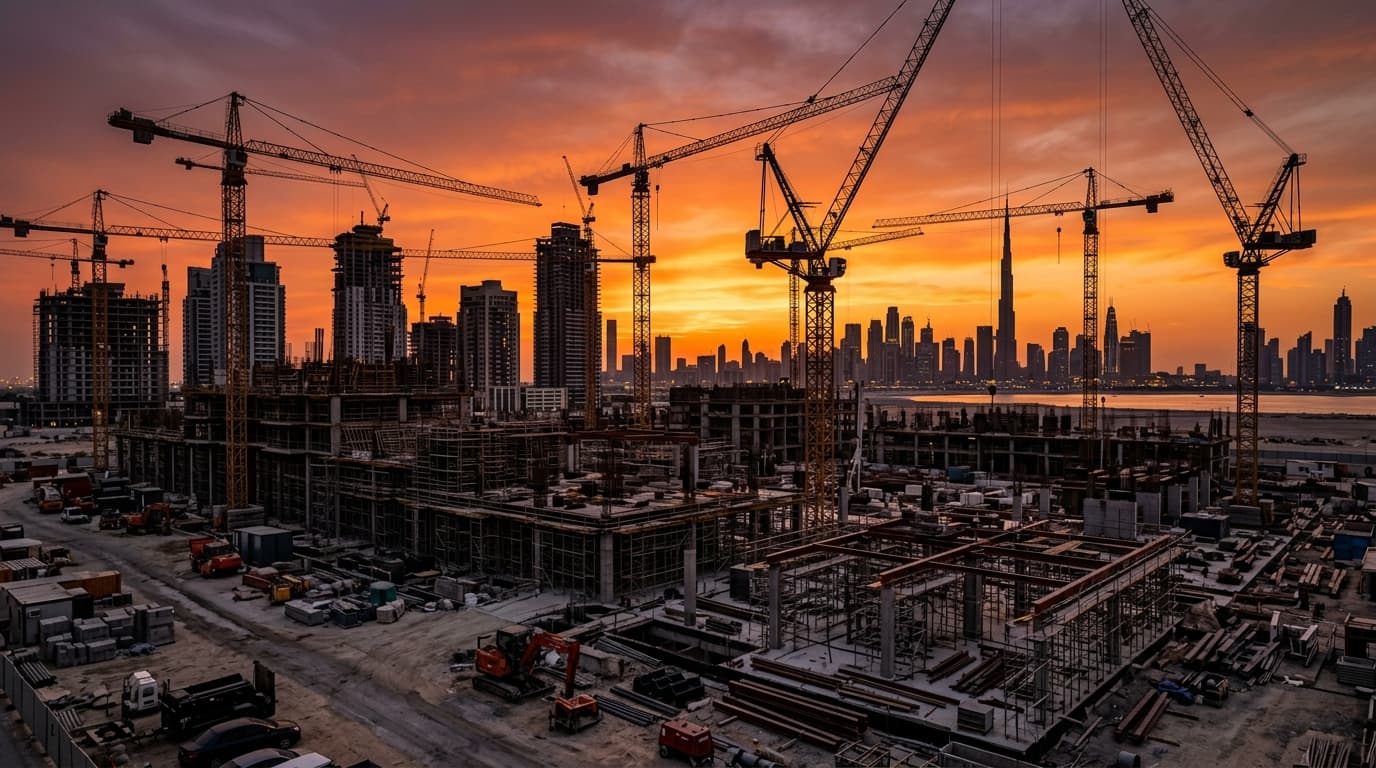
Watch delivery schedules, absorption rates by community, rental trends, and developer stock management closely in H2 2026 to judge how the 38% handover increase will affect prices and yields. Key signals to monitor include whether new supply clusters in specific districts, how quickly newly delivered units secure tenants, and whether resale listings rise relative to transactions. These indicators will show if added stock is being absorbed or if selective pressure is building in certain submarkets. Also track marketing and discounting behaviour from developers as they shift from presales to completed inventory sales. Active buyers should prioritise locations with proven rental demand and limited future supply near their asset. Investors who ignore delivery concentration risk overpaying in areas where absorption is weak; those who focus on quality and proven demand stand to protect yield and capital values as the market adapts.
- Delivery schedules: monitor cluster locations
- Absorption rates: tenant uptake for new stock
- Developer strategy: discounts on completed units
- Rental demand: submarket-level strength
The core takeaway is straightforward: handovers rose nearly 38% year-on-year in H1 2026, shifting Dubai into a delivery-led phase while prices and rents remained generally firm. The market outcome is now highly location- and product-specific, so micro-level supply, absorption and rental demand will determine winners and losers in H2 2026.
Binayah Editorial
Property Market Analyst
Our editorial team researches Dubai's real estate market, tracking DLD data, developer launches, and investment trends to keep buyers and investors informed.
Ready to Invest in Dubai?
Speak with our analysts about the best opportunities in today's market, free consultation.