Dubai luxury real estate market resilience amid regional conflict
Dubai luxury real estate market remains strong despite the US, Israel and Iran conflict, which has raised energy and transport cost concerns across the region.
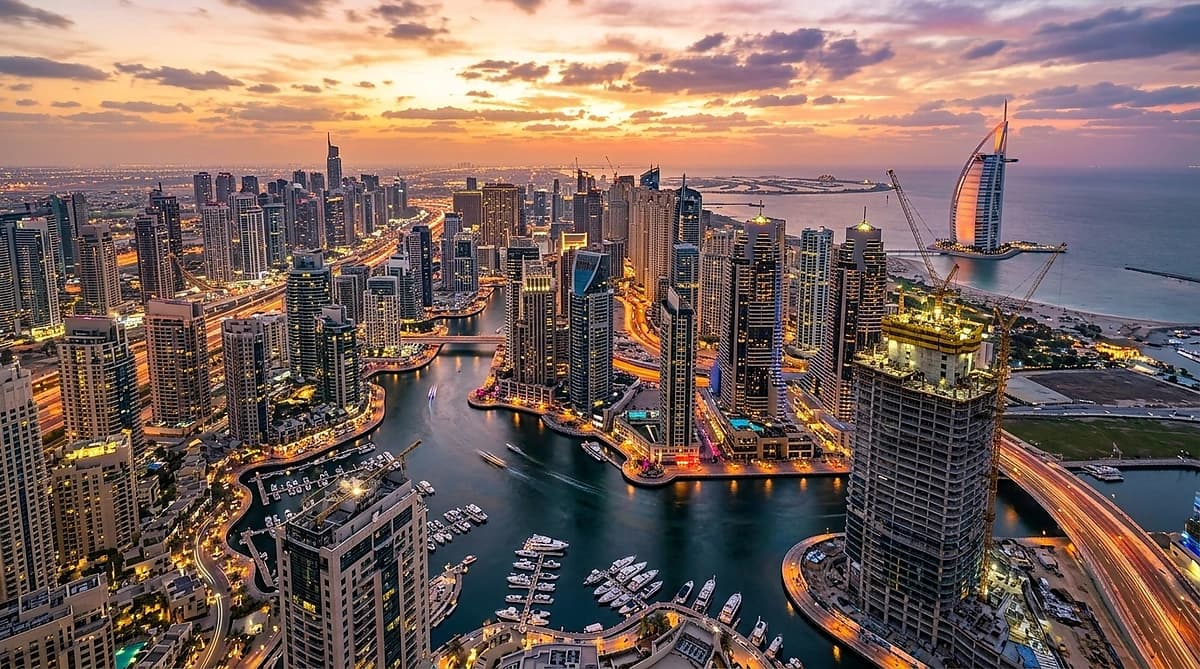
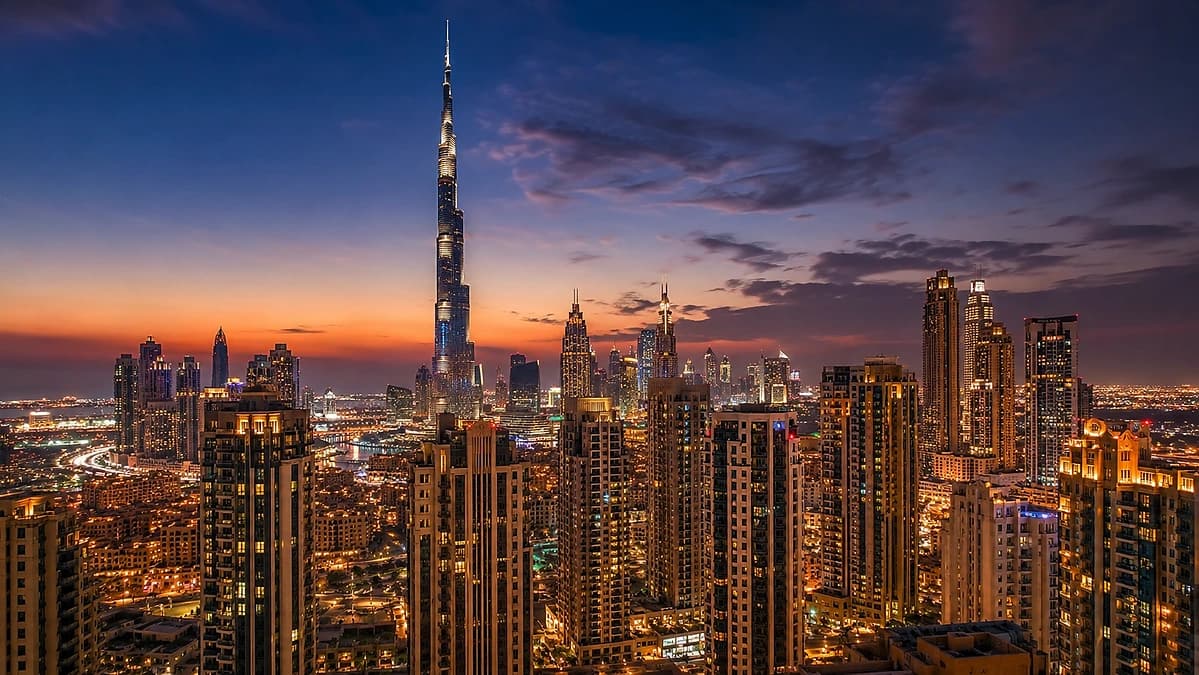
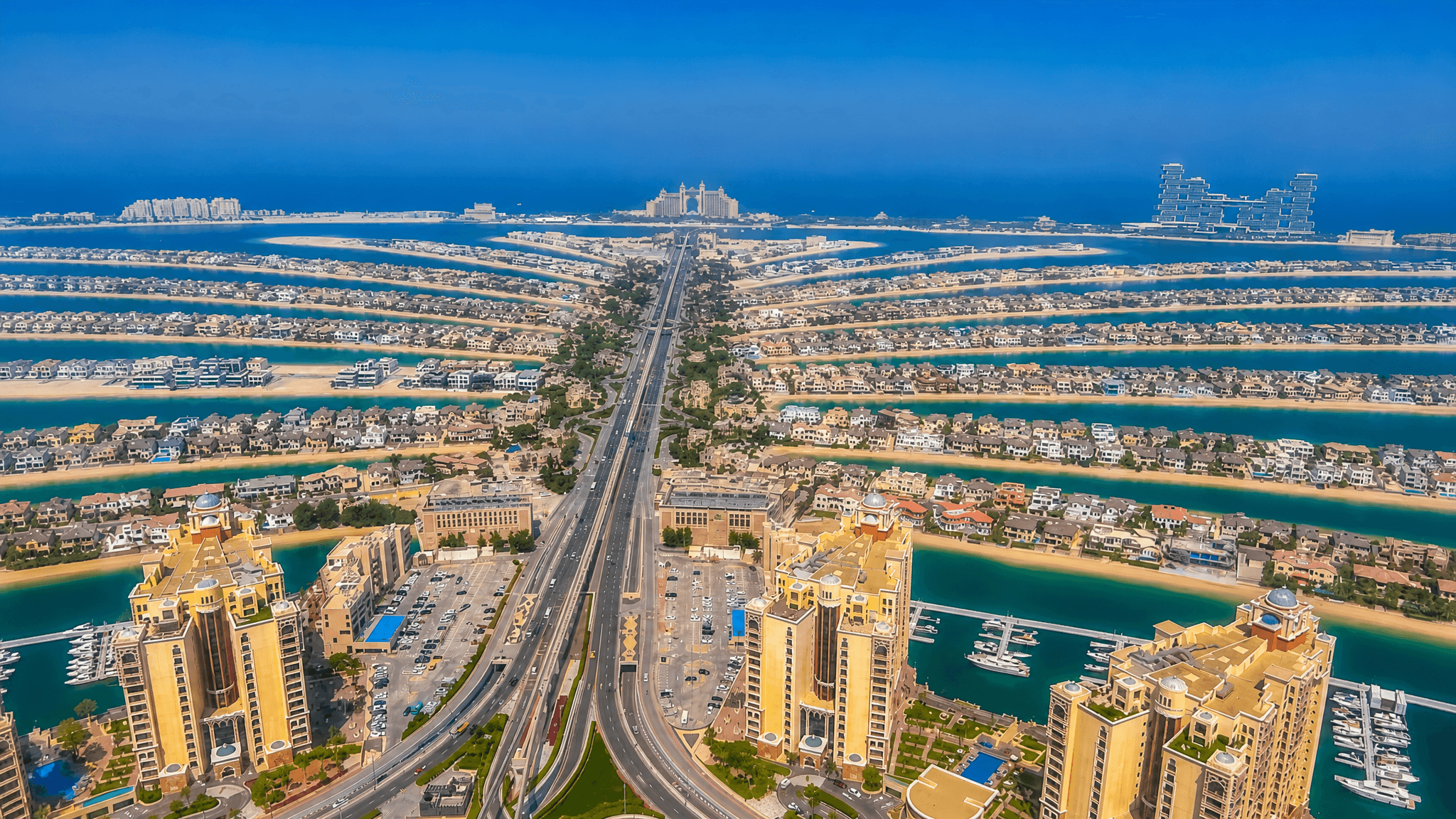
Arabian Business reported that the market’s strength has persisted even as the three-nation conflict pushed up transport costs and raised questions about energy supplies. That reporting aligns with on-the-ground activity we track: premium listings in Palm Jumeirah, Emirates Hills and Downtown Dubai show continued viewings and transactional interest despite wider economic headwinds.
The Binayah Research Team interprets this as a market driven by global capital, lifestyle demand and a scarcity of true luxury resale stock. While macro pressures exist, they are filtering into the Dubai luxury segment differently than into industrial or tourism-linked sectors, altering developer timelines and operating costs rather than stopping high-end buyer activity.
How resilient is Dubai luxury real estate amid regional conflict?
How resilient is Dubai luxury real estate amid regional conflict? Key Data
Market status
Resilient
Source
Arabian Business
Regional issue
US-Israel-Iran conflict
Buyer profile
High-net-worth
Dubai luxury real estate market has remained resilient despite regional conflict and cost pressures.
Local reporting and market observation show that buyers of prime homes have continued to transact and view properties even as the US, Israel and Iran situation raised concerns about energy supplies and pushed up transport costs. Arabian Business noted that strength persisted across the luxury segment; agents and developers reported steady enquiry levels in communities such as Palm Jumeirah, Emirates Hills and Downtown Dubai. This resilience reflects a buyer base that is less sensitive to short-term regional shocks and more focused on wealth preservation, lifestyle and long-term capital growth.
The immediate risks are higher transaction friction and rising construction and logistics costs for developers, which can widen delivery timelines and push up final prices. For investors, the nuance is timing: price resilience today does not guarantee immunity to prolonged supply-chain shocks or a worsening geopolitical escalation that could affect luxury demand from specific source markets.
Why is luxury less exposed to regional disruption?
Luxury real estate is less exposed to regional disruption because its demand drivers differ from mass-market housing and tourism.
High-net-worth buyers of Dubai luxury homes often prioritize capital preservation, lifestyle and residency options. These purchasers can absorb short-term transport or energy cost increases more easily than budget-sensitive renters or first-time buyers. Developers of premium stock also tend to have off-plan financing structures and buyer deposits that reduce immediate market exposure, although their operating costs can rise if logistics and materials become more expensive.
That said, luxury is not immune. Specific buyer markets can cool citizens from nations most affected by conflict may pause purchases and developers can delay handovers if supply chains are disrupted. Monitoring enquiry levels, off-plan handover schedules and developer communications is essential to assess whether resilience is holding or weakening.
| Impact area | How luxury held up | What to watch |
|---|---|---|
| Energy supplies | Limited direct exposure for finished luxury stock | Construction input costs and developer operating expenses |
| Transport costs | Buyers less price-sensitive to logistics-driven costs | Freight-driven delays that affect handovers and developer margins |
"Luxury demand in Dubai is anchored by global capital flows and lifestyle motives, which makes it more durable when compared with sectors reliant on local tourism or manufacturing."
, Binayah Research Team
What investor strategies and market signals should buyers watch now?
Investors should favour verified resale stock and projects with transparent handover schedules as primary defensive strategies.
Primary signals to watch include developer communications on delivery timing, observable enquiry and viewing volumes in communities like Downtown Dubai and Palm Jumeirah, and any reported increases in construction or logistics costs that could squeeze margins. Arabian Business coverage and on-market feedback both point to steady interest in prime stock even with higher transport costs. For capital preservation, many investors are prioritising full-title resale over off-plan where feasible, and instead targeting established luxury towers and villas to reduce delivery and counterparty risk.
Other practical strategies are to monitor which buyer nationalities sustain activity and to track rental demand as a liquidity backstop. If enquiry and transactions from key source markets begin to fall materially, or if developers delay handovers en masse, those are early warning signs to reassess exposure.
Key Insight
Investors should compare a developer’s handover history and escrow safeguards before committing to off-plan purchases; verified resale reduces counterparty and delivery risks.
What risks could change Dubai luxury real estate's outlook?
The main risks are a prolonged regional escalation and sustained supply-chain disruptions that materially increase costs or deter key buyer nationalities.
A short, sharp escalation often causes temporary pauses in viewings and slower deal conversion, but the market recorded continued strength in reporting cited by Arabian Business. More consequential scenarios include a lengthy disruption to energy routes or prolonged sanctions that affect buyers’ capital mobility. These outcomes could reduce foreign buyer activity and put downward pressure on near-term price growth for luxury segments concentrated on international purchasers.
Another risk is developer cost inflation causing new luxury launches to price significantly higher, which can compress short-term demand. Investors should therefore watch for clustered developer postponements, significant upward revisions to off-plan prices, and declines in enquiry levels from historically important buyer regions.
Arabian Business reporting and Binayah Research Team observations indicate Dubai luxury real estate market has stayed resilient despite the US, Israel and Iran conflict and higher transport costs. The core takeaway is that buyer motivations and scarcity of premium stock have so far insulated prices, but prolonged supply-chain disruption or a sustained pullback from key buyer nationalities would be the main risks to watch.
Binayah Editorial
Property Market Analyst
Our editorial team researches Dubai's real estate market, tracking DLD data, developer launches, and investment trends to keep buyers and investors informed.
Ready to Invest in Dubai?
Speak with our analysts about the best opportunities in today's market, free consultation.