Dubai healthcare real estate outlook
Dubai healthcare real estate is drawing growing investor attention as the city expands its medical services, clinics, home healthcare and digital health.
Citywide expansion of medical infrastructure and new healthcare services is creating fresh, location-specific demand that intersects with residential, retail and specialised commercial property. Private clinics and outpatient centres are opening near mixed-use developments, while home healthcare and telemedicine are reshaping what patients expect from neighbourhood access to care. For landlords and investors, the change is less about a single asset class and more about new tenant types, operating requirements and lease structures that matter to returns and risk.
Developers, operators and municipal planners are reacting to patient demand with clinics, diagnostic centres and integrated-care hubs that sit differently to traditional retail or office tenants. That creates potential for higher occupancy stability when assets are matched to operational needs, but it also raises licence, fit-out and compliance questions that investors must address before committing capital.
Why is Dubai healthcare real estate becoming a driver for property demand?
Why is Dubai healthcare real estate becoming a driver for property demand? Key Data
Trend
Rising
Tenant types
Clinics and home-care
Lease profile
Long-term specialised
Operational needs
Compliance and fit-out
Healthcare is becoming a driver for property demand because expanding medical services create new, reliable rental markets and change how space is used in key neighbourhoods.
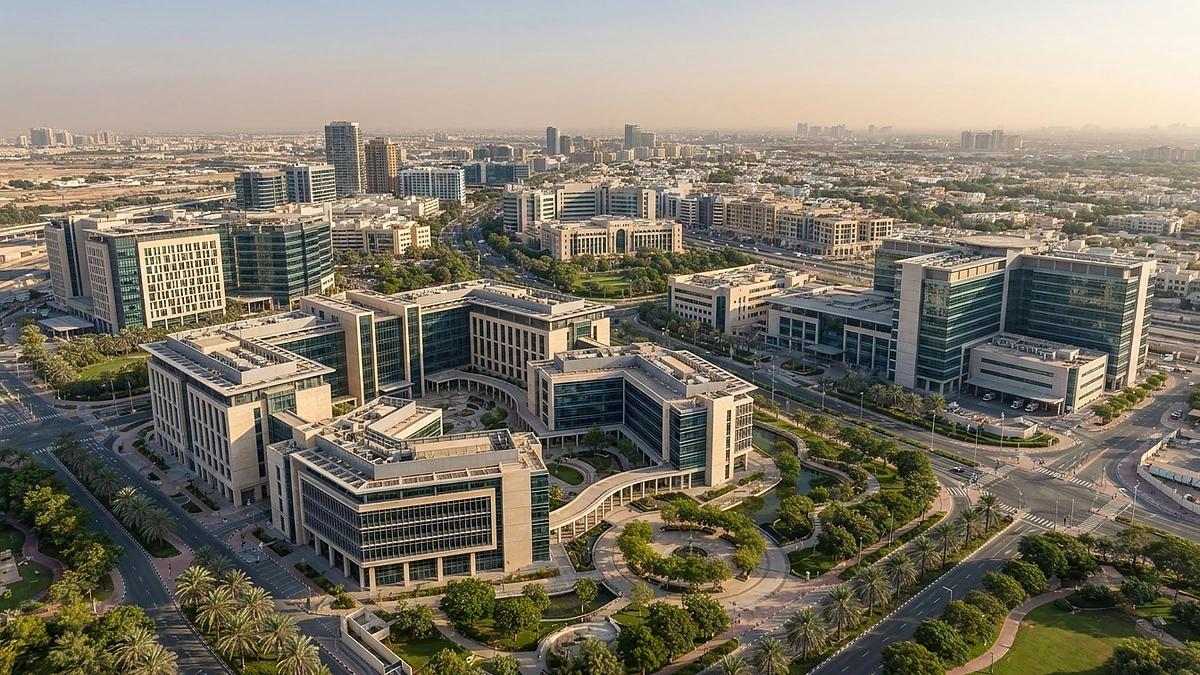
Public and private healthcare providers are opening more outpatient clinics, home-care operations and digital-health service centres, shifting demand from large hospital campuses to smaller, distributed facilities. That trend produces tenant types that seek long-term, specialised leases and landlords who can accommodate medical fit-outs. For property investors, this means different cashflow profiles and lease terms compared with retail or conventional office tenants.
The main nuance is operational complexity: medical tenants often require special electrical systems, waste management and regulatory approvals. These requirements increase upfront costs and influence leasing flexibility, so investors should plan capital reserves and verify licencing regimes before underwriting an acquisition or retrofit.
Where are Dubai healthcare real estate investment pockets most visible?
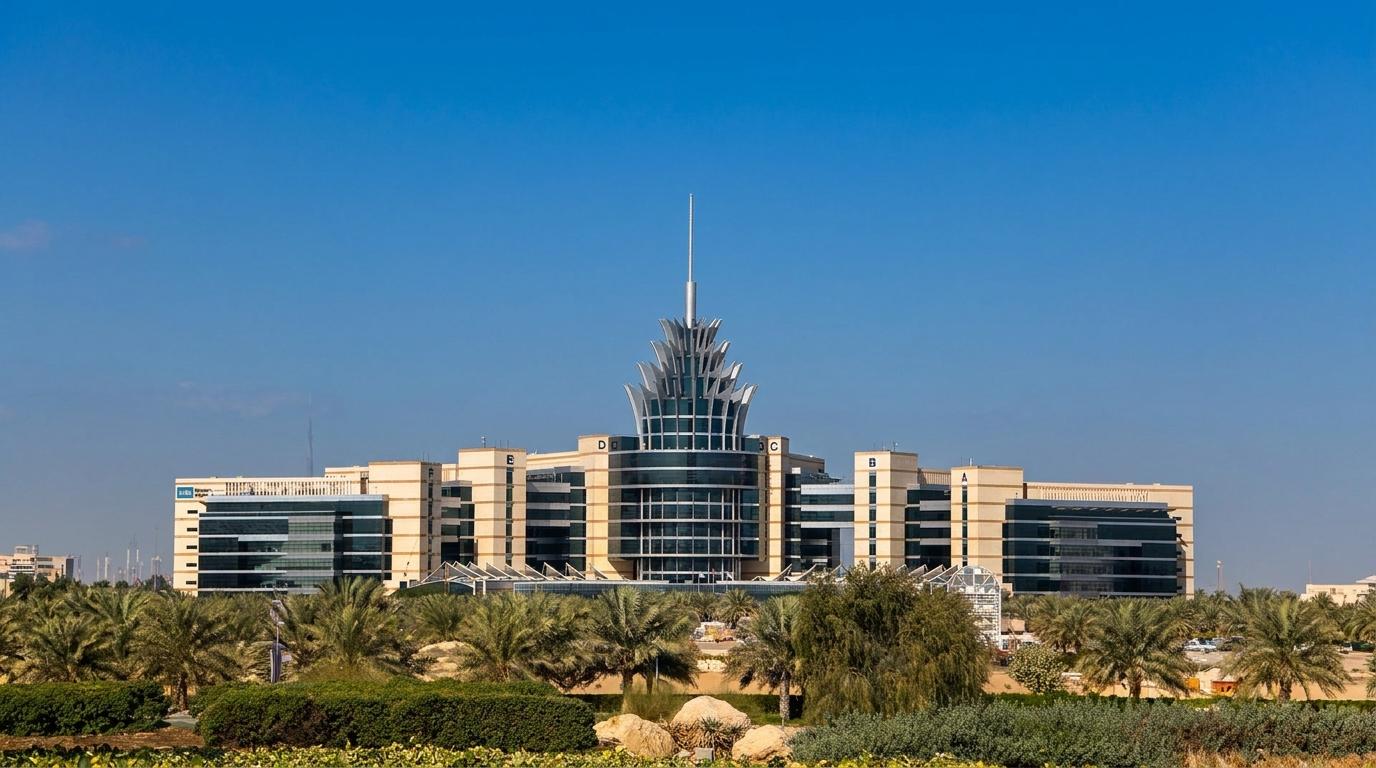
Investment pockets for healthcare real estate are most visible where population density, ageing cohorts and mixed-use development converge to support clinics and outpatient services.
Developers and operators are prioritising areas that combine residential catchment with easy access for patients. That produces visible activity in neighbourhood nodes rather than a single healthcare district. Investors should look for assets close to high-daytime populations and transport links because those locations deliver more consistent patient flow and stronger tenant interest. At the same time, smaller clinical units and shared-service models are emerging, which can lower entry costs for investors compared with large-scale hospital projects.
The strategic implication is to evaluate micro-location: proximity to GP referrals, pharmacy access and transport matters as much as headline community name. Investors should also map local service gaps to match clinic types to unmet patient demand rather than assuming every medical tenant performs the same.
| Service type | Typical location | Why investors notice |
|---|---|---|
| Outpatient clinics | Near residential and retail nodes | Stable footfall and long lease interest |
| Home healthcare hubs | Suburban catchments | Low capex fit-out, recurring service demand |
| Diagnostic centres | Accessible transport corridors | High service margins and referral traffic |
| Digital health operations | Office-light or co-working | Lower physical footprint, scalable |
"Mapping patient catchment and service gaps is the most reliable way to find healthcare real estate pockets that deliver consistent tenancy and operational resilience."
, Binayah Research Team
How are developers and landlords adapting to healthcare demand in Dubai?
How are developers and landlords adapting to healthcare demand in Dubai? Key Data
Design change
Clinical-ready shells
Leasing trend
Fit-out allowances
Service model
Shared back-of-house
Risk
Higher upfront capex
Developers and landlords are adapting by offering flexible layouts, compliance-ready shells and partnership-friendly lease terms to accommodate healthcare operators.
New-build projects are designing ground floors and podium spaces for clinic use, with stronger MEP capacity and separate access where needed. Landlords are adding tenancy allowances for medical fit-out and being more open to service agreements that reflect operator cashflow cycles. Some landlords facilitate shared back-of-house services such as sterilisation or sample transport to reduce operator costs and increase occupancy appeal.
Investors should note that adaptation increases capex at acquisition or pre-leasing and can extend vacancy during conversion. The upside is that well-structured adaptations can produce tenant stickiness and lower churn compared with traditional retail tenants, but the trade-off is a need for stronger operational due diligence and more active asset management.
Key Insight
Before fitting space for a medical tenant, confirm local licensing, waste-handling rules and permitted uses. Secure conditional tenant commitments to reduce conversion risk and budget for specialised MEP upgrades.
- Plan for medical-grade mechanical and electrical systems
- Negotiate clear fit-out and demising responsibilities
- Consider shared-service models to increase operator ROI
- Build contingency for longer conversion periods
What are the risks and practical considerations for investors in Dubai healthcare real estate?
What are the risks and practical considerations for investors in Dubai healthcare real estate? Key Data
Regulatory risk
Licensing and compliance
Capex risk
Specialised fit-out costs
Tenant risk
Operational viability
Exit risk
Cost of reconversion
The main risks are regulatory complexity, specialised capex and tenant operational viability, which together change the investment risk profile versus conventional assets.
Medical tenants require licencing, defined waste and infection-control processes plus sometimes bespoke fit-out and staffing commitments. These needs raise initial costs and require ongoing compliance monitoring, so investors should verify operator credentials and the scope of permitted clinical activities before closing. Lease structures should allocate responsibility for compliance, inspections and renewals to avoid unexpected liabilities.
Practically, investors must also plan exit scenarios: converting specialised medical space back to general use can be costly, and saleability depends on how easily another medical operator can occupy the asset. The prudent path is to underwrite conservative occupancy timelines and to obtain legal certainty on permitted uses with municipal authorities.
Dubai healthcare real estate is creating new, location-specific demand driven by clinics, home-care and digital-health services, and this is reshaping tenancy profiles and required building standards. Investors who match asset type to patient catchment and address regulatory, fit-out and operational questions can access more stable occupancy, while those who do not plan for specialised capex and compliance face higher conversion and exit risk.
Binayah Editorial
Property Market Analyst
Our editorial team researches Dubai's real estate market, tracking recorded sales, developer launches, and investment trends to keep buyers and investors informed.
Ready to Invest in Dubai?
Speak with our analysts about the best opportunities in today's market, free consultation.