Dubai financial hub: ranks 7th in Global Financial Centres Index
Dubai financial hub confirmed its strength as the city ranked 7th in the Global Financial Centres Index, driven by DIFC ambitions to reach top four by 2033.
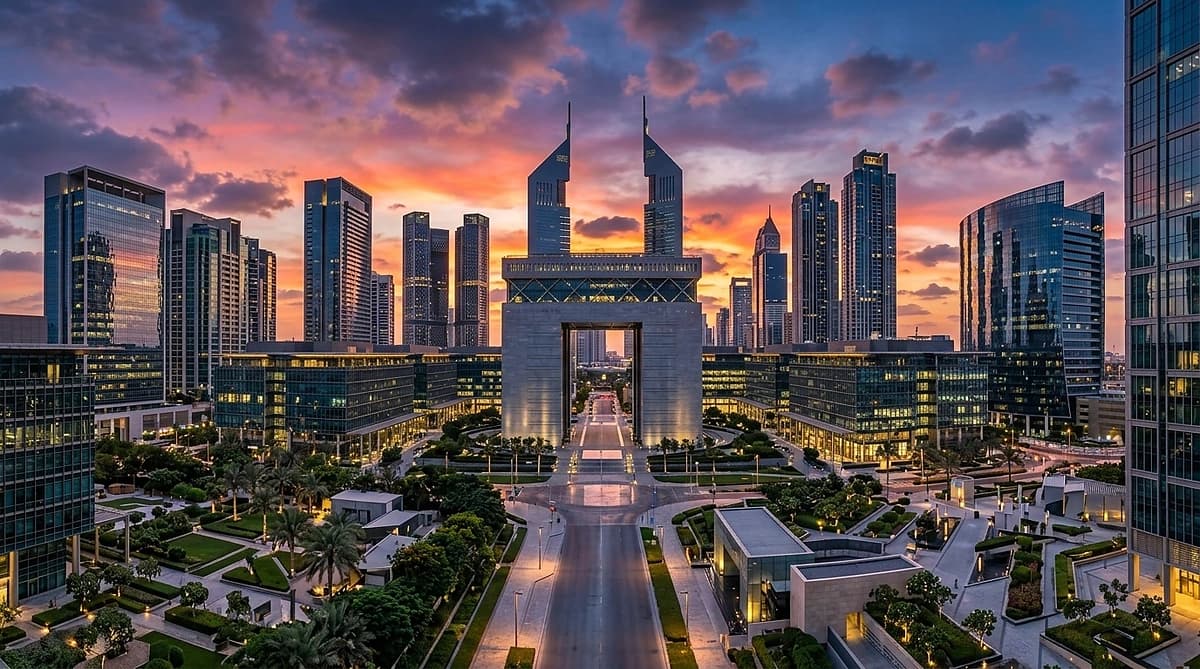
Dubai's placement at 7th in the Global Financial Centres Index is a clear signal that the emirate's financial ecosystem is gaining international traction. The index measures competitiveness across regulation, human capital, infrastructure and reputation. Binayah Research Team notes that Dubai's momentum is concentrated in the Dubai International Financial Centre, which is expanding services, approvals and legal frameworks to attract regional headquarters and asset managers.
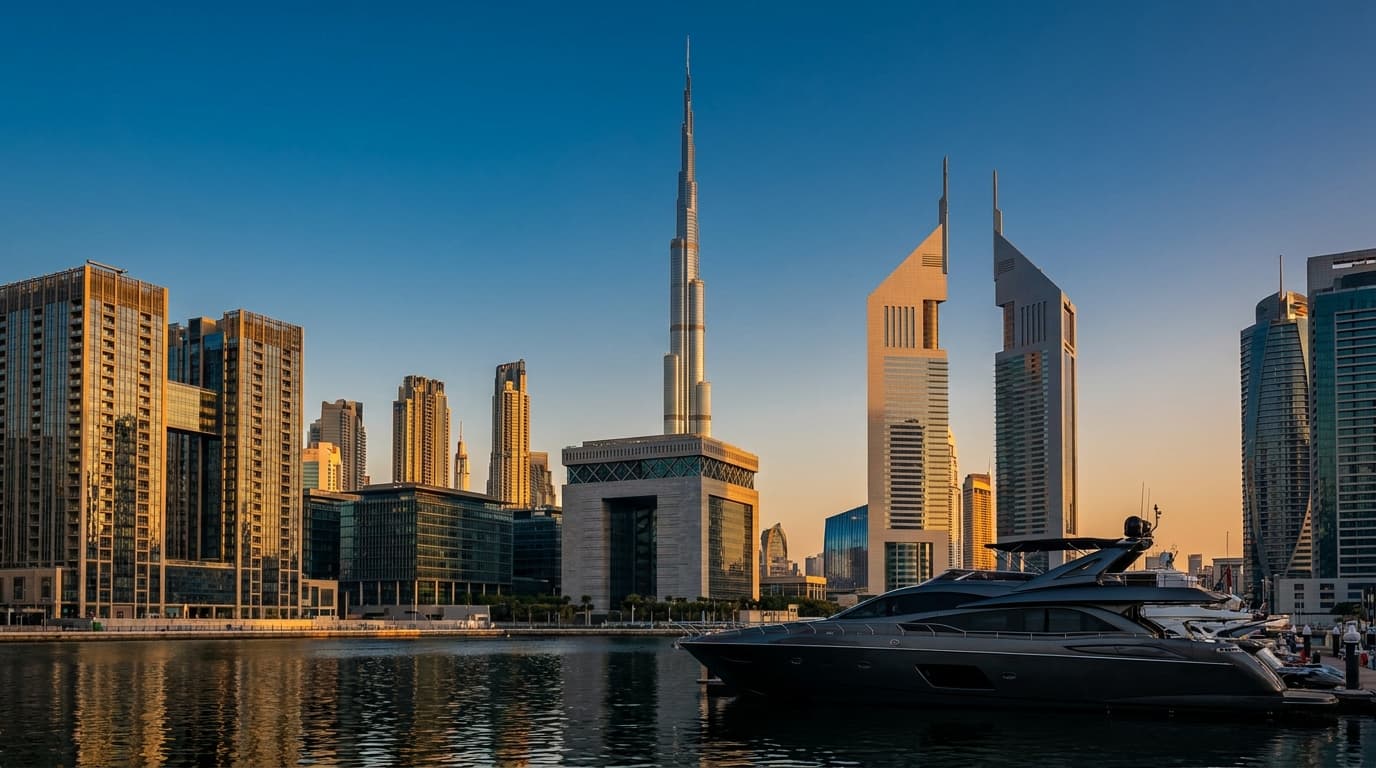
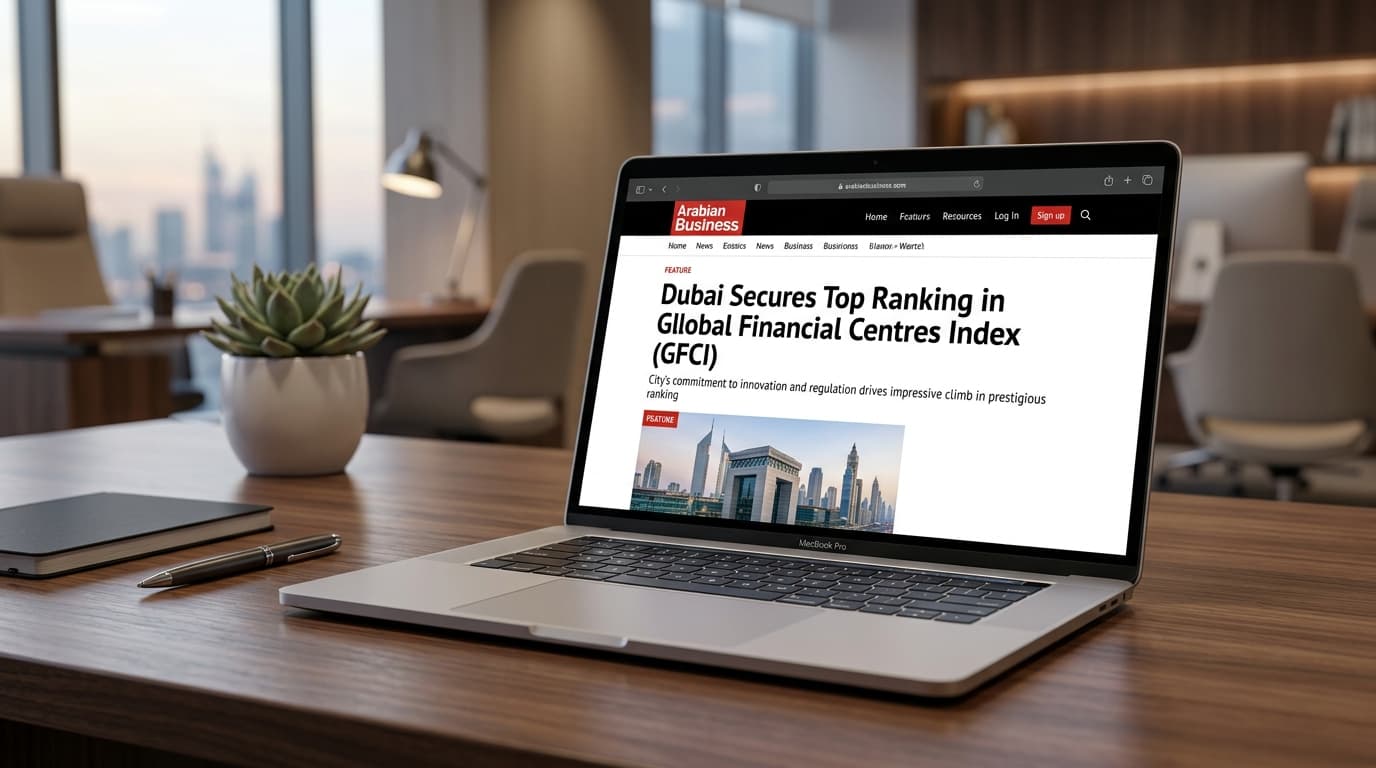
Arabian Business reported the ranking and highlighted DIFC's explicit ambition to be a top-four hub by 2033. For investors and developers this matters because higher financial-centre status tends to bring more cross-border capital, larger institutional tenants and stronger demand for Grade A office space and premium residences near DIFC and Downtown Dubai.
Why is Dubai a rising global finance city?
Why is Dubai a rising global finance city? Key Data
GFCI rank
7
Target year
2033
Source
Arabian Business
Key driver
DIFC expansion
Dubai is a rising global finance city because it placed 7th in the Global Financial Centres Index and DIFC is expanding to capture more regional capital.
The 7th-place ranking reflects improvements across governance, talent and infrastructure that index methodology measures. Arabian Business reported that DIFC's strategy is central to the climb, with DIFC focusing on attracting asset managers, family offices and specialist finance firms. That specialist demand typically lifts office rents and drives ancillary real estate value near financial clusters; higher demand can translate into stronger leasing metrics for neighbouring communities like Downtown Dubai and Business Bay.
The main nuance is that a higher ranking does not automatically equal immediate property-price gains. Policy delivery and firm relocations take time. Investors should watch DIFC licensing approvals, new office completions and any officially disclosed transaction counts to see if commercial demand is converting into sustained rent and capital appreciation.
"A rise to 7th place signals credibility for cross-border finance flows and raises the profile of nearby prime real estate."
, Binayah Research Team
Key Insight
Watch DIFC licensing and new office completions as early indicators of whether the 7th-place ranking translates into measurable leasing demand and rent growth around DIFC.
- GFCI 7th place improves investor confidence
- DIFC focus attracts asset managers and family offices
- Nearby communities benefit from spillover office and residential demand
What does the Global Financial Centres Index ranking show for Dubai?
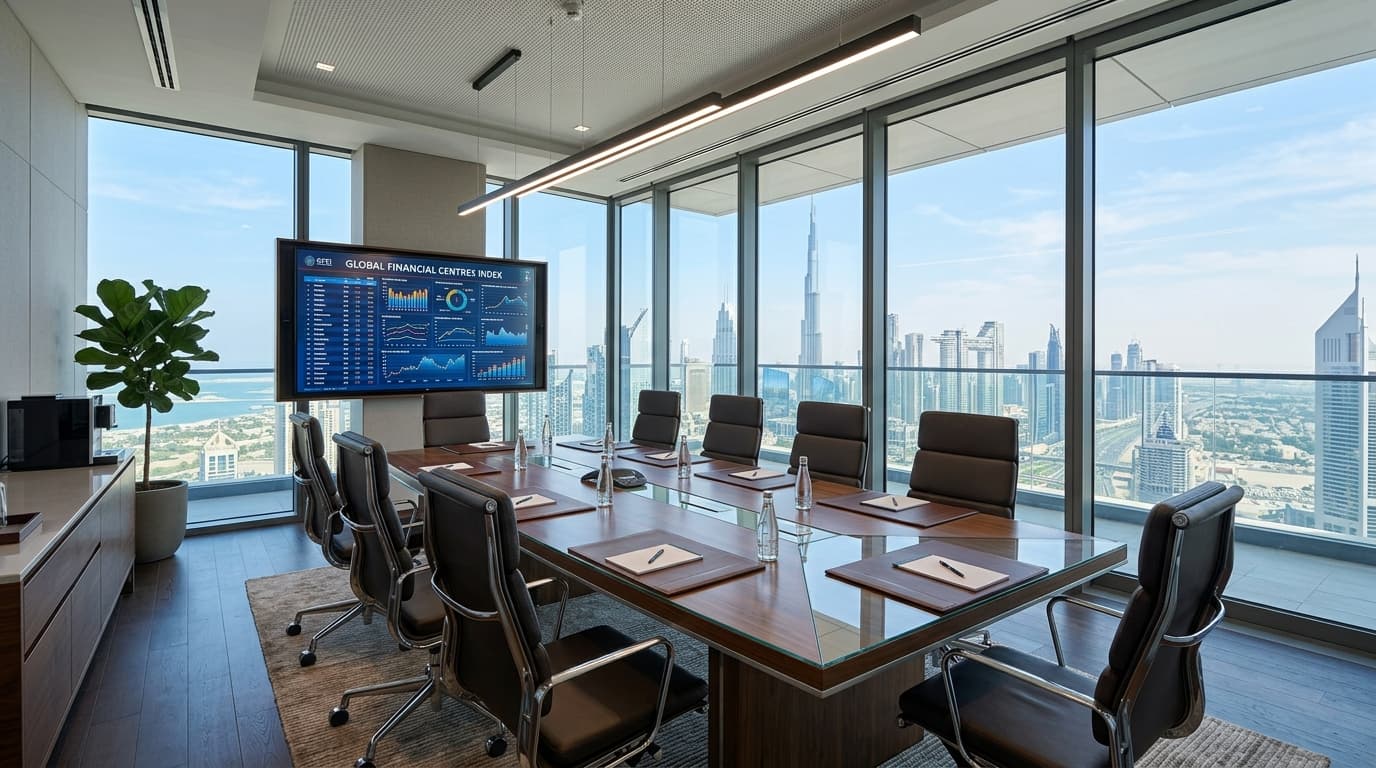
The Global Financial Centres Index shows Dubai is seventh strongest globally, indicating improved competitiveness in finance relative to peer cities.
The ranking is a composite measure of factors such as business environment, human capital, infrastructure and reputation. Arabian Business reported Dubai's 7th place and emphasised DIFC's role in governance and market development. For real estate, a higher index position typically precedes increased demand for Grade A office space and premium housing in proximity to the centre, which can push rental and capital values upward when corporates consolidate regional operations.
The risk to watch is that rankings are backward-looking and reflect momentum, not guarantees. Investors should pair the GFCI signal with on-the-ground metrics such as new corporate registrations, announced regional HQ moves and any official transaction counts to confirm whether sentiment is translating into tangible demand.
"GFCI rankings matter because they change perceptions among multinational firms deciding where to locate regional teams."
, Binayah Research Team
How is DIFC the engine behind Dubai's climb in finance?
How is DIFC the engine behind Dubai's climb in finance? Key Data
DIFC role
primary growth driver
GFCI contribution
cited by Arabian Business
Investor focus
asset managers, family offices
Long-term target
top four by 2033
DIFC is the engine behind Dubai's climb because it is expanding legal, regulatory and market infrastructure that attracts international financial firms.
Arabian Business specifically cited DIFC's ambitions as central to Dubai moving to 7th place and aiming for top four by 2033. DIFC's courts, regulatory framework and a growing roster of specialist finance firms improve the city's standing on indexes that value rule of law and market depth. For developers and landlords, DIFC-led growth often means stronger corporate leasing demand, higher Grade A office occupancy and more demand for nearby premium apartments from expatriate executives.
A strategic caveat is that success depends on execution: sustained inward investment, speed of licensing, and how DIFC integrates fintech, asset management and Islamic finance sectors. If DIFC accelerates approvals and attracts measurable numbers of new firms, that is the clearest path for the 2033 top-four objective to support long-term commercial and residential property values.
"DIFC's legal and regulatory upgrades make Dubai more attractive to regional headquarters and institutional capital."
, Binayah Research Team
Key Insight
Investors should monitor DIFC licensing volumes and announced regional HQ moves as leading indicators of office and premium residential demand.
- DIFC upgrades improve market credibility
- Regulatory environment attracts international capital
- Spillover demand lifts nearby prime real estate
What did Arabian Business report about Dubai's rise in the Global Financial Centres Index?
What did Arabian Business report about Dubai's rise in the Global Financial Centres Index? Key Data
Reported by
Arabian Business
GFCI placement
7
DIFC ambition
top four by 2033
Investor implication
watch licensing data
Arabian Business reported that Dubai climbed to 7th in the Global Financial Centres Index and highlighted DIFC's plan to target a top-four position by 2033.
The coverage framed the ranking as evidence of Dubai's strengthened financial ecosystem and named DIFC's policy and market developments as the central explanation. For readers assessing property implications, the report signals that policy intent exists at a high level; the practical effect on real estate will depend on the pace of new firm entries and office absorption in DIFC and adjacent areas like Downtown Dubai and Business Bay.
A measured reading of Arabian Business is useful: media reports confirm strategy and ambition, but investors should seek follow-up data such as DIFC announcements, licensing statistics and any official transaction counts before assuming an immediate uplift in rents or prices.
"Media confirmation of strategy is helpful, but convert statements into metrics before acting on property decisions."
, Binayah Research Team
Key Insight
Treat the Arabian Business report as a credible signal of intent; verify with DIFC licensing and corporate registration data before drawing investment conclusions.
- Arabian Business confirms ranking and DIFC ambition
- Policy intent can precede measurable market effects
- Follow-up data is essential for timing investments
Dubai's advancement to 7th in the Global Financial Centres Index, as reported by Arabian Business, signals stronger competitiveness with DIFC as the chief driver and a stated ambition to reach the top four by 2033. The practical investment question is whether DIFC can convert policy intent into measurable corporate relocations and leasing activity; investors should track licensing and transaction counts as the next definitive indicators.
Binayah Editorial
Property Market Analyst
Our editorial team researches Dubai's real estate market, tracking DLD data, developer launches, and investment trends to keep buyers and investors informed.
Ready to Invest in Dubai?
Speak with our analysts about the best opportunities in today's market, free consultation.