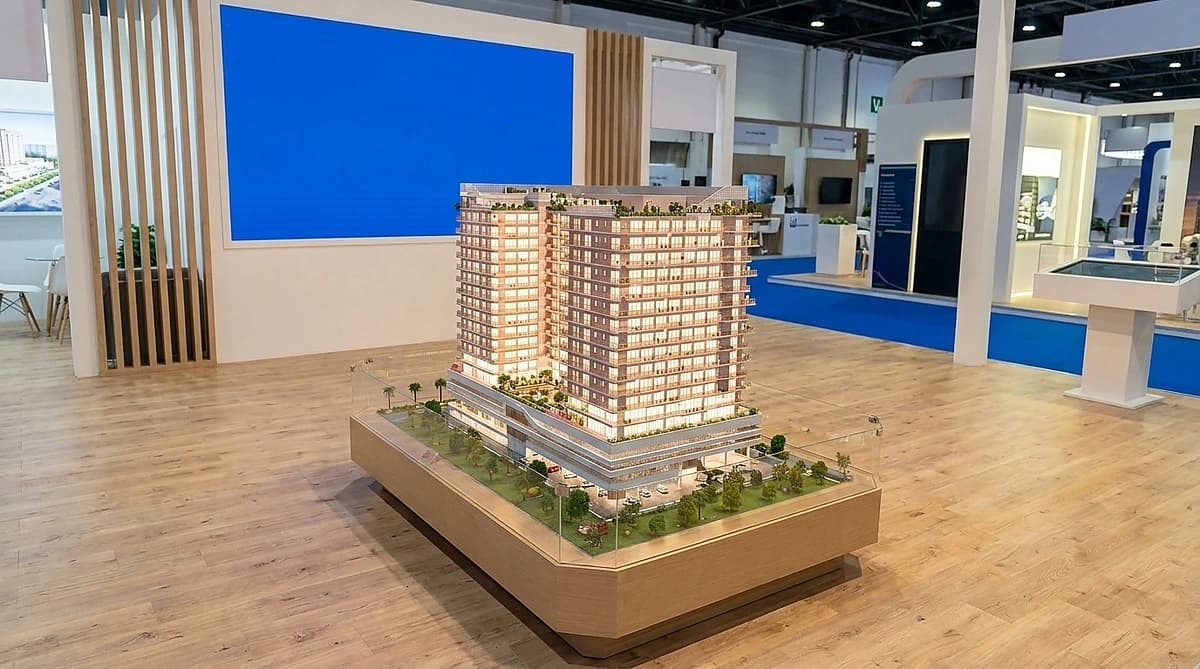
Dubai education plan: Knowledge Fund Establishment targets 35,000 seats
Dubai Knowledge Fund Establishment unveils a 2026 2028 Dubai education plan targeting 35,000 new school seats and $272 million in total investment.
What does the Dubai education plan from Dubai Knowledge Fund Establishment cover?
The Dubai Knowledge Fund Establishment plan covers creating 35,000 new school seats and mobilising $272,000,000 in investment across a 2026 to 2028 timeline, equivalent to about AED 998,920,000 using the 1 USD = 3.6725 AED peg. This is the core target announced and is the headline metric investors and communities should use when assessing the plan's scale.
The plan's published figures are limited to the headline targets: 35,000 seats and $272 million of funding between 2026 and 2028. The source does not list a line-by-line budget, developer partners, or exact project locations, so those details will follow in implementing documents or announcements. For context, AED 998,920,000 of capital over three years averages roughly AED 332.97 million per year, though the actual yearly drawdown will depend on project phasing and approvals.
The main nuance is that an institution-level plan headline does not guarantee uniform delivery across Dubai communities. Delivery depends on approvals, land allocations, private sector participation and operator capacity. Stakeholders should track follow-up releases from Dubai Knowledge Fund Establishment for school-level rollouts, since timing and neighbourhood uptake will affect local demand and planning risk.
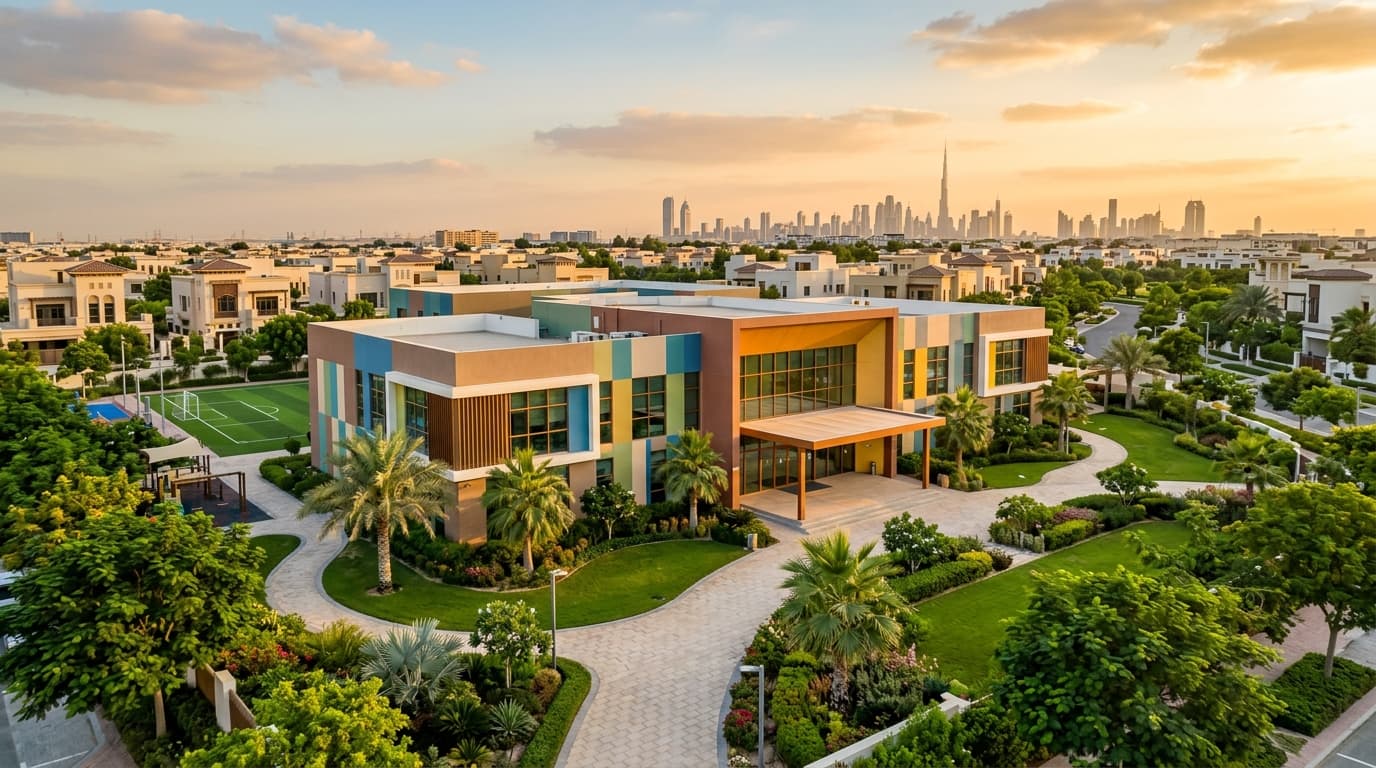
Why does the Dubai education plan matter for property buyers and local markets?
Why does the Dubai education plan matter for property buyers and local markets? Key Data
Seats
35,000
Investment
$272,000,000
Investment (AED)
AED 998,920,000
Timeline
2026 2028
The Dubai education plan matters because adding 35,000 seats and nearly AED 999 million in investment will change where families choose to live, supporting greater housing demand near new or expanded schools. Buyers seeking family housing should treat the plan as a supply-side signal that school capacity will grow between 2026 and 2028, which can influence neighbourhood desirability and long-term rental prospects.
New school capacity typically raises short-to-medium term demand for family-size homes in nearby communities, especially where quality operators locate. The announced $272,000,000 (about AED 998,920,000) is large enough to fund multiple new campuses or substantial expansion works, which could concentrate demand in communities with available plots or repurposable buildings. For buyers, this means properties within school catchments could see stronger occupancy and resale interest; for communities, it can mean upgrades in local retail and transport services.
The risk is timing and distribution: if the 35,000 seats are concentrated in a handful of neighbourhoods, the positive effects will be localised. If delivery is slower than planned, the market may price in the expectation and then correct. Buyers should monitor Dubai Knowledge Fund Establishment announcements and local municipal approvals to identify which communities will benefit first.
| Metric | Target | Timeline |
|---|---|---|
| New school seats | 35,000 | 2026 2028 |
| Investment (USD) | $272,000,000 | 2026 2028 |
| Investment (AED) | AED 998,920,000 | 2026 2028 |
"A large, targeted seat expansion changes housing demand patterns; the published $272m headline is the lever developers and local councils will watch."
, Binayah Research Team
How will the $272 million be deployed and what is the likely 2026 2028 timeline?
The announced deployment for 2026 2028 is a headline commitment of $272,000,000 to support 35,000 new school seats; detailed project-level allocations have not been published. The source confirms the overall funding and the multi-year window but does not break the sum into capital works, operational subsidies, or facility upgrades, so stakeholders must await implementation documents for specifics.
Given the available information, the only verifiable timeline is the three-year window 2026 to 2028 and the capital figure of $272,000,000 (AED 998,920,000). Without an official breakdown, typical public education funds use phased disbursements tied to approvals and project milestones, meaning cash flows will likely be staged rather than front-loaded. Any projection of percent splits, campus counts or per-seat costs would be speculative without a source disclosure.
The practical implication for market watchers is to treat 2026 as the start of a mobilisation phase and 2027 2028 as the primary delivery years, while expecting municipal approvals and operator selection to govern actual on-the-ground timing. Follow-up releases from Dubai Knowledge Fund Establishment will clarify whether funding goes to new builds, capacity upgrades, teacher recruitment or subsidies, which in turn determines where construction activity and local market impacts concentrate.
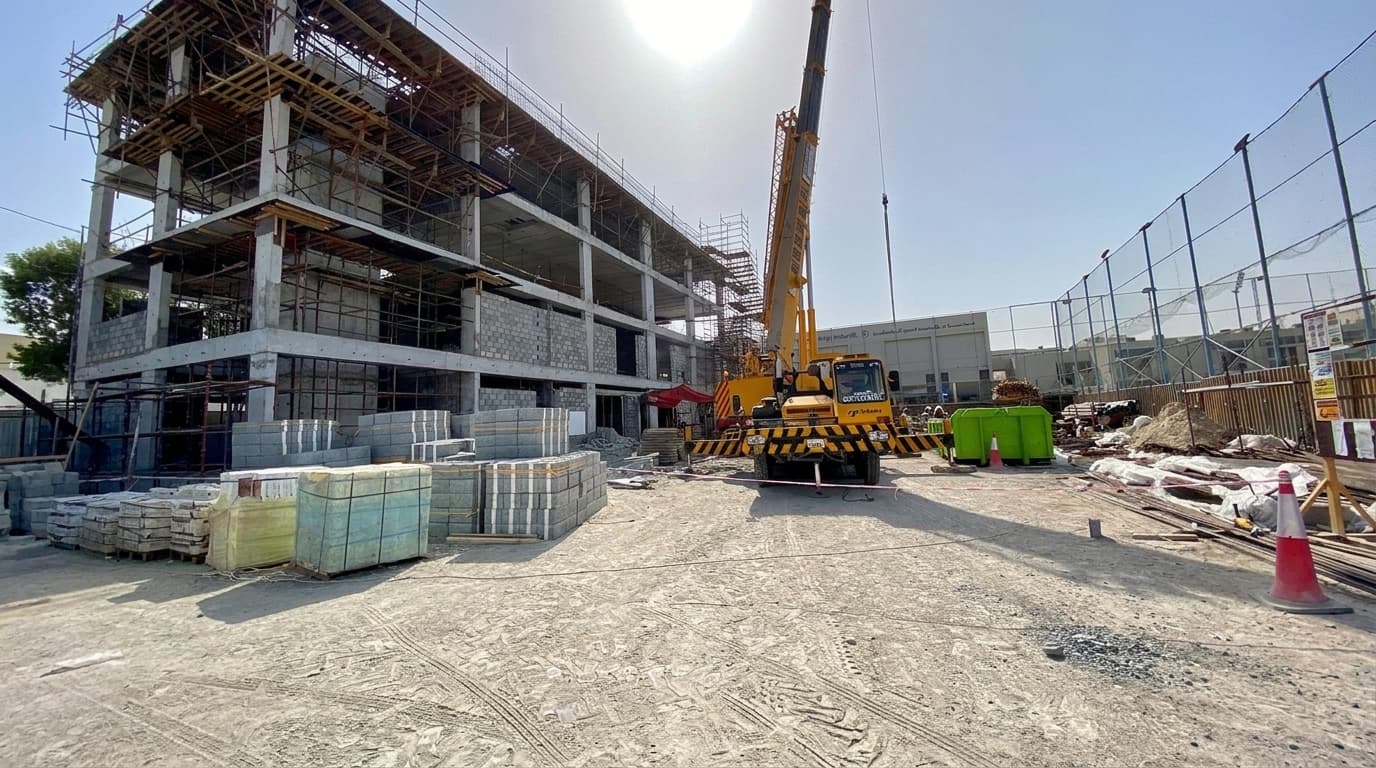
What are the market implications for landlords, developers and communities from the Dubai education plan?
Landlords and developers should expect changes in demand patterns where new school capacity appears, because 35,000 additional seats and nearly AED 999 million in funding are large enough to shift family housing needs in specific communities. The plan signals longer-term demand for larger units, proximity to schools and family-oriented amenities in the 2026 2028 delivery window.
For developers, the plan may increase appetite for residential projects that target families, and could raise land value in neighbourhoods designated for school development. For landlords, improved local school capacity can raise occupancy and reduce void periods for family-size apartments and villas. The headline numbers to watch remain 35,000 seats and $272,000,000 (AED 998,920,000); how those figures convert into local construction and school locations will determine the intensity of market effects.
Communities should anticipate staged impacts: initial planning announcements often raise speculative buyer interest, while actual rental or price uplift follows once school operators and project sites are confirmed. The main risk for stakeholders is overestimating the speed of delivery; the plan is a firm commitment at the headline level but operational detail and site-level approvals will shape real estate outcomes.
Dubai Knowledge Fund Establishment's 2026 2028 plan commits to 35,000 new school seats backed by $272,000,000 (about AED 998,920,000). The announcement sets a clear capacity target and a three-year window; however, market impact will depend on the geographic distribution and timing of detailed rollouts, which stakeholders should monitor closely.
Binayah Editorial
Property Market Analyst
Our editorial team researches Dubai's real estate market, tracking DLD data, developer launches, and investment trends to keep buyers and investors informed.
Ready to Invest in Dubai?
Speak with our analysts about the best opportunities in today's market, free consultation.