
Dubai economic plan: $272m incentives after 6.4% growth
Dubai economic plan unveils $272m in incentives and reforms, aiming to boost trade, jobs and property demand after 6.4% GDP growth.
Dubai’s new economic plan packages $272 million in incentives with fee reductions and targeted reforms, unveiled alongside a reported 6.4% growth and a $255 billion GDP figure. The measures focus on trade facilitation, logistics including virtual warehouses, and a national labour strategy.
What does Dubai's economic plan announce and why does it matter for property?
What does Dubai's economic plan announce and why does it matter for property? Key Data
Incentives
$272m
GDP
$255bn
Growth
6.4%
Focus
Trade, logistics, labour reform
Dubai’s economic plan announces $272 million in incentives, fee reductions and reforms aimed at trade, logistics and labour to sustain growth after a 6.4% expansion of the economy.
The package highlights three pillars that affect real estate: $272m in financial incentives, regulatory fee cuts and measures to boost logistics such as virtual warehouses. The plan was published alongside a reported GDP of $255 billion and a 6.4% growth rate, signalling policy intent to convert macro growth into more business activity and jobs. For property markets that often follow employment and commercial activity, this combination can raise occupancy and transaction volumes in targeted areas.
The immediate property implication is a shift in demand composition rather than a blanket price driver. Areas near logistics hubs and trade corridors could see stronger rental and leasing interest as businesses expand operations. The risk is uneven impact: central luxury markets may be less affected while mid-market rental segments near ports, free zones and industrial parks could record measurable demand uplift.
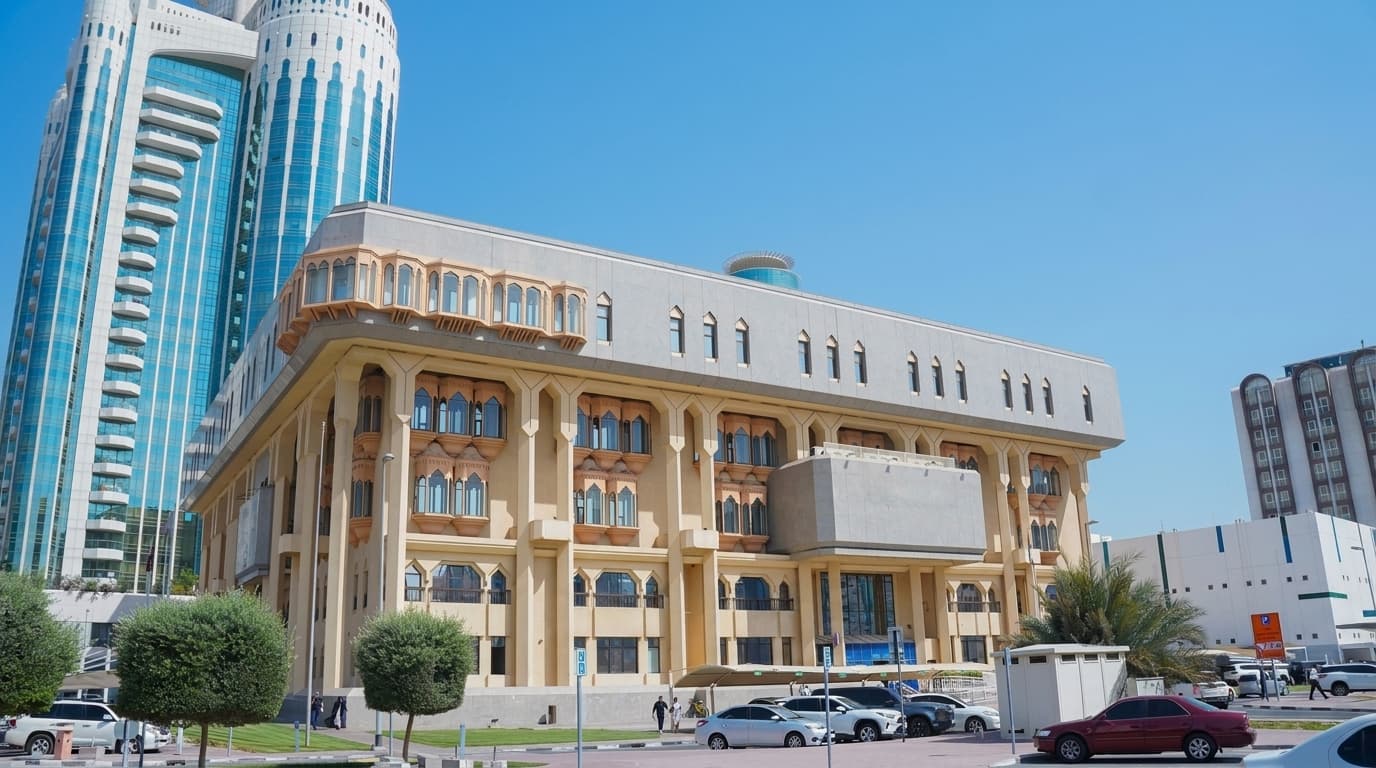
How will the $272m incentives and fee cuts support real estate demand?
The incentives and fee cuts are designed to lower operating costs and encourage business expansion, which can raise demand for commercial leases and worker housing near industrial hubs.
Lower fees directly reduce transaction friction for companies setting up or expanding in Dubai, while $272m in targeted incentives can underwrite new trade and logistics projects. When companies grow, they hire more staff and require warehousing and office space. That feeds into residential demand close to workplaces and can increase rental uptake in communities near free zones and ports. A rise in business activity following the plan would typically show as higher leasing velocity and a pickup in short term rentals in workforce-dense areas.
However, the scale and targeting of incentives matter. If incentives concentrate on large logistics players, the housing impact will be focused on specific submarkets. If fee cuts are broad but small, the policy may raise transaction volumes more than headline prices. Investors should watch early transaction counts and leasing enquiries in logistics-linked communities as the leading indicators of change.
| Measure | Scale/value | Likely property impact |
|---|---|---|
| Incentives | $272m | Support for trade and logistics projects, boosting nearby rental demand |
| Fee cuts | Not specified | Lower transaction costs that can increase sales and leasing velocity |
"Targeted incentives and transaction fee reductions are likely to accelerate leasing demand in logistics and mid-market residential segments as businesses expand operations."
, Binayah Research Team
How will logistics measures and virtual warehouses ripple through residential markets?
Logistics measures and virtual warehouses will increase demand for nearby worker housing and flexible commercial space, shifting rental growth into logistics corridors rather than only central areas.
Virtual warehouses speed up e commerce fulfilment without large retail footprints, and they tend to cluster near ports, free zones and transport nodes. As trade volumes rise under the plan, occupier demand for small warehouses and last mile hubs grows, raising employment in adjacent communities. That employment growth is the channel that affects residential markets: higher local jobs usually translate to stronger rental occupancy and shorter vacancy periods in nearby mid-market apartment blocks and serviced housing.
The nuance is location and tenure. Logistics-led demand benefits apartments within commuting distance of hubs and affordable villas used by families of mid-income workers. Prices in luxury central districts may not move, but submarkets such as Jebel Ali, Dubai South and industrial-adjacent areas could see rental pressure. Investors should track leasing rates and new logistics lettings as early signals of this ripple effect.
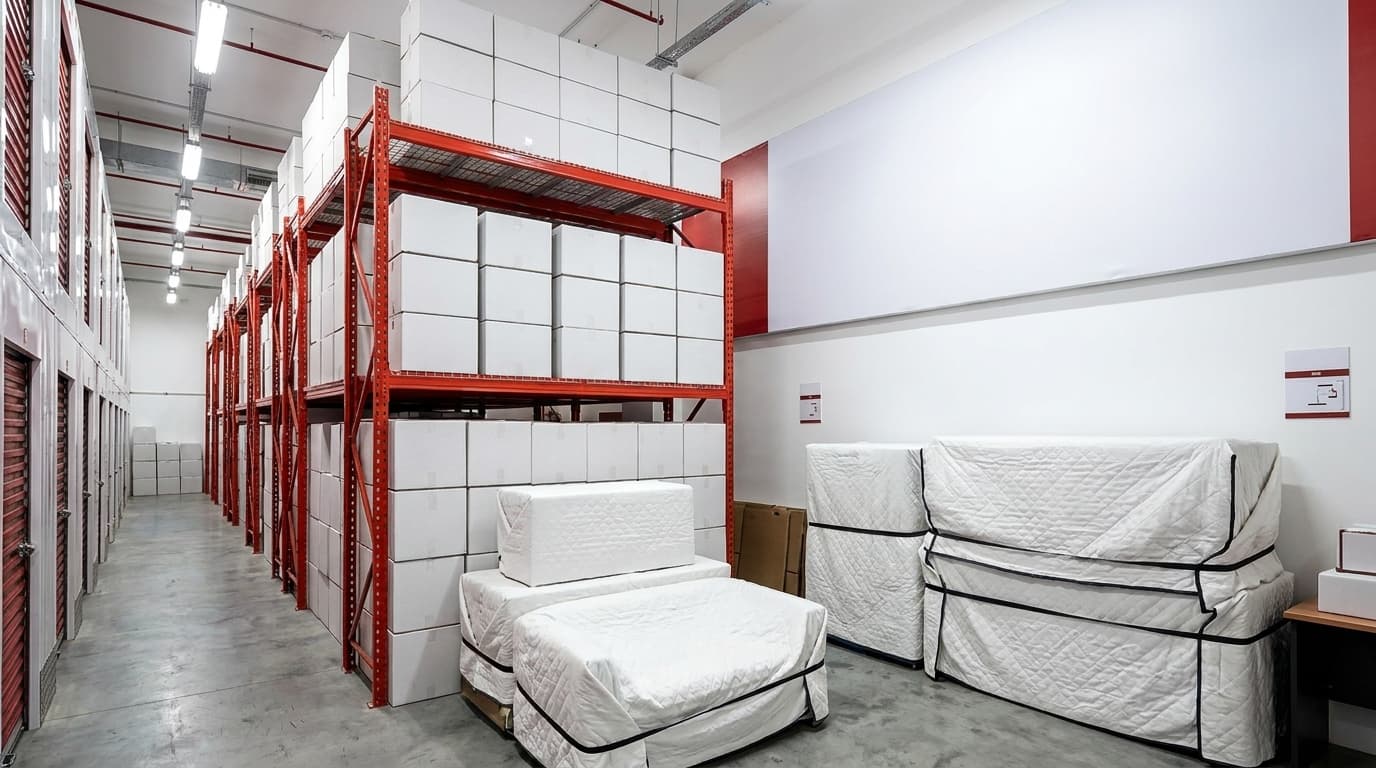
Key Insight
Logistics-driven demand usually shows first in occupancy rates and shorter vacancy periods near transport nodes. Watch leasing velocity and new employer registrations as the clearest early indicators of residential ripple effects.
- Virtual warehouses increase local warehousing and last mile staff demand
- Higher logistics activity typically raises nearby rental occupancy
- Impact concentrated in commuting distance to ports and free zones
What does Dubai's labour and jobs strategy mean for rental and sales markets?
Dubai’s labour and jobs strategy aims to grow employment and reform worker regulations, which can stabilise rental demand and support sales in workforce-focused communities.
Worker-focused reforms can increase formal employment and mobility, creating steadier demand for quality rental housing. The plan links employment measures with incentives and logistics growth, so the combined effect could be measurable increases in tenancy formation in areas serving port, warehouse and SME clusters. Stronger employment typically raises disposable income for households, supporting both rental payments and periodic buyer interest for smaller homes and apartments used by workers and managers alike.
Risks remain: if job growth concentrates in specific sectors or remains short term, rental demand will be cyclical. Long term rental stability depends on sustained hiring and on policy details that affect residency, work permits and company setup costs. Market participants should monitor official job creation figures and early changes in tenancy contracts in communities nearest free zones and industrial hubs.
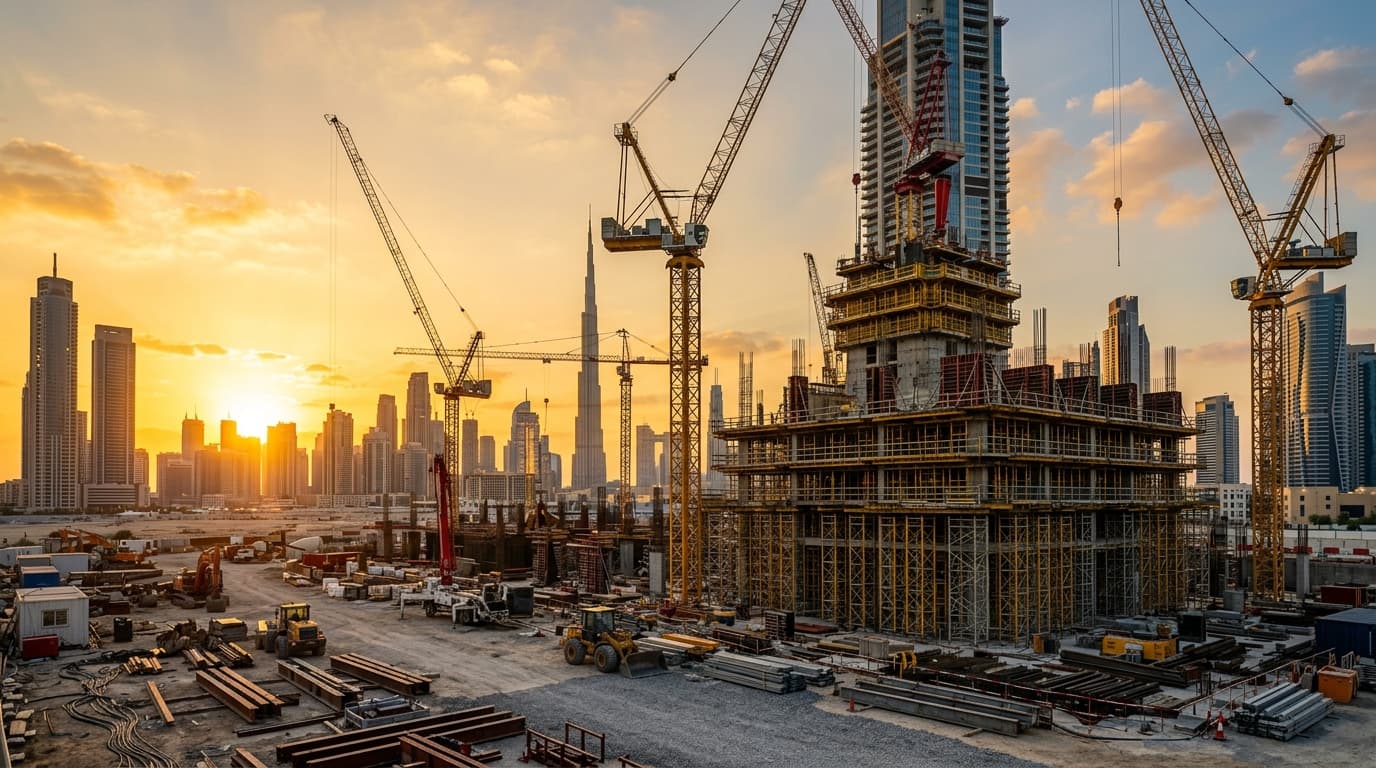
- Labour reforms support steady rental demand in workforce areas
- Employment-led housing demand can lift mid-market yields
- Concentrated job growth creates localized, not citywide, housing effects
Dubai’s economic plan pairs $272m in incentives with fee reductions and reforms aimed at trade, logistics and labour after a reported 6.4% growth and $255bn GDP. The policy mix is likely to shift demand toward logistics corridors and worker housing rather than produce uniform price rises across all segments. Watch leasing velocity in industrial-adjacent communities for the first measurable market signal.
Binayah Editorial
Property Market Analyst
Our editorial team researches Dubai's real estate market, tracking DLD data, developer launches, and investment trends to keep buyers and investors informed.
Ready to Invest in Dubai?
Speak with our analysts about the best opportunities in today's market, free consultation.