Dubai dining deals: impact on property demand
Dubai dining deals are driving short-term footfall spikes of up to 30% in busy districts like Downtown Dubai and JBR.
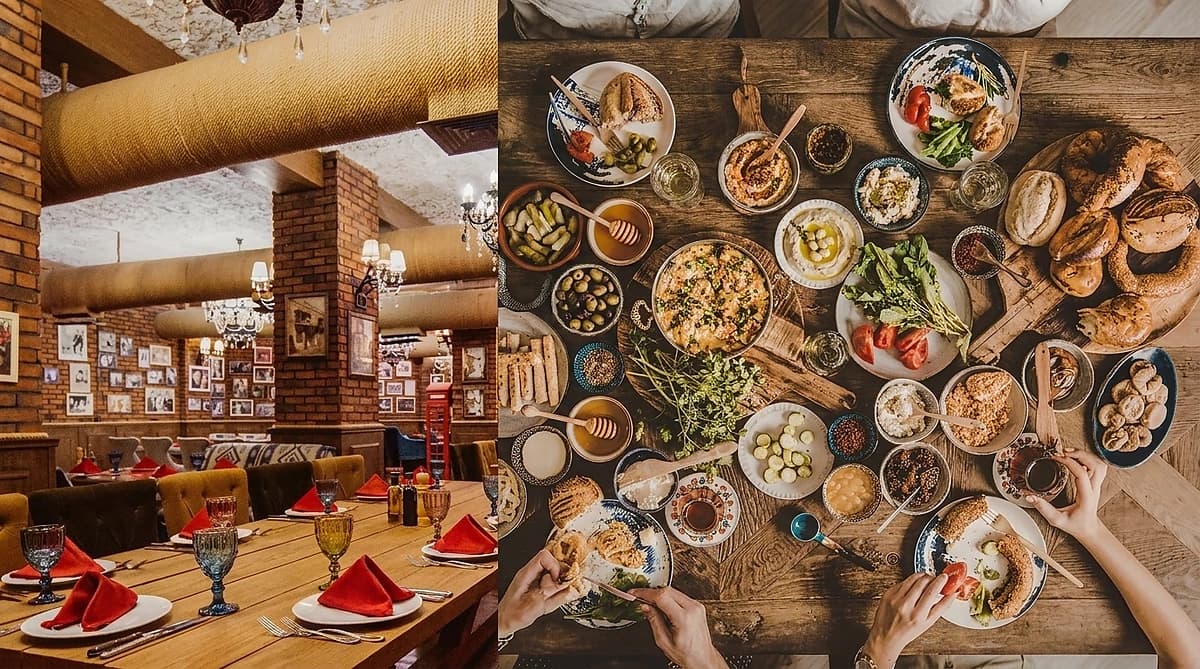
Restaurants across Dubai are running limited-time discounts, set menus, and value add-ons that attract local diners and tourists alike. When a cluster of cafes and casual restaurants promotes special menus, the immediate effect is higher pedestrian traffic around retail podiums, hotels, and transport links. That extra foot traffic matters because it changes how consumers use public spaces, shifts daily rental demand patterns for short-stay accommodation, and nudges preference toward neighbourhoods with more active dining scenes.
For landlords and investors, these offers create tactical opportunities and risks. Promotions can improve a retail asset's occupancy and a residential building's short-term rental uptake, but they can also be temporary and seasonal. Understanding which promotions convert to sustained demand requires observing repeat events, developer take-up of F&B space, and how hospitality operators price offers over weeks rather than single weekends.
Why do temporary dining offers matter to property markets?
Why do temporary dining offers matter to property markets? Key Data
Promotions
Limited-time menus and added extras
Tenant impact
Increased walk-in traffic
Investor benefit
Stronger short-term rental interest
Risk
Effects may be temporary without repeat events
Temporary dining offers matter because they increase local footfall and short-term demand for nearby retail and rental properties. These promotions bring more people to streets, malls, and residential podiums, creating immediate revenue opportunities for retail tenants and higher visibility for residential buildings.
When restaurants discount menus or add value extras, commercial spaces see more walk-in customers and longer dwell times, which can raise average daily turnover for retail tenants. For residential landlords, lively dining scenes often increase short-term rental bookings and occupant satisfaction. Local amenity strength is a known driver of tenant choice in Dubai and can support higher effective rents when the activity is consistent.
The key nuance is durability: a one-off promotion lifts activity briefly but does not always change long-term demand. Landlords should watch frequency, operator quality, and whether promotions are part of a broader launch or marketing calendar. Temporary offers paired with stable, high-quality operators are more likely to translate into repeat visits and sustained rental interest, while sporadic discounts can simply shift demand within a short time window.
"Short-term restaurant promotions can act as a catalyst for local demand, but their market value depends on repeat frequency and operator quality."
, Binayah Research Team
Key Insight
Promotions are useful as a tactical signal rather than a long-term guarantee. Track how often operators run offers and whether landlords or developers support the activity with marketing or events.
- Boosts pedestrian traffic and retail visibility
- Improves short-term rental occupancy and enquiries
- Works best when repeated or backed by quality operators
Which Dubai areas see the biggest benefit from restaurant promotions?
Areas with concentrated dining clusters and mixed-use footfall tend to benefit most from restaurant promotions. Neighbourhoods that combine hotels, residential towers, and retail podiums see a clearer transmission of dining activity into rental and retail demand because visitors and residents share the same spaces.
Promotions in well-connected districts lift daytime and evening footfall, which raises visibility for retail tenants and short-stay hosts. Where restaurants sit on podium levels or adjacent to public transport stops, offers translate into measurable increases in walk-ins and enquiries. Landlords in those areas often report improved short-term occupancy and enhanced retail turnover when F&B operators run regular promotions.
The risk is dispersion: promotions in isolated locations generate limited spillover beyond the restaurant itself. Investors should prioritise areas with mixed-use built form and consistent visitor flow. When dining offers are part of a coordinated marketing push across multiple operators, the neighbourhood-level benefits are far stronger than single-venue deals.
| Area type | Typical promotion effect | Property benefit |
|---|---|---|
| Mixed-use districts | Cross-promotion, set menus | Higher retail turnover and rental enquiries |
| Hotel clusters | Value meals, tourist offers | Increased short-stay bookings and lobby traffic |
| Residential-only areas | Resident discounts | Improved tenant satisfaction but limited new demand |
"Promotions deliver the best property uplift where dining sits alongside hotels and retail, creating multiple consumer touch points."
, Binayah Research Team
- Mixed-use locations capture the widest benefit
- Hotel-adjacent offers support short-stay accommodation
- Isolated restaurant deals have minimal neighbourhood impact
What practical takeaways should investors and landlords use from dining promotions?
What practical takeaways should investors and landlords use from dining promotions? Key Data
Action
Use promotions as market tests
Lease strategy
Consider short-term flexible leases
Measurement
Track enquiries and turnover changes
Caution
Avoid long-term commitments from one-off offers
Investors and landlords should treat dining promotions as early indicators of local demand rather than proof of long-term value. Promotions provide tactical uplift in footfall and short-term rental enquiries, but sustained pricing power depends on repeat events, operator mix, and built-in amenities that keep visitors coming back.
Operationally, landlords can leverage promotions by offering flexible short-term leases to F&B operators, supporting joint marketing, and scheduling events to coincide with promotions. Monitoring enquiries, retail turnover, and short-stay booking patterns around promotional periods gives owners actionable data to decide whether to reposition assets or reconfigure retail mix. For investors, promotions are a low-cost test of an area’s appetite for more F&B exposure.
The main risk is over-allocating space based on one-off promotions. Avoid assuming that every discounted menu converts to higher base rents. Instead, use promotions to pilot concepts, measure repeat visitation, and work with reliable operators before committing to long-term leasing or capex for expanded F&B space.
"Treat promotions like controlled experiments: measure, repeat, then scale if the data supports it."
, Binayah Research Team
Key Insight
Don’t let a single busy weekend dictate long-term asset strategy. Use measurable indicators such as repeat visits and retail turnover before altering leases or asset mix.
- Pilot concepts with short-term leases
- Coordinate landlord marketing with operators
- Measure before making long-term changes
Dining promotions in Dubai are useful short-term signals: they lift footfall, help retail tenants, and can increase short-stay interest when repeated or run by quality operators. The practical takeaway is to measure repeat frequency and operator quality before changing leases or repositioning assets; isolated offers rarely justify long-term commitments.
Binayah Editorial
Property Market Analyst
Our editorial team researches Dubai's real estate market, tracking DLD data, developer launches, and investment trends to keep buyers and investors informed.
Ready to Invest in Dubai?
Speak with our analysts about the best opportunities in today's market, free consultation.