
Dubai business support: current initiatives and property impact
Dubai South and Dubai government announced new business support initiatives such as rent relief and free retail space to help companies reduce costs and increase exposure.
Dubai business support now spans several pilot programs across the city that target cost reductions and visibility for small and medium enterprises. The measures range from rent relief to complimentary retail slots in busy districts, plus flexible leasing options aimed at short-term cashflow relief. These are operational initiatives run by city authorities and strategic hubs like Dubai South.
For property owners and tenants the initiatives change commercial dynamics by creating temporary demand pockets, altering footfall patterns and shifting negotiation leverage. Understanding which programs are active, which authorities run them and how long they last will be essential for leasing, renewals and short-term investment decisions in Dubai.
What does Dubai business support include?
What does Dubai business support include? Key Data
Relief types
Rent relief and free retail space
Primary provider
Dubai government and Dubai South
Objective
Lower operating costs and boost visibility
Target
SMEs and retail operators
Dubai business support includes several cost-reduction and visibility measures such as rent relief, free retail space and flexible lease terms designed to help companies operating in the city. These initiatives are intended to reduce immediate operating costs and give firms higher exposure in high-traffic locations.
The package of measures typically mentioned in public briefings covers rent relief and complimentary retail spaces in key destinations, alongside flexible leasing options rolled out by authorities and strategic zones such as Dubai South. While no single nationwide program has been named in the source, the initiatives are described as targeted and practical, aimed at lowering short-term overheads and improving storefront presence in busy districts.
The practical effect for a tenant is a short-term reduction in cash outlay and a chance to test new locations with lower risk, while landlords face temporary revenue adjustments and must weigh community benefits versus immediate yield. For landlords, the risk is timing: if relief is temporary, lease markets could re-normalise quickly once programs end, requiring careful contract clauses and contingency planning regarding rent schedules and tenant retention.
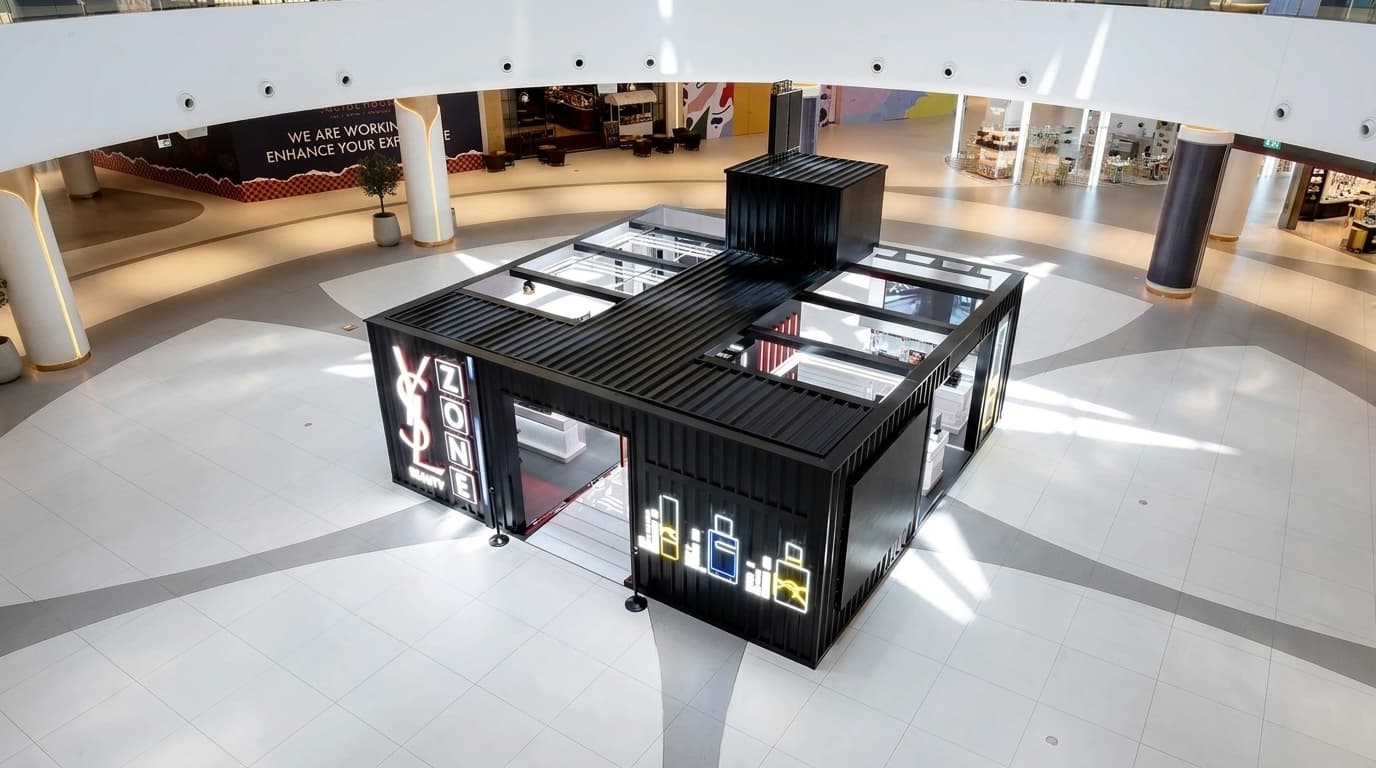
Where can businesses find Dubai relief and who runs it?
Businesses can find Dubai relief through city authorities and dedicated economic zones such as Dubai South, which are named in public announcements as active providers. These entities are coordinating targeted offers including rent concessions and free retail slots in high-footfall areas.
Relief appears to be distributed through a mix of municipal initiatives and special-zone programs rather than a single central fund. Dubai South is cited as introducing flexible measures, while other government-backed channels manage pop-up retail opportunities and temporary rent relief aimed at keeping streets active and supporting SMEs. The source frames these as locally administered interventions that vary by location and property type, so businesses should verify eligibility and duration with the administering authority for any specific offer.
For landlords and property managers the key administrative detail is who issues approvals and how terms are documented. Programs run by authorities typically come with eligibility criteria, application procedures and defined timeframes; landlords should request written guidelines and confirm whether any relief requires contract amendments or formal escrow arrangements to ensure legal clarity.
| Provider | Typical program type | Where active | Who benefits |
|---|---|---|---|
| Dubai South | Flexible leasing and operational support | Dubai South precincts and logistics hubs | SMEs, logistics and retail operators |
| Municipal authorities | Free retail slots and temporary rent relief | High-footfall districts across Dubai | Retail tenants and new market entrants |
"Targeted relief administered by specific zones keeps approval pathways clear and helps match support to local demand patterns."
, Binayah Research Team
How does Dubai business support affect property and leasing decisions?
How does Dubai business support affect property and leasing decisions? Key Data
Tenant impact
Lower short-term operating costs
Landlord impact
Temporary revenue adjustments
Strategic risk
Short-term market distortions
Action
Negotiate clear temporary clauses
Dubai business support changes leasing dynamics by reducing short-term tenant costs and increasing the attractiveness of trial or pop-up locations. That can shift negotiation leverage toward tenants for the duration of the relief measures.
When rent relief or free retail space is available, tenants gain room to test locations with lower upfront risk and landlords may need to accept shorter terms or revised rent schedules to keep occupancy. While the source does not provide hard AED figures or percentage impacts, it emphasises that these measures are meant to stabilise business activity and preserve footfall in key areas. Landlords should therefore expect a temporary change in cashflow patterns and a need for negotiation flexibility, such as staged rent or performance-linked clauses.
Strategically, investors and asset managers must consider the temporary nature of relief and avoid assuming permanent yield changes. Property valuations and leasing strategies that over-react to short-term relief risk mispricing long-run income; instead, plan for contingency clauses, clear contract timelines and exit conditions that reflect when municipal or zone-run support programs will revert to market norms.
Key Insight
Landlords should document any relief period in writing and include clauses clarifying rent reversion dates and tenant obligations to avoid disputes when programs end.
What practical steps should businesses and landlords in Dubai take now?
Businesses and landlords should confirm program eligibility, get written terms and align lease contracts with any announced relief. Clear documentation is the single most important immediate step to protect both sides during temporary programs.
Tenants should contact the administering authority for each program to verify availability, duration and any application steps, and then request written confirmation from landlords before relying on concessions. Landlords should seek formal program guidelines and, where relief affects rent receipts, consider short-term contract amendments that specify reversion terms and any performance-related conditions. The source highlights administrative support and flexibility but does not provide precise program timelines, so verification is essential.
Operationally, both parties should treat relief as a temporary market adjustment: tenants can use the window to stabilise cashflow or test new retail concepts, while landlords should plan for occupant retention after relief ends. Maintain transparent communications, document agreements with legal oversight and consider using performance-linked rent structures to align interests during and after the relief period.
- Verify eligibility with the administering authority
- Obtain written confirmation of any rent concessions
- Negotiate clear reversion and duration clauses
Dubai’s current business support initiatives focus on immediate cost relief and visibility boosts through rent concessions, free retail slots and flexible leasing, with Dubai South a named provider. These measures are temporary and locally administered, so tenants and landlords must verify terms in writing and plan for reversion to normal lease conditions when programs end.
Binayah Editorial
Property Market Analyst
Our editorial team researches Dubai's real estate market, tracking DLD data, developer launches, and investment trends to keep buyers and investors informed.
Ready to Invest in Dubai?
Speak with our analysts about the best opportunities in today's market, free consultation.