Dubai autonomous taxis: 100 robot taxis launched in Jumeirah
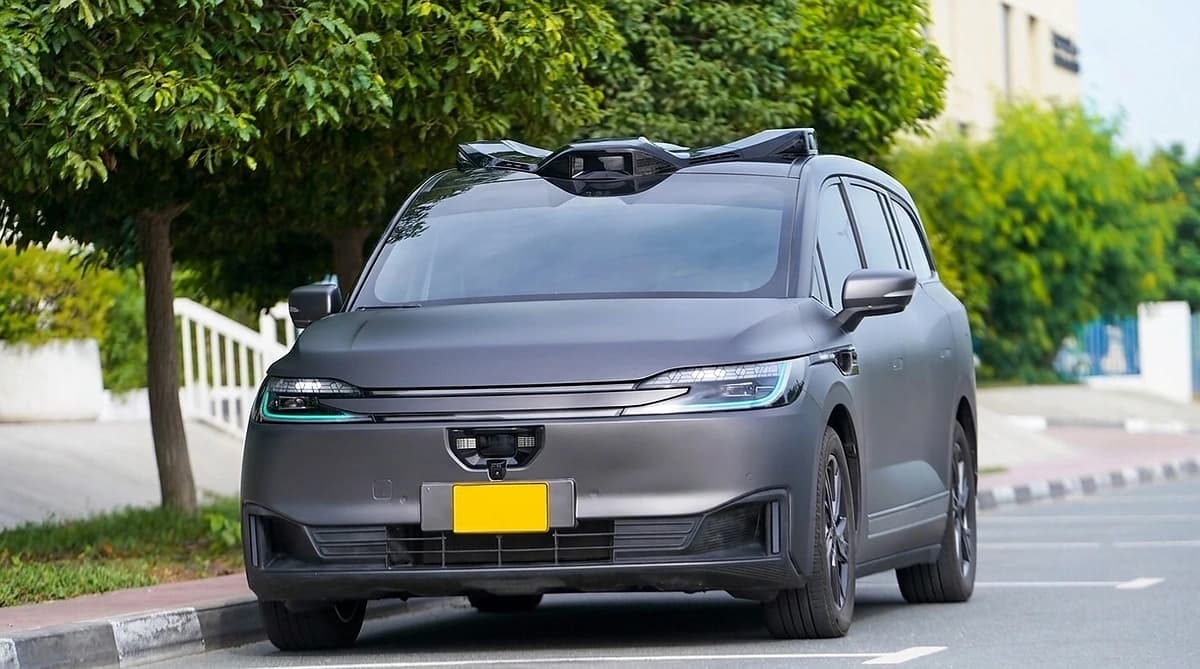
Dubai launches 100 autonomous taxis in Jumeirah and Umm Suqeim via Uber and Apollo Go in a new mobility move.
The announcement reported by Arabian Business confirms a 100-vehicle deployment focused on Jumeirah and Umm Suqeim, operated through partnerships with Uber and Apollo Go. That precise footprint concentrates robot-taxi activity along established coastal and residential corridors, which matters for street-level accessibility, drop-off patterns, and immediate catchment for rental demand.
For residents, landlords, and investors the launch creates a measurable short-term variable: 100 autonomous vehicles serving two adjacent zones. Expect monitoring of rider uptake, curbside logistics, and municipal responses to follow, all of which can influence leasing demand and micro-pricing around affected streets.
What launched and where in Dubai's autonomous taxi rollout?
What launched and where in Dubai's autonomous taxi rollout? Key Data
Vehicles
100
Areas
Jumeirah; Umm Suqeim
Operators
Uber; Apollo Go
Source
Arabian Business
Dubai launches 100 autonomous taxis in Jumeirah and Umm Suqeim via Uber and Apollo Go. The core fact from Arabian Business is straightforward: 100 robot taxis are now assigned to Jumeirah and Umm Suqeim and will operate under the Uber and Apollo Go arrangements reported by the outlet.
The deployment is limited in scope 100 vehicles and concentrated in two coastal and residential zones. That figure is the clearest metric available from the source and defines the launch scale. Operators named are Uber and Apollo Go, and the launch locations are Jumeirah and Umm Suqeim, which together form the operational footprint documented in the announcement.
The immediate implication for the built environment is practical: 100 vehicles create repeatable pick-up and drop-off patterns, demand for short-term stopping spaces, and a new mobility layer for local residents and visitors. The scale is not citywide, so effects will be localised to the Jumeirah and Umm Suqeim catchments while authorities and operators evaluate performance.
How will Dubai's autonomous taxis affect real estate values?
Dubai launches 100 autonomous taxis in Jumeirah and Umm Suqeim via Uber and Apollo Go, and this 100-vehicle rollout can increase convenience premiums and short-term demand near launch corridors. The direct effect will be strongest for properties within short walking distance of frequent pick-up and drop-off nodes.
Properties that benefit most are those offering easy street access, short-stay units, or flexible parking arrangements because the service changes last-mile connectivity. Owners of short-term rental units and retail premises on main access routes should monitor rider patterns; a concentrated 100-vehicle service creates measurable footfall and pick-up clustering that can alter daily occupancy and weekend demand in specific streets.
Risks and limits matter: the launch covers Jumeirah and Umm Suqeim only, so valuation impacts will be neighbourhood-level rather than citywide. Investors should avoid assuming broad market uplift from a single 100-taxi deployment and instead track usage metrics and any municipal changes to curb management or parking rules.
| Feature | Value | Source |
|---|---|---|
| Vehicles | 100 | Arabian Business |
| Areas | Jumeirah and Umm Suqeim | Arabian Business |
| Operators | Uber and Apollo Go | Arabian Business |
"Autonomous taxis change mobility patterns around amenities and can shift short-term rental demand near launch zones."
, Binayah Research Team
What are the operational and regulatory rules for Dubai autonomous taxis?
What are the operational and regulatory rules for Dubai autonomous taxis? Key Data
Vehicles
100
Operators
Uber; Apollo Go
Areas
Jumeirah; Umm Suqeim
Implication
local mobility deployment
Dubai launches 100 autonomous taxis in Jumeirah and Umm Suqeim via Uber and Apollo Go, creating an operational footprint that will interact with local traffic management and regulation. The announced number 100 sets the scale authorities will monitor for safety, curbside controls, and route authorisations.
Operationally, a 100-vehicle service requires mapped corridors, reliable communications, and coordination with traffic control for safe pick-ups and drop-offs. While Arabian Business reported the launch and the operators involved, details on licensing, insurance, or remote monitoring were not in that brief; those elements typically follow as operators and regulators define daily operating procedures.
Regulatory nuance is important for nearby property owners: any curb reallocation, dedicated stopping bays, or new signage will alter on-street access and parking availability. Because the launch is concentrated in two areas with 100 vehicles, expect municipal guidance and stepwise operational adjustments rather than immediate blanket policy changes.
Key Insight
Monitor municipal notices for curbside or parking changes in Jumeirah and Umm Suqeim; early operational changes may appear within weeks of a 100-vehicle rollout.
What should investors watch next after Dubai launches 100 autonomous taxis?
What should investors watch next after Dubai launches 100 autonomous taxis? Key Data
Initial fleet
100 vehicles
Key metrics
ridership; service zones
Investors should monitor ridership, service zone changes, and any announced expansion after the 100-vehicle launch in Jumeirah and Umm Suqeim. Those three data points will indicate whether the deployment remains a localised service or scales to broader neighbourhoods affecting wider property markets.
Key signals to track are operator updates from Uber and Apollo Go, municipal notices about curb management, and observed rider volumes around key nodes. Because the launch size is precisely 100 vehicles, early adoption rates and frequency will offer a clear read on whether the service adds daily convenience premiums that could influence short-term rental rates and retail footfall.
Exercise caution: a single 100-taxi rollout is a measurable data point but not proof of structural change. Investors should look for sustained ridership increases, expansion beyond Jumeirah and Umm Suqeim, and formal regulatory steps before assuming long-term valuation impacts.
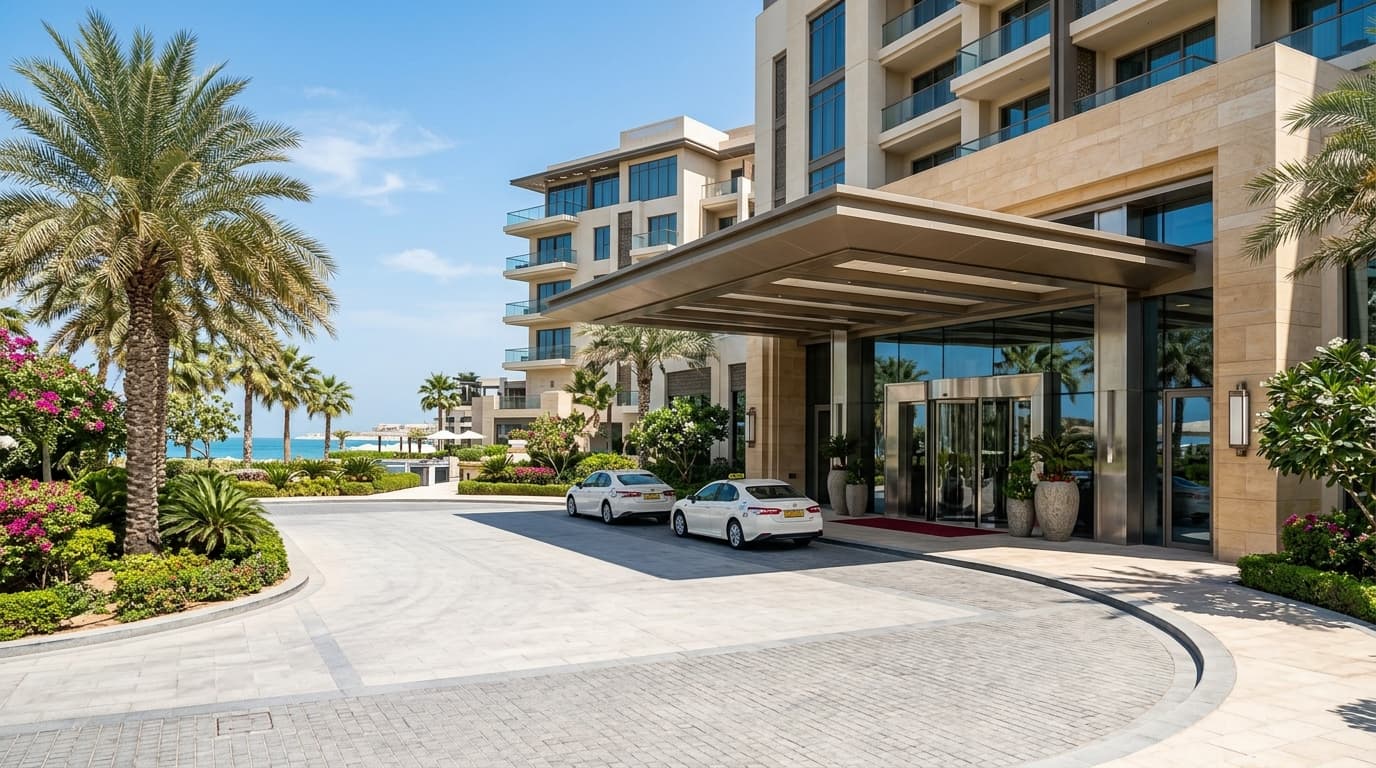
The reported deployment is a clear, measurable event: Dubai launches 100 autonomous taxis in Jumeirah and Umm Suqeim via Uber and Apollo Go. That 100-vehicle rollout creates a localised mobility layer with potential short-term effects on pick-up points, short-stay demand, and street-level access, but broader real estate impacts will depend on ridership, regulation, and any subsequent expansion.
Binayah Editorial
Property Market Analyst
Our editorial team researches Dubai's real estate market, tracking DLD data, developer launches, and investment trends to keep buyers and investors informed.
Ready to Invest in Dubai?
Speak with our analysts about the best opportunities in today's market, free consultation.