Dubai Airports recovery: operational rebound and market impact
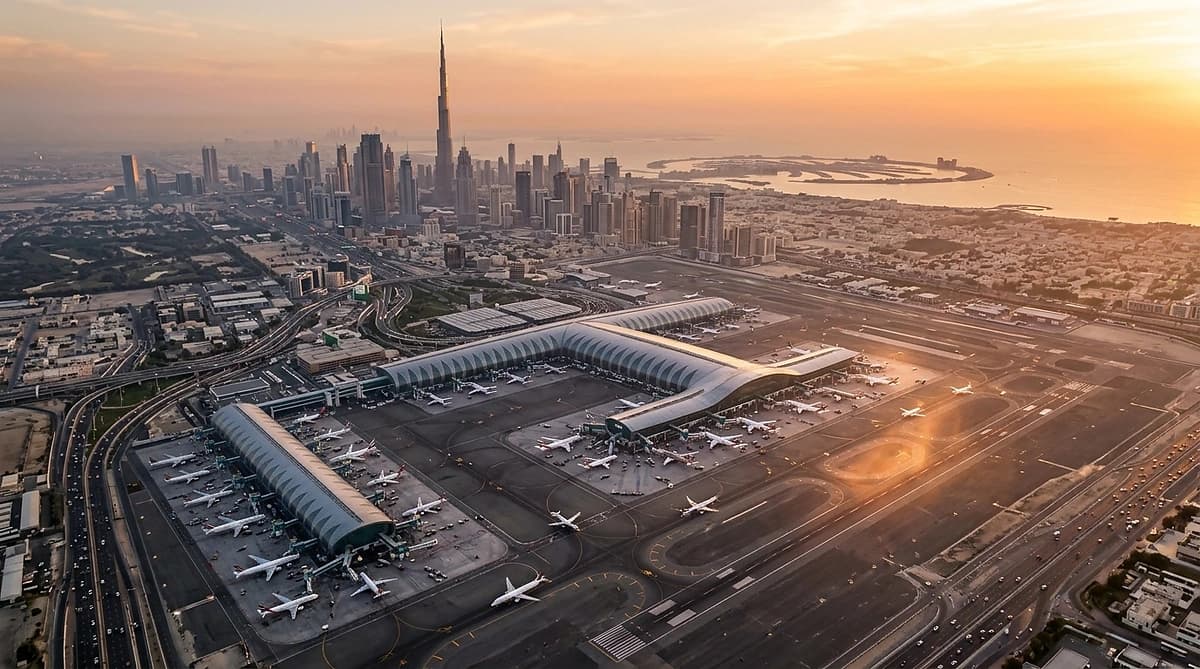
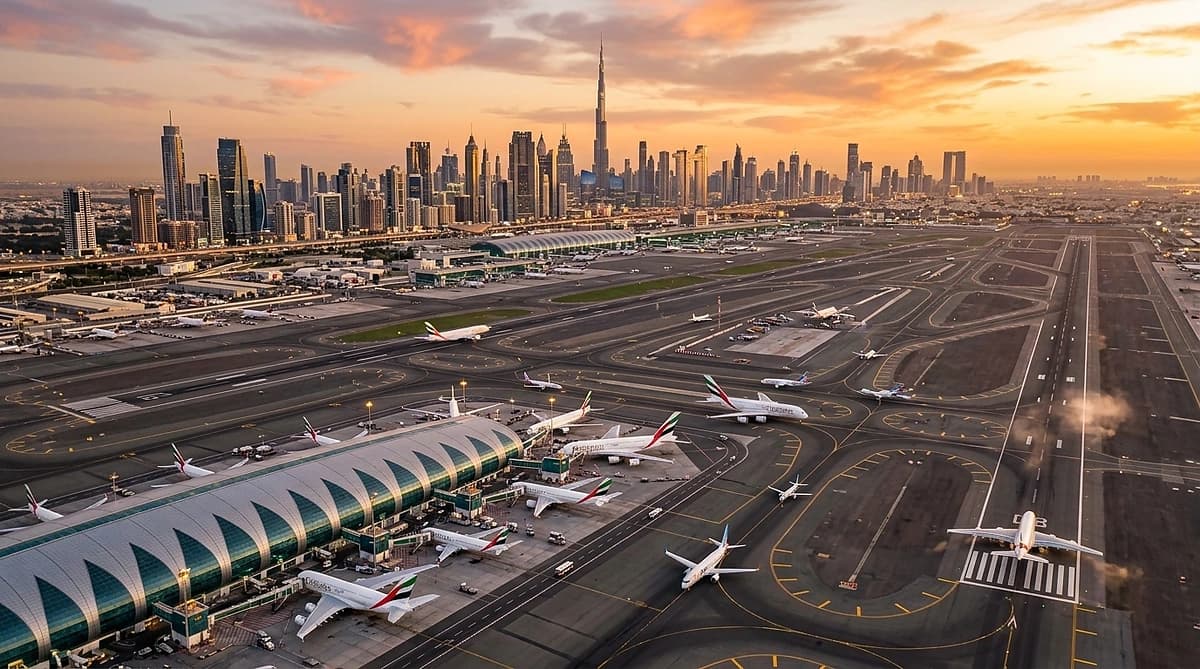
Dubai Airports reports a strong recovery after facilitating over one million passengers in 17 days, confirming the hub's rapid operational rebound.
Dubai Airports CEO Paul Griffiths described the operation as scaling back toward full capacity despite recent regional instability and tactical airspace closures. The airport’s ability to process 1,000,000+ passengers in a short window underlines the resilience of Dubai’s transport infrastructure and its role in sustaining tourism and business travel.
For Dubai real estate investors and market watchers, the rebound reduces near-term downside for occupancy and rental demand in communities served by the hub. The rapid passenger throughput supports hotel demand, short-term rentals and leasing activity close to Dubai International and business districts, though risks tied to further regional tensions remain.
How fast did Dubai Airports rebound operationally?
How fast did Dubai Airports rebound operationally? Key Data
Passengers
1,000,000+
Period
17 days
CEO
Paul Griffiths
Operational status
Scaling toward full capacity
Dubai Airports rebounded quickly, processing over 1,000,000 passengers in 17 days while operations scaled back toward full capacity according to CEO Paul Griffiths.
That passenger count demonstrates the hub’s immediate operational recovery after regional airspace disruptions and tactical closures. The figure of 1,000,000+ passengers in 17 days is a clear transaction metric showing throughput returned rapidly; Paul Griffiths framed this as evidence the hub will bounce back. For market watchers, passenger throughput is an early indicator of inbound tourism and corporate travel returning to pre-disruption levels.
The rapid rebound reduces the risk of a prolonged shock to travel-linked property demand, but it does not remove all downside. Continued regional volatility or renewed airspace restrictions could reverse momentum; investors should monitor weekly passenger flows and airline schedules as leading signals.

Why does Dubai Airports resilience support Dubai real estate demand?
Airport resilience supports real estate demand because steady passenger flows translate into hotel stays, short-term rentals and tenant confidence, and Dubai Airports handled 1,000,000+ passengers in 17 days during the rebound.
When a major hub like Dubai Airports restores throughput quickly, it restores business travel, tourism, and international workforce movement. That flow underpins occupancy in hotel districts near Dubai International, short-term rental earnings in communities such as Deira and Al Garhoud, and corporate leasing in city-centre offices. The 1,000,000+ passenger metric in 17 days is the kind of throughput that mitigates vacancy pressure for properties with travel-driven demand.
Investors should map property exposure to airport-driven demand. Assets near the airport or in tourism corridors gain a clearer recovery path when Dubai Airports shows swift throughput restoration, but performance will vary by asset type and micro-location.
| Metric | Value | Source |
|---|---|---|
| Passengers | 1,000,000+ | Dubai Airports / Paul Griffiths |
| Reporting period | 17 days | Dubai Airports / Paul Griffiths |
| Operational status | Scaling toward full capacity | Dubai Airports / Paul Griffiths |
"Handling over 1,000,000 passengers in 17 days under operational constraints highlights the hub’s contingency strength and its importance to Dubai’s economic recovery."
, Binayah Research Team
What short-term risks should investors expect after the Dubai Airports rebound?
What short-term risks should investors expect after the Dubai Airports rebound? Key Data
Passengers
1,000,000+
Key risk
Regional airspace volatility
Short-term risks remain despite the rebound; Dubai Airports processed 1,000,000+ passengers in 17 days, but regional tensions and tactical airspace closures could re-emerge and disrupt flows.
The main near-term risk is renewed regional instability triggering flight cancellations or periods of restricted airspace, which would quickly reduce passenger throughput and hit hotel and short-stay revenues. Even with 1,000,000+ passengers handled recently, markets sensitive to travel patterns can see volatility in occupancy and rental rates if airlines adjust capacity or travel advisories shift. Monitoring airline schedules and weekly passenger figures is essential for timing decisions.
Investors should price this risk into short-term hold strategies, consider shorter lease terms or flexible rental models for travel-dependent assets, and avoid overexposure to single-source travel demand until traffic patterns stabilise.
Key Insight
Short-term investor tip: Expect continued volatility. Use rolling occupancy checks and scenario stress tests for travel-dependent assets. Price in a contingency buffer for at least one quarter of operating income if passenger numbers fall below 50% of the recent 1,000,000+ throughput rate.
What is the policy and market outlook for Dubai Airports and the property sector?
What is the policy and market outlook for Dubai Airports and the property sector? Key Data
Passengers
1,000,000+
Period
17 days
Policy stance
Focus on rapid route restoration
Market outlook
Cautiously positive
Policy and market outlook is cautiously positive: Dubai Airports’ ability to move 1,000,000+ passengers in 17 days shows operational resilience that supports near-term property demand while policymakers monitor regional risks.
Authorities and airlines typically prioritise reopening routes and restoring capacity quickly because aviation is a major economic engine for Dubai. The reported passenger throughput provides evidence that capacity can return fast once airspace constraints ease. For property markets, this suggests a path to recovery for hospitality, short-term rentals and airport-adjacent residential demand, provided no fresh, prolonged restrictions appear.
Market participants should track official updates from Dubai Airports and aviation authorities, weekly passenger data and any policy changes affecting travel. Those signals will determine how quickly rents and occupancy rates normalise across affected communities.

Dubai Airports’ rapid handling of over 1,000,000 passengers in 17 days shows an operational rebound that supports travel-linked property demand in the near term. The recovery reduces the immediate downside for airport-adjacent hotels and rentals, but investors should remain alert to regional airspace risks that could interrupt throughput and affect occupancy metrics.
Binayah Editorial
Property Market Analyst
Our editorial team researches Dubai's real estate market, tracking DLD data, developer launches, and investment trends to keep buyers and investors informed.
Ready to Invest in Dubai?
Speak with our analysts about the best opportunities in today's market, free consultation.