Dubai AI real estate: how AI is changing property demand
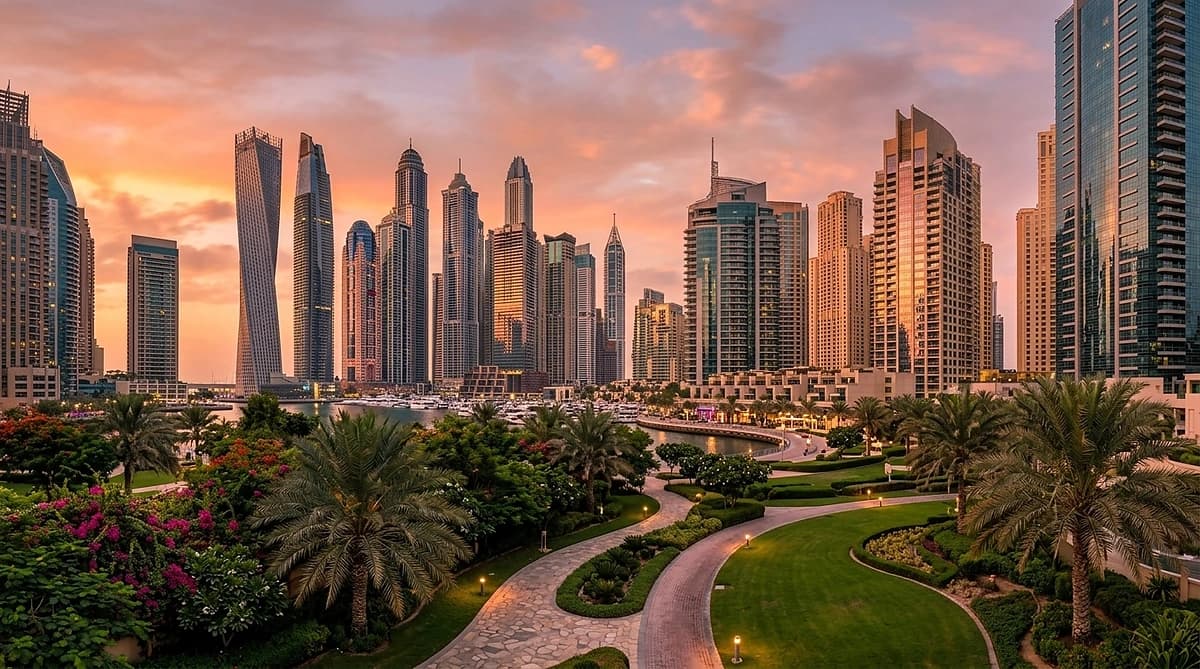
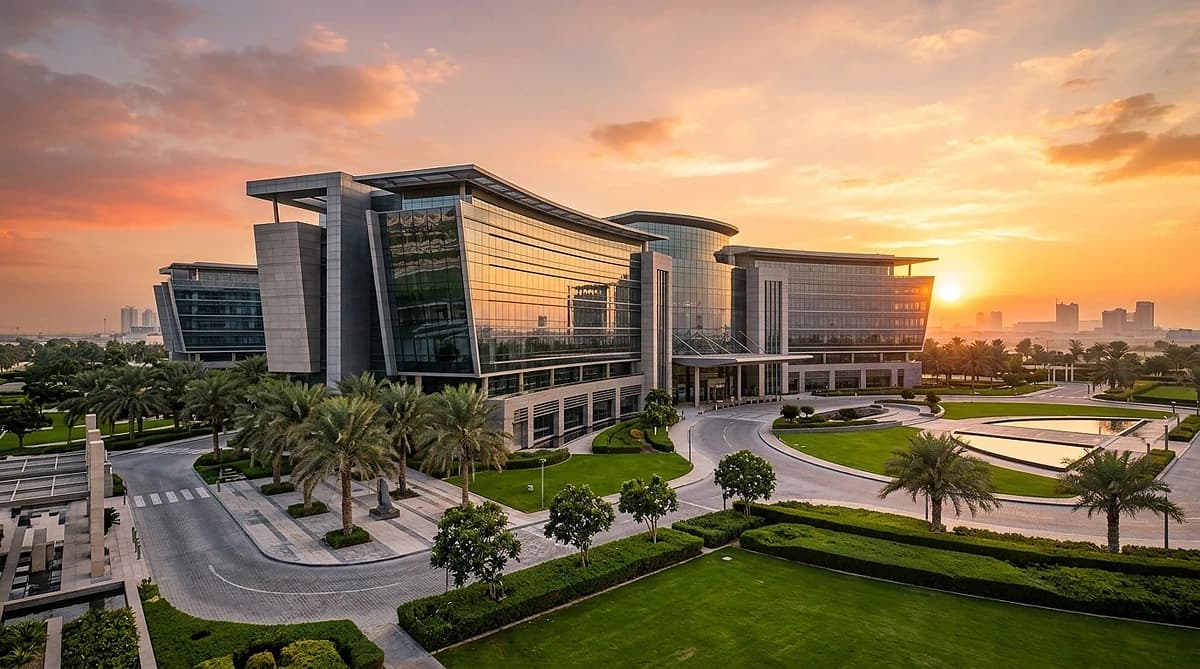
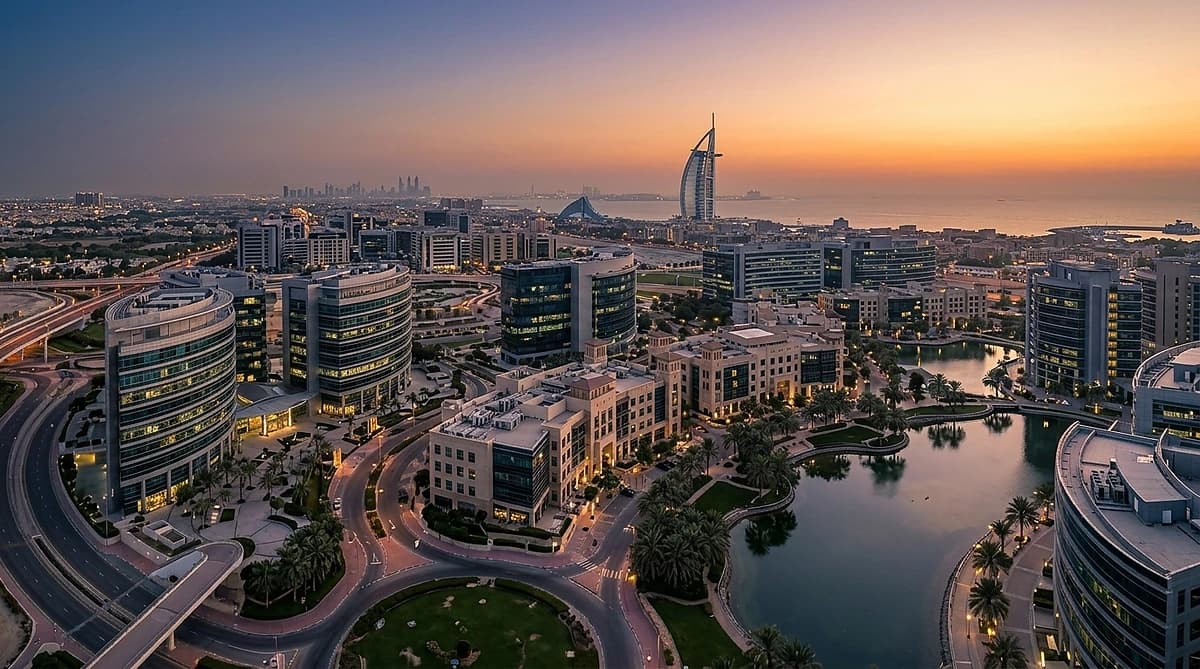
Dubai AI real estate is reshaping demand across commercial and residential districts such as Dubai International Financial Centre and Dubai Silicon Oasis.
Businesses and government institutions in Dubai are adopting artificial intelligence to boost productivity, improve decision-making and open new revenue streams. Those operational changes change how companies use physical space: they want faster connectivity, flexible layouts, and proximity to talent and data infrastructure rather than just prestige addresses.
The result for property markets is measurable shifts across office leasing, logistics and residential preferences. Landlords, occupiers and municipal planners must adapt to shorter leasing cycles, higher technology fit-out standards and evolving amenity mixes that support AI-enabled work and supply chains in Dubai.
How is artificial intelligence changing office demand in Dubai?
How is artificial intelligence changing office demand in Dubai? Key Data
Primary hubs
DIFC and Dubai Silicon Oasis
Priority features
Connectivity and flexible floorplates
Landlord response
Retrofitting and flexible leases
Risk
Older stock with limited tech fit-out
AI is concentrating office demand in Dubai toward tech-ready hubs with flexible space, strong digital infrastructure and closer links to talent pools.
Occupiers adopting AI prioritize low-latency connectivity, large uninterrupted floorplates for innovation labs, and hybrid working options that combine hot-desking with dedicated team rooms. Landlords in Dubai are responding by retrofitting connectivity and offering shorter, more flexible lease terms and managed services that support data teams and labs. While this raises fit-out costs, it also increases the appeal of buildings near technology clusters and education institutions.
The strategic nuance for investors and occupiers is that not every central business district will benefit equally. Buildings without wiring, limited ceiling height or inflexible floor plans face higher vacancy risk unless owners invest in upgrades. Policy and permitting timelines for fit-outs in Dubai can affect tenant decisions, so the speed of building conversion will influence which assets capture AI-driven premium.
How will AI affect logistics and industrial property in Dubai?
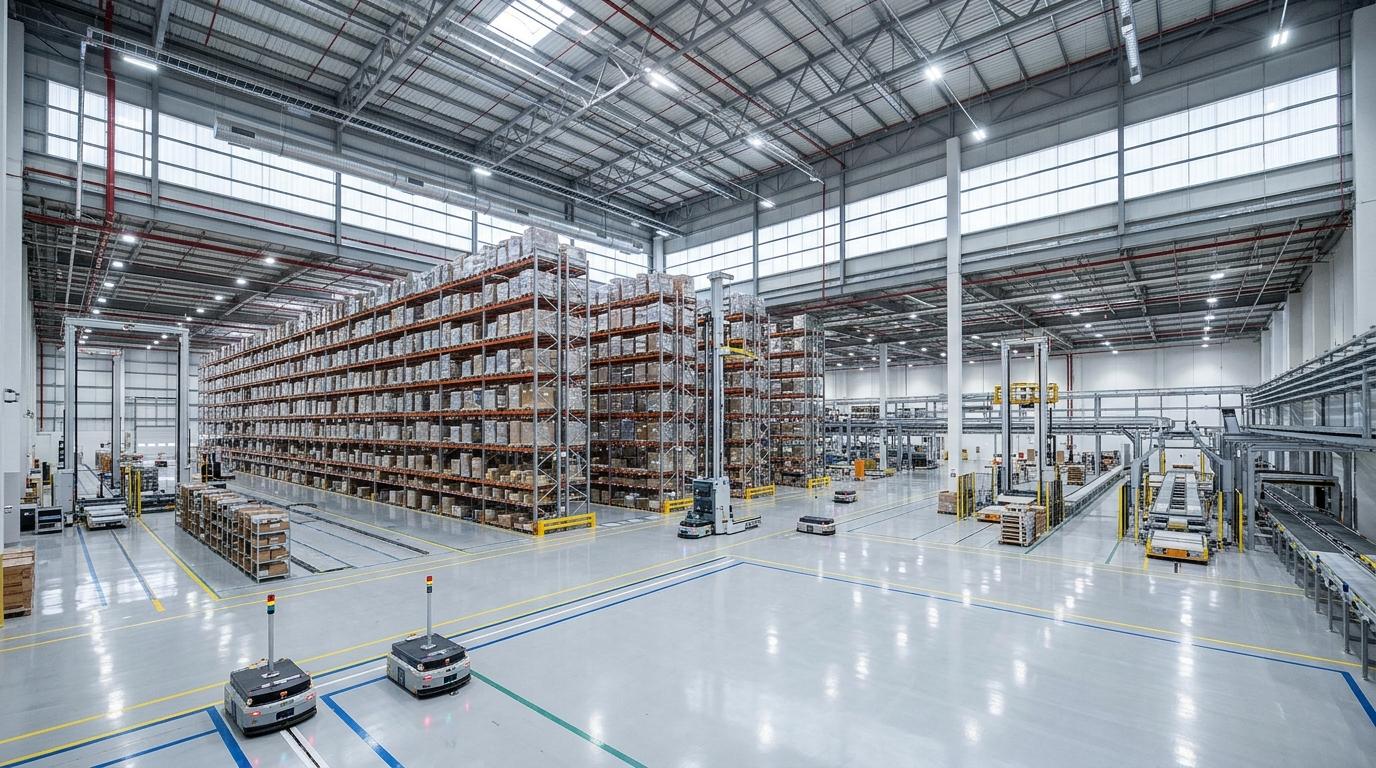
AI is raising demand for logistics and industrial space that supports automation, robotics and real-time data flows near transport nodes and free zones in Dubai.
Occupiers integrating AI into supply chains seek warehouses with clear floor heights for automation, robust power and connectivity for sensors and edge-compute, and locations that shorten last-mile routes. Developers and operators are therefore reconfiguring older industrial parks and prioritizing sites close to ports, airports and major arterial roads. The result is a stronger market preference for modern, technology-enabled facilities and for landlords who can offer plug-and-play automation support.
The risk profile changes for older or poorly connected estates: they may require significant capex to remain competitive. Planning approvals and utility upgrades influence the speed at which logistics stock can convert, and that affects rent segmentation between legacy warehouses and newly developed AI-ready facilities in Dubai.
| Driver | Impact on property | Example location |
|---|---|---|
| Automation and robotics | Need for higher clear heights and reinforced floors | Dubai Industrial City |
| Edge computing and sensors | Higher power and connectivity infrastructure | Jebel Ali Free Zone proximity |
"AI adoption accelerates demand for automation-ready logistics space close to ports and transport links."
, Binayah Research Team
How does AI change residential location and amenity preferences in Dubai?
How does AI change residential location and amenity preferences in Dubai? Key Data
Connectivity
High-speed home internet
Amenity focus
Coworking and childcare
Preferred locations
Near tech clusters and transit
Developer response
Smart-home features
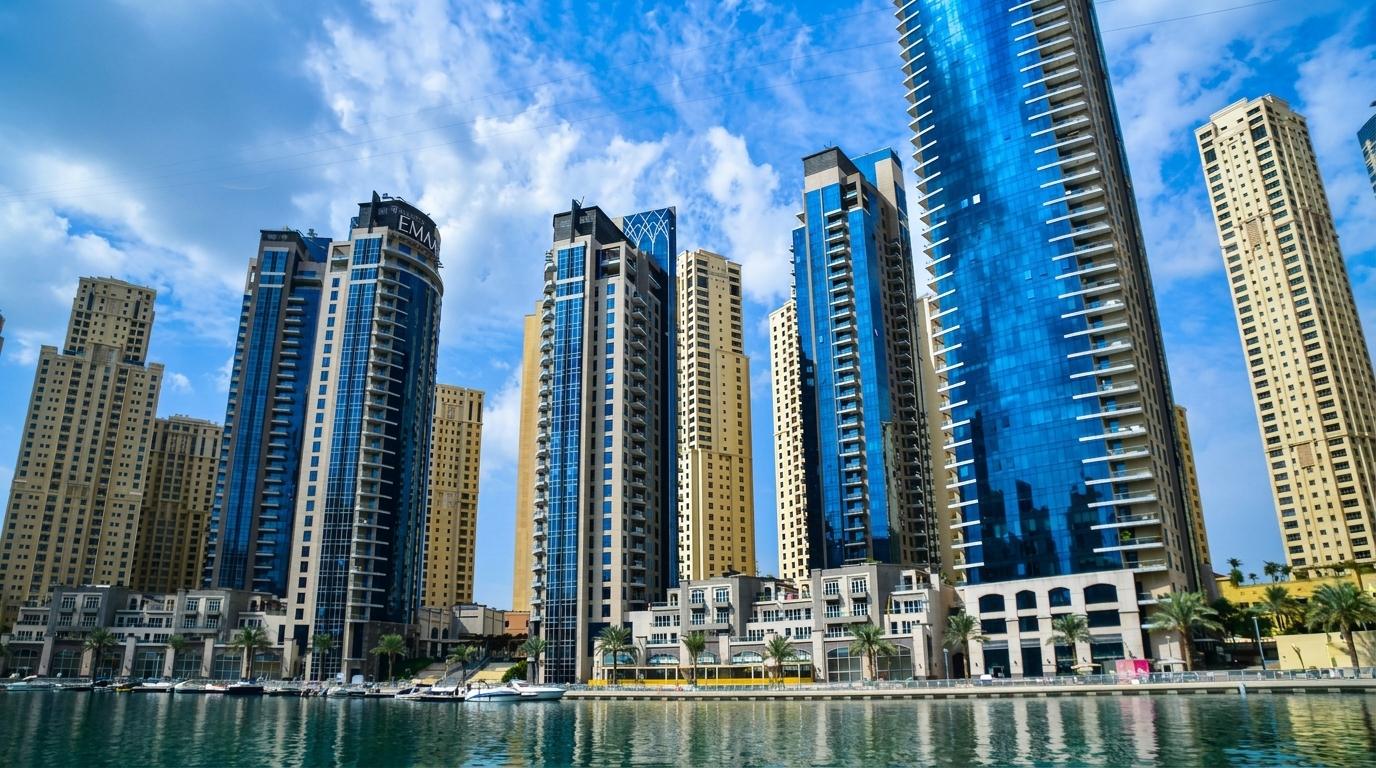
AI is shifting residential preferences in Dubai toward communities offering strong digital connectivity, flexible home layouts for remote work and access to lifestyle services that support knowledge workers.
Residents employed in AI, data and tech roles place higher value on reliable high-speed internet, dedicated home office space and neighbourhoods with mixed-use amenities such as coworking, childcare and wellness services. This means areas with good transit links to tech clusters, education and innovation centres become comparatively more desirable. Developers in Dubai are responding by incorporating smart-home features and designing common areas tailored to remote working needs.
A key nuance is affordability and lifecycle: younger professionals may trade larger living space for better connectivity and community amenities, while established households still prize proximity to schools and established social infrastructure. For landlords and planners, the implication is to balance smart building upgrades with community services to retain long-term occupancy in targeted Dubai neighbourhoods.
Key Insight
Investors should compare retrofit costs against likely rental premiums for smart-home and connectivity upgrades before committing capital.
- Higher demand for dedicated home office space
- Preference for mixed-use communities
- Smart building amenities increase tenant retention
What should investors watch next for AI-driven property shifts in Dubai?
What should investors watch next for AI-driven property shifts in Dubai? Key Data
Signal to watch
Data centre and hub concentration
Investor action
Budget for tech capex
Asset priority
Proximity to transport and talent
Risk factor
Lengthy permitting and rigid layouts
Investors should watch where occupiers cluster, how quickly buildings are retrofitted for tech and the pace of regulatory support for AI infrastructure in Dubai.
Key signals include concentration of data centres and innovation hubs, the number of lease conversions to shorter or flexible formats, and municipal approvals for enhanced power and connectivity. Owners who invest in technical upgrades and flexible space models are likelier to capture tenant demand. Conversely, assets with rigid layouts, weak connectivity or lengthy permitting risk longer vacancy cycles unless owners adapt.
The practical takeaway for investors is to prioritise assets near tech ecosystems and transport nodes, to budget for technology capex when underwriting returns, and to factor in policy and planning timelines for conversions. Monitoring these operational and planning indicators will give investors an early read on which Dubai properties will benefit from AI adoption.
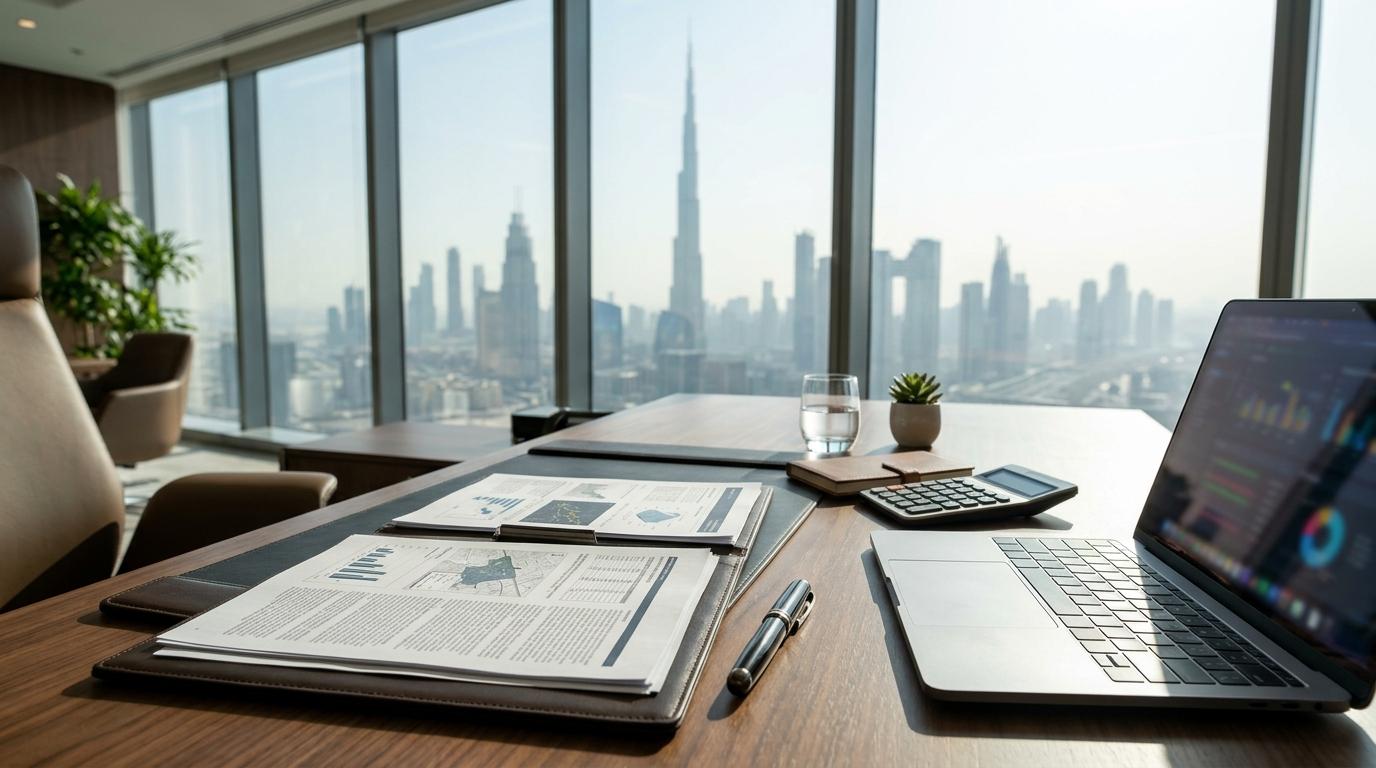
AI adoption is redirecting demand in Dubai toward tech-ready offices, upgraded logistics facilities and residential communities with strong connectivity and flexible amenities. The core finding is that assets near innovation hubs, transport nodes and with the ability to support technical retrofits will capture most of the AI-driven premium in Dubai property markets.
Binayah Editorial
Property Market Analyst
Our editorial team researches Dubai's real estate market, tracking DLD data, developer launches, and investment trends to keep buyers and investors informed.
Ready to Invest in Dubai?
Speak with our analysts about the best opportunities in today's market, free consultation.