DFSA MoU Dubai: what it means for real estate oversight
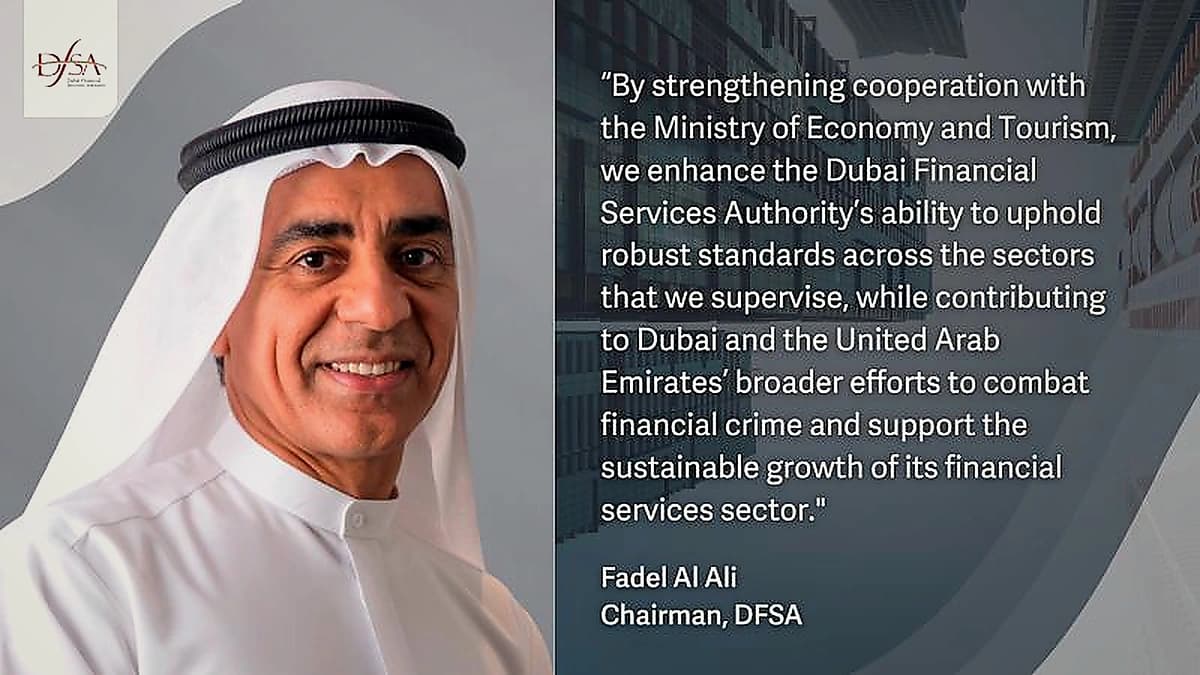
DFSA MoU Dubai strengthens oversight after the UAE Ministry of Economy and Tourism and the DFSA signed a memorandum focused on financial crime and financial-services growth.
The memorandum between the UAE Ministry of Economy and Tourism and the Dubai Financial Services Authority (DFSA) places emphasis on tackling financial crime, specifically money laundering and terrorism financing, while also aiming to support growth in financial services. For Dubai real estate that means closer coordination between regulators and a clearer compliance baseline for transactions that involve financial-sector counterparties, cross-border flows, or regulated entities operating in or with Dubai.
The MoU signals a shift from siloed supervision to shared oversight and information exchange. That matters for buyers, lenders and professional firms because it raises the bar for due diligence, increases the chance of joint investigations, and creates faster escalation paths when suspicious activity touches property deals or real estate-linked financial products.
What does the MoU cover and why does it matter for Dubai real estate?
What does the MoU cover and why does it matter for Dubai real estate? Key Data
Signatories
UAE Ministry of Economy and Tourism; DFSA
Focus
Money laundering and terrorism financing
Aim
Boost oversight and financial services growth
Document type
Memorandum of Understanding
The MoU signed by the UAE Ministry of Economy and Tourism and the DFSA focuses on boosting oversight and tackling financial crime, including money laundering and terrorism financing. This is the core commitment described in the source and it directly links regulatory coordination to the integrity of financial services.
By emphasising money laundering and terrorism financing as a key component, the agreement creates a formal platform for information sharing, joint risk assessments and coordinated action between a national ministry and the DFSA. For Dubai real estate that is significant because property is frequently part of complex value chains that connect buyers, lenders, corporate entities and cross-border funds. The text of the announcement highlights both oversight and financial services growth as twin aims, which means regulators plan to tighten controls while still enabling legitimate activity in the market.
The practical effect is a higher compliance bar for parties connected to regulated financial flows that touch property deals. That increases scrutiny on high-value transactions, intermediaries and delivery chains, and it raises the likelihood of coordinated reviews if suspicious activity arises. Firms and investors should expect more requests for documentation and faster regulatory follow-up where real estate intersects with regulated finance.

How will stronger oversight affect transactions and lenders in Dubai real estate?
Stronger oversight under the MoU means transactions and lenders linked to regulated financial flows will face more coordinated scrutiny from the UAE Ministry of Economy and Tourism and the DFSA. The announcement makes clear that tackling financial crime is a priority alongside supporting financial-services growth, which implies regulators will align on red flags and escalation steps affecting property deals.
For transactions this will translate into closer checks on source-of-funds, enhanced due diligence on corporate ownership, and faster cross-agency information sharing when suspicious indicators appear. Lenders that sit within the DFSA’s regulatory perimeter or that interact with regulated financial services can expect tighter procedures and possibly more frequent document requests. The joint focus on oversight aims to reduce gaps where illicit funds could enter property markets while preserving legitimate financing channels that serve market growth.
The near-term risk is procedural disruption for complex deals that involve cross-border parties, trust structures or regulated entities. That creates operational costs for law firms, title agents and mortgage providers who must adapt compliance workflows. Over time, better coordination should increase market confidence by reducing headline risks tied to financial crime in property transactions.
| Area | Practical change | Who it affects |
|---|---|---|
| Transactions | Closer source-of-funds and ownership checks | Buyers, agents, escrow parties |
| Lenders | Tighter due diligence and document requests | Banks and regulated finance firms |
"Coordination between a national ministry and the DFSA reduces regulatory blind spots where property and finance overlap, improving detection while helping legitimate transactions proceed with clearer expectations."
, Binayah Research Team
What should investors and firms do to comply with the DFSA MoU?
Investors and firms should immediately review and strengthen money-laundering controls, client onboarding and ownership verification processes to align with the MoU’s emphasis on AML and counter-terrorism financing. The source highlights that tackling financial crime is a key component, so preparatory compliance work is prudent for any party tied to Dubai real estate.
Practical steps include updating source-of-funds checks, documenting beneficial ownership for complex structures, ensuring transaction records are audit-ready, and training front-line staff on new escalation channels that may arise from DFSA and ministry coordination. Legal and compliance teams should treat the MoU as a signal that regulators will share intelligence more readily and act more quickly when suspicious activity is detected, which increases the value of robust record-keeping and proactive remediation.
The main compliance risk is failing to anticipate requests for rapid information exchange across agencies, which can delay deals and invite enforcement attention. Firms that take a proactive posture now can reduce friction in transactions and demonstrate to both the UAE Ministry of Economy and Tourism and the DFSA that they are reducing exposure to financial-crime risks.
- Strengthen source-of-funds verification and ongoing monitoring
- Document beneficial ownership for trusts and corporate vehicles
- Train staff on new escalation and information-sharing expectations
- Prepare transaction files for rapid regulatory requests
What to watch next for coordination, enforcement and market signals?
Watch for formal protocols, joint guidance or data-sharing mechanisms issued after the MoU that clarify how the UAE Ministry of Economy and Tourism and the DFSA will cooperate. The source frames the agreement as promoting oversight and financial-services growth, so public guidance and operational protocols are likely next steps that will signal how intrusive or streamlined enforcement will be.
Key market signals include any public joint statements about priority risks, published checklists for regulated firms, or coordinated supervisory actions that reference both signatories. Such moves would show active enforcement coordination and help firms calibrate compliance spend and operational procedures. Conversely, guidance that focuses on capacity-building for legitimate financial services would indicate regulators want to enable growth while closing criminal pathways.
Investors should monitor regulator communications and legal-advice channels closely. Early adopters of improved compliance practices are likely to face fewer transaction delays, while laggards risk greater scrutiny and potential enforcement where suspicious activity is uncovered through the new cooperation framework.
Key Insight
Monitor official DFSA and ministry publications for procedural guidance. Early alignment with updated AML and ownership-check expectations reduces the risk of transaction delays and regulatory follow-up across agencies.
The MoU between the UAE Ministry of Economy and Tourism and the DFSA underscores a priority on tackling money laundering and terrorism financing while supporting financial-services growth. That combination points to tighter, coordinated oversight of transactions and lenders connected to Dubai real estate, and it implies firms and investors should strengthen verification, record-keeping and readiness to respond to faster inter-agency enquiries.
Binayah Editorial
Property Market Analyst
Our editorial team researches Dubai's real estate market, tracking DLD data, developer launches, and investment trends to keep buyers and investors informed.
Ready to Invest in Dubai?
Speak with our analysts about the best opportunities in today's market, free consultation.