Binghatti Holding 65% profit surge market report
Binghatti Holding reports a 65% profit surge to AED 4.4bn, redefining developer performance and investor expectations in Dubai's 2025 market. Binghatti Holding's headline performance a 65% increase in profit and a net result of AED 4.4bn reflects faster project completions and robust sales that allowed revenue recognition earlier than many peers.
What does Binghatti Holding 65% profit surge mean for Dubai developer performance?
What does Binghatti Holding 65% profit surge mean for Dubai developer performance? Key Data
Profit rise
65%
Net profit
AED 4.4bn
Period
full-year 2025
Status
Surpassed target
Binghatti Holding's 65% profit surge to AED 4.4bn shows that project delivery and sales conversion can produce outsized, short-term gains for Dubai developers. This single result signals that when a developer moves units from construction to handover, the accounting converts backlog into recognised revenue and profit quickly. The AED 4.4bn headline and 65% increase underline two practical points for the market: developers that resolve construction schedules and finalise handovers capture near-term cash flow and improve margins, while peers with slower completions will report weaker short-term profits. For stakeholders tracking developer health, this is a reminder that year-on-year profit swings may reflect timing of completions as much as underlying demand. Investors and corporate planners should treat the Binghatti Holding outcome as evidence that delivery timing can distort short-run comparisons between developers. That raises a caution: a strong profit print like AED 4.4bn does not automatically imply a permanent earnings upgrade if completions were front-loaded. Watch subsequent quarters for sustainable revenue and order-book replenishment before assuming a new baseline for earnings.
How do project completions affect Binghatti Holding profits?
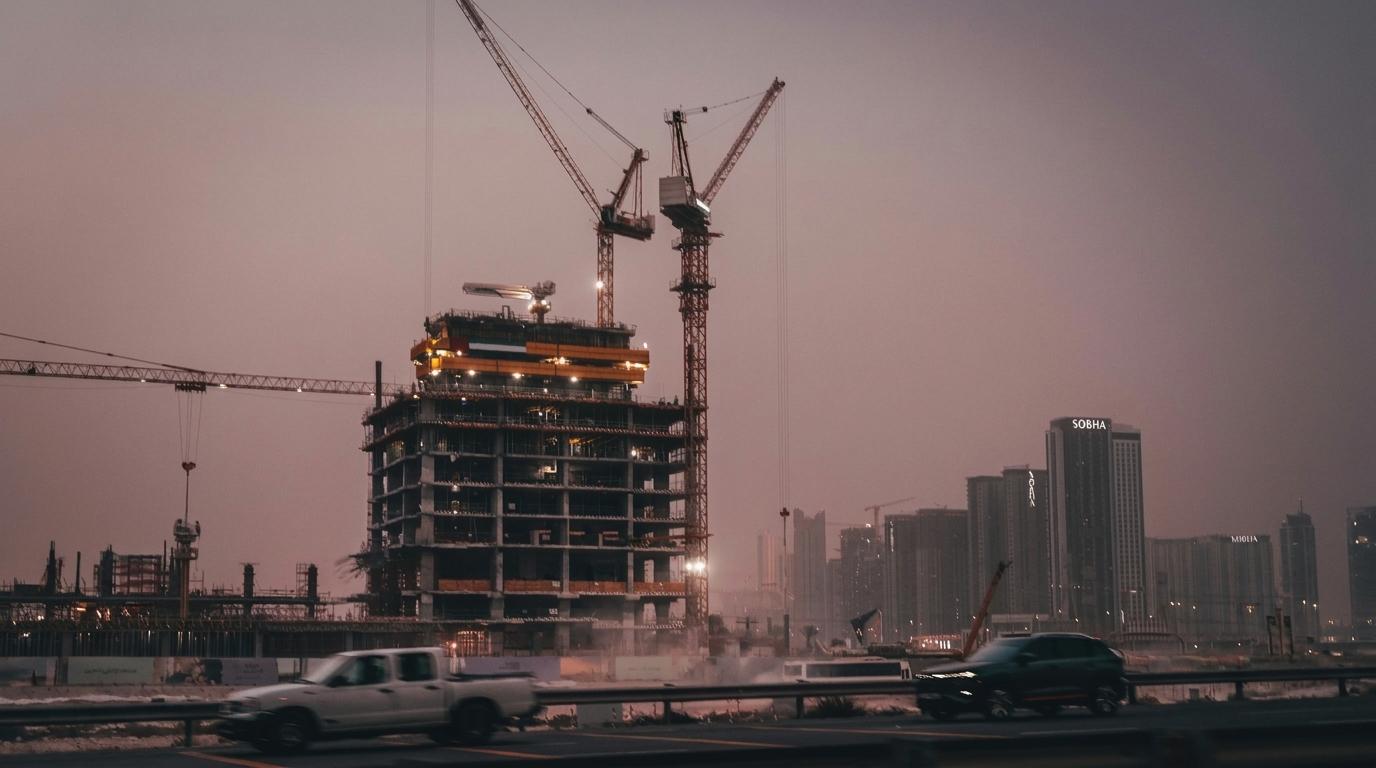
Project completions directly converted Binghatti Holding's backlog into recognised revenue, driving the 65% profit rise to AED 4.4bn. When practical completion is recorded, accounting rules allow revenue and associated profit to be booked, which boosts reported results in the period the handovers occur. For Binghatti Holding the mechanism is straightforward: completed units move from inventory to sold-and-recognised revenue, reducing future interest and carrying costs and increasing cash flow associated with receipts or mortgages. That timing effect is often larger than quarter-to-quarter sales growth because a single large wave of handovers can produce a one-time profit uplift equal to a material share of annual earnings. The caveat is sustainability. If completions were concentrated in one period, future earnings may normalise unless the developer replaces delivered volume with new sales or launches. Analysts should therefore split reported profit into timing-related gains and recurring operational profitability when modelling Binghatti Holding's forward earnings.
| Metric | Value | Notes |
|---|---|---|
| Profit increase | 65% | Year-on-year rise reported by the company |
| Net profit | AED 4.4bn | Reported for full-year 2025 |
| Target status | Surpassed | Company statement says full-year 2025 target was exceeded |
"Project completions convert backlog into recognised revenue and can move a developer's profit materially within a single year."
, Binayah Research Team
What are investor implications and short term outlook after Binghatti Holding profit surge?
Investors should view the Binghatti Holding result as a positive signal for short-term cash flow but treat the AED 4.4bn print and 65% gain as partly timing-driven. Strong profits improve balance-sheet metrics and can support dividend capacity or debt metrics, yet sustainability depends on future sales flow and margin maintenance. For near-term investors the immediate implication is reduced operating risk tied to existing projects: realised profits mean cash has been generated rather than only paper value. However, because the result surpasses the full-year 2025 target, market expectations may rise quickly and future quarters will be judged against a higher baseline. That raises sensitivity to any slowdown in new sales or delays in subsequent handovers. Short-term outlook hinges on two factors: whether Binghatti Holding can replenish sellable inventory and whether market demand remains steady at current price levels. If new launches lag, the company may show lower sequential profits despite a robust annual result, which creates volatility for trading investors and requires careful monitoring by long-term holders.
Key Insight
Investors: treat AED 4.4bn and 65% as evidence of execution, not automatic future earnings. Confirm backlog replacement and check next-quarter completion schedule before upgrading long-term forecasts.
What wider market context and risks to watch after Binghatti Holding results?
Binghatti Holding's strong profit performance highlights a market where delivery and sales timing matter more than headline demand alone. The AED 4.4bn result demonstrates that developers who finish projects benefit first, but broader market risks remain including interest-rate sensitivity, competition for off-plan buyers, and the need to convert sales into cash without discounting heavily. The announcement also shifts the comparator set for Dubai developers: peers will be measured against a higher earnings benchmark in 2025, which can amplify investor scrutiny and sector re-rating risk. While Binghatti Holding exceeded its full-year 2025 target, the sector may still face cyclical pressures if global financing or buyer sentiment weakens. Practical monitoring items for market participants are interest-cost trends, new sales velocity after major completions, and any change in presales pricing. These factors will determine whether a one-off profit pulse like AED 4.4bn becomes a durable step-up in developer profitability or a temporary peak.
- Watch interest-rate movements and financing costs
- Monitor new sales after major handovers
- Track any margin compression from discounting
Binghatti Holding's reported 65% profit surge to AED 4.4bn is a clear example of how project completions can re-shape developer results in the short term. The headline outturn improves near-term cash and balance-sheet metrics but requires backlog replacement and steady sales to become a sustained earnings shift.
Binayah Editorial
Property Market Analyst
Our editorial team researches Dubai's real estate market, tracking recorded sales, developer launches, and investment trends to keep buyers and investors informed.
Ready to Invest in Dubai?
Speak with our analysts about the best opportunities in today's market, free consultation.