Mawarid FinTech Summit Dubai: real estate impact
Mawarid FinTech Summit in Dubai gathers 1,000 leaders and 500 institutions, spotlighting fintech-driven demand shifts for hotels and rental pockets.
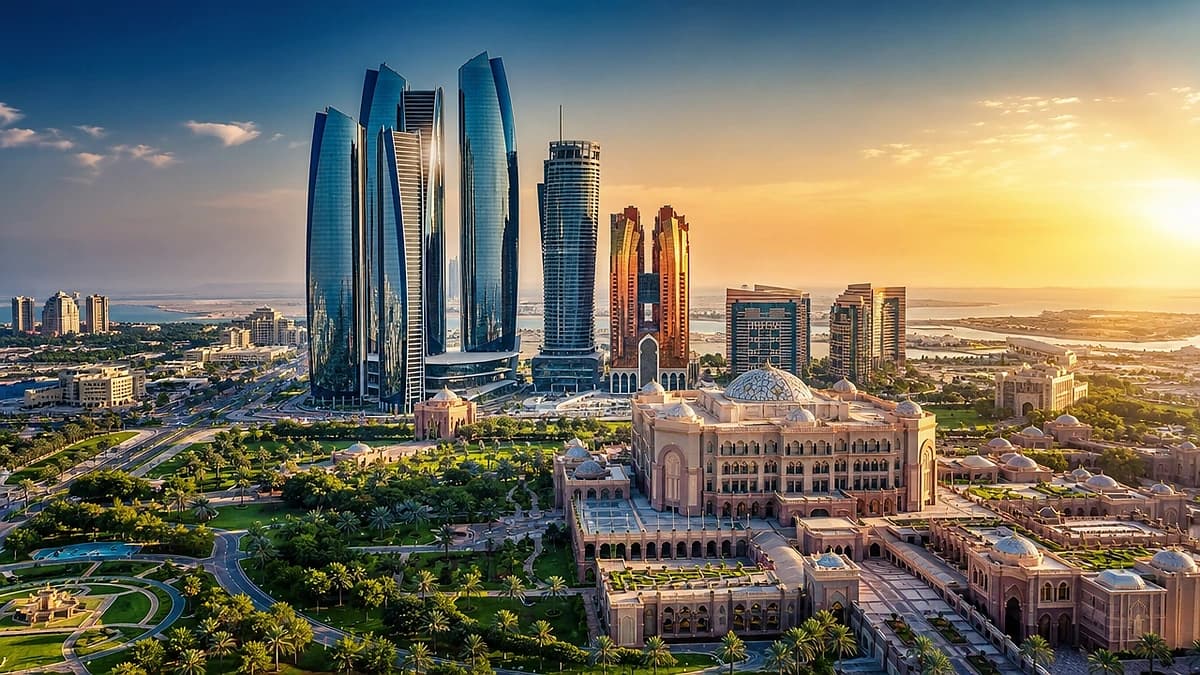
Dubai hosted the Mawarid FinTech Summit as a concentrated industry moment that pulled senior decision makers into the city. Arabian Business reports the event convened 1,000 leaders and representatives from 500 institutions, creating bursts of hotel occupancy, conference bookings, and short-term rental demand in close-in neighbourhoods such as Downtown Dubai, Business Bay and Dubai Marina.
For property owners and investors the summit is both a signal and a stress test. Short stays and corporate travel drive immediate revenue for hotels and serviced apartments while also creating local rental pressure in pockets where executives seek furnished, flexible accommodation. The following sections translate the summit counts into market-relevant implications for hotels, landlords and midterm investor strategy.
Why does the Mawarid FinTech Summit matter for Dubai real estate?
Why does the Mawarid FinTech Summit matter for Dubai real estate? Key Data
Leaders
1,000
Institutions
500
Source
Arabian Business
Primary city
Dubai
The Mawarid FinTech Summit matters for Dubai real estate because it concentrated 1,000 leaders and 500 institutions in the city, triggering measurable short-term demand for hotels and serviced rentals.
Those attendance figures mean more than a headline. Arabian Business confirms 1,000 leaders and 500 institutions were present, which typically translates into higher room occupancy rates, more corporate bookings for meeting spaces, and a spike in furnished short-term leases in central locations. For hotel owners, this can convert to premium nightly rates during the event window and higher ancillary revenue from F&B and meeting services. For landlords near conference venues, the influx pressures availability and can temporarily push achievable rents higher for furnished units and short lets.
The nuance is timing and scale: a single summit with 1,000 leaders creates a distinct but time-limited uplift, not a structural market shift. If Dubai hosts repeated, similarly sized fintech gatherings, the pattern becomes a predictable source of demand and justifies strategic adjustments. Investors should weigh the event-driven upside against vacancy risk outside summit periods and the operational cost of offering more short-term, furnished options.
What are the immediate market effects on hotels and rental pockets after the Mawarid FinTech Summit?
The immediate market effects are higher hotel occupancy and short-term rental take-up near conference clusters because the summit brought 1,000 leaders and 500 institutions to Dubai.
A concentrated delegate base increases demand for 24 to 72 hour stays, meeting rooms and corporate hospitality. Hotels near Business Bay, Downtown Dubai and Dubai International Financial Centre typically capture the largest share of summit bookings, while serviced apartments and furnished short-term rentals in Dubai Marina and Jumeirah Lakes Towers see heightened enquiries. Arabian Business recorded the summit attendance levels as 1,000 leaders and 500 institutions, and those counts map directly to a noticeable, short-duration pressure on availability and nightly rates for the event period.
Operationally, hotels and short-let landlords can monetise the surge through minimum-stay rules, premium rates, and packaged corporate offers, but they must also manage cancellation risk and post-event occupancy drops. Properties that reprice aggressively during the summit risk lower average occupancy in the following weeks if they cannot convert corporate leads into repeat business.
| Metric | Value | Relevance |
|---|---|---|
| Leaders | 1,000 | Drives hotel and short-let occupancy |
| Institutions represented | 500 | Increases corporate bookings and meeting-space demand |
"A concentrated summit of this size creates a clear, short-lived uplift in hospitality demand that smart operators can monetise while preparing for the subsequent normalization."
— Binayah Research Team
How will the Mawarid FinTech Summit affect midterm strategies for investors and landlords?
Midterm strategies should treat the Mawarid FinTech Summit as evidence of demand concentration that can be exploited by adapting product mix and marketing, especially given the summit drew 1,000 leaders and 500 institutions.
Those attendance numbers show fintech is drawing senior, mobile capital into Dubai on specific dates. Investors can respond by offering flexible, furnished units, short-let compliant properties, or hybrid hotel-apartment models in inner-city pockets. Landlords who add corporate-ready amenities and streamlined booking with clear invoicing stand to win repeat business from institutions that attended the summit. Using the summit counts reported by Arabian Business, a strategy that targets corporate stays during conference windows can meaningfully lift revenue per available unit for the months when Dubai hosts major fintech gatherings.
The risk is overexposure: converting too many units to short-term inventory can increase turnover, require higher operating costs, and create vacancy outside event windows. Prudent owners will hedge by keeping a portfolio mix or testing short-let conversion with a limited number of units before scaling.
- Target corporate stays in Business Bay and Downtown
- Offer furnished units and short-let terms
- Prioritise flexible contracts to balance occupancy
- Test conversions before large-scale rollouts
What practical steps should landlords and investors take after the Mawarid FinTech Summit?
Landlords and investors should audit proximity to conference hubs, assess conversion to furnished short-lets, and update marketing to target the type of corporate demand generated by the Mawarid FinTech Summit, which hosted 1,000 leaders and 500 institutions.
Begin by mapping your properties within a 10 to 15 minute drive of major venues and estimate how many nights of corporate demand events like this produce. Use the summit attendance figures from Arabian Business to model peak demand scenarios and decide whether to offer short-stay packages, corporate billing, or meeting support. Operational changes can include furnishing a subset of units, offering flexible check-in, and creating bundled services that appeal to institutional guests.
Track results and refine: measure uplift in occupancy and average nightly revenue during similar events, and scale what works. Beware of regulatory and licensing requirements for short-term lets in each community and factor in incremental cleaning and management costs when modelling return on investment.

Key Insight
Tip: Use the summit’s attendance baseline of 1,000 leaders and 500 institutions to model a conservative revenue uplift for your property. Convert no more than 10 to 20 percent of your portfolio initially and monitor net operating income before wider rollout.
The Mawarid FinTech Summit convened 1,000 leaders and 500 institutions in Dubai, creating measurable short-term uplifts in hotel occupancy and short-let demand. Investors and landlords can profit from targeted, flexible offerings close to conference hubs, but should balance conversion plans with operating costs and regulatory checks before scaling up the short-term inventory.
Binayah Editorial
房产市场分析师
我们的编辑团队深入研究迪拜房地产市场,追踪DLD数据、开发商动态和投资趋势。
准备好投资迪拜了吗?
与我们的分析师交流,了解当前市场最佳机会 — 免费咨询。