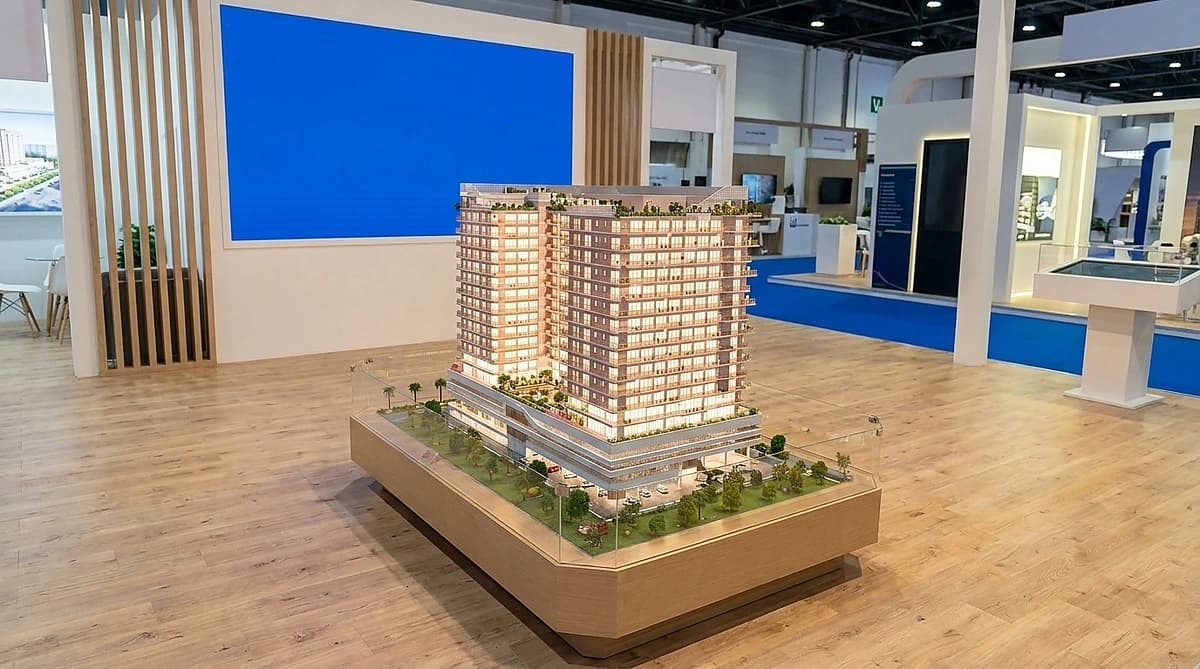
Abu Dhabi real estate hits $38.7bn in transactions
Abu Dhabi real estate recorded $38.7 billion in transactions, highlighting a surge in activity and growing international investor interest across sectors.
Arabian Business reported the $38.7 billion headline figure and tied the rise to strong foreign demand, describing foreign investment as driving a 69 per cent growth in activity. Analysts have pointed to a persistent price gap with Dubai roughly 30 per cent lower on comparable assets which is shaping buyer behaviour across residential and commercial markets.
For investors the numbers matter: a large transaction pool plus a 30% price differential versus Dubai creates both opportunity and scrutiny. The sudden rise in foreign flows creates liquidity and competition, but prospective buyers should weigh policy, supply additions, and how sustainable that 69% foreign-driven expansion will be over the next business cycles.
How large are Abu Dhabi real estate transactions?
How large are Abu Dhabi real estate transactions? Key Data
Transactions
$38.7bn
Foreign growth
69%
Price gap vs Dubai
30%
Currency
USD
Abu Dhabi real estate recorded $38.7 billion in transaction value, making it one of the most active Gulf markets in the latest reporting period. The headline figure signals material capital movement into both residential and commercial assets and reflects heightened deal activity across the emirate.
The $38.7 billion total coincided with reporting that foreign investment drove a 69% growth in market activity and that local prices remain about 30% below comparable Dubai assets. Those three figures $38.7bn, 69%, and 30% together define the current market story: heavy transaction value, a strong role for international buyers, and lower headline pricing relative to Dubai.
That snapshot is useful for strategy but not a guarantee. High transaction volume and rapid foreign inflows can compress yields if competition increases, or push valuations higher if supply is limited. Investors should watch whether the foreign-driven 69% gain sustains or moderates once initial repositioning and portfolio reallocations finish.
Why is foreign investment driving Abu Dhabi real estate growth?
Foreign investment has been the principal driver cited for the market’s expansion, accounting for the 69% growth figure reported alongside the $38.7 billion transaction total. Overseas buyers are attracted by relative affordability, strategic assets, and policy openness that make Abu Dhabi competitive versus Dubai.
The 69% foreign-driven increase underlines that much of the transactional momentum is cross-border. That influx complements domestic demand and helps explain why total deals hit $38.7bn even as headline prices sit about 30% lower than Dubai. For policymakers and developers, foreign capital matters because it brings liquidity, increases deal velocity, and can accelerate delivery timelines for large projects backed by international partners.
The reliance on foreign flows creates both upside and vulnerability. If global risk sentiment shifts or regulatory settings tighten, overseas demand could ebb and slow transaction volumes. Monitoring visa, ownership and tax frameworks will be critical to assess whether the 69% growth represents a durable structural shift or a near-term reallocation of regional capital.
| Metric | Value | Source |
|---|---|---|
| Total transactions | $38.7bn | Arabian Business |
| Foreign investment growth | 69% | Arabian Business |
"Abu Dhabi’s current inflows show international investors valuing lower entry prices and strategic diversification away from pricier neighbouring markets."
, Binayah Research Team
How do Abu Dhabi property prices compare with Dubai and what investor strategies work?
Abu Dhabi property prices trade at roughly 30% below comparable Dubai assets, offering investors a measurable price gap to exploit for value or yield-focused strategies. That price positioning has motivated part of the foreign interest that helped drive $38.7bn in transactions.
The 30% differential can shape concrete strategies: buyers seeking lower entry prices may target residential core assets or secondary commercial opportunities where yield conversion is faster. Overseas capital flowing into Abu Dhabi part of the 69% foreign-driven lift often looks for rental income and medium-term capital appreciation, treating the price gap as a cushion against volatility.
Risks remain in execution: lower headline prices do not automatically mean higher net returns after costs, and increased foreign competition can narrow margins. Investors should run scenario stress tests on occupancy, service charges and project delivery timelines rather than assuming simple arbitrage versus Dubai will deliver returns.
Key Insight
Price gap tip: A 30% price difference versus Dubai can create opportunity, but investors must model net yields after service charges and financing. Use the $38.7bn transaction backdrop as a liquidity indicator, not a guarantee of short-term returns.
What risks should investors watch in Abu Dhabi real estate?
Key risks include a potential cooling of foreign flows, changes to regulatory frameworks, and supply-side shifts that could pressure returns despite the $38.7bn transaction volume. The 69% foreign-driven growth and 30% price gap are central to the opportunity, but they also create sensitivity to external shocks.
If global capital reallocates away from Gulf real estate or if investor sentiment tightens, the same foreign demand that lifted transactions could contract, reducing liquidity and slowing price appreciation. Policy adjustments around ownership, visa rules or taxation would likewise alter the investment calculus and could materially affect deal economics.
Investors should watch three triggers closely: persistence of foreign inflows that produced the 69% growth, any narrowing of the 30% price gap with Dubai, and announced or actual new supply that may dilute near-term rental and capital returns. Scenario planning around each trigger will help distinguish tactical opportunities from structural risks.
Abu Dhabi real estate recorded $38.7 billion in transactions, with foreign investment cited as driving a 69% increase and headline prices roughly 30% below Dubai. Those three metrics frame the opportunity and the risks: strong liquidity and lower entry prices, but sensitivity to foreign flows and policy shifts.
Binayah Editorial
Property Market Analyst
Our editorial team researches Dubai's real estate market, tracking DLD data, developer launches, and investment trends to keep buyers and investors informed.
Ready to Invest in Dubai?
Speak with our analysts about the best opportunities in today's market, free consultation.