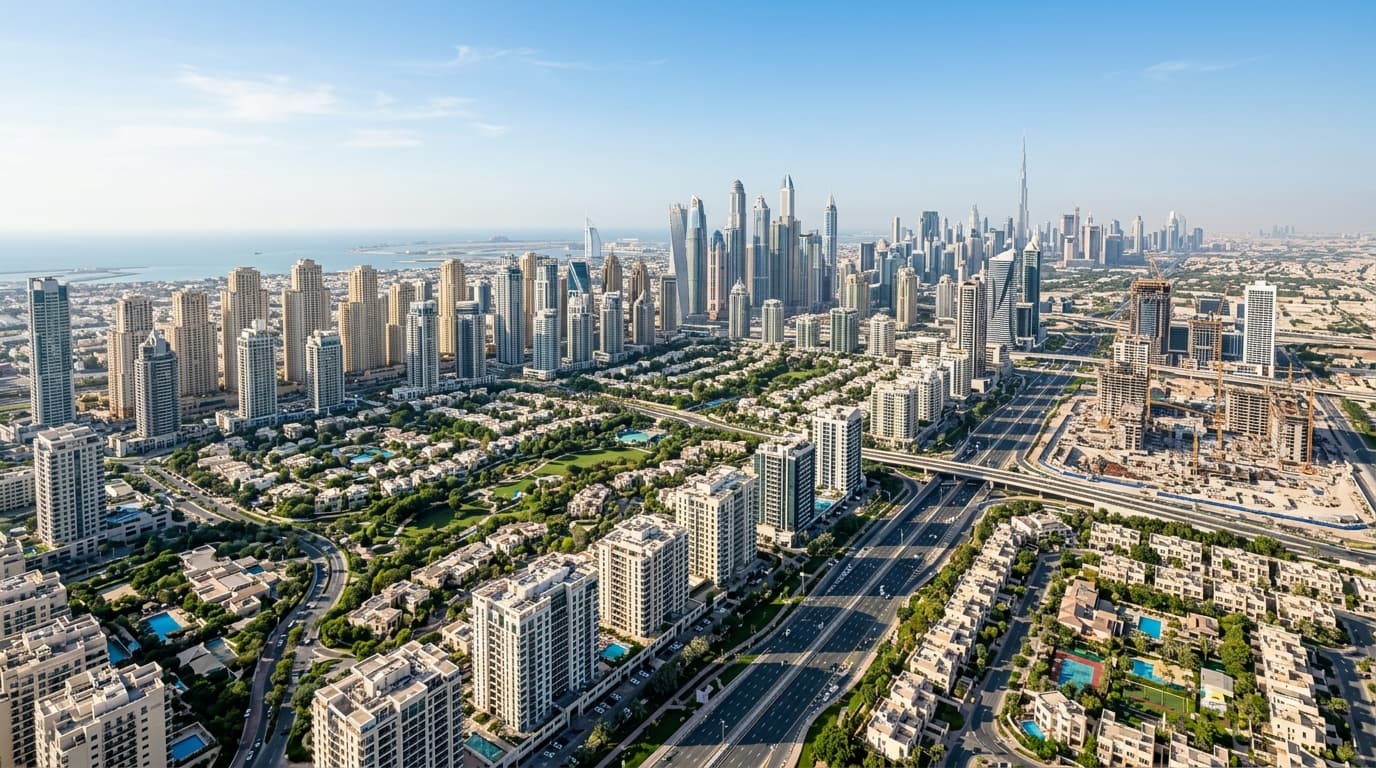
Why Off-Plan Still Attracts Investors
Off-plan means buying a property before or during construction, usually directly from the developer. The appeal is straightforward: entry prices are often lower than comparable ready homes, payments are spread over the build, and buyers in an appreciating area may see value grow before they even take handover. The trade-off is timing and delivery risk, which is why the choice of area and developer matters so much.
What Makes a Strong Off-Plan Area
No single neighbourhood is right for everyone, but the best off-plan locations tend to share a few traits:
- A genuine growth corridor, where new communities, transport and amenities are actively being built out.
- A strong, proven developer with a record of delivering on time and to specification.
- Sensible payment plans that match your cash flow rather than stretching it.
- Real demand drivers such as schools, retail, healthcare and connectivity that will attract future tenants and buyers.
Growth Areas Worth Watching in 2026
Several Dubai districts are frequently cited as long-term growth stories. Treat these as examples to research rather than guarantees, and confirm current pricing directly:
- Dubai South — a large master-planned zone anchored by aviation, logistics and the wider southern growth plan.
- Mohammed Bin Rashid City — a central, mixed-use district positioned between established hubs.
- Dubai Islands — a coastal regeneration area with waterfront and leisure ambitions.
- Emaar Beachfront — a branded waterfront community from a major developer.
- The Valley — a family-oriented, greener community on the city's expanding edge.
Each has a different profile in terms of price point, product type and buyer. The right pick depends on your budget, your investment horizon and whether you are targeting capital growth, rental income or both.
Payment Plans and Post-Handover Options
Developers typically structure payments around construction milestones, so you pay in stages as the project progresses. Many projects also offer post-handover plans, where a portion of the price is paid over a set period after you receive the keys. This can ease cash flow and, in a rented unit, let income contribute toward instalments. Always read the schedule closely, including what happens if timelines slip.
How to Reduce Your Risk
- Favour developers with a clear delivery history over unproven names.
- Confirm the project is registered and that your payments flow into the mandated escrow account.
- Check the community's live Dubai Land Department data to understand real transaction activity and supply.
- Keep the citywide average yield of about 4.7% as a sanity check when a project promises unusually high returns.
- Diversify rather than placing your entire budget in one launch.
Reading the Numbers Properly
Headline yields and "guaranteed" returns should always be stress-tested. On Binayah community pages you can review live Dubai Land Department data to see what comparable units actually sell and rent for, instead of relying on marketing projections. That grounding is often the difference between a confident decision and an expensive assumption.
The Bottom Line
Off-plan investment in Dubai can reward patient buyers who choose the right growth area, a reliable developer and a payment plan they can comfortably sustain. Do the homework on delivery risk, verify everything against DLD data, and avoid chasing hype. If you want a shortlist matched to your budget and goals, the advisors at Binayah can help you compare projects side by side and separate the promising launches from the noise.