UAE updates April 2024: flights, Dubai Walk, petrol
UAE updates April 2024 include reduced international flight schedules, Dubai Walk Phase 1 in Al Ras, and changing petrol costs affecting residents.
April’s national update bundles three practical changes residents and investors need to know: airlines are still operating smaller schedules with selective resumption to Dubai International Airport, Dubai Walk has opened its first phase in Al Ras which shifts local accessibility, and petrol pricing movements are affecting household transport costs. Each item influences daily life and short-term property demand in city-centre and older neighbourhoods.
Taken together these developments change travel convenience, short-stay visitor patterns, and running costs for tenants and homeowners. For property owners and managers the essentials are clear: expect intermittent flight availability, rising emphasis on walkable precincts around Al Ras, and increased focus on transport budgets when assessing tenant affordability and rental demand.
Are flight schedules to Dubai reduced in April 2024?
Are flight schedules to Dubai reduced in April 2024? Key Data
Status
Reduced schedules
Airport
Dubai International (DXB) resuming some services
Impact
Short-term travel unpredictability
Month
April 2024
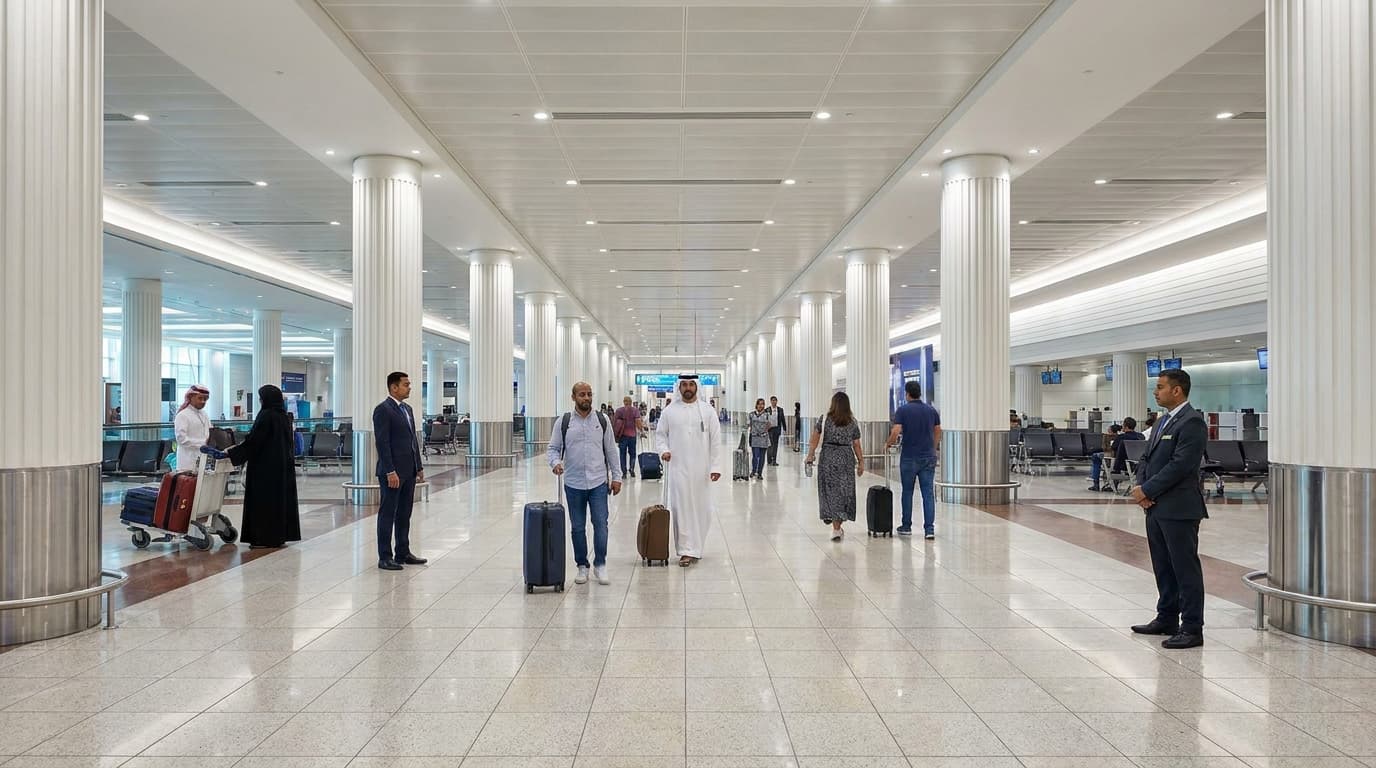
Yes, flight schedules to Dubai remain reduced in April 2024, with many airlines operating fewer services even as some routes begin to resume to DXB.
Reduced schedules mean fewer seat options and more irregular timetables for travellers and business visitors. That change affects inbound demand for short-stay rentals and city-centre hotels because arrival patterns are less predictable. For renters and landlords this can translate to shorter high-season windows and unpredictable leisure demand in communities near Dubai International Airport and central tourism hubs.
The main strategic risk is timing: properties that rely heavily on transient tourists or short-term corporate stays may see occupancy ebb and flow with airline resumption patterns. Owners should monitor airline notices and port authority updates and consider flexible rental terms or targeted promotions for longer stays to offset irregular flight-driven demand.
Key Insight
Monitor airline and airport updates weekly; reduced schedules can compress booking windows and raise short-stay vacancy risk in central Dubai.
- Fewer flights means narrower arrival windows for tourists
- Short-stay and hotel demand may become more volatile
- Landlords should prepare flexible lease options
What does Dubai Walk Phase 1 in Al Ras mean for neighbourhoods?
What does Dubai Walk Phase 1 in Al Ras mean for neighbourhoods? Key Data
Project
Dubai Walk Phase 1
Location
Al Ras
Status
Officially launched
Primary effect
Increased walkability
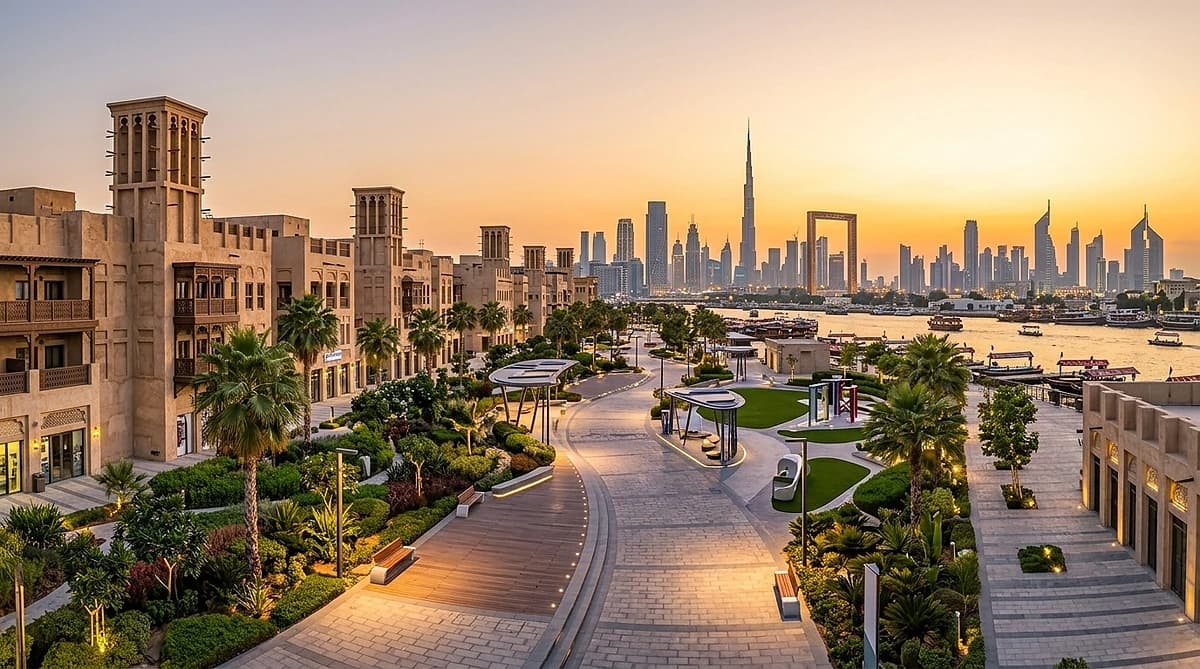
Dubai Walk Phase 1 in Al Ras has officially launched, creating a more walkable public realm that changes how locals and visitors move through the historic riverside district.
Improved pedestrian routes, new public spaces and ground-level activation in Al Ras typically increase foot traffic for shops and cafes and make nearby residential blocks more desirable for renters who prioritise walkability. That shift often strengthens demand for smaller apartments and older stock close to the new walkways, while boosting the appeal of short-term holiday lets located within easy walking distance of the pedestrian route.
The longer-term nuance is infrastructure phasing: Phase 1 establishes a pattern but full neighbourhood uplift depends on later phases and supporting services such as safety, lighting and retail tenancy mix. Investors should watch occupancy trends and rental enquiries in Al Ras and adjacent precincts to see whether footfall converts into sustained rental premiums.
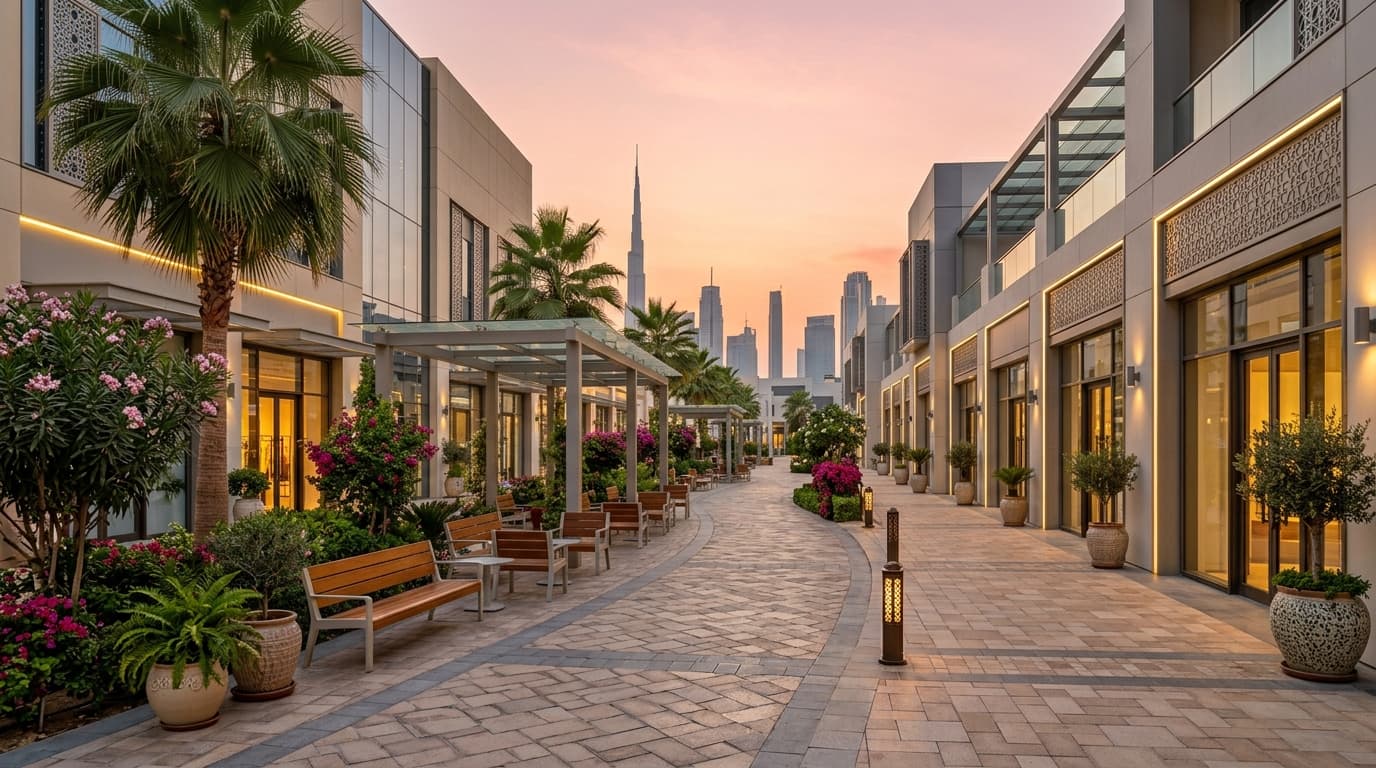
"Phase 1 in Al Ras shifts value toward walkable ground-floor retail and compact rental units close to the riverfront."
, Binayah Research Team
Key Insight
Properties within a short walk of Dubai Walk often gain tenant interest faster; track retail openings and footfall to assess if higher rents follow.
- Walkability improves local retail viability
- Demand may rise for small, well-located apartments
- Neighbourhood uplift depends on follow-through phases
How are petrol prices affecting residents in April 2024?
How are petrol prices affecting residents in April 2024? Key Data
Topic
Petrol prices
Impact
Higher household transport costs
Effect
Greater demand for central or connected locations
Month
April 2024
Petrol pricing movements in April 2024 are creating cost implications for residents who rely on private transport, increasing household running costs and influencing commuting choices.
Higher fuel expenses tend to raise monthly transport budgets for families and workers who drive, which in turn affects disposable income available for rent and lifestyle spending. For areas less well served by public transport, rising petrol costs can suppress long-distance commuting and shift tenant preference toward more central or well-connected neighbourhoods where travel costs are lower in practice.
For property strategy the risk is twofold: reduced affordability for renters facing higher transport bills, and potential softening of demand in outer suburbs if public transport alternatives are limited. Landlords should factor transport cost sensitivity into rental pricing and marketing, emphasising proximity to transit or presenting energy-efficient features.
Key Insight
When fuel costs rise, proximity to transit becomes a measurable rent driver; consider upgrades that cut tenant transport needs.
- Rising petrol costs reduce renter disposable income
- Outer suburbs may see reduced demand pressure
- Transit-accessible units become comparatively more attractive
What do April 2024 updates mean for property strategy?
What do April 2024 updates mean for property strategy? Key Data
Strategy focus
Flexibility and location advantage
Short-term actions
Monitor flights, market walkability, review pricing
Risks
Airline timing and fuel volatility
Period
April 2024 considerations
The April 2024 updates mean short-term property strategy should prioritise flexibility around travel-driven demand, walkability advantages, and transport cost sensitivity.
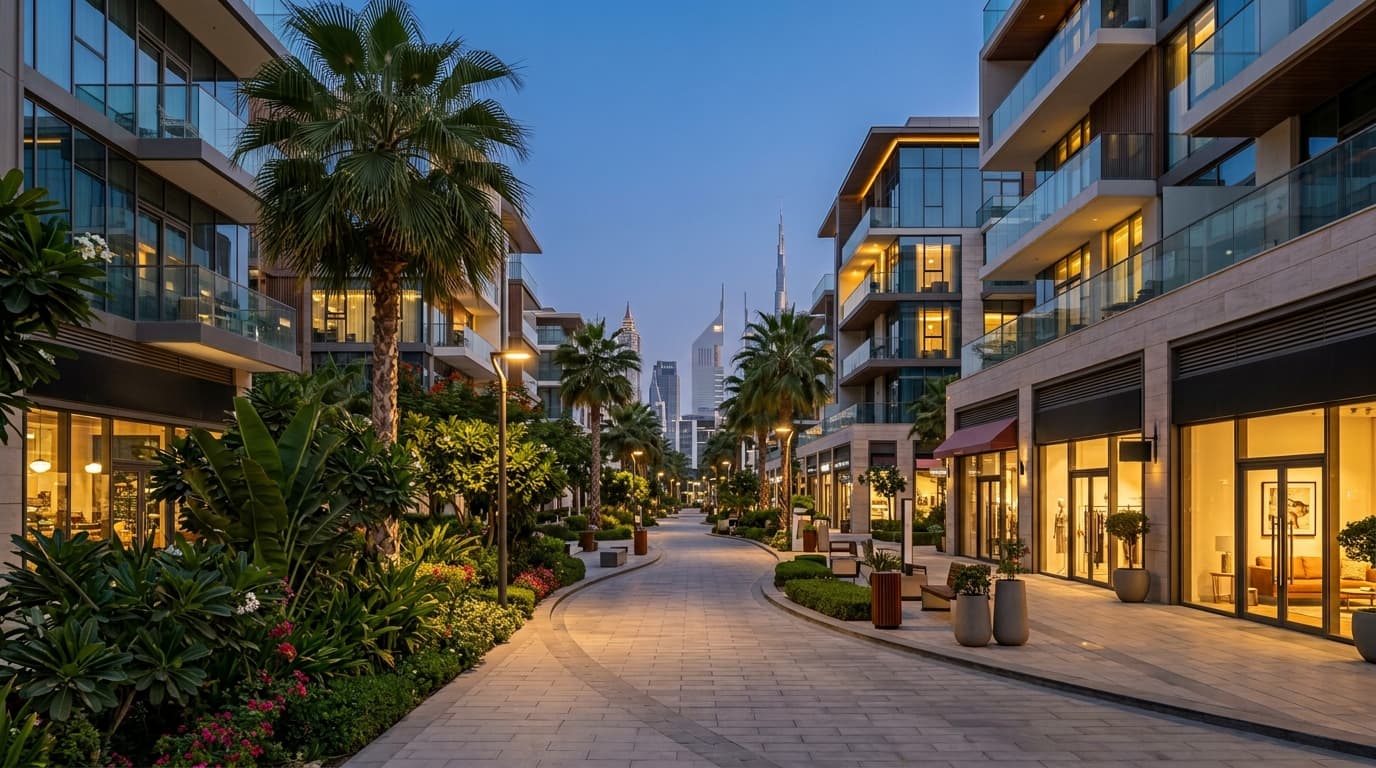
Practically, that translates into three actions: monitor arrival patterns tied to airlines for short-stay planning, capitalise on Dubai Walk Phase 1 by marketing nearby units for convenience and pedestrian access, and factor petrol-driven affordability pressures into rental pricing for commuters. Each update nudges demand in predictable directions: irregular tourist flows, stronger interest in walkable Al Ras locations, and heightened attention to commuting costs among renters.
Risks include timing uncertainty for airlines and future phases of walk infrastructure, and volatile fuel-related household spending. Owners and property managers should use short-term leasing flexibility, targeted amenity messaging, and a watchful approach to rent adjustments to manage occupancy and protect income while these broader shifts settle.
Key Insight
Adopt flexible leases and emphasize walkability or transit access in listings to reduce vacancy risk during irregular travel periods.
- Track airline schedules to time short-stay offers
- Promote proximity to Dubai Walk for Al Ras listings
- Adjust rent strategy for commuter cost sensitivity
April 2024’s key facts are simple: flight schedules remain reduced with selective resumption to DXB, Dubai Walk Phase 1 has launched in Al Ras and petrol costs are influencing household transport budgets. Together these changes favour walkable, transit-connected properties and require flexible short-term leasing to manage irregular tourist and commuter demand.
Binayah Editorial
Property Market Analyst
Our editorial team researches Dubai's real estate market, tracking DLD data, developer launches, and investment trends to keep buyers and investors informed.
Ready to Invest in Dubai?
Speak with our analysts about the best opportunities in today's market, free consultation.