UAE food security system: 5 strengths that keep supplies steady
UAE food security system shows resilience after 5,000 tonnes of imports helped stabilise markets and maintain supply continuity across the country.
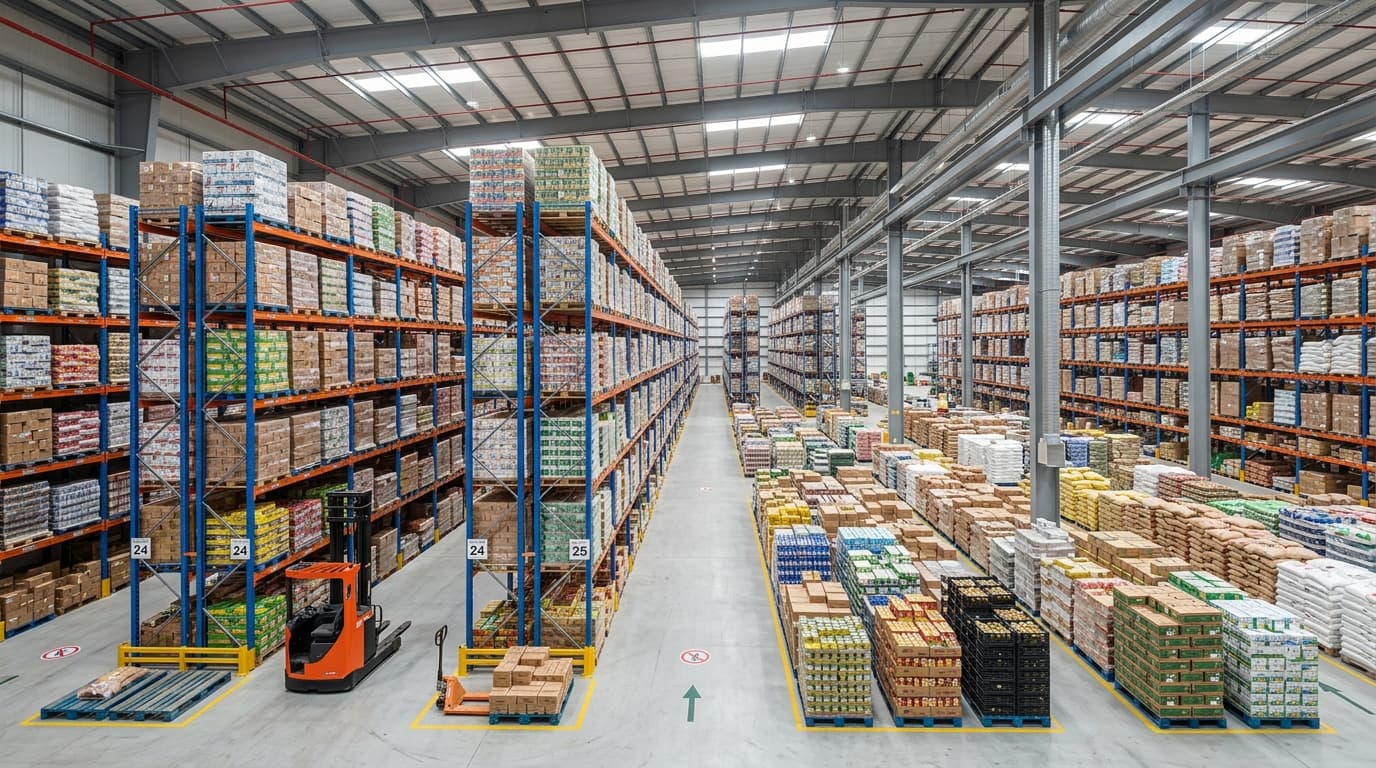
The UAE food security system relies on diversified international supply chains, advanced cold-chain logistics and targeted reserves to protect consumers and businesses. Arabian Business reported recent shipments of 5,000 tonnes reinforcing this approach, and public statements emphasise coordination between federal bodies and private importers. These pillars shorten time to market, reduce spoilage and keep retail shelves supplied even when global shocks occur.
That combination of sourcing, logistics and oversight explains why retail markets have remained stable. The system is not risk free; transportation bottlenecks, port congestion or regional disputes can raise costs and interrupt specific items. Still, the current mix of global suppliers, rapid transit and buffer stocks gives the UAE a clear operational advantage compared with countries more dependent on single-source imports.
How do global sourcing networks support the UAE food security system?
How do global sourcing networks support the UAE food security system? Key Data
Imports
5,000 tonnes
Sourcing
Global
Routes
Diversified
Status
Stable
Global sourcing networks support the UAE food security system by diversifying import routes and suppliers, so shortages in one country do not cascade into local stockouts and price spikes.
Arabian Business confirmed recent imports totalling 5,000 tonnes as part of this diversified approach, showing that the UAE sources food from Europe, Asia, Africa and the Americas. Diversified trade lanes reduce reliance on one corridor, so delays at a single port or supplier shortages do not immediately affect supply across the country. That geographic spread also allows the UAE to shift volumes quickly if harvests or shipping conditions change elsewhere, which supports market continuity and trade resilience.
The key risk is complexity. Managing multiple supplier contracts raises forecasting and quality-control requirements, and shipping insurance and freight costs can vary. For policy makers and importers, the priority is keeping customs, inspection and certification processes efficient so the benefits of sourcing diversity are not eroded by paperwork or transit delays.
How do cold chain systems and rapid transit strengthen UAE food security?
Advanced logistics, including cold chain and rapid transit, strengthen the UAE food security system by preserving perishable goods and reducing time from ship to shelf, which limits waste and supports stable prices.
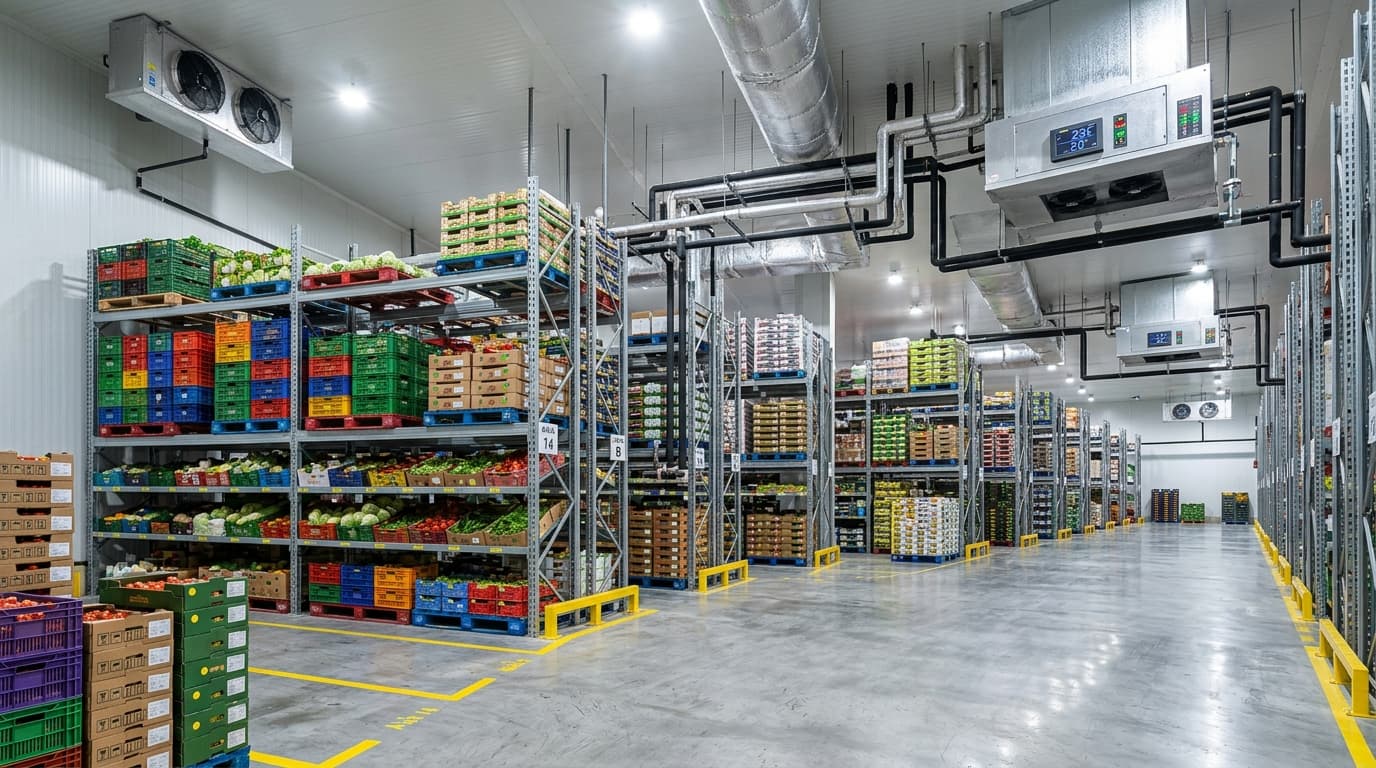
Cold-chain infrastructure and expedited sea and air freight mean perishable imports reach markets market-ready, reducing spoilage rates and protecting consumer choice. Arabian Business highlighted that recent imports of 5,000 tonnes benefited from these logistics, demonstrating how refrigerated storage and fast customs clearance keep fresh produce and proteins available. Efficient logistics also reduce the need for high price mark-ups to cover loss and risk, helping retailers and consumers alike.
Logistics are expensive to build and operate, and they require ongoing investment and regulatory alignment. If cold-chain capacity is constrained by demand surges or power disruptions, spoilage risk increases quickly. The UAE mitigates this by combining public inspection efficiencies with private sector investment in temperature-controlled warehousing and faster transit lanes.
| Logistics element | Primary role | Main benefit |
|---|---|---|
| Cold-chain storage | Maintain temperature for perishables | Reduces spoilage, protects supply |
| Rapid air-sea transit | Shorten transit time | Keeps fresh items market-ready |
"Efficient cold chains reduce spoilage and stabilise prices by keeping perishable imports market-ready."
, Binayah Research Team
Why are UAE food markets stable despite global shocks?
Why are UAE food markets stable despite global shocks? Key Data
Recent imports
5,000 tonnes
Market condition
Stable
Inventory
Available
Risk
Manageable
UAE food markets remain stable because the UAE food security system uses diversified sourcing, logistics and targeted reserves to smooth supply and price movements for consumers.
The Arabian Business report and government briefings point to recent imports totalling 5,000 tonnes as evidence that operational mechanisms work in practice. Those imports, combined with fast clearance and distribution networks, help keep supermarket shelves stocked and limit abrupt price spikes. Stability comes from predictable supply flows and responsive logistics, which allow retailers to plan inventory and avoid panic buying that otherwise drives volatility.
Stability does not mean immunity. Global commodity price swings, fuel costs and seasonal harvest cycles still influence retail prices. Policymakers monitor markets to avoid prolonged inflation in staple goods, and the system’s current strength depends on maintaining open trade corridors and sufficient inbound volumes.
How do strategic reserves buffer the UAE food security system from shocks?
How do strategic reserves buffer the UAE food security system from shocks? Key Data
Reserve role
Buffer shortages
Recent imports
5,000 tonnes
Focus
Staples
Cost factor
Rotation required
Strategic reserves buffer the UAE food security system by holding targeted stockpiles that can be released quickly to smooth short-term shortages and calm markets.
Strategic reserves are not necessarily large stockpiles of every item; they focus on staples and fast-moving goods so release decisions have maximum market impact. The 5,000 tonnes of recent imports reported by Arabian Business complement these reserves by replenishing commercial inventories and reducing pressure on public buffers. Reserves give authorities time to negotiate alternative shipments or activate contingency logistics routes when a supplier or corridor fails.
The drawback of reserves is cost and potential waste if items are held too long. Effective reserve policy requires rotation, quality control and clear trigger rules for release. That ensures reserves stabilise prices when needed without becoming an expensive long-term storage burden.
Key Insight
Maintaining strategic reserves requires active rotation and quality checks to avoid waste. Reserves should be sized to smooth short-term shocks, not replace commercial supply chains.
Who coordinates the UAE food security system between government and private sector?
Who coordinates the UAE food security system between government and private sector? Key Data
Coordination
Public and private
Facilitated imports
5,000 tonnes
Function
Rapid approvals
Challenge
Communication
Coordination between government bodies and private importers underpins the UAE food security system, aligning trade policies, inspections and distribution to ensure continuous supply and market stability.
Public agencies set import rules, inspection standards and clearance priorities, while private wholesalers and logistics firms operate the supply chains that move goods from ports to retailers. Arabian Business cited recent shipments totalling 5,000 tonnes that were facilitated by streamlined customs and private sector logistics, showing how cooperation reduces delays. This coordination also enables rapid rerouting of shipments and faster approvals for emergency consignments when needed.
The main coordination challenge is maintaining clear communication and contingency plans across multiple stakeholders. Regular simulation exercises, shared data on inventories and agreed emergency protocols help reduce friction and keep the system responsive during unexpected disruptions.

- Public agencies set import and inspection rules
- Private logistics deliver speed and storage
- Shared protocols enable emergency responses
The UAE food security system rests on five practical strengths: global sourcing, advanced logistics, market stability, strategic reserves and public-private coordination. Recent reporting highlighting 5,000 tonnes of imports illustrates how these pillars operate together to keep supplies steady and reduce the chance of abrupt shortages.
Binayah Editorial
Property Market Analyst
Our editorial team researches Dubai's real estate market, tracking DLD data, developer launches, and investment trends to keep buyers and investors informed.
Ready to Invest in Dubai?
Speak with our analysts about the best opportunities in today's market, free consultation.