Emirati Women's Day: What it marks and how Dubai celebrates
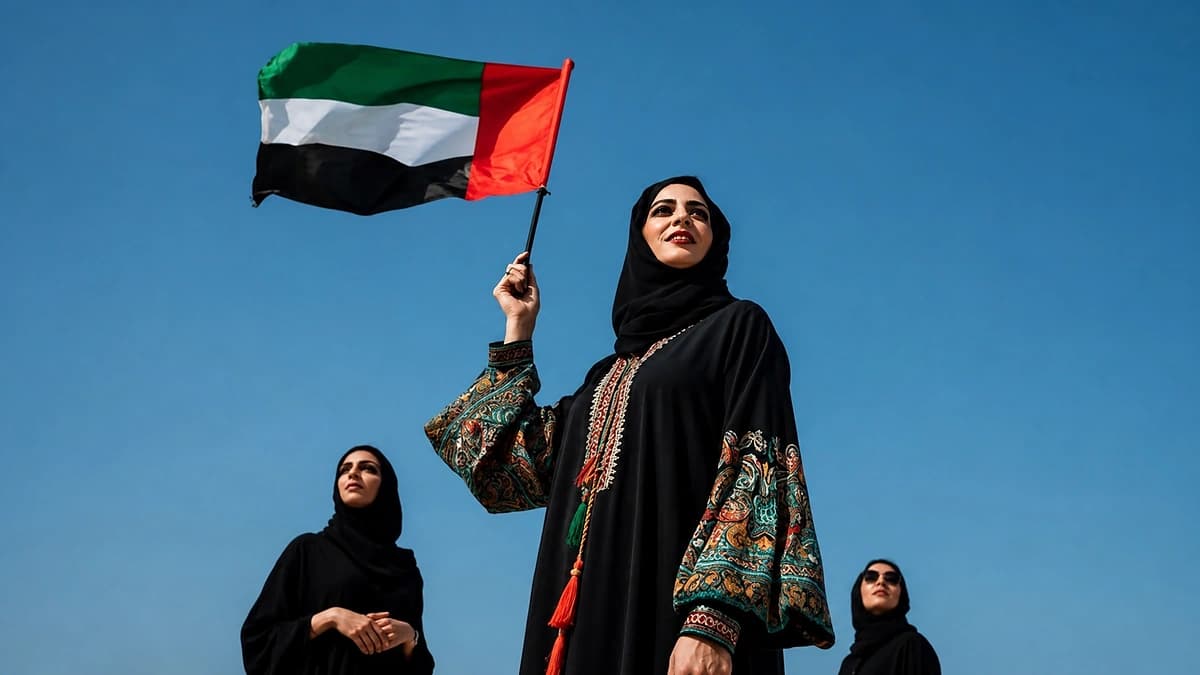
Emirati Women's Day honours the role of Emirati women in public life and family, celebrating achievements and inspiring future generations across the UAE.
Emirati Women's Day was launched to recognise the contributions of Emirati women who have helped shape the nation across government, education, business and community life. The day brings together public institutions, schools and neighbourhood groups to spotlight women's leadership, professional success and cultural contributions without focusing on any single sector.
The celebrations blend formal recognition with grassroots activity. Typical elements include school programmes, workplace talks, cultural exhibitions and family gatherings. The effect is practical as well as symbolic: visibility for women in public roles and encouragement for younger Emirati girls considering careers and public service.
What does Emirati Women's Day mark?
Emirati Women's Day marks the recognition of Emirati women's contributions to the nation in public life, the economy and family roles.
The day was created to celebrate achievements across many fields and to raise public awareness of women's leadership and service. It highlights stories of educators, health workers, public servants and community volunteers and positions those stories in schools, government briefings and cultural programmes. The emphasis is on recognition, role modelling and showing tangible career pathways for younger Emirati women.
As a public moment the observance reduces invisibility and promotes policy conversations. It does not replace policy action but complements it by celebrating role models and encouraging mentorship. Organisers and communities must balance celebration with meaningful follow-up so recognition leads to training, workplace change and long term opportunity rather than a single annual spotlight.
- Purpose: Recognition and visibility
- Common settings: schools, cultural centres, workplaces
- Focus: role models and mentorship
Where are Emirati Women's Day celebrations held in Dubai?
Emirati Women's Day celebrations in Dubai happen across government venues, cultural centres, schools and neighbourhood community halls.
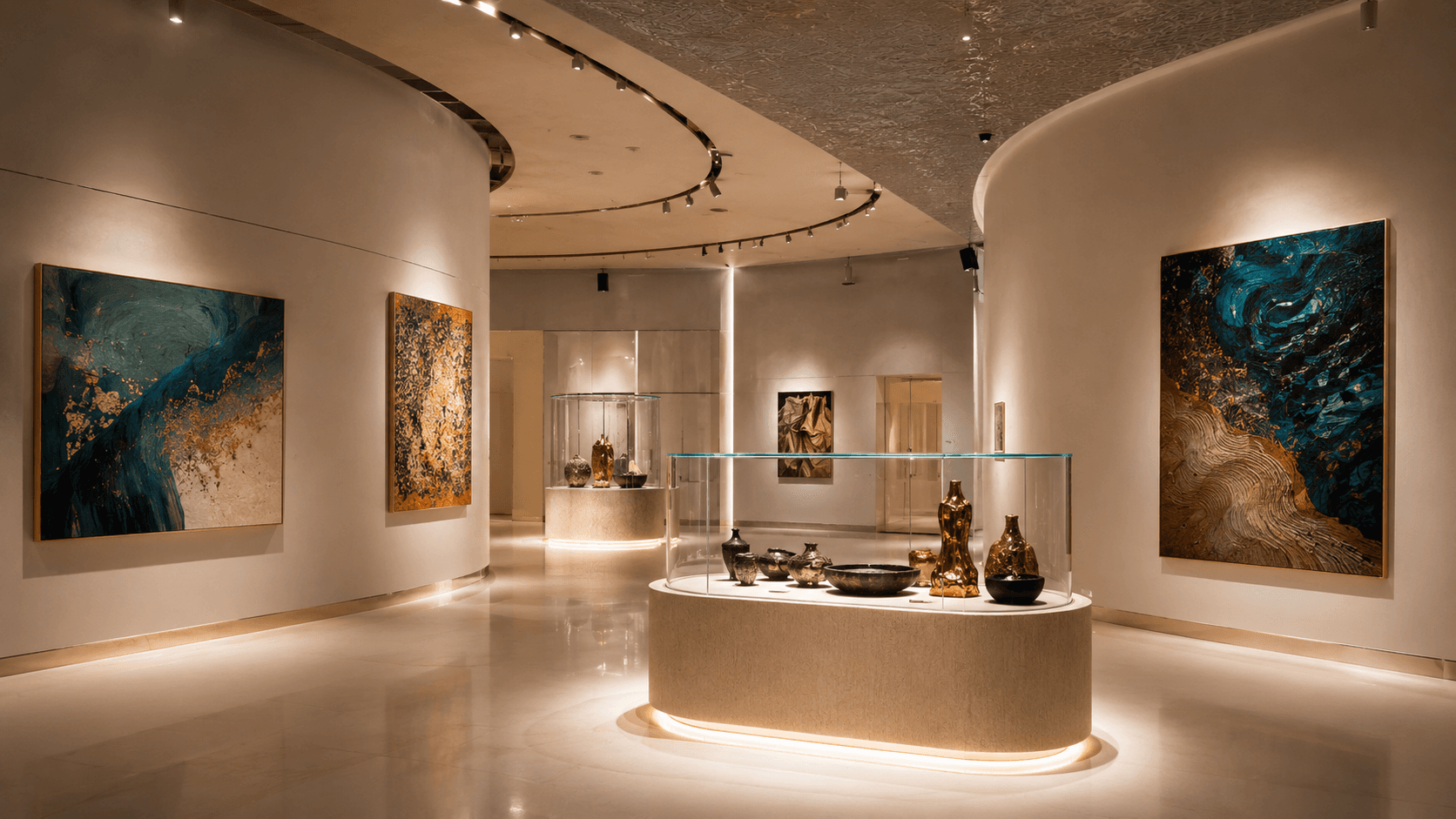
Events range from formal government ceremonies and panel talks to school assemblies and local exhibitions that profile women's achievements. Cultural centres and museums often host talks or displays that connect local heritage to contemporary women's roles, while workplaces run internal recognition programmes. This mix ensures that the day reaches both high-profile audiences and everyday neighbourhoods, reinforcing a citywide message about women's contribution.
The practical impact depends on breadth of participation. Large institutions amplify reach, while community events create personal connection and family engagement. For a lasting effect, organisers pair public events with follow-up actions such as mentorship schemes, career workshops or school partnerships so visibility turns into opportunity.
| Venue type | Typical activity | Audience |
|---|---|---|
| Government buildings | Ceremonies and awards | Officials and media |
| Schools | Assemblies and student projects | Families and students |
| Cultural centres | Talks and exhibitions | Public visitors |
| Community halls | Workshops and local events | Residents |
"Public ceremonies and grassroots gatherings together create visibility that normalises women's leadership across sectors."
, Binayah Research Team
How do families and communities join in Emirati Women's Day?
Families and communities observe Emirati Women's Day with home gatherings, school projects, and local recognition of women who contribute to community life.
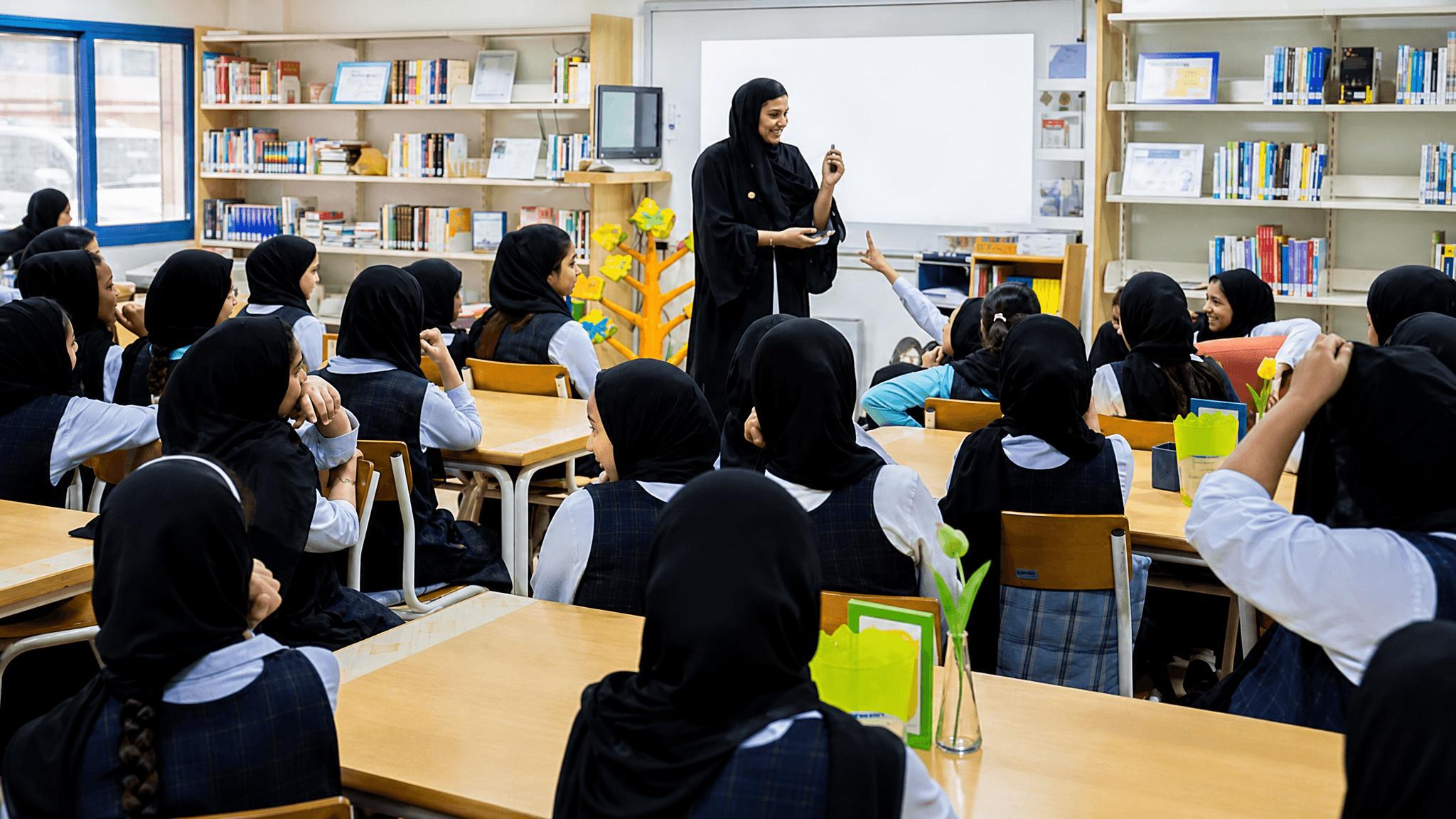
Common activities include sharing family stories about mothers and grandmothers, organising student projects that profile local women leaders, and small community events that honour volunteers and teachers. These local actions strengthen intergenerational ties and reinforce cultural pride while translating public recognition into personal examples within neighbourhoods and households.
There is a risk that celebration alone becomes symbolic if it is not reinforced by everyday practices. Communities that pair festivities with mentoring, volunteer recruitment or skills sessions increase the long term value of the day. Simple follow-up steps such as setting up a neighbourhood mentoring circle or school career talks can sustain momentum after the event.
Key Insight
Tip: After any local event, create a short list of follow-up actions such as mentorship matches or a school talk schedule to turn celebration into sustained support.
- Family focus: storytelling and role models
- Schools: student-led projects and essays
- Community: volunteer recognition and skills workshops
What is the cultural and long term impact of Emirati Women's Day?
Emirati Women's Day contributes to a cultural shift by increasing visibility of women in public roles and inspiring policy conversations about inclusion.
By regularly spotlighting women's achievements, the observance helps normalise female leadership in professions and public life. The cultural effect is cumulative: repeated recognition reinforces acceptance of women in nontraditional roles and encourages younger generations to pursue diverse careers. Over time these cultural signals support recruitment, mentoring and educational choices that expand women's participation across sectors.
The long term impact depends on follow-through from institutions and communities. Without complementary measures such as training programmes, workplace policies and mentorship, the day risks being mainly ceremonial. Effective outcomes combine visibility with concrete steps like career development, educational scholarships or community mentorship to convert recognition into measurable opportunity.
- Cultural role: normalising leadership
- Long term need: follow-up programmes
- Measure of success: sustained participation
Emirati Women's Day is a national moment of recognition that spotlights Emirati women's leadership across public life, family and community. The day gains long term impact when public ceremonies and neighbourhood activities are paired with follow-up steps such as mentorship, training and school programmes to convert visibility into sustained opportunity.
Binayah Editorial
Property Market Analyst
Our editorial team researches Dubai's real estate market, tracking DLD data, developer launches, and investment trends to keep buyers and investors informed.
Ready to Invest in Dubai?
Speak with our analysts about the best opportunities in today's market, free consultation.