TROOPER surge UAE: Eightfold rise in preparedness demand
TROOPER UAE surge drove an eightfold increase in demand as residents across Dubai and Abu Dhabi embraced a preparedness mindset.
TROOPER's rapid rise is linked directly to amplified social media visibility, which the startup reported as the main channel driving awareness and orders. The eightfold increase equals an 800% surge in measured demand, a rate that moves preparedness from niche to mass-market in weeks rather than months.
The behavioural shift matters for real estate because households now prioritise storage, safety supplies and in-home resilience. Estate managers, retailers and investors can use the TROOPER signal to adjust inventory, amenity offerings and revenue forecasts while monitoring whether the 800% jump sustains or softens with time.
What does TROOPER surge UAE mean for consumer behaviour?
What does TROOPER surge UAE mean for consumer behaviour? Key Data
Demand rise
800%
Region
Dubai and Abu Dhabi
Channel
Social media amplification
Category
Emergency preparedness
TROOPER's eightfold surge signals a clear shift: UAE consumers are prioritising emergency preparedness faster and at greater scale than before, driven by social media amplification and peer sharing.
The startup reported an eightfold rise, which is a measurable 800% increase in demand across UAE markets, notably in Dubai and Abu Dhabi. That rise has concentrated interest in compact home kits, personal safety items and digital readiness tools. Social channels accelerated reach, reducing the usual months-long awareness curve to weeks and driving a higher conversion rate among younger, digitally connected households.
The nuance is durability: an 800% spike can reflect both permanent behaviour change and a short-term reaction to heightened visibility. Retailers and product designers should treat the surge as a window for trial and education, while tracking repeat purchase rates and active users to separate a fad from a sustainable new consumer routine.

How does the TROOPER surge UAE affect the property market?
The TROOPER surge UAE is increasing short-term consumer demand for in-home preparedness products and modestly shifting household purchase priorities, which can influence amenity expectations and small-item retail performance in residential buildings.
An 800% jump in demand means more residents are likely to ask estate managers and landlords for storage solutions, safe-storage lockers and clearer emergency information. For mixed-use developments with retail podiums, higher footfall to convenience stores and quick-win revenues from starter kits are plausible. Developers who recognise this signal may trial pop-up retail, co-branded safety kits in handover packages or small amenity lockers to meet immediate resident needs without major capital investment.
Risks include over-investing in physical fixtures if the demand spike is short-lived. Property stakeholders should pilot low-cost, reversible solutions and measure resident uptake and repeat purchases before committing to large-scale amenity changes.
| Impact area | Short-term response | Measurement metric |
|---|---|---|
| Resident kit demand | Offer starter kits at concierge/retail | Take-up rate and repeat orders |
| Storage needs | Pilot extra locker space | Locker occupancy percentage |
| Retail footfall | Stock emergency items in podium stores | Weekly item sales (units) |
"An 800% demand spike is a user-behaviour signal worth testing with low-cost pilots before scaling building-level changes."
— Binayah Research Team
How should estate managers and retailers respond to TROOPER-driven demand?
How should estate managers and retailers respond to TROOPER-driven demand? Key Data
Pilot approach
Low-cost tests
Measurement
Week-over-week sales
Staff training
Resident advisory
Inventory focus
Starter kits
Estate managers and retailers should act quickly but cautiously: implement pilot programmes for emergency kits and information, measure uptake, then scale based on repeat-purchase and resident satisfaction data.
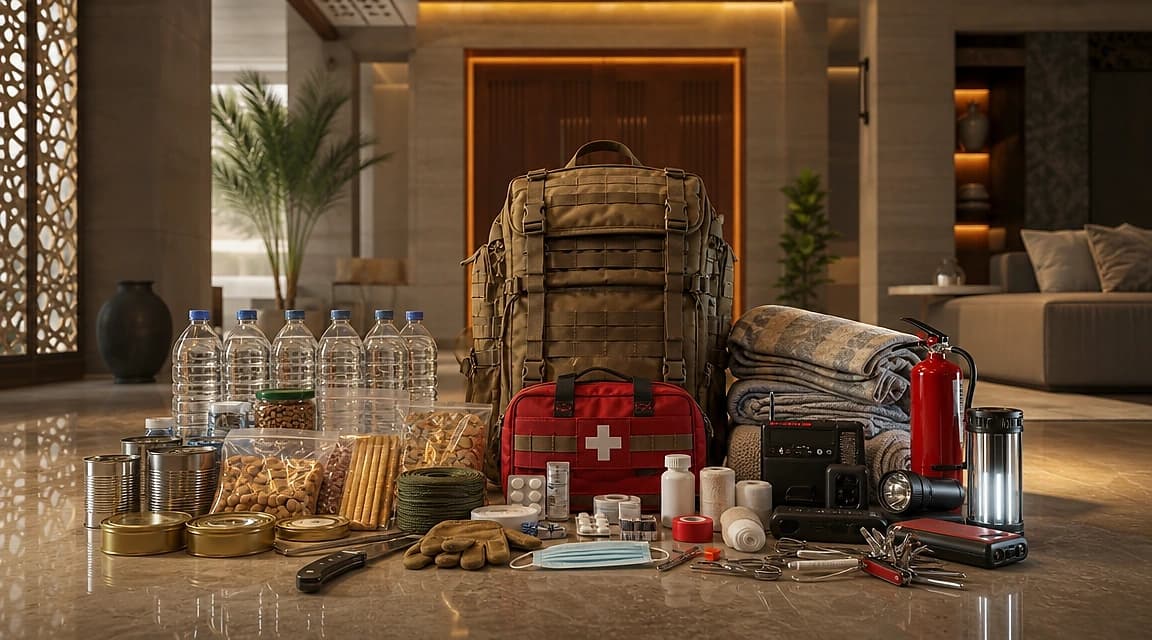
Operationally this means stocking entry-level preparedness items at concierge desks and retail units, adjusting inventory to meet an observed 800% surge in interest, and training staff to advise residents on simple resilience steps. For retailers, bundling small items into affordable kits can convert curious browsers into buyers. Estate managers can start with temporary lockers or pop-up displays to test demand before committing to permanent storage installations or altered floorplans.
The primary risk is stocking expensive, slow-moving inventory in response to a potentially temporary spike. A conservative strategy uses modular pilots, clear metrics such as week-over-week sales and return rates, and feedback loops with residents so that investments match sustained behaviour rather than a viral moment.
Key Insight
Start small and measure fast. Use temporary displays and concierge sales to test real resident demand after the 800% spike. Avoid large capex until repeat purchase and satisfaction metrics confirm sustained behaviour.
What should investors watch next after TROOPER's surge?
Investors should watch three signals: repeat purchase rates, retention of new users, and whether social media interest converts into stable revenue streams rather than a single viral spike.
The initial eightfold, or 800%, increase is a market signal but not a guaranteed long-term trend. Investors should track unit economics for kits, average revenue per user, and partnerships with property managers that could embed products into handover packages. Opportunities exist in companies that can translate the 800% visibility into recurring subscriptions, B2B contracts with developers, or retail distribution agreements that ensure predictable revenue beyond the launch period.
Key risks include rapid customer acquisition costs that outpace lifetime value and a marketplace crowded by quickly launched competitors. Investors should prioritise businesses with clear repeat-purchase metrics, efficient distribution channels into residential developments, and proven retention after the initial social-media-driven spike.

- Monitor repeat purchase and retention rates
- Assess B2B channels with developers and estate managers
- Validate unit economics and customer LTV
TROOPER's reported eightfold, or 800%, surge is a clear consumer signal that emergency preparedness moved into mainstream consideration across the UAE. Estate managers, retailers and investors should treat the spike as a test case: run measured pilots, track repeat purchase and retention metrics, and only scale commitments when data confirms sustained demand.
Binayah Editorial
Property Market Analyst
Our editorial team researches Dubai's real estate market, tracking DLD data, developer launches, and investment trends to keep buyers and investors informed.
Ready to Invest in Dubai?
Speak with our analysts about the best opportunities in today's market — free consultation.