Sheikh Mohamed UAE stability: market stabiliser explained
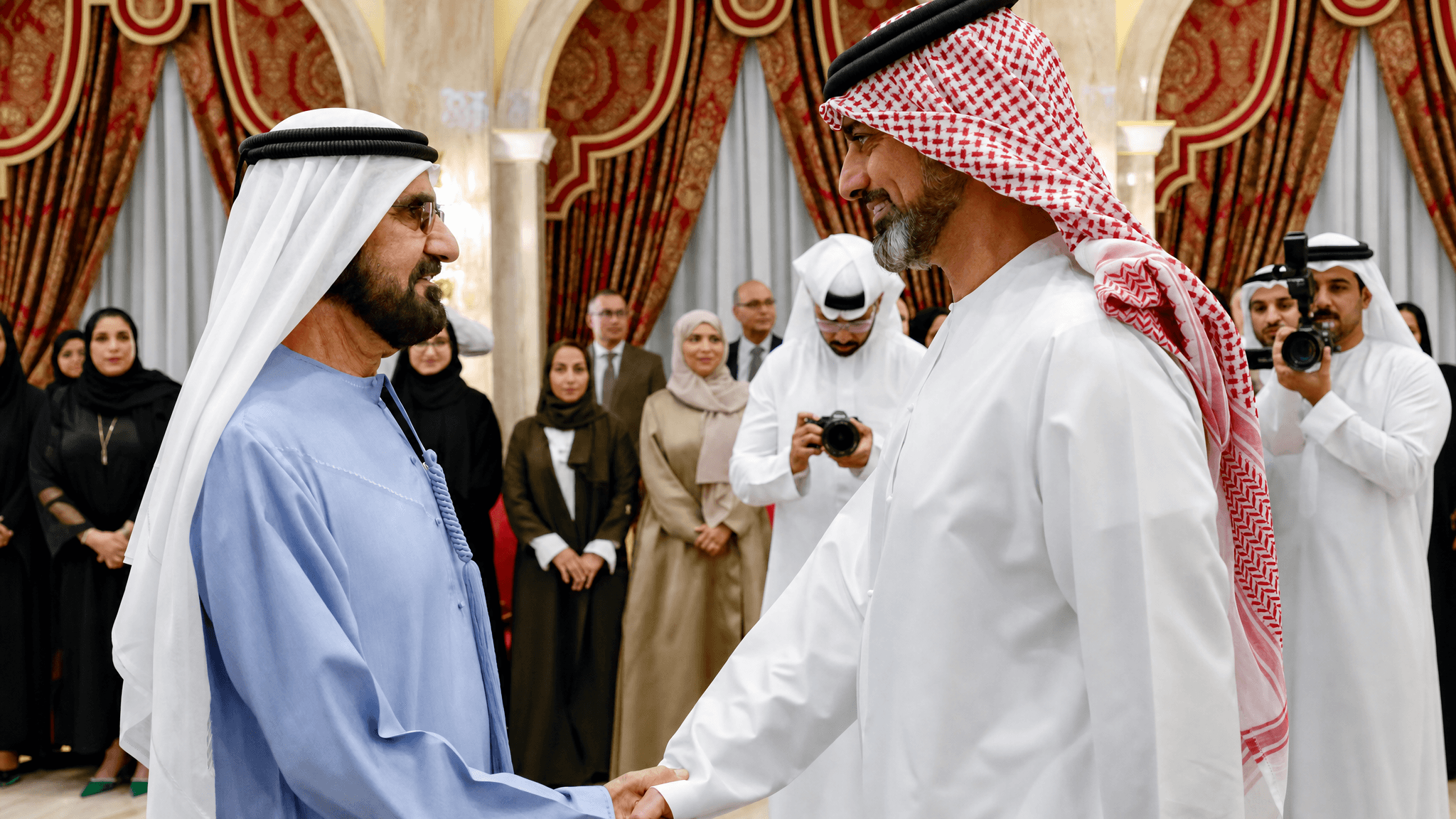
Sheikh Mohamed UAE stability was emphasised as he said the country is moving forward with confidence in a meeting with the Ajman Ruler.
The meeting between Sheikh Mohamed and the Ajman Ruler highlighted unity and warm personal ties at the federal level, a tone that matters for markets because stability lowers risk perception among investors and developers. Political reassurance like this usually reduces headline volatility and keeps large-scale project planning on track, especially for communities and masterplans that rely on sustained buyer confidence.
Local industry watchers interpreted the exchange of best wishes and warm discussions as a positive signal for transaction sentiment and developer timelines. While the meeting itself did not announce new policy, the public message of unity and confidence is often absorbed rapidly by capital markets and property buyers, shaping short-term decisions on launches, price expectations and holding strategies.
How does political stability stabilise the UAE property market?
How does political stability stabilise the UAE property market? Key Data
Tone
Warm
Message
Moving forward with confidence
Participants
Sheikh Mohamed, Ajman Ruler
Impact
Market reassurance
Political stability acts as a direct stabiliser for the UAE property market by lowering investor fear and supporting predictable planning for developers and buyers.
When leaders such as Sheikh Mohamed publicly emphasise unity and confidence, that signalling reduces the perception of political risk that can otherwise pause transactions or delay launches. The public exchange with the Ajman Ruler used warm language and best wishes, which market participants read as continuity of leadership tone rather than a change in direction. That psychological effect matters: confidence statements do not substitute for policy, but they make investors and developers more likely to proceed with discretionary moves such as off-plan commitments or construction milestones.
The risk is that reassurance without follow-up policy or fiscal signals can be short-lived, especially if external shocks arrive. Market participants should watch whether verbal confidence is matched by municipal approvals, infrastructure delivery and transparent timelines for planned projects. If those operational elements lag, the stabilising verbal effect may fade and sentiment could retrace.
Why does investor sentiment follow leadership cues in the UAE?
Investor sentiment in the UAE reacts quickly to leadership cues because those cues change perceived political continuity and policy certainty, which investors prize above short-term headlines.
Statements by senior leaders such as Sheikh Mohamed are treated as high-value signals because they reduce uncertainty about national priorities and inter-emirate coordination. The recent meeting with the Ajman Ruler, described publicly as warm and focused on wellbeing, reassures capital that federal and local rulers are aligned. That alignment encourages investors to maintain positions or proceed with new commitments, while developers interpret it as lower regulatory disruption risk and smoother approvals.
The caveat is that sentiment can be fickle: verbal reassurance stabilises expectations only when supported by observable actions such as timely permits, clear infrastructure plans and steady macro policy. Market participants will therefore watch the cadence of follow-up announcements and municipal execution to judge whether sentiment gains are durable.
| Leadership message | Immediate investor reaction | Developer response |
|---|---|---|
| Warm, confidence-focused statements | Reassurance; maintain or increase exposure | Proceed with planned launches and timelines |
| Clear coordination between emirates | Lower perceived regulatory risk | Faster permitting and financing discussions |
"Leadership signals consistency and cohesion; that steadies investor expectations even when no immediate policy changes follow."
, Binayah Research Team
What does Sheikh Mohamed's message mean for developers and projects?
What does Sheikh Mohamed's message mean for developers and projects? Key Data
Developer signal
Proceed with timetables
Operational focus
Financing and approvals
Buyer effect
Maintains confidence
Risk
Execution and supply-chain gaps
Sheikh Mohamed's public message of confidence gives developers tactical reassurance that market demand is less likely to be interrupted by political uncertainty.
Developers interpret stability signals as permission to keep project timetables and marketing plans on track, because buyer confidence is a central variable in launch success. The warm meeting tone with the Ajman Ruler suggests continued inter-emirate cooperation, which reduces the chance of abrupt regulatory surprises that can delay masterplans. That environment supports continued capital allocation into construction, sales campaigns and long-lead infrastructure investments that developers schedule well ahead of handovers.
Nevertheless, developers must balance confidence with operational discipline: verbal reassurance does not replace due diligence on project financing, supply-chain resilience or municipal approvals. Projects that rely on external capital or older off-plan inventories remain sensitive to market microconditions, so developers should monitor sales traction and adjust phasing rather than assume unlimited upside from positive leadership messaging.
Key Insight
Investors and developers should treat leadership reassurance as a favourable sentiment input but require matching operational evidence such as permit flow and construction progress before accelerating large commitments.
What is the short term outlook for the Dubai market after the meeting?
What is the short term outlook for the Dubai market after the meeting? Key Data
Outlook
Modest reassurance
Driver
Political continuity
Support
Developer focus on delivery
Risk
External macro shocks
The short-term outlook for Dubai is one of modest reassurance driven by political continuity and stable leadership messaging from figures like Sheikh Mohamed.
Public expressions of confidence, including the warm exchange with the Ajman Ruler, typically temper headline volatility and help sustain buyer interest in key communities and upcoming launches. While the meeting did not announce new policy, the signalling effect supports near-term transaction sentiment and keeps developers focused on delivery and marketing rather than defensive repositioning. Market watchers expect steady if cautious activity rather than abrupt swings.
Key risks remain external macro shocks, sudden global liquidity shifts or operational surprises at project level. The stabilising verbal signal improves sentiment but does not eliminate exposure to economic cycles or sector-specific execution challenges, so short-term optimism should be managed alongside readiness to respond to concrete data on sales and approvals as it appears.
- Positive leader messaging reduces headline-driven volatility
- Developers likely to maintain planned launch calendars
- Investors should watch municipal approvals and sales data
The meeting between Sheikh Mohamed and the Ajman Ruler delivered a clear tone of unity and confidence that stabilises short-term market sentiment without changing policy. That verbal reassurance supports developer planning and investor calm, but market participants should confirm durability by monitoring approvals, sales traction and execution on the ground.
Binayah Editorial
Property Market Analyst
Our editorial team researches Dubai's real estate market, tracking DLD data, developer launches, and investment trends to keep buyers and investors informed.
Ready to Invest in Dubai?
Speak with our analysts about the best opportunities in today's market, free consultation.