Salik 2025 results: AED 1.55bn profit explained
Salik 2025 results show AED 1.55bn profit and an AED 890m H2 dividend approved, highlighting toll revenue strength and pricing policy impact.
Salik reported a 2025 net profit of AED 1.55bn (about $422.1m) and approved an AED 890m H2 dividend (about $242.3m), according to the company statement covered by Arabian Business. These figures reflect a sizeable cash return to shareholders and higher toll receipts in the period reported, with the company citing operational changes as drivers.
The results were described as being boosted by new gate installations and the planned introduction of variable pricing in H1 2026. For investors and Dubai transport planners, the headline numbers provide a near-term picture of revenue strength and a clue to how pricing and capacity decisions could change traffic behaviour and funds available for road projects.
Salik 2025 results at a glance
Salik 2025 results at a glance Key Data
Profit
AED 1.55bn
H2 dividend
AED 890m
Profit USD equiv
$422.1m
Dividend USD equiv
$242.3m
Salik posted a net profit of AED 1.55bn in 2025 and approved an AED 890m H2 dividend, according to the company release referenced by Arabian Business.
The AED 1.55bn profit converts to approximately $422.1m and the AED 890m dividend equals about $242.3m, figures published in the same release. These headline numbers show both operational profitability and a large cash distribution to shareholders for H2, signalling solid free cash flow in the year.
For analysts, the immediate takeaway is that Salik converted traffic and tariff activity into cash. However, the sustainability of that cash generation will depend on traffic trends, the effectiveness of new gates, and how variable pricing planned for H1 2026 changes peak and off-peak volumes.
What drove Salik's stronger performance in 2025?
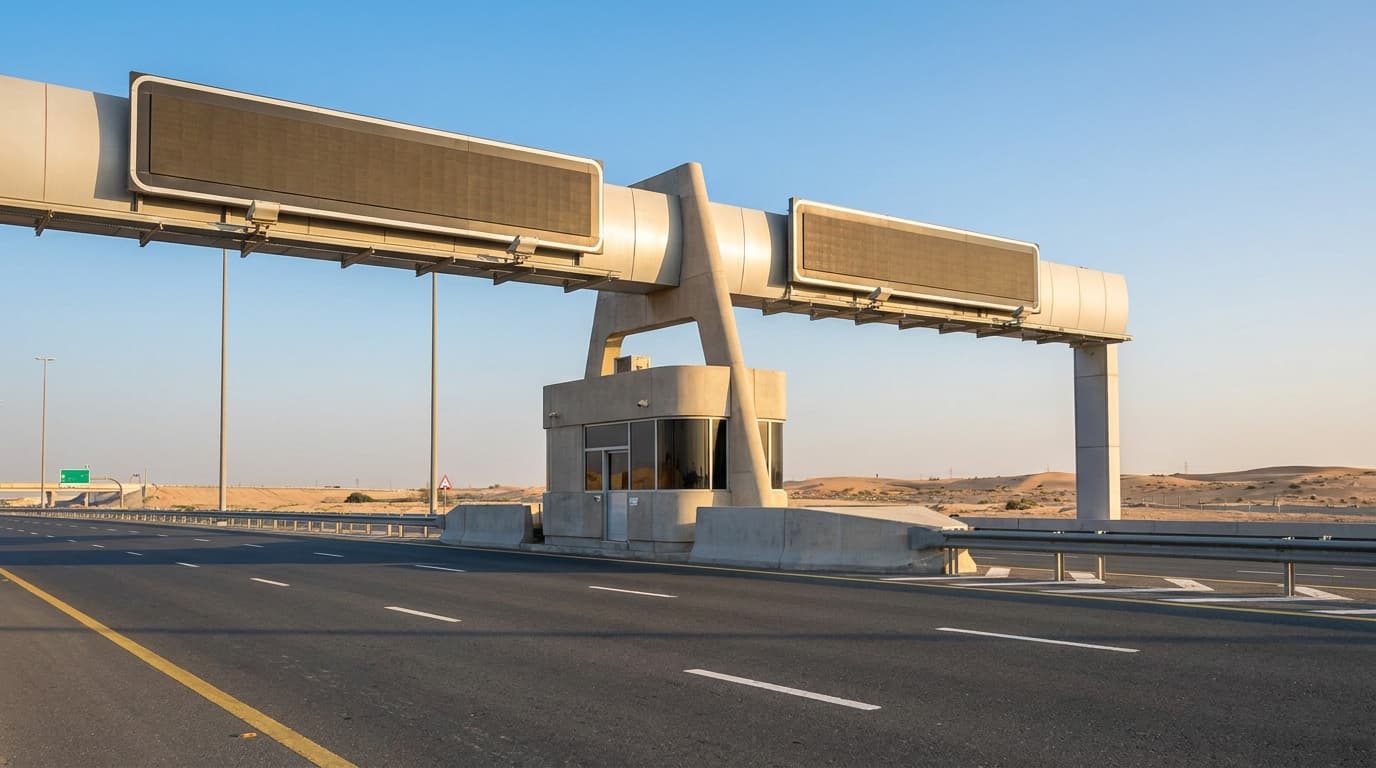
The company said new toll gates and changes to pricing dynamics were key drivers cited alongside higher traffic, which together lifted revenue and profit in 2025.
Specifically, Salik flagged the impact of recently installed gates and the operational levers that increased toll collections in the reporting period, and it has announced the introduction of variable pricing set to start in H1 2026. The 2025 profit of AED 1.55bn and the AED 890m H2 dividend reflect those revenue gains; management attributes the larger cash distribution to improved ticketing capture and gate coverage.
While infrastructure and pricing explained most of the upside, the company’s statement implies timing effects: one-off gate rollouts can boost a single year’s revenue, and the planned variable pricing in H1 2026 could redistribute future revenue between peak and off-peak periods. Analysts should separate one-off capture gains from recurring demand growth when modelling future cash flows.
| Metric | AED | USD |
|---|---|---|
| 2025 net profit | AED 1.55bn | $422.1m |
| H2 dividend approved | AED 890m | $242.3m |
| Planned pricing change | Variable pricing from H1 2026 | N/A |
"The 2025 results reflect operational capture from expanded gate coverage and a deliberate move toward demand-differentiated pricing, improving cash generation in the reported year."
, Binayah Research Team
What does Salik's 2025 profit mean for Dubai transport and investors?
Salik’s AED 1.55bn profit and the AED 890m H2 dividend signal stronger near-term cash returns and potentially greater funding available for transport projects or shareholder payouts.
For Dubai’s transport planners, the result suggests toll revenue can be a reliable funding source when gate coverage and pricing are optimised; for investors, the AED 890m H2 dividend about $242.3m is a concrete cash return that improves the investment case in the short term. The combination of higher profit and a material dividend underlines that toll operations converted usage into distributable cash in 2025.
Investors should treat the figures as a positive signal while factoring in policy risk: variable pricing in H1 2026 could alter traffic distribution, and any regulatory decision affecting toll levels would change revenue projections. The headline numbers are useful inputs, but modelling should separate recurring toll demand from one-off gate rollouts.

- Large cash return: AED 890m H2 dividend
- Strong net profit: AED 1.55bn in 2025
- USD equivalents: $422.1m profit, $242.3m dividend
Risks and watch points for Salik in the year ahead
Key risks include changes in traffic volumes, regulator decisions on toll policy, and the real-world effect of variable pricing due in H1 2026; any of these could reduce the expected revenue base behind the AED 1.55bn profit.
Variable pricing aims to shift demand but may lower total revenue if off-peak discounts dominate or if commuter behaviour changes lower overall journeys. The AED 890m dividend approved for H2 is large, and if traffic softens after pricing changes, future distributions could be smaller or more volatile. Monitoring post-implementation traffic counts and net revenue will be essential.
Watch points for investors are simple: track monthly toll receipts after gate rollouts, compare post-change traffic to the pre-change baseline, and watch for regulatory guidance that could alter toll levels or the scope of variable pricing.

Key Insight
Monitor post-implementation traffic and monthly revenue closely; the AED 1.55bn profit and AED 890m dividend are strong signals, but variable pricing in H1 2026 could change the revenue profile quickly.
Salik’s 2025 headlines AED 1.55bn net profit and an AED 890m H2 dividend show strong cash conversion in the reported year. These figures reflect gate rollouts and pricing actions, but the full revenue picture will depend on traffic responses to the variable pricing planned for H1 2026.
Binayah Editorial
Property Market Analyst
Our editorial team researches Dubai's real estate market, tracking DLD data, developer launches, and investment trends to keep buyers and investors informed.
Ready to Invest in Dubai?
Speak with our analysts about the best opportunities in today's market, free consultation.