
Dubai buses world record: what it means for property investors
Dubai buses world record highlights how the city’s bus network now covers more ground per vehicle than any other urban fleet.
What's On reported that Dubai buses have set a global milestone by covering more ground per vehicle than any other city's fleet, signalling a shift in operational reach and day-to-day mobility across the emirate. The announcement focuses attention on the scale and efficiency of bus operations rather than a single route or timetable change. The story is notable because public bus networks move large numbers of residents and workers while quietly shaping how neighbourhoods function.
For property buyers and landlords the Dubai buses story matters because transit performance affects commuting, tenant choice and neighbourhood appeal. Improved bus reach can increase practical accessibility for mid‑price and family rental segments, change short‑term rental demand patterns and push developers to prioritise sites near major corridors. Official operators and planners will decide how this record translates into route upgrades, scheduling or new hubs, which buyers and landlords should monitor closely.
Did Dubai buses set a world record on distance per vehicle?
Did Dubai buses set a world record on distance per vehicle? Key Data
Record
World-leading distance per vehicle
Source
What's On
Impact
Network reach and operational scale
Public data
No official numeric release yet
Yes. Dubai buses set a world record for covering more ground per vehicle than any other city fleet, according to media coverage by What's On. The report describes the milestone as a global first for per‑vehicle distance rather than a one‑route achievement.
The record highlights operational scale and reach across Dubai's bus network rather than an isolated service change. The media coverage emphasises that buses continue to move residents and workers across diverse neighbourhoods, keeping daily life and economic activity connected. No official AED figures or property‑value statistics were published alongside the announcement, and public agencies have not released a formal numeric breakdown of the record.
For property investors the immediate takeaway is practical: improved bus reach reduces friction for commuters and can broaden the pool of tenants willing to live outside immediate metro or tram corridors. That effect is strongest where frequency and reliability match route reach, and investors should watch operator announcements and route maps to see whether the record leads to sustained service improvements.
Why does the Dubai buses world record matter for property investors?
The Dubai buses world record matters because broader and more efficient bus coverage improves neighbourhood accessibility, which influences tenant choice and buyer demand. Better bus reach can make locations outside direct metro access more practical for commuters, widening the pool of viable neighbourhoods for renters and buyers.
Transport improvements change how people value proximity. When buses reach deeper into suburbs or run longer effective routes, tenants tolerate slightly longer walks if frequency and directness improve, which can raise demand in previously overlooked pockets. The announcement itself did not include property price or rent data, and no official AED impact figures were released with the story. Investors should therefore treat the record as a signal of operational capability rather than a guaranteed immediate price movement, and follow subsequent operator plans for timetable and route changes.
Strategically, investors should map bus corridors against neighbourhood stock, focusing on areas where improved bus reach complements existing amenities such as schools, retail and healthcare. That combination tends to sustain longer‑term rental interest more than a single service improvement. Watch for coordinated transport and urban planning announcements that convert operational records into concrete network upgrades.
| Transport factor | Investor effect | What to watch |
|---|---|---|
| Deeper route reach | Wider tenant catchment beyond metro corridors | Operator route maps and new service announcements |
| Improved frequency | Shorter effective commute times, higher rental appeal | Published timetables and peak service data |
| Link to hubs | Increased footfall for retail and transit-oriented housing | Plans for interchanges or new bus hubs |
"A world record for per‑vehicle distance highlights system reach, which often matters to where tenants decide to live more than headline survey figures."
, Binayah Research Team
How do transport links influence neighbourhood choice for buyers and landlords?
Transport links drive neighbourhood choice by shaping commute time, daily convenience and access to services, and the Dubai buses record underscores that effect. Buyers and tenants judge locations by how easily they reach work, schools and retail, not by distance alone, so stronger bus networks can raise a suburb's practical appeal.
In practice, enhanced bus reach helps mid‑market and family rental segments most, because these renters prioritise cost and convenience over premium rapid‑transit proximity. For landlords that means properties near regular bus stops with reliable schedules become easier to let and may enjoy steadier occupancy. The record itself is a system‑level indicator; investors should look for follow‑up evidence such as published route extensions, service frequency changes or new interchange hubs announced by the operator or city planners.
Risks remain: a better‑reported record does not automatically change local supply or service quality in every neighbourhood. Investors should still review micro factors like stop location relative to the building entrance, safety at night, and last‑mile connections, all of which determine whether a bus stop truly improves marketability for a specific unit.
Key Insight
When assessing a property, visit at typical commute times to check actual bus frequency and walking routes. A stop 300 metres away with hourly service is far less valuable than a stop 500 metres away with frequent, direct services.
What should buyers and landlords watch next after the Dubai buses world record?
Buyers and landlords should watch operator and planner announcements, published route maps and any timetable changes that turn the record into sustained service improvements. Those operational details determine whether the record produces measurable benefits for specific neighbourhoods.
Key items to monitor include official updates from the RTA or transit operator on new routes, frequency increases, extended service hours and plans for interchange hubs. Also watch municipal planning moves that align bus improvements with new mixed‑use developments or upgraded pedestrian links. The initial media report did not include numeric estimates for property impact, so investors must wait for follow‑up data to quantify effects at street level.
Finally, consider timing: short‑term market reactions can be speculative, while durable value shifts follow persistent service upgrades and predictable commuting patterns. Prioritise verified service changes and cross‑reference them with local amenities before making acquisition or rental strategy decisions.
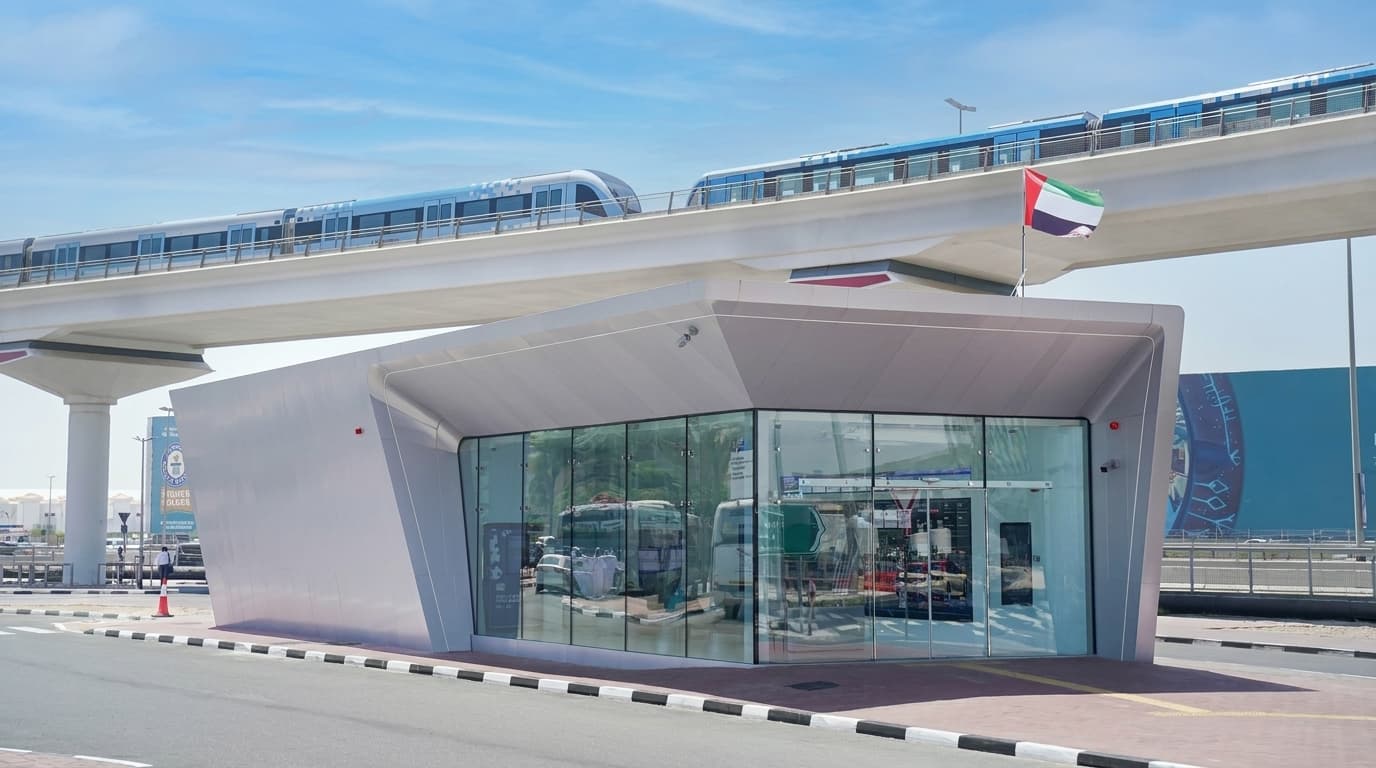
- Monitor RTA and operator route updates
- Check frequency and hours at peak times
- Map stops against local amenities and schools
The core finding is that Dubai buses have set a world record for ground covered per vehicle, signalling extended network reach rather than a direct market shock. For buyers and landlords the record is a useful operational signal; concrete value effects will depend on follow‑up route changes, frequency upgrades and official operator data rather than the headline itself.
Binayah Editorial
Property Market Analyst
Our editorial team researches Dubai's real estate market, tracking DLD data, developer launches, and investment trends to keep buyers and investors informed.
Ready to Invest in Dubai?
Speak with our analysts about the best opportunities in today's market, free consultation.