
Etihad fare cuts: impact on Dubai travel and property demand
Etihad fare cuts by Etihad Airways have reduced selected route fares by up to 50%, easing airfares into Abu Dhabi and affecting Dubai travel pricing.
Etihad Airways’ reduction, reported on selected routes by as much as 50%, reflects weaker travel demand across the Middle East and a tactical move by the carrier to stimulate bookings before peak summer pricing returns. Lower airline pricing typically filters into nearby hospitality markets. In this case, Abu Dhabi’s cheaper air access creates immediate changes in how travellers compare trip costs between Abu Dhabi and Dubai.
For Dubai real estate and short‑term rental markets the effect is tangible but not uniform: lower fares tend to reduce average night rates for hotels and holiday lets when leisure travellers shift their destination or postpone travel, yet the impact usually fades if demand recovers or if carriers rollback discounts. The report below examines short‑term effects on travel, hotel and rental pricing, investor implications and practical steps for owners and buyers.
How are Etihad fare cuts affecting immediate travel and ticket prices?
How are Etihad fare cuts affecting immediate travel and ticket prices? Key Data
Max cut
50%
Scope
selected routes
Primary actor
Etihad Airways
Near-term effect
cheaper tickets
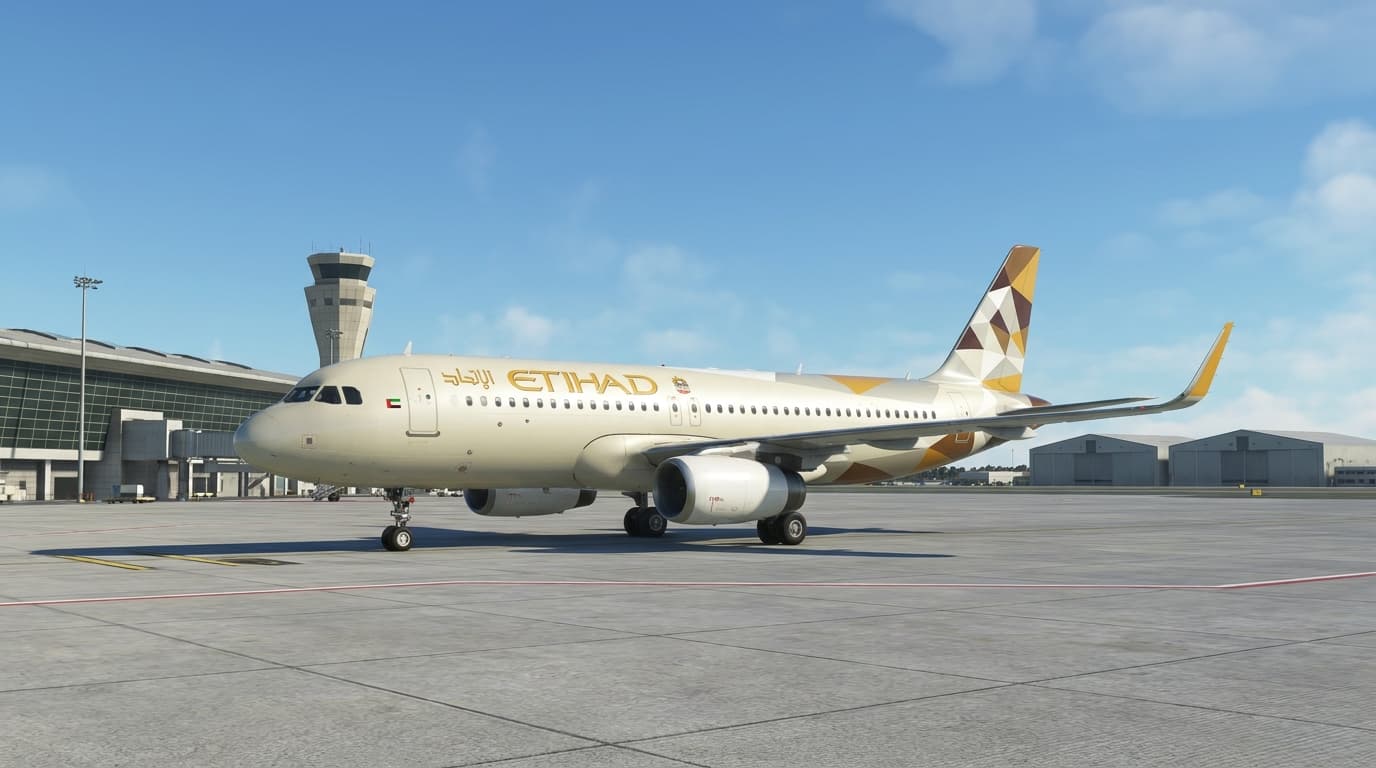
Etihad fare cuts have reduced selected route fares by up to 50%, signalling softer travel demand across the Middle East and producing cheaper short‑term tickets into Abu Dhabi.
The reported maximum reduction is 50% on selected routes, according to coverage of Etihad Airways’ pricing moves. That percentage is the clearest data point available and it explains why consumers now find lower headline fares for last‑minute and leisure travel. Airlines often use deep temporary discounts to stimulate bookings when forward demand softens, and a 50% reduction materially lowers a traveller’s total trip cost even when accommodation and transfers are added.
The immediate travel effect is a mix of price sensitivity and timing risk. Lower fares can draw price‑conscious tourists toward Abu Dhabi packages for a short period, which may blunt Dubai’s near‑term inbound growth for segments that choose the cheaper connection. If Etihad Airways or competitors restore fares ahead of peak season, that shift can reverse quickly, so owners and operators should treat the 50% cuts as a short‑term market disturbance rather than a permanent trend.
Will Etihad fare cuts lower Dubai hotel and short-term rental prices?
Will Etihad fare cuts lower Dubai hotel and short-term rental prices? Key Data
Max airline cut
50%
Hotel response
selective discounts
Short-stay pressure
increased
Luxury defence
amenity-led
Yes. Etihad fare cuts that lower selected route fares by up to 50% are likely to soften short‑term demand and create downward pressure on some Dubai hotel rates and holiday rental night rates.
A 50% airline price reduction changes the total cost calculus for many travellers who compare destinations and package prices. When flight cost falls dramatically, guests still budget‑minded may favour a single destination with lower overall travel cost, or they may shift travel plans, prompting hotels and hosts to match by offering discounts, flexible cancellation or value add‑ons. The precise hotel or rental response depends on property type: economy and mid‑scale hotels typically compete on price first, while luxury properties use added services to protect rate integrity.
Operators and hosts should expect a localised effect: some neighbourhoods and property types will see more pressure than others depending on their reliance on short‑stay leisure travellers who are most responsive to a 50% airfare swing. Etihad Airways’ action therefore acts as a catalyst for temporary rate adjustments rather than an immediate structural collapse in pricing across Dubai.
"A large airline discount shifts booking windows and guest sensitivity; operators must be nimble on short-term offers while protecting medium-term ADR."
, Binayah Research Team
What do Etihad fare cuts mean for Dubai residential investors?
What do Etihad fare cuts mean for Dubai residential investors? Key Data
Max cut
50%
Investor risk
short-term yield pressure
Recommended action
stress-test income
Exposure
tourism-dependent units
Etihad fare cuts can increase short‑term yield risk for Dubai residential investors who rely on holiday rental income, because up to 50% airfare reductions change occupancy dynamics and nightly rates.
If leisure travellers reallocate trips because of cheaper access to Abu Dhabi, short‑term rental hosts in Dubai may see softer bookings and be forced to lower rates or offer promotions to maintain occupancy. For properties primarily positioned for tourists, a sustained period of airline discounts can reduce gross short‑term income and compress yields until airfares normalise. Etihad Airways’ move is an external demand shock; it does not directly change ownership fundamentals such as location or long‑term rental demand, but it alters the near‑term cash flow profile for owners exposed to seasonal leisure demand.
Investors should segment risk: quantify how much of gross rental income depends on short‑stay leisure visits versus long‑term leases, and stress‑test cash flow with a scenario where airline fares are 50% lower for a season. Properties with steady long‑term tenants will be far less affected, while those with high turnover and dependence on tourism will need tighter yield management and contingency cash reserves.
What practical steps should buyers and landlords take after Etihad fare cuts?
What practical steps should buyers and landlords take after Etihad fare cuts? Key Data
Immediate check
review short-stay rates
Cashflow buffer
recommended
Shift option
medium-term leases
Monitor
Etihad Airways actions
Take immediate pricing and tenure checks: review short‑stay rates and long‑term lease opportunities because Etihad fare cuts of up to 50% can compress short‑term yields and shift demand patterns.
Practical steps include temporarily adjusting nightly rates, adding mid‑week promotions, improving listing value through free cancellation or bundled transfers, and accelerating offers to attract longer stays. For landlords, converting a portion of inventory from short‑term to flexible medium‑term leases can stabilise income if the 50% fare reductions persist for several weeks. Monitor Etihad Airways announcements and competitor reactions closely, because carriers often reprice when bookings pick up and the present discount window can close quickly.
Plan cash flow conservatively for the next quarter, keep communications clear with tenants or guests about flexible terms, and document any rate changes so you can revert without loss when airline pricing normalises. These operational actions buy time and protect yields while the market absorbs Etihad Airways’ fare adjustments.
Key Insight
If short-term income accounts for a large share of returns, set a contingency reserve equal to one month’s net rental income and prepare convertible lease templates to switch quickly to medium-term tenants.
Etihad Airways’ reported fare cuts of up to 50% are a clear short‑term catalyst that lowers headline travel costs into Abu Dhabi and exerts measurable pressure on nearby Dubai short‑stay pricing and investor cash flow. Owners and landlords should treat the change as a temporary demand shock, review short‑term exposure and prepare flexible pricing or lease options while monitoring carrier pricing for reversal.
Binayah Editorial
Property Market Analyst
Our editorial team researches Dubai's real estate market, tracking DLD data, developer launches, and investment trends to keep buyers and investors informed.
Ready to Invest in Dubai?
Speak with our analysts about the best opportunities in today's market, free consultation.