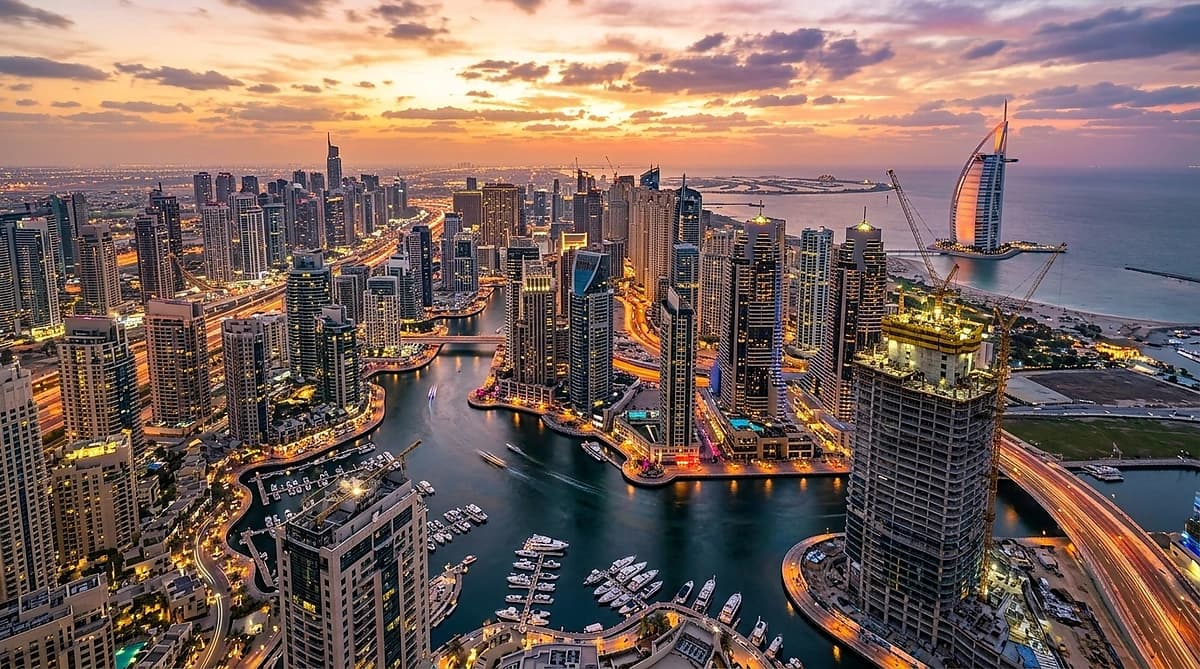
Abu Dhabi tourism 2025: record 26.6 million visitors and market impact
Abu Dhabi tourism 2025 hit a record with 26.6 million visitors, reshaping citywide demand for hotels, events and short-stay rentals.
Department of Culture and Tourism Abu Dhabi reported a record 26.6 million visitors in 2025, the city’s strongest tourism performance to date. The figure arrived alongside longer average stays and packed cultural and sporting schedules, pushing occupancy spikes at major events and creating measurable demand for short-term accommodation across the emirate.
For buyers and landlords the number matters because visitor-driven occupancy and event calendars change cashflow seasonality, operating costs and asset positioning.
How many visitors did Abu Dhabi welcome in 2025?
How many visitors did Abu Dhabi welcome in 2025? Key Data
Visitors
26.6 million
Year
2025
Source
Department of Culture and Tourism Abu Dhabi
Record
highest to date
Abu Dhabi welcomed a record 26.6 million visitors in 2025, according to the Department of Culture and Tourism Abu Dhabi, marking its strongest ever tourism year.
The 26.6 million figure reflects higher footfall at cultural venues, larger event audiences and longer average stays reported by DCT Abu Dhabi. That visitor volume translated into crowded event calendars and hotel occupancy surges during peak shows and festivals, amplifying short-stay demand in central zones and near venues hosting major attractions.
The scale is significant for real estate because it directly affects revenue potential for hospitality assets and short-term rentals, but it also raises questions about seasonal volatility and wear on infrastructure. Investors should weigh the upside from visitor volumes against concentrated peaks and the need for flexible operations to capture event-driven income.

What does Abu Dhabi’s record tourism mean for property investors?
Record tourism in Abu Dhabi increases demand pressure on hotels and short-stay accommodation and creates event-driven revenue opportunities for landlords and operating partners.
The Department of Culture and Tourism Abu Dhabi’s 26.6 million visitors in 2025 push occupancy and booking windows, which tends to lift revenue per available room and short-stay yields where operators can capture premium rates. For investors this usually means stronger near-term cashflows for hospitality and furnished units during event peaks, while midweek and off-peak periods will remain a factor in annualised returns.
That upside comes with risks: higher operating costs, management complexity and sensitivity to calendar shifts. Investors should review operating contracts, guest-management capabilities and event-linked demand before assuming sustained higher yields from a single record year.
| Asset class | 2025 observation | Investor implication |
|---|---|---|
| Hotels | Strong bookings driven by 26.6 million visitors | Potential for higher RevPAR during event peaks |
| Short-term rentals | Increased occupancy around major events | Higher seasonal yields with management overheads |
What short-term strategies should buyers and landlords use in Abu Dhabi?
Prioritise event-driven marketing, flexible short-term pricing and guest-ready conversions to capture demand driven by the 26.6 million visitors in 2025.
Practical tactics include furnishing and listing units for short stays tied to event calendars, adopting dynamic pricing to capture peak rates, and partnering with professional operations for cleaning and guest services. Owners can deploy short booking minimums around festivals and concerts reported in DCT Abu Dhabi schedules, and lean on targeted digital campaigns timed to major events to increase occupancy and drive higher average nightly rates.
Short-term gains require operational discipline: higher turnover raises costs for housekeeping, utilities and refurbishments. Landlords should model net yields after these costs and check local regulations affecting short-term rentals before repositioning assets.
Key Insight
Investor tip: Align unit availability and pricing with Abu Dhabi’s event calendar from the Department of Culture and Tourism Abu Dhabi. Aim to capture high-demand windows from the 26.6 million annual visitors while modelling cleaning and management fees into net yields. Short-term positioning pays only with strong operations and clear regulatory compliance.
- Furnish units for immediate guest readiness
- Use dynamic pricing for event peaks
- Partner with professional guest services
- Model net yields after turnover costs
What are the longer term market implications for Abu Dhabi real estate?
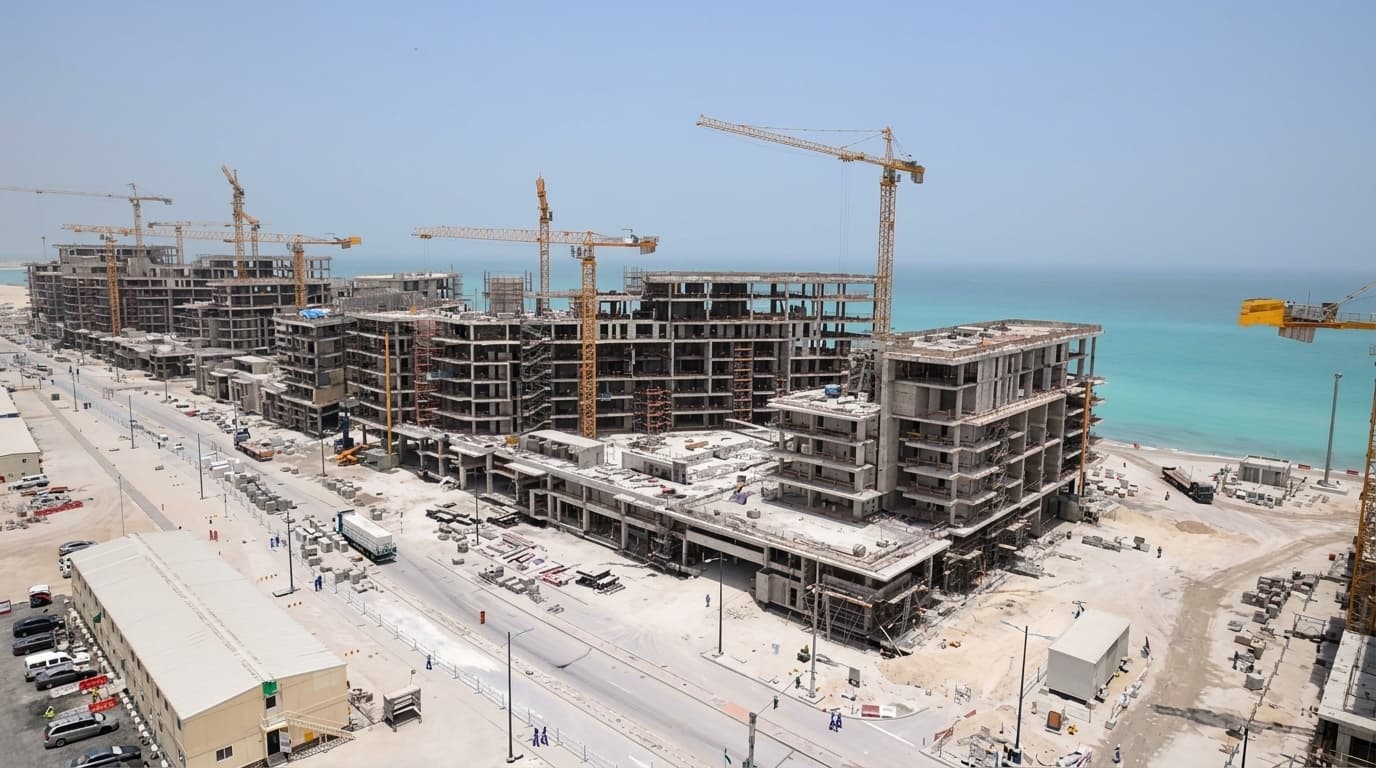
Sustained increases in tourism like the 26.6 million visitors reported for 2025 can shift capital toward hospitality, mixed-use and short-stay assets while influencing urban planning and infrastructure investment.
Over time, stronger visitor volumes reported by the Department of Culture and Tourism Abu Dhabi make hospitality and amenity-rich developments more attractive to institutional capital, and they can justify upgrades to transport and venue capacity. That can support valuation growth in well-located assets, but sustained gains depend on repeatable visitor flows, diversified demand sources and careful supply management to avoid oversaturation.
Risks include potential oversupply if developers overestimate persistent demand following a single record year, and policy or regulatory shifts that change short-stay economics. Long-term investors should monitor DCT Abu Dhabi data and municipal planning to assess whether 26.6 million is a step change or a cyclical peak.
- Higher institutional interest in hotels and mixed-use
- Potential for valuation uplift in amenity-led locations
- Need to monitor supply pipelines and regulation
Abu Dhabi’s 26.6 million visitors in 2025, reported by the Department of Culture and Tourism Abu Dhabi, materially increased hotel and short-stay demand and created event-driven revenue opportunities. The figure offers clear near-term upside for hospitality and furnished rental strategies, but investors must balance peak benefits with operational costs, regulatory checks and the risk of supply catching up to demand.
Binayah Editorial
Property Market Analyst
Our editorial team researches Dubai's real estate market, tracking DLD data, developer launches, and investment trends to keep buyers and investors informed.
Ready to Invest in Dubai?
Speak with our analysts about the best opportunities in today's market, free consultation.