UAE schools reopening: new safety measures and routines
UAE schools reopening has returned the morning buzz to school gates with new safety checks, staggered routines and clearer transport rules for families.
Across the UAE, classrooms are shifting from the pandemic pause to a routine that emphasises practical safety measures and flexibility. Schools reopened for in-person learning with measures ranging from regular safety drills to changes in drop-off and pick-up patterns. The common aim is to keep school life familiar while reducing transmission risk and keeping disruption to learning low.
Parents should expect a phased or flexible return to campus, updated bus protocols, daily hygiene routines and clearer communication from schools about testing and contingency plans. This market-style briefing explains what changed on campus, what to expect on transport, how classrooms will run day to day and what parents should do to stay prepared.
UAE schools reopening: what changed on campus this term?
UAE schools reopening: what changed on campus this term? — Key Data
Transport
School buses active
Safety drills
Regular
Return
Phased in-person
Hygiene
Enhanced routines
Schools reopened with clearer, practical safety measures on campus, including more frequent drills, visible hygiene stations and a flexible, phased return to in-person lessons.
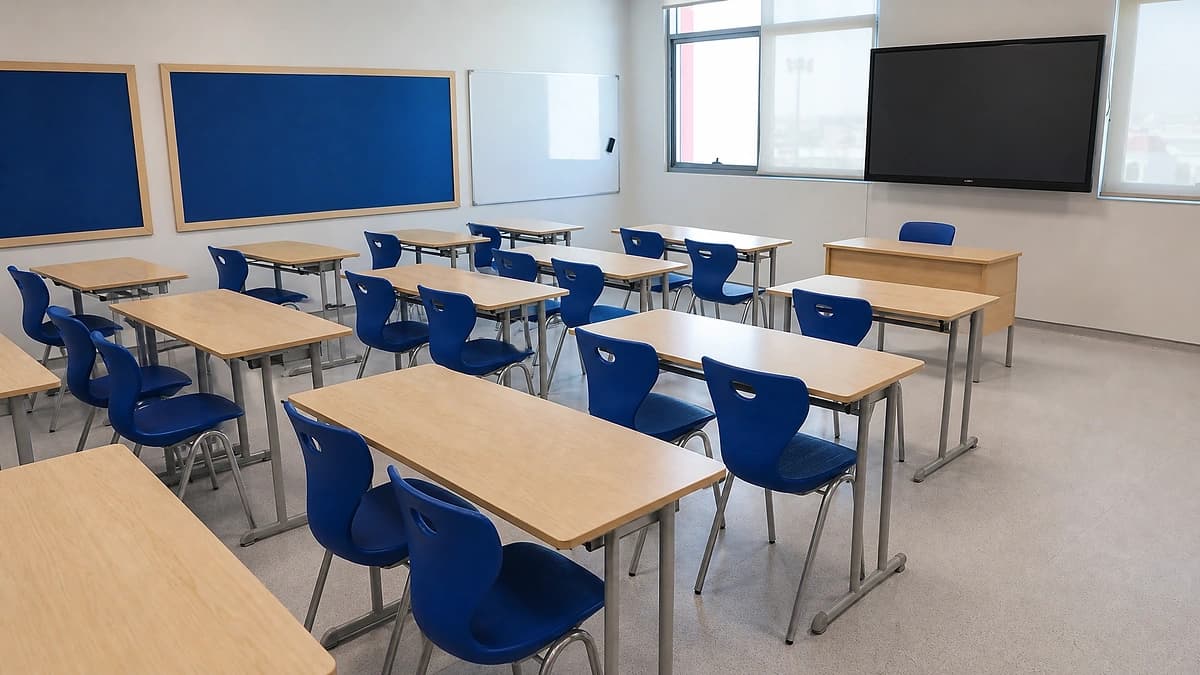
Most campuses now combine routine safety drills with operational changes such as staggered breaks, revised seating arrangements and enhanced cleaning of common areas. Classrooms and corridors feature hand-sanitiser stations and clearer signage to guide one-way flows or queuing at gates. Where space allows, schools have adopted cohorting or small group bubbles to reduce mixing across year groups and to simplify contact tracing if needed.
The variation between schools is important: independent policy choices and resource differences mean parents should check their child’s school for exact details. Some schools may prioritise outdoor learning during cooler hours, while others will use indoor ventilation upgrades and staggered meal breaks. That means day-to-day routines can differ significantly between campuses, and preparedness for short-term changes remains essential.
What transport and bus protocols should parents expect?
Parents should expect resumed school bus services with added checks at boarding, clearer seat assignments and organised queuing to reduce crowding at pick-up and drop-off.
Typical measures in many schools include assigned seats on buses, increased cleaning between routes and staff supervision at boarding points to manage queuing. Schools often communicate specific pick-up windows to spread demand and avoid large gatherings at gates. Drivers and transport staff are briefed on safety routines and some schools will ask parents to confirm health declarations or to keep symptomatic children at home until cleared.
Practical realities differ: not every school uses the same transport provider model, and availability of private or school-run buses varies by neighbourhood. Parents should confirm daily pick-up times and any temporary route adjustments with their school so they can arrange alternative plans quickly if a route is suspended or a child must isolate.
| Protocol | What to expect | Responsible party |
|---|---|---|
| Assigned seating | Children sit in fixed seats to limit mixing | Transport team/school |
| Boarding checks | Staff manage queues and confirm readiness to board | Transport staff |
| Sanitisation | Buses cleaned between routes and hand-sanitiser available | Transport provider/school |
| Staggered pick-ups | Timed slots reduce congestion at gates | School administration |
"Consistent boarding routines and clear time windows reduce missed buses and improve safety for younger children."
— Binayah Research Team
What are the daily hygiene and classroom management changes?
Daily routines prioritise hand hygiene, targeted cleaning, and classroom layouts that minimise unnecessary movement while keeping teaching time intact.
Teachers are using practical classroom management changes such as assigned seating plans, staggered break times and focussed cleaning of high-touch surfaces. Many schools place hand-sanitiser stations at entrances and by classroom doors and encourage regular handwashing before and after activities. Where possible, schools increase ventilation and adapt group activities to reduce close contact while still delivering curriculum goals.
These adjustments aim to protect health without undermining learning, but they require consistency from staff and students. Younger children need routines reinforced with age-appropriate reminders, and special-needs learners may need bespoke arrangements to balance safety with their learning requirements. Parents should ask schools how routines affect assessments, playtime and specialist lessons.
- Hand sanitiser stations at building entrances
- Assigned seating to support contact tracing
- Staggered breaks and arrival times
- Targeted cleaning of high-touch areas
- Outdoor or ventilated spaces used where possible
UAE schools reopening: what should parents do about communication, testing and contingency plans?
Parents should stay engaged with school communications, understand testing guidance and prepare contingency plans for short-notice remote learning or childcare changes.
Clear two-way communication helps schools manage absences and potential exposures quickly: parents should ensure their contact details are up to date and read school circulars about testing, consent forms and isolation protocols. Schools will vary in how they handle symptomatic children, testing requirements and notification of close contacts, so parents need to confirm the school’s specific processes. Having an agreed alternative pick-up person and a plan for work or childcare changes reduces stress if a child must remain at home.
Privacy and logistics matter: testing protocols and data handling differ across institutions, and access to rapid testing or medical appointments can vary by area. Parents should ask for written contingency plans, know who to contact for health queries and confirm how lessons will continue if their child moves temporarily to remote learning.
Key Insight
Confirm your child’s school communication channels and consent requirements now; have an agreed alternative caregiver and a plan for short-notice remote learning. Keeping paperwork and emergency contacts updated reduces last-minute disruption and helps the school act quickly if your child becomes symptomatic.
The reopening shows schools prioritise familiar routines supplemented by practical safety measures such as safety drills, bus protocols and enhanced hygiene. Parents should confirm school-specific rules, keep emergency contacts updated and prepare simple contingency plans so children can return to campus with minimal disruption.
Binayah Editorial
Property Market Analyst
Our editorial team researches Dubai's real estate market, tracking DLD data, developer launches, and investment trends to keep buyers and investors informed.
Ready to Invest in Dubai?
Speak with our analysts about the best opportunities in today's market — free consultation.