D33 agenda Dubai property outlook, Issam Kazim calls crisis catalyst
After a two-week ceasefire, D33 agenda Dubai is being promoted as a catalyst to accelerate tourism-led recovery, says Dubai tourism chief Issam Kazim.
Issam Kazim’s comments link a short pause in regional hostilities to a renewed push under the D33 agenda, Dubai’s plan to expand tourism and diversify demand. The two-week ceasefire follows conflict linked to the US-Israel war on Iran and, according to Kazim, has reduced immediate disruption to travel and events while creating breathing space for authorities to implement resilience measures.
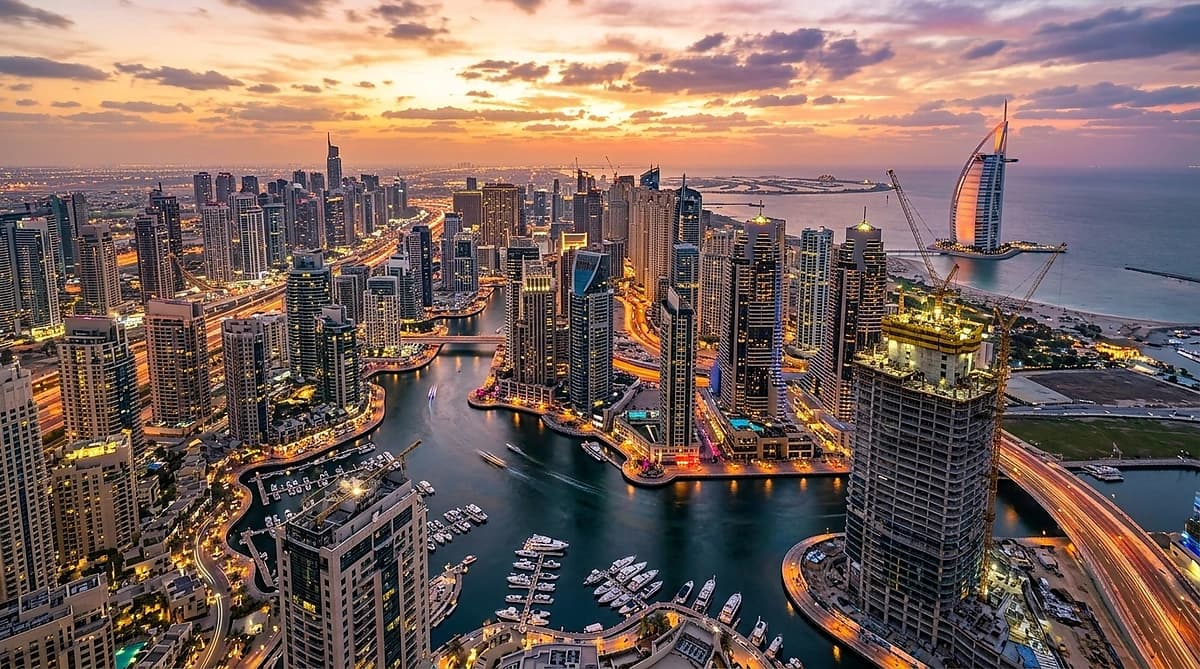
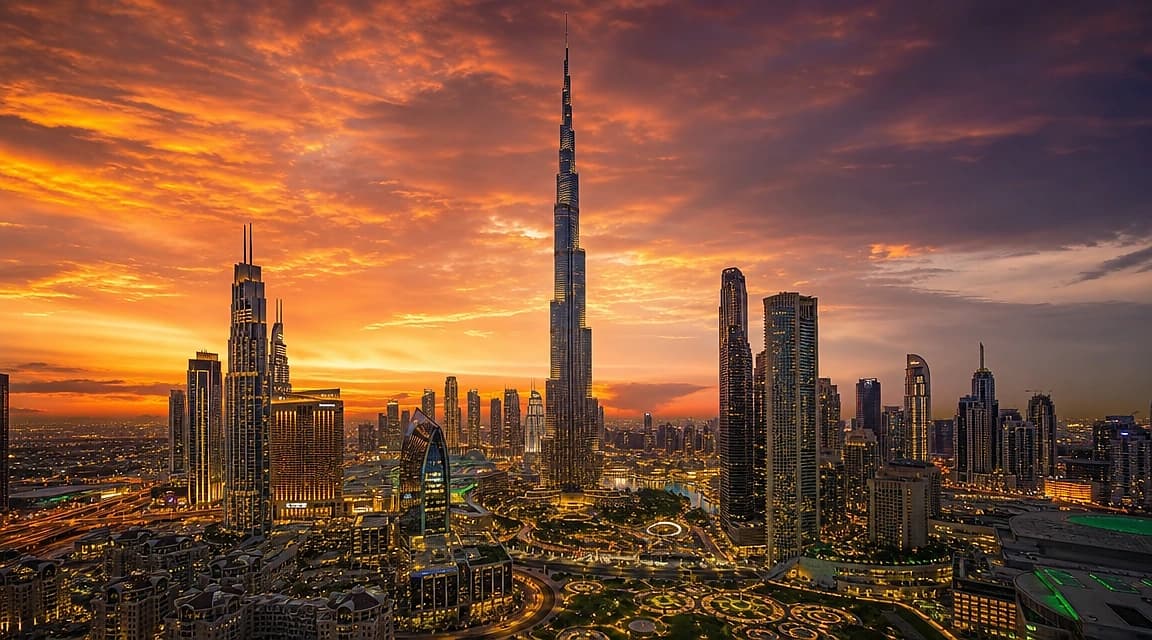
The market implication for property owners and investors is tactical rather than structural right now. Short-term visitor flows and event calendars will influence rents and occupancy across communities such as Downtown Dubai, Dubai Marina and Business Bay, even as D33 aims to guide longer-term demand and product planning.
Why does the D33 agenda matter for Dubai property?
Why does the D33 agenda matter for Dubai property? — Key Data
Ceasefire
two-week
Chief
Issam Kazim
Agenda
D33
Focus
tourism recovery
The D33 agenda matters because it frames tourism growth that directly supports residential and hospitality demand in Dubai, according to Issam Kazim. The agenda is positioned as a long-term growth strategy that prioritises visitor experience, events and investment flows, and Kazim says the recent pause in hostilities provides an opening to accelerate those measures.
Kazim tied the D33 agenda to faster recovery after a two-week ceasefire, saying disruption created opportunity to reinforce resilience and fast-track growth strategy. For property markets this translates into heavier emphasis on short-stay inventory, central locations that benefit from events, and developer planning aligned to higher visitor numbers once arrivals normalise.
The nuance for buyers and landlords is timing: D33 is strategic and will influence demand over quarters and years, not days. Investors should watch policy moves and event calendars under D33, because location-sensitive segments such as hotel apartments and central Dubai rental stock stand to gain as tourism recovers and occupancy stabilises.
How did short-term disruption become a recovery catalyst under D33?
Short-term disruption acted as a catalyst because it prompted authorities and operators to tighten resilience measures and fast-track elements of the D33 agenda, Issam Kazim says. The pause from the two-week ceasefire following the US-Israel war on Iran created operational breathing space to recalibrate event schedules, safety protocols and promotional campaigns aimed at restoring confidence among travellers and business visitors.
That operational reset matters for property because it reduces uncertainty for occupiers and investors in the near term. Developers and hoteliers faced with cancelled or postponed bookings used the pause to reinforce contingency plans and to prioritise projects that support D33 objectives, such as improved visitor services and diversified attraction portfolios that drive longer stays.
The risk is uneven: recovery momentum will be stronger where D33-aligned projects and event pipelines exist, and slower in locations dependent on discretionary tourist flows. Landlords in communities reliant on events should monitor bookings and the calendar of major exhibitions and festivals rolled out under D33 before making leasing or capex decisions.
| Trigger | Immediate effect | Policy response |
|---|---|---|
| Two-week ceasefire | Temporary pause to travel and events | Reinforce resilience, fast-track D33 event planning |
| US-Israel war on Iran context | Heightened regional uncertainty | Accelerate visitor confidence measures and marketing |
"The disruption has created an opportunity to reinforce resilience and fast-track Dubai’s long-term growth strategy."
, Issam Kazim, Dubai tourism chief
What does available data say about prices and momentum in Dubai property?
What does available data say about prices and momentum in Dubai property? — Key Data
Official data
not released in statement
Watch
DLD and RERA updates
Public statements on D33-related recovery so far do not include new AED price figures, but officials point to accelerating momentum in tourism that supports demand across rents and hospitality. Issam Kazim’s remarks focus on operational recovery and strategy rather than specific transaction numbers, so market participants should look to official DLD and RERA releases for AED price and transaction updates.
Because the quoted commentary did not publish AED price data, the immediate evidence is qualitative: stronger event pipelines and restored visitor confidence under D33 should underpin occupancy and rental stability in central locations. Investors will want to cross-check these signals with DLD transaction counts and RERA rent trackers to convert the qualitative momentum into concrete AED and percentage movements.
The practical risk is timing and signal clarity: policy statements can boost sentiment but price and yield changes depend on actual arrivals, bookings and recorded transactions. Buyers and landlords should therefore treat the D33-driven momentum as directional until authoritative AED price and transaction updates appear from DLD or RERA.
What are the practical implications for buyers and landlords in Dubai?
The practical implication is that buyers and landlords should view the D33 agenda as a medium-term demand support rather than a short-term price guarantee. Issam Kazim’s framing of disruption as a catalyst means owners in tourism-linked locations can expect clearer visitation strategies and promotional calendars that support occupancy, but financial outcomes will follow official transaction and rent data.
For buyers, the D33 emphasis on events and visitor services suggests preferential demand for properties near major venues, hotels and serviced apartment clusters. For landlords, short-term volatility from cancelled bookings may recur, but resilience measures under D33 aim to shorten recovery cycles and reduce downtime for hospitality and short-stay stock.
A cautious approach is warranted: align acquisitions and leasing strategies with communities that benefit directly from the D33 event pipeline, and verify assumptions against DLD transaction statistics and RERA rent indices. Practical asset-level checks, such as current occupancy, forward bookings and event schedules, will determine whether D33-driven demand translates into AED rental or yield improvements.
Key Insight
For investors: prioritise properties with direct exposure to major D33 events and verify forward bookings before committing; treat policy-driven sentiment as a directional, not absolute, price signal.
- Focus on event-linked communities
- Verify occupancy and forward bookings
- Cross-check with DLD and RERA reports
Issam Kazim’s statement links a two-week ceasefire to an accelerated push under the D33 agenda, framing recent disruption as an operational catalyst rather than a permanent shock. The key takeaway for the market is directional: D33 strengthens tourism policy support, but buyers and landlords should wait for DLD transaction and RERA rent data before treating sentiment as definitive AED price or yield evidence.
Binayah Editorial
Property Market Analyst
Our editorial team researches Dubai's real estate market, tracking DLD data, developer launches, and investment trends to keep buyers and investors informed.
Ready to Invest in Dubai?
Speak with our analysts about the best opportunities in today's market, free consultation.