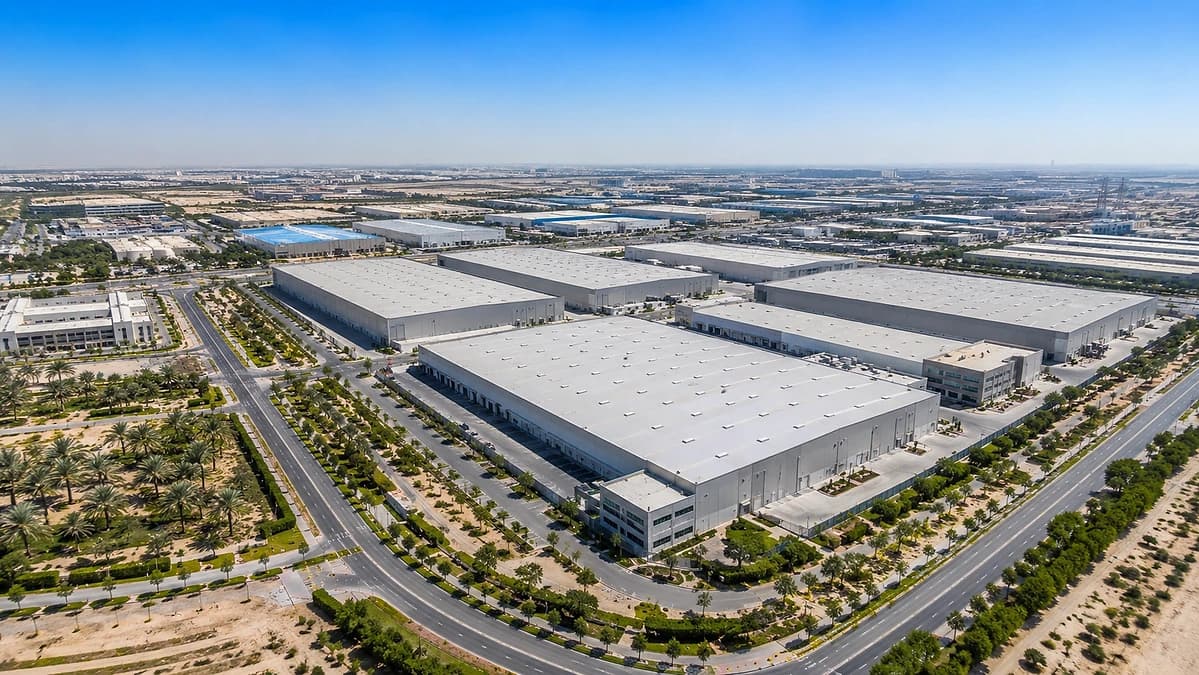
EDB financing approvals US$272.3m in one month
EDB approved US$272.3 million in financing in one month under the UAE Operation 300bn programme, aimed at boosting manufacturing capacity and industrial investment.
The United Arab Emirates named the national stimulus package Operation 300bn to highlight scale and ambition, and EDB's monthly approvals give the programme practical momentum. The US$272.3 million figure reported this month shows the bank is moving from planning to active capital deployment. That matters because financing approvals are the first, measurable step before disbursements, project starts and measurable increases in industrial output.
For investors and policymakers the immediate questions are where that capital will land, how quickly projects will be built, and what knock-on effects this will have for real estate demand in logistics and industrial segments. The EDB milestone is a clear policy signal but it also raises execution and credit-quality questions that markets will watch closely.
What does EDB's US$272.3 million monthly approval mean for UAE industry?
What does EDB's US$272.3 million monthly approval mean for UAE industry? — Key Data
Monthly approvals
US$272.3m
Programme name
Operation 300bn
Focus
manufacturing and utilities
Signal
accelerated capital deployment
EDB's US$272.3 million monthly approval is a practical sign that the bank is accelerating financing under the UAE Operation 300bn initiative and prioritising industrial expansion.
The approved US$272.3 million is significant because it represents an active flow of capital from a development bank into projects that the Operation 300bn programme targets: manufacturing scale-up, supply-chain resilience and utilities upgrades. The programme is referenced by the name 300bn, and the monthly approval shows how national-level ambition is translating into monthly financing actions that developers and industrial operators can plan around.
The milestone reduces uncertainty about policy intent but does not eliminate execution risk. EDB approvals must translate into disbursements, contractor appointments and equipment orders before industrial output rises. Investors should watch approval-to-disbursement timelines and project milestones, because a gap between approvals and physical progress could delay expected boosts to domestic manufacturing and logistics capacity.

Where will EDB capital likely land: manufacturing, logistics and utilities?
EDB capital is most likely to be channelled into manufacturing plants, logistics hubs and utility upgrades because those are the explicit targets of the Operation 300bn industrial push.
Manufacturing needs investment in plant, machinery and local supply chains, while logistics requires warehouses, cold storage and freight connectivity. Utilities funding typically covers energy, water and waste-treatment upgrades that support heavier industrial use. The US$272.3 million in monthly approvals provides initial funding momentum for projects across these three categories and helps unlock larger private and institutional co-investment that the Operation 300bn name intends to catalyse.
Funding concentration in these sectors will reshape demand for industrial land, specialist contractors and utilities capacity. The immediate effect is higher tender activity and procurement orders; the medium-term effect is greater demand for logistics real estate and industrial services. That said, the scale of EDB approvals must increase steadily if the Operation 300bn ambition is to be met within national timelines.
| Sector | Typical uses | Why EDB support matters |
|---|---|---|
| Manufacturing | Plant, machinery, local suppliers | Enables domestic production and import substitution |
| Logistics | Warehousing, cold chain, freight links | Improves distribution efficiency and export readiness |
| Utilities | Energy, water, waste management upgrades | Supports higher-intensity industrial operations |
"EDB's monthly approval surge reflects a shift from strategic planning to targeted capital deployment across manufacturing, logistics and utilities."
— Binayah Research Team
What does EDB's US$272.3m approval mean for Dubai property investors?
What does EDB's US$272.3m approval mean for Dubai property investors? — Key Data
Monthly approvals
US$272.3m
Likely impact
higher logistics demand
Investor signal
earlier project pipelines
Programme reference
Operation 300bn
EDB's US$272.3 million approval points to stronger demand ahead for industrial and logistics property in Dubai and the wider UAE as the Operation 300bn agenda advances.
Industrial and logistics investors should expect earlier tendering, higher lease inquiries and selective rental appreciation where funding moves to shovel-ready projects. The US$272.3 million monthly approval is an early signal rather than a full-cycle shift: it helps pipelines move from concept to construction, which can increase demand for warehouses, yards and flexible industrial units. That in turn can lift occupancy rates and shorten vacancy cycles in logistics clusters serving manufacturing hubs.
Investors must however distinguish between immediate market optimism and durable yield improvement. The EDB milestone reduces policy risk but does not guarantee uniform rent rises. Outcomes will depend on disbursement speed, project quality and whether private capital follows EDB approvals into development and leasing markets. Monitor leasing activity and vacancy data to verify that approvals are translating into asset-level performance gains.
- Increased tendering for warehouses and industrial units
- Shorter vacancy periods where projects move to construction
- Potential rental pressure in logistics clusters near manufacturing sites
What risks and policy signals should investors watch after EDB's US$272.3m approvals?
The primary risks are execution delays, credit quality of borrowers and the pace at which approvals become disbursements, and these will determine if the US$272.3 million monthly approvals create real industrial capacity.
Investors should watch three policy signals: the rate of EDB disbursements compared with approvals, any adjustments to fiscal or tariff support for local manufacturers, and the extent of private-sector co-financing attracted by the programme. The Operation 300bn name signals scale, but the true test is whether monthly approvals like US$272.3 million are sustained and grow to match the programme's ambition.
Market risks also include inflationary pressure on construction costs and global supply-chain bottlenecks that could raise project budgets. Investors should demand transparent milestone reporting from borrowers and track approval-to-spend ratios so they can assess whether policy momentum is converting into tangible asset-level returns.
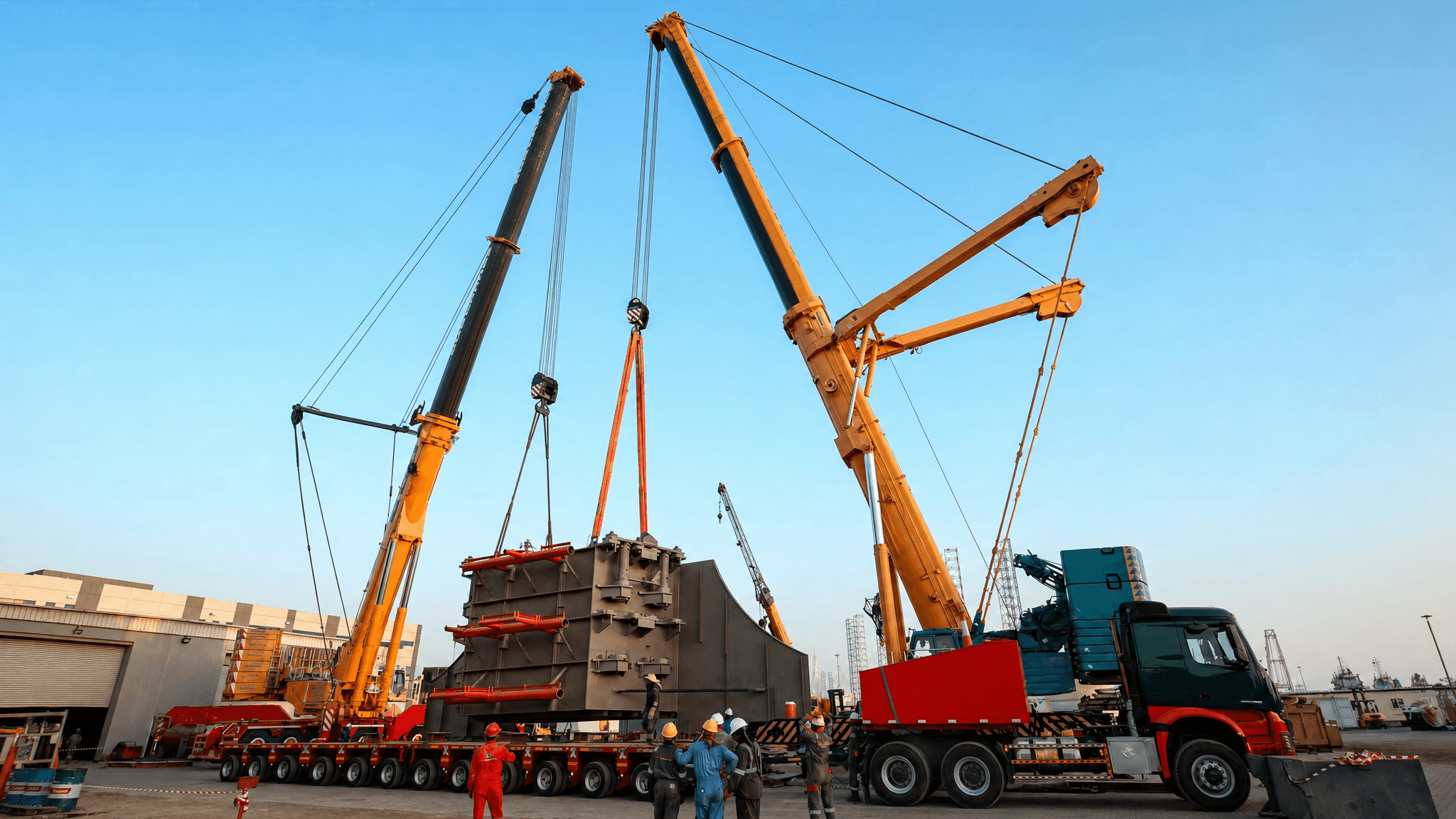
Key Insight
Monitor actual disbursement timelines and approval-to-spend ratios closely. A sustained gap between approvals and disbursements is the clearest early warning that project pipelines may not deliver the expected industrial growth.
EDB's US$272.3 million monthly financing approvals are an early, measurable sign of capital deployment under the Operation 300bn agenda and point to near-term funding for manufacturing, logistics and utilities. The milestone signals policy intent but investors should focus on approval-to-disbursement timelines and execution metrics to judge whether these approvals will generate tangible industrial capacity and property-market impacts.
Binayah Editorial
Property Market Analyst
Our editorial team researches Dubai's real estate market, tracking DLD data, developer launches, and investment trends to keep buyers and investors informed.
Ready to Invest in Dubai?
Speak with our analysts about the best opportunities in today's market — free consultation.