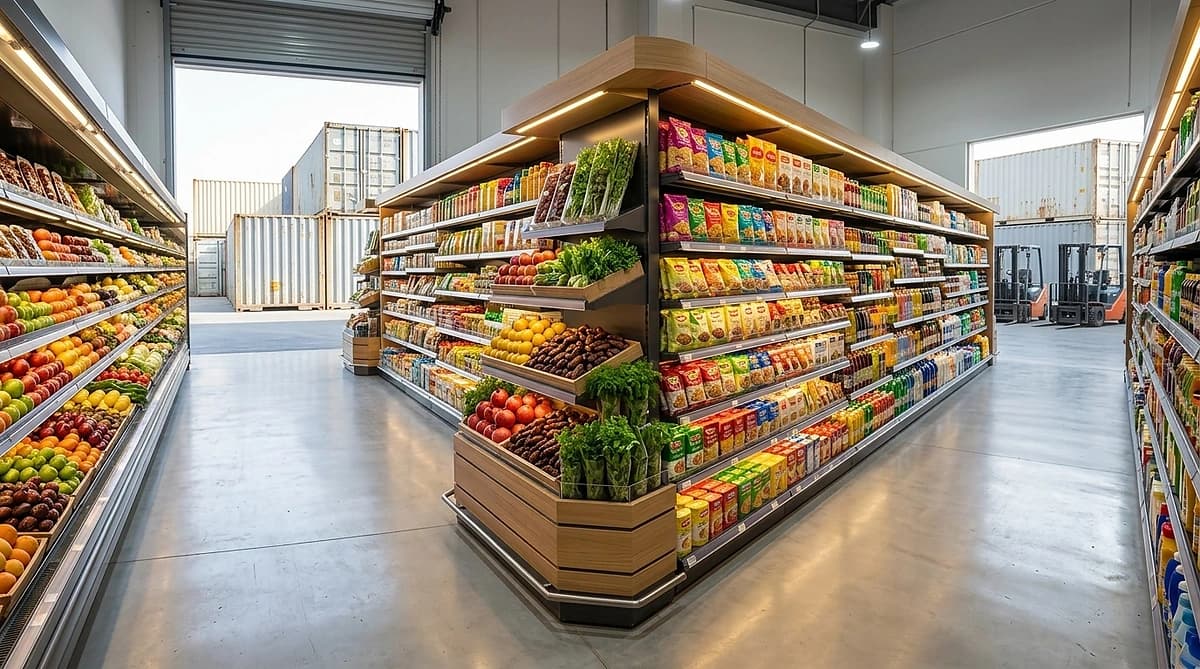
UAE supermarkets join forces to share shipping containers
UAE supermarkets join forces as three chains begin sharing shipping containers and logistics to keep shelves stocked during a downturn.
The move was reported by Arabian Business and describes previously competing supermarket chains cooperating on container use and other logistics to maintain product availability. That cooperation focuses on physical resources rather than commercial integration, with partners pooling containers, scheduling shipments and sharing warehouse capacity to tackle shortages and rising transport challenges.
Retailers said the objective is pragmatic: protect shelf availability and reduce duplication of empty return trips, not merge buying strategies. The arrangement responds to immediate distribution pressure while allowing each chain to retain independent pricing and supplier relationships.
What happened when UAE supermarkets cooperated on logistics?
What happened when UAE supermarkets cooperated on logistics? Key Data
Partners
3
Shared asset
Shipping containers
Goal
Keep shelves stocked
Source
Arabian Business
Three supermarket chains agreed to share shipping containers and some logistics capacity to keep shelves stocked during a downturn. This direct, operational cooperation was reported by Arabian Business and involves sharing physical container space, scheduling shipments jointly where efficient, and using spare warehouse capacity to smooth short shortages.
The arrangement is pragmatic rather than strategic consolidation: partners pool empty and full-container runs to avoid wasted trips and reduce the frequency of stock-outs. Arabian Business frames the cooperation as a short-term response to distribution strain, with each chain retaining separate procurement, pricing and branding while coordinating container usage to improve availability.
The practical benefit is clearer stock continuity and lower logistical friction, but the limits matter: this is resource sharing, not joint purchasing. Retailers that limit cooperation to containers and transport logistics reduce the risk of regulatory concern and can scale back the arrangement as supply stabilises.
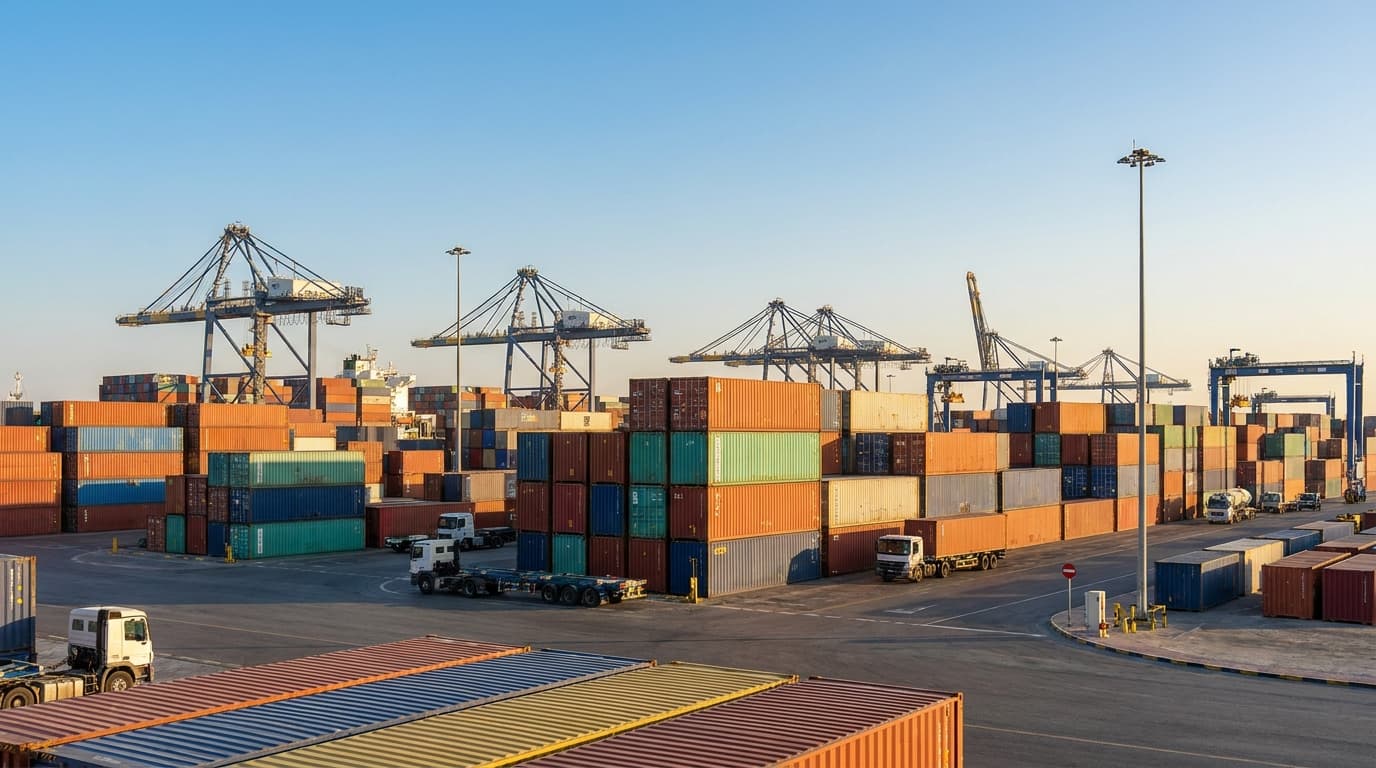
Why are UAE supermarkets sharing containers now?
Retailers chose shared container use as a quick way to maintain product availability without changing buying or pricing policies. The three chains reported by Arabian Business turned to logistics sharing because container cycles and transport schedules had become a bottleneck that directly caused empty shelves in some categories.
Shared containers reduce empty-miles and give partners more flexible loading windows, which helps smooth irregular arrivals from import hubs. Rather than investing in new fleet capacity, cooperating on existing containers can reduce wasted returns and the time a product spends out of the distribution pipeline. Arabian Business presents this as a near-term operational fix during a downturn, not a permanent consolidation of supply chains.
The key trade-off is scope: limited logistics collaboration yields immediate availability improvements with minimal restructuring. If retailers broaden cooperation into procurement or pricing, the operational gains will be weighed against regulatory and competitive risks, so many are keeping the program narrowly focused on container and warehouse sharing.
| Reason | Benefit | Evidence |
|---|---|---|
| Container cycle delays | Faster restocking and fewer stock-outs | Reported by Arabian Business |
| High empty return runs | Reduced wasted transport and capacity use | Operational rationale in report |
"Limiting collaboration to shared logistics preserves competition while delivering practical supply relief for consumers."
, Binayah Research Team
What are the supply chain implications for Dubai businesses?
Shared container use among supermarkets can increase resilience across Dubai’s retail network by smoothing shortages and improving on-shelf availability. When three chains coordinate container loads and warehouse space they reduce the number of empty return trips and create buffer capacity that smaller supply disruptions cannot overwhelm.
The practice can create spillover benefits for suppliers, distributors and smaller retailers who rely on the same import channels, because fewer delayed or partial containers mean steadier delivery patterns. For importers this cooperation can lower variability in demand at the port and reduce last-minute rush orders that spike freight premiums.
However, the benefit is conditional: collaboration must remain logistical to avoid distorting market signals. Dubai businesses should view this model as a temporary resilience measure that can be activated during import shocks, not a substitute for longer-term investments in diversified sourcing and inventory strategy.

What are the risks and limits of supermarket cooperation in the UAE?
The main risks are regulatory and reputational if cooperation moves beyond logistics and into price or market coordination. Sharing containers and scheduling is low risk when agreements document that pricing, supplier lists and competitive strategies remain independent across the three chains reported by Arabian Business.
Operational limits also exist: container sharing cannot solve upstream supplier shortages or sudden demand spikes by itself. If suppliers face production limits, pooled container capacity only shifts when products arrive rather than increasing overall supply. Retailers therefore need parallel measures such as alternative sourcing and inventory buffers.
Finally, transparency is crucial: written agreements, audit trails and a clear operational scope reduce the chance of misinterpretation by regulators or stakeholders. When limited to logistics, the model can preserve shelf availability while keeping competitive boundaries intact.

Key Insight
Sharing containers can improve availability but must not extend to price or market coordination. Limit agreements to logistics, document responsibilities, and maintain audit trails. Legal review reduces regulatory and reputational risk and helps ensure the cooperation remains a temporary resilience measure rather than a permanent market reshaping.
The Arabian Business report shows a practical, short-term logistics response: three supermarket chains are sharing shipping containers and warehouse capacity to keep shelves stocked. The core finding is operational shared containers improve on-shelf availability without changing pricing or procurement while the main caveat is to document limits and avoid coordination that could trigger regulatory concern.
Binayah Editorial
Property Market Analyst
Our editorial team researches Dubai's real estate market, tracking DLD data, developer launches, and investment trends to keep buyers and investors informed.
Ready to Invest in Dubai?
Speak with our analysts about the best opportunities in today's market, free consultation.