Instagrammable indoor attractions Dubai: 7 photo-ready spots
Discover 7 Instagrammable indoor attractions in Dubai that deliver scroll-stopping backdrops for photos, from snow rooms to candy-coloured sets and immersive art experiences.
Dubai’s indoor attractions now focus on immersive design, bold colour and controllable light, making them ideal for social content year-round. These venues replace unreliable outdoor light with studio-like conditions, so portrait, fashion and product photography come out crisp and consistent. Expect single-colour rooms, mirrored mazes, snow-filled spaces and interactive art that reward small styling choices and simple props.
This guide breaks down what each type of attraction offers, how to shoot for maximum impact and practical tips for timing, props and composition. It is designed for visitors and residents who want high-impact images without long walks, outdoor heat or unpredictable weather, and to plan visits that fit a photo-first itinerary.
Where can I find candy-coloured rooms in Dubai for Instagram photos?
Where can I find candy-coloured rooms in Dubai for Instagram photos? Key Data
Shot style
Color-block portraits
Lighting
Controlled studio light
Best prop
Minimal, contrasting items
Best time
Weekday mornings
Candy-coloured rooms in Dubai are single-colour sets and studios designed to create bold, graphic images that make subjects pop against uniform backgrounds.
These rooms use saturated walls, matching props and controlled lighting so skin tones and outfits stand out. For photographers this means easier white balance, predictable shadows and faster setup times compared with mixed-light environments. Colour-blocked backgrounds also simplify post-processing and deliver a consistent feed aesthetic when you plan shoots across multiple rooms.
The main caveat is composition: strong colours can dominate a frame and distract from the subject if you place them centrally without negative space. Vary your poses, use complementary props and try side-lighting to add depth. If you plan multiple shots, change wardrobe tones or use small props to avoid repetitive-looking posts.
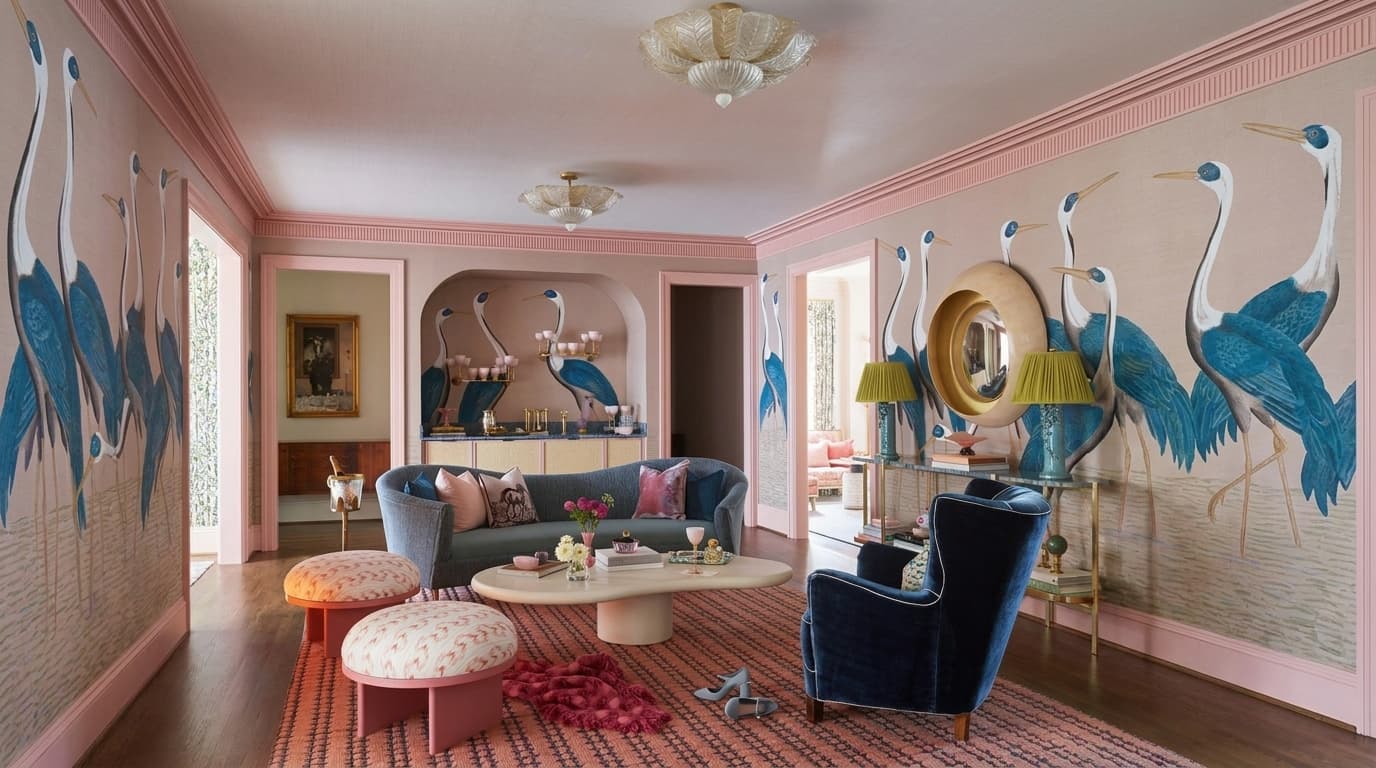
"Candy-coloured rooms convert simple outfits into high-impact visuals because the background does the heavy lifting for composition."
, Binayah Research Team
Key Insight
Use one bold prop and a contrasting outfit to avoid colour clashes; neutral shoes help maintain the visual focus on the upper body.
- Choose contrasting clothing for subject separation
- Use shoulder-height framing for portraits
- Keep props minimal to avoid visual clutter
Where are snow-filled indoor scenes in Dubai for winter-style photos?
Where are snow-filled indoor scenes in Dubai for winter-style photos? Key Data
Visual theme
Winter white
Lighting tone
Cool white
Wardrobe tip
Layered coats
Ideal shots
Portraits with falling snow effect
Snow-filled indoor scenes in Dubai recreate winter environments indoors with artificial snow, white landscapes and cold-colour lighting for seasonal imagery without leaving the city.
These cold-themed spaces use white backdrops, faux snow and cool light to mimic a winter palette that looks crisp in photos. The controlled environment helps preserve texture in coats, knitwear and breath-visible effects under studio lights, creating convincing winter narratives even in warm months. Because the setting is enclosed, you can use higher shutter speeds and consistent ISO for tack-sharp images.
Limitations include restricted shoot times and heavier clothing management in compact snow zones. Some scenes require permits or timed entry to avoid crowded frames. Bring lint rollers and simple layering options to avoid overheating between shots and to keep garments looking fresh.
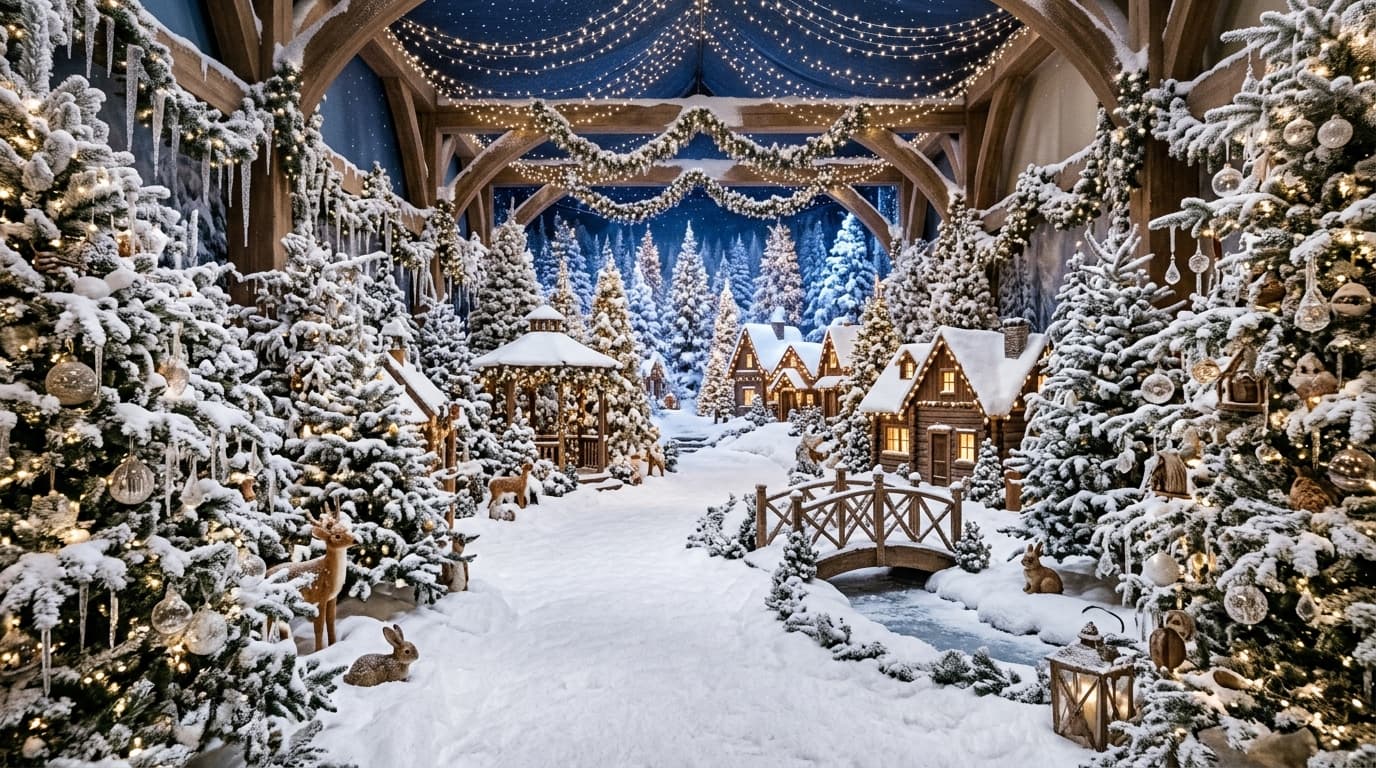
| Feature | Snow scenes | Candy rooms |
|---|---|---|
| Colour palette | Monochrome white and cool tones | Saturated single hues |
| Best use | Seasonal narratives and texture | Bold graphic portraits |
"Snow scenes let creators produce seasonal looks any month, trading outdoor unpredictability for consistent studio control."
, Binayah Research Team
Key Insight
Plan quick outfit changes outside the snow zone to avoid carrying moisture into costume bags; a dry robe can speed transitions between setups.
What are immersive art installations in Dubai and how do they photograph?
What are immersive art installations in Dubai and how do they photograph? Key Data
Experience type
Interactive and walk-in
Lighting
Variable and reactive
Gear tip
Fast prime lens
Best content
Short video loops
Immersive art installations are large-scale, interactive exhibits designed so visitors can walk into and become part of the artwork, producing highly shareable photos and short videos.
These installations often combine projection, sound, light and sculptural elements to create scenes that change with movement. For photographers, this offers dynamic backdrops that respond to position and pose, producing unique results on each visit. Because many installations are dark or low-lit by design, use a fast lens, raise ISO carefully and stabilise the camera for slower exposures where the art’s movement becomes part of the image.
A key risk is crowding: immersive pieces are popular and can be full, restricting creative angles. Arrive during quieter hours, expect short windows for solo shots and treat lighting as part of the composition rather than an obstacle. Short videos and boomerang-style clips often perform better than single stills for these environments.
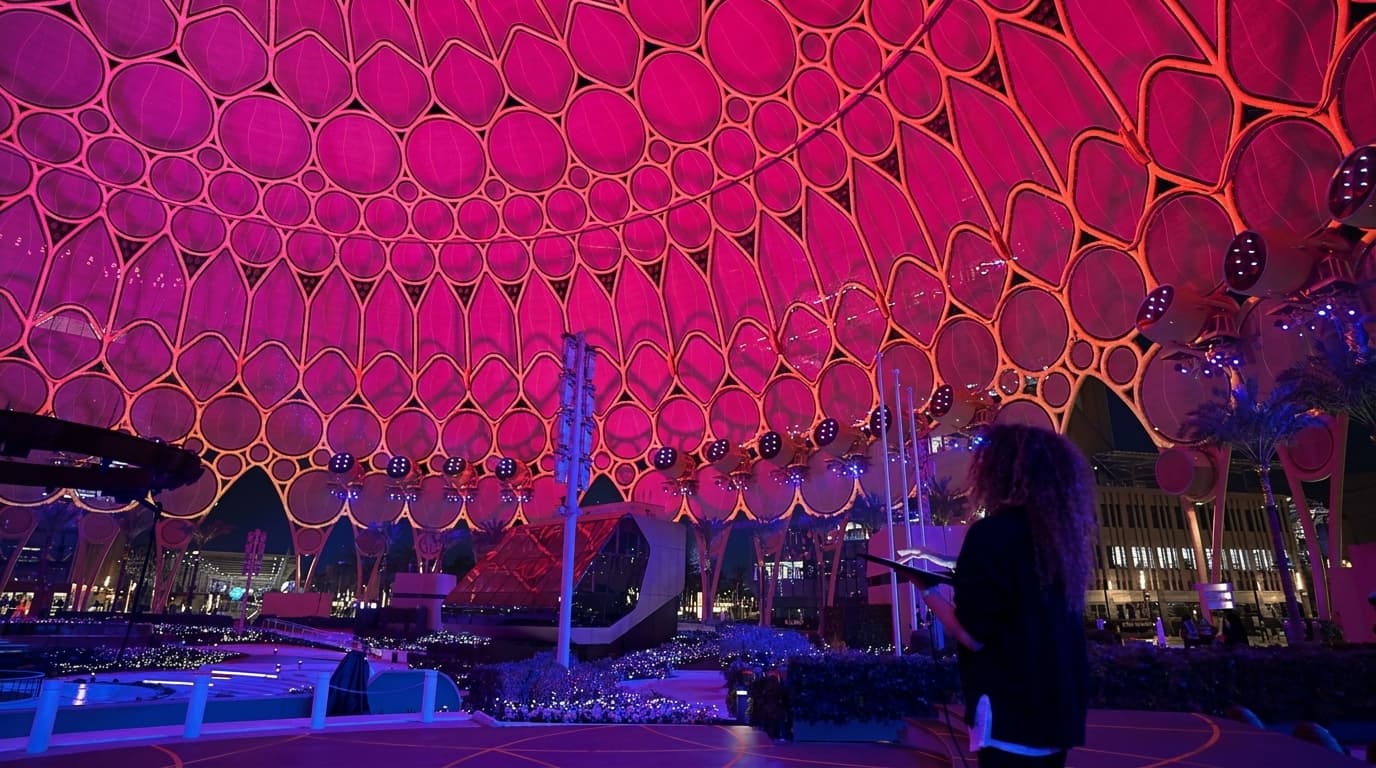
"Immersive art rewards movement; small shifts in position can produce dramatically different frames."
, Binayah Research Team
Key Insight
When shooting immersive art, prepare to adapt exposure on the fly; bracket a few frames at different ISOs to capture both highlights and shadow detail.
- Use continuous autofocus for moving light
- Create short video loops for social platforms
- Arrive early to avoid peak visitor periods
Which surreal backdrops in Dubai give dreamlike perspectives for photos?
Which surreal backdrops in Dubai give dreamlike perspectives for photos? Key Data
Illusion type
Forced perspective
Lens choice
Wide angle or 35mm
Composition tip
Off-centre subject
Best use
Editorial portraits
Surreal backdrops are deliberately distorted spaces and optical set pieces that create warped perspective, floating illusions or impossible scenes for dreamlike photography.
These settings rely on visual tricks such as forced perspective, mirrored floors, angled walls and sculptural elements to make subjects appear to float, shrink or interact with impossible architecture. For photographers, surreal backdrops reward experimentation with wide-angle lenses and off-centre compositions. They are particularly effective for editorial-style portraits and fashion frames where unusual geometry adds narrative tension.
Watch for depth-of-field choices: a wide aperture can blur confusing elements into a soft dream, while a narrower aperture preserves the illusion’s geometry. Keep an eye on floor reflections and avoid placing props that break a perceived plane; small details can reveal the illusion if not controlled.
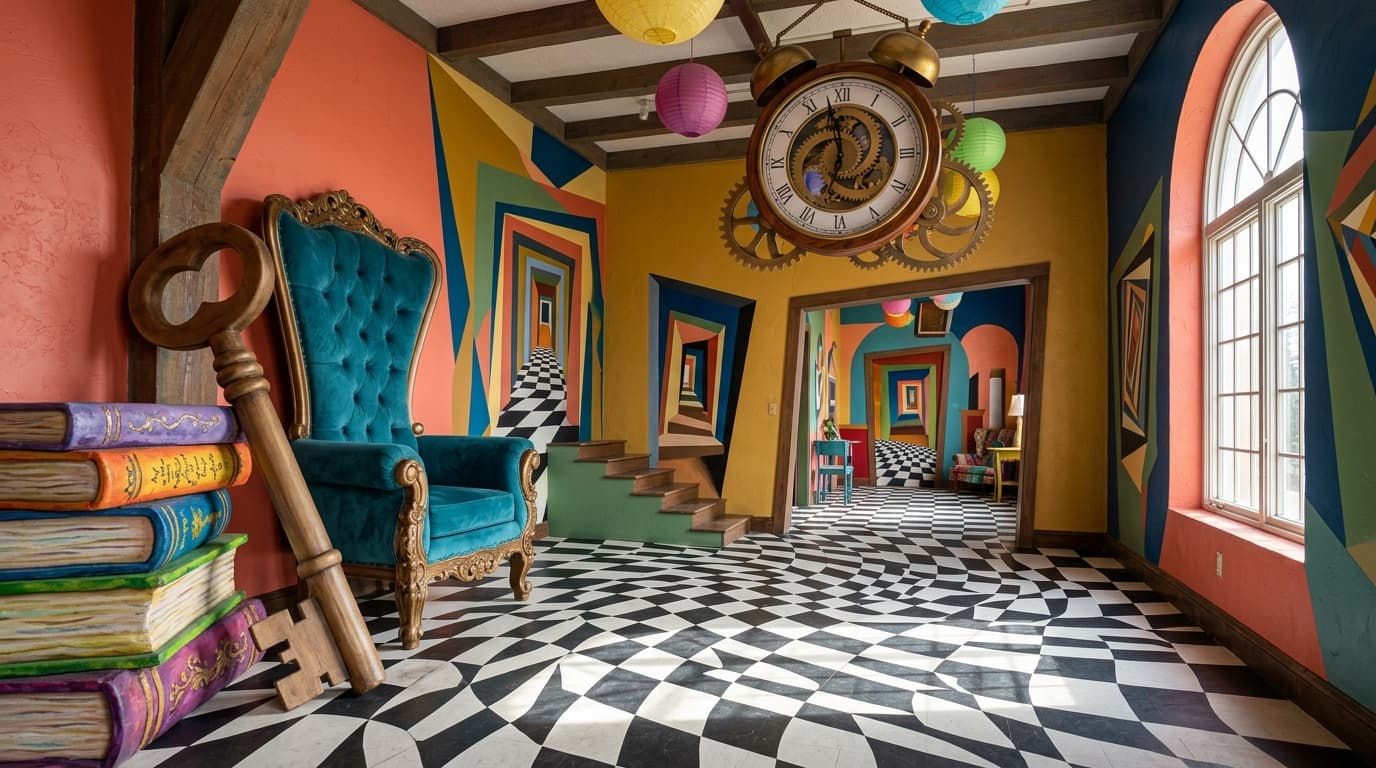
"Surreal sets reward play; try low camera angles to amplify scale tricks and make ordinary poses look otherworldly."
, Binayah Research Team
Key Insight
If mirrors are involved, scout for seams and floor joins before shooting; low-angle reflections are easy to spoil with visible joins.
- Experiment with low angles for dramatic scale
- Test multiple focal lengths to find the most convincing illusion
- Keep props aligned to the set’s geometry
Which interactive museums in Dubai are best for hands-on photo experiences?
Which interactive museums in Dubai are best for hands-on photo experiences? Key Data
Visit style
Hands-on and participatory
Content types
Candid and staged sequences
Equipment note
Tripod restrictions possible
Best time
Early opening hours
Interactive museums in Dubai offer hands-on exhibits built specifically for visitor interaction and photography, making them ideal for engaging, play-driven content.
These museums design exhibits to respond to touch, motion or presence, which both entertains and creates shareable visual moments. The settings are often colourful, tactile and laid out to encourage visitor participation, so you can capture candid expressions and staged portraits within the same visit. Because exhibits are intended for touch, they are usually robust and resilient to props and poses.
Expect rules around tripods and commercial shooting; many interactive museums allow visitor photography but restrict professional equipment. Plan shorter shoots and think in sequences: a series of three to five images showing interaction tends to perform better than isolated stills.
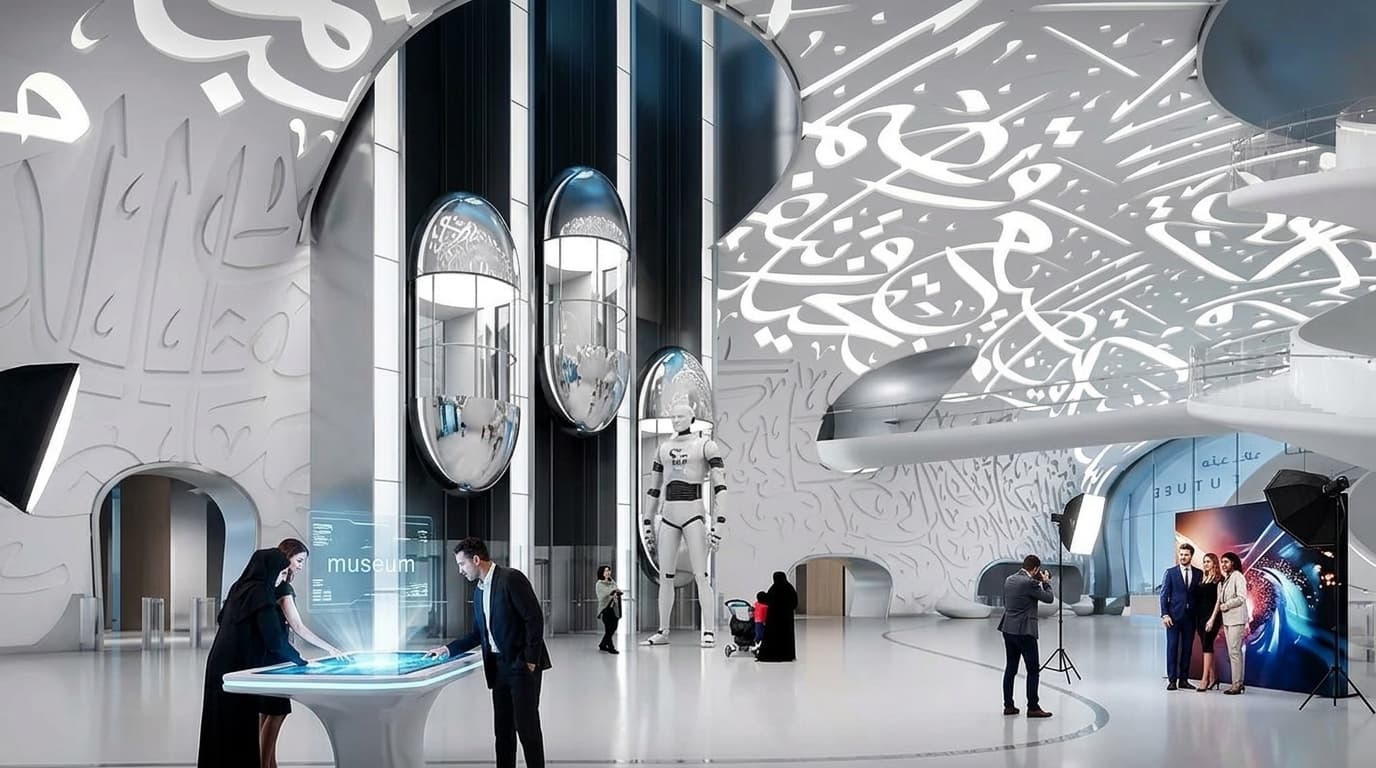
"Interactive museums turn moments into stories; plan a short narrative sequence to maximise engagement on social feeds."
, Binayah Research Team
Key Insight
Check visitor policies on large equipment before you go and keep spare batteries charged for rapid-fire sequences.
- Capture action frames to show interaction
- Use burst mode for unpredictable moments
- Respect exhibit rules to avoid removal
Is the Museum of Illusions in Dubai good for mind-bending photos?
Is the Museum of Illusions in Dubai good for mind-bending photos? Key Data
Effect
Optical illusions and forced perspective
Best shots
Floating and size-contrast images
Visit tip
Short, timed access recommended
Content advice
Simple poses for clear illusions
The Museum of Illusions provides mind-bending backdrops using optical illusions, inverted rooms and perspective tricks that are designed for photography and playful content.
Rooms at illusion museums are deliberately crafted to confuse perspective, producing images where people appear taller, smaller or floating. For photographers this means lots of quick wins: simple poses with clear foreground and background separation create strong visual jokes. The controlled spaces also let you try different shutter speeds and framing without outside light upsetting the effect.
Crowds and fixed exhibit layouts are the main constraints; many of the best illusions require solitude or short timed access to avoid other visitors appearing in the frame. Schedule visits during quieter hours and prepare a shot list to rotate quickly through the most effective illusions.
"Illusion rooms offer repeatable, teachable frames; once you know the right angle, you can reproduce the effect reliably."
, Binayah Research Team
Key Insight
Bring a second person to help block passersby during longer exposures or to create composite frames for fuller scenes.
- Plan a shot list before entering each exhibit
- Use assistants to create clean frames
- Try handheld and tripod shots to compare results
Which lesser-known indoor attractions in Dubai are hidden photo gems?
Which lesser-known indoor attractions in Dubai are hidden photo gems? Key Data
Advantage
Less crowded, more creative freedom
Risk
Short-lived or temporary installations
Best approach
Scout and book early
Content benefit
Unique, differentiated images
Lesser-known indoor attractions offer quieter, more flexible photo opportunities that let you experiment without crowds or time limits.
Smaller pop-up exhibits, boutique concept spaces and temporary installations often fly below mainstream promotion yet deliver original backdrops and fresh lighting. These hidden gems reward exploration and can help you build a distinct visual style because fewer creators use the same sets. For content creators seeking uniqueness, scouting neighbourhood cultural hubs or temporary exhibits can produce the best differentiated images.
The trade-off is availability and short lifespans: pop-ups and concept rooms can close without long notice. Track social channels for event listings, visit soon after opening and prioritise spaces that allow extended stays if you intend to shoot a series.
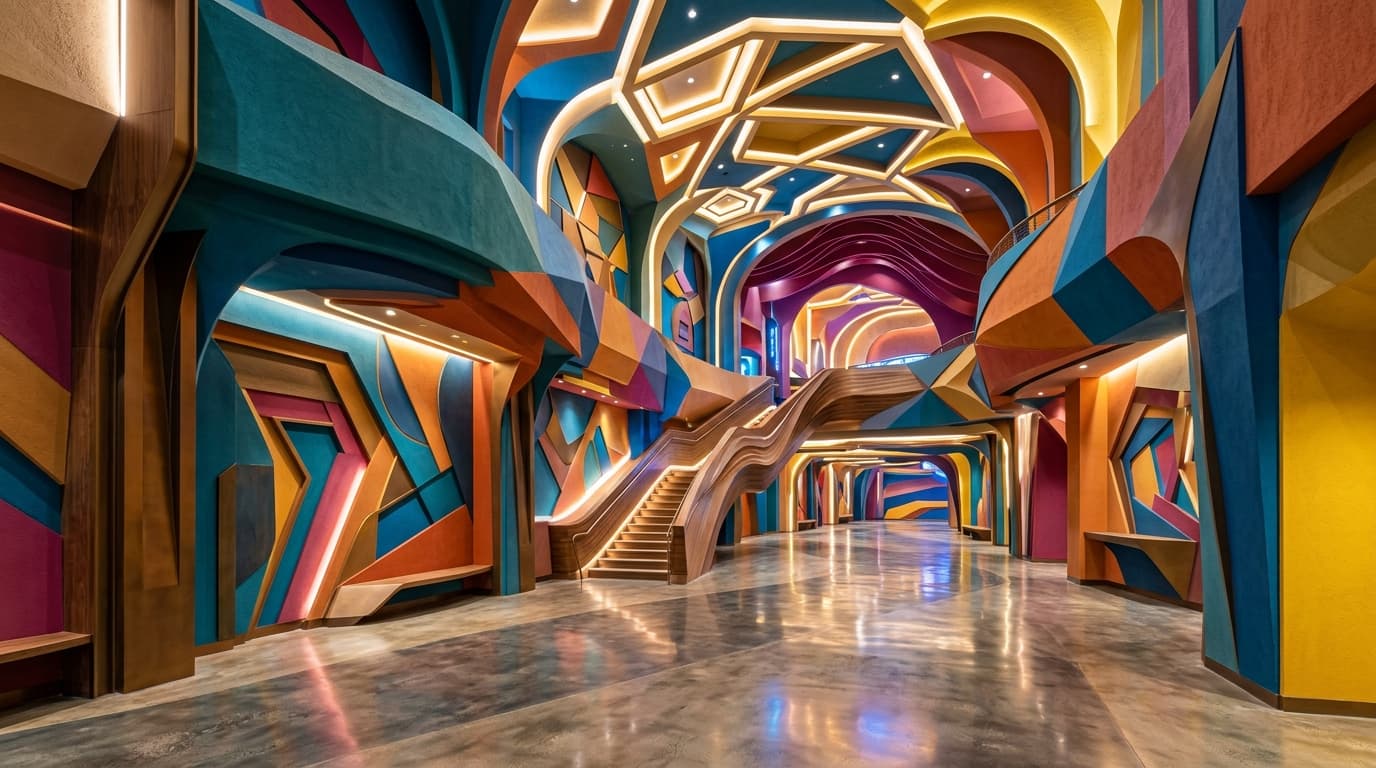
"Hidden spaces let creators experiment; uniqueness often outperforms a perfect technical shot on social platforms."
, Binayah Research Team
Key Insight
Treat pop-ups as limited-time props stores; plan a single-session shoot to make the most of temporary sets while they last.
- Scout local listings for new pop-ups
- Book early to guarantee access
- Build a shortlist of smaller venues for variety
Dubai’s indoor attractions deliver reliable, high-impact backdrops across seven distinct types: candy-coloured rooms, snow scenes, immersive art, surreal backdrops, interactive museums, illusion rooms and lesser-known pop-ups. Each type rewards a different approach to wardrobe, lens choice and timing, so plan visits around lighting and visitor flow to maximise shareable results without needing complex gear.
Binayah Editorial
Property Market Analyst
Our editorial team researches Dubai's real estate market, tracking DLD data, developer launches, and investment trends to keep buyers and investors informed.
Ready to Invest in Dubai?
Speak with our analysts about the best opportunities in today's market, free consultation.