Dubai souks guide: top souks to visit now
Dubai souks offer a sensory feast across Deira and Bur Dubai, with four historic markets every visitor should explore right now.
These Dubai souks keep the city's trading traditions alive and deliver a very different shopping experience from modern malls. Expect narrow lanes lined with small family-owned shops, vivid displays of gold and spices, the smell of oud and frankincense, plus loud, good-natured haggling. The markets are as much about atmosphere and photography as they are about purchases, so plan time to wander slowly and enjoy the details.
Each market serves a clear purpose: the Gold Souk concentrates on jewellery and bullion, the Spice Souk focuses on culinary and aromatic ingredients, the Textile and Perfume Souk combines fabrics with bespoke scents, and Al Fahidi plus Meena Bazaar blend historic architecture with updated shops and cafes. This guide shows what to look for, how to haggle, and sensible expectations when shopping in these neighbourhoods.
Gold Souk Deira: what to expect at this Dubai souks classic
Gold Souk Deira: what to expect at this Dubai souks classic — Key Data
Main items
Gold jewellery, bullion
Typical shops
Small family-run showrooms
Buying tip
Compare 3+ stalls before committing
Paperwork
Certificates and hallmarks common
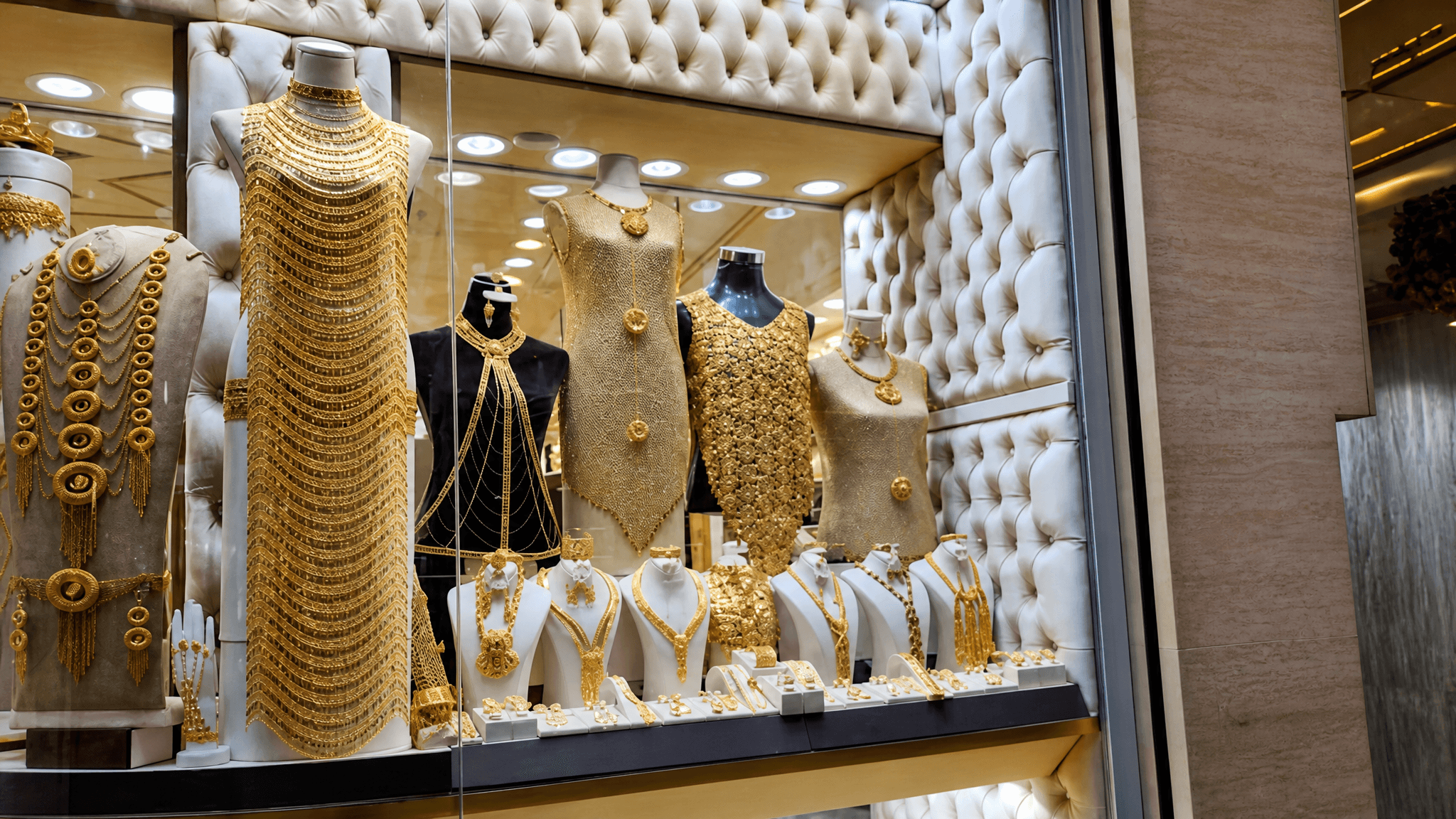
The Gold Souk in Deira is the emirate's best-known jewellery market and a must-visit among Dubai souks for gold, intricate designs and face-to-face bargaining. The market is concentrated on a few narrow streets where hundreds of small shops display rings, necklaces, coins and loose gold in glass cases for immediate inspection.
Expect high visual impact rather than fixed list prices: shops display per-gram rates that reflect global gold prices and local commissions, so always compare three or more stalls before buying. Certificates are commonly supplied for higher-value items and responsible buyers ask for clear metal hallmarks and paperwork. For visitors seeking a souvenir, small items typically cost less than bespoke pieces, while larger, customised jewellery takes longer and involves additional negotiation.
The biggest risk is rushing a purchase under market pressure; take time to inspect craftsmanship and paperwork and walk away if something feels unclear. Keep purchases documented and, if you need a local currency reference, ask the shop to show the per-gram rate and a printed invoice. Photographs of items and visible hallmarks help when comparing offers between traders.
Spice Souk Deira: how to shop for spices and aromatics in Dubai souks
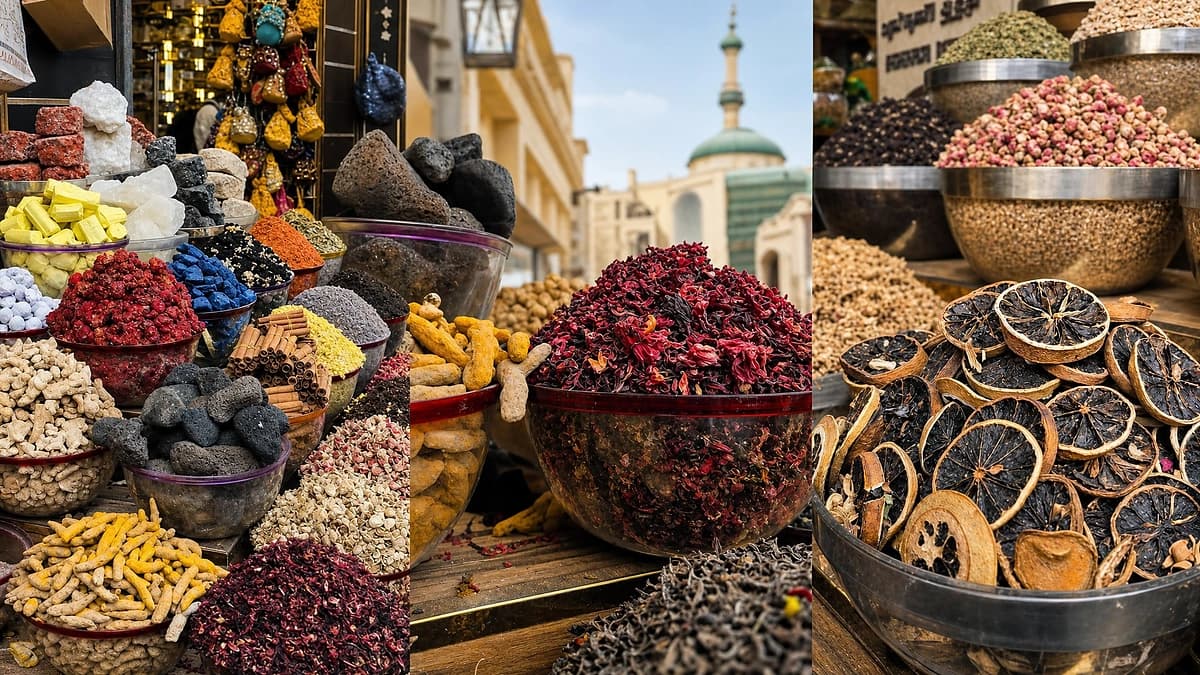
The Spice Souk in Deira is a compact market where stalls sell loose spices, dried herbs, traditional blends and aromatic products, making it central to Dubai souks for foodies and home cooks. Stalls arrange piles and sacks of turmeric, cardamom, saffron substitutes, dried limes and regional blends that visitors can sample by smell before purchase.
Sellers often offer small sampler quantities and custom blends tailored to a dish or cuisine, so explain the use case and ask for a suggested ratio or recipe tip. Prices are usually quoted per weight and small amounts cost modestly, but quality varies widely between vendors so ask about provenance and freshness. Many shoppers buy spices by the packet for travel convenience and seek vacuum-packed options for longer shelf life and ease of carry.
A pragmatic strategy is to buy small quantities first, test them at home, then return for larger purchases if satisfied. Watch out for pre-ground mixes that may lose aroma faster, and consider buying whole spices when possible; whole cardamom, cinnamon sticks and black peppercorns retain scent longer than powdered versions.
| Product | Ideal for | Buying tip |
|---|---|---|
| Whole spices | Long storage and strong aroma | Buy in small bags, store airtight |
| Ground spice blends | Immediate cooking use | Check freshness by scent before buying |
| Dried limes and herbs | Regional dishes and stews | Ask for origin and drying method |
"Smell is the fastest test: ask to sniff whole seeds and freshly ground powder before you buy, and start with small samples."
— Binayah Research Team
Textile and Perfume Souk Bur Dubai: what to buy and how custom scents work
Textile and Perfume Souk Bur Dubai: what to buy and how custom scents work — Key Data
Products
Fabrics, tailored clothing, oud perfumes
Services
On-site tailoring and bespoke mixing
Buying tip
Request test vials and confirm turnaround
Quality range
Synthetic to premium silk and natural oud
Bur Dubai's Textile and Perfume Souk is where you can buy fabrics, ready-made garments and traditional oud-based perfumes, and many visitors use it to order bespoke clothing or a personalised fragrance. The area combines bolt fabric sellers with small tailors and perfume workshops that mix oils to order for a tailored scent.
Fabrics range from inexpensive synthetic blends to higher-end silks and embroidered materials suitable for formal wear, with tailors commonly offering fittings and alteration services on the same street. Perfume stalls often sell concentrated attars and blended oud oils in small vials; vendors can create bespoke scents by combining base, heart and top notes according to your preference. Expect a conversational bargaining process for bespoke work that factors in labour and materials rather than fixed retail prices.
A sensible approach is to discuss materials and turnaround time upfront for any tailoring work and to request a small tester vial when buying a custom perfume, ensuring the scent develops on your skin over a few hours. Be aware that perfumes made from natural oud oils are pricier and may require longer sourcing times than synthetic blends.
Al Fahidi and Meena Bazaar: where to find modern finds in a historic quarter
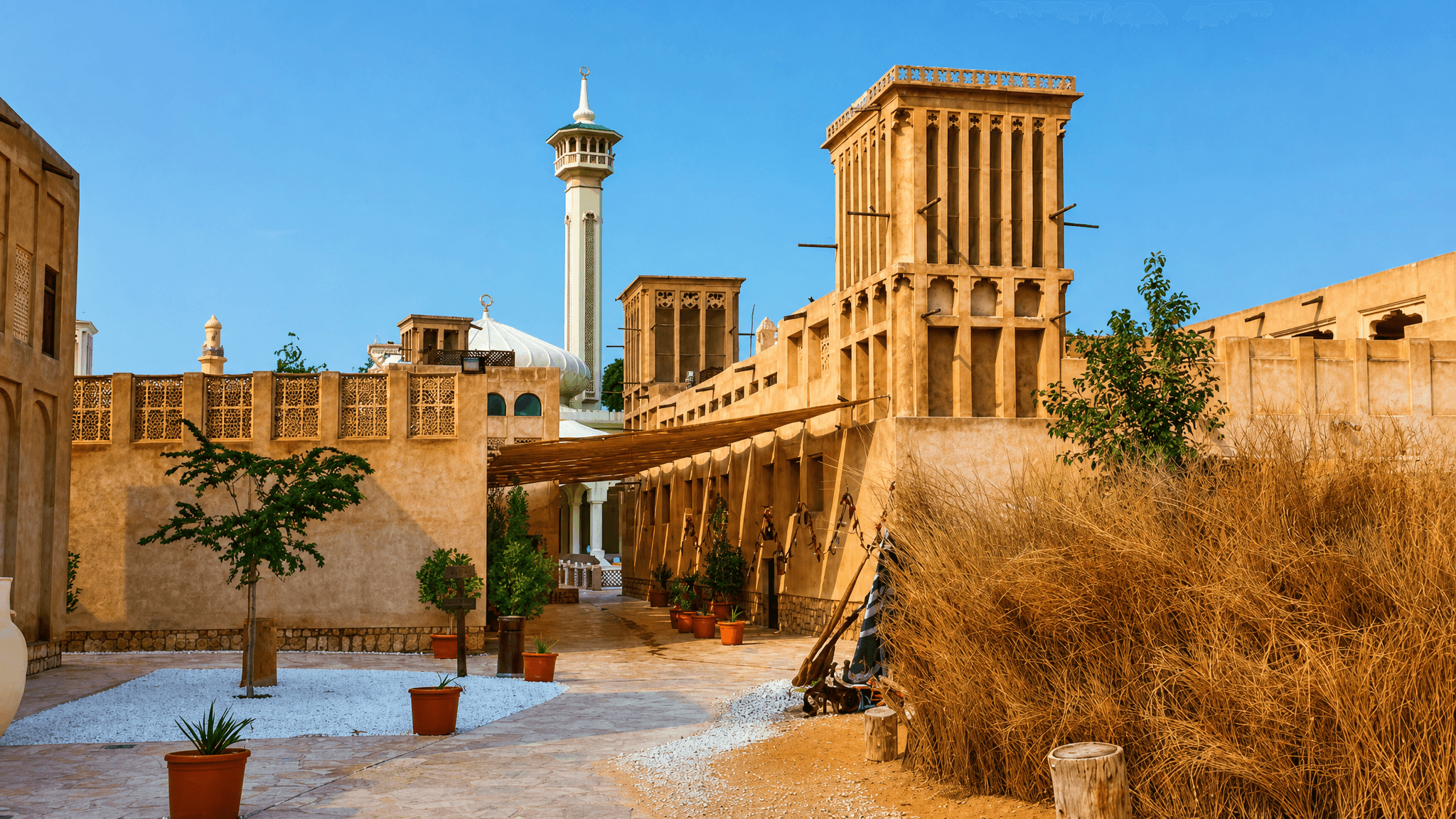
Al Fahidi and Meena Bazaar blend historic architecture with a mix of souvenir shops, galleries, cafes and boutiques, offering a more relaxed Dubai souks experience focused on browsing and local crafts. The lanes sit close to the Dubai Creek and are ideal for combining cultural sightseeing with shopping for textiles, handicrafts and local art.
Meena Bazaar is especially practical for visitors who want a single stop with clothing, accessories and gold dealers in a walkable area, while Al Fahidi's restored wind-tower buildings host galleries, craft stores and small cafes where artisans display contemporary work. Prices across the area vary widely: some stalls target tourists with ready-made souvenirs, while adjacent galleries and workshops sell higher-value pieces that reflect local craftsmanship and longer production times.
Plan to allow extra time for photography and coffee stops, because the neighbourhood rewards relaxed exploration more than fast transactions. If you want custom pieces, expect longer lead times and to discuss materials and delivery before leaving the area.
Key Insight
Tip: Start early in the day to avoid the midday heat, and carry a reusable bag for multiple small purchases to minimise plastic and keep hands free when bargaining.
- Historic setting near Dubai Creek
- Mix of tourist souvenirs and artisan galleries
- Good for relaxed browsing and photography
Dubai souks remain the most direct way to experience Dubai's trading heritage, with four distinct areas offering gold, spices, textiles and blended modern craft. Each market rewards slow exploration and careful comparison rather than impulse buying, so expect to sample, haggle and return if you want the best finds.
Binayah Editorial
Property Market Analyst
Our editorial team researches Dubai's real estate market, tracking DLD data, developer launches, and investment trends to keep buyers and investors informed.
Ready to Invest in Dubai?
Speak with our analysts about the best opportunities in today's market — free consultation.