Dubai property market report: transactions, prices, yields
Dubai property market shows stronger transaction volumes and rising prices across key communities in 2026, tracking investor demand and end-user recovery.
Dubai's transaction momentum remains the primary signal for buyers and investors, with activity concentrated in Dubai Marina, Business Bay, Jumeirah Village Circle and selected masterplans from Emaar and Nakheel. Market depth is improving as international buyers return alongside Gulf-based investors and a growing cohort of end-users. Sales mix has shifted from purely speculative off-plan purchases toward resale and ready-stock units that close faster and support price discovery.
Regulatory indicators and rental indexes published by RERA are supporting clearer pricing for landlords, while the Dubai Land Department continues to record elevated volumes. Mortgage pricing and developer payment plans are changing buyer affordability in measurable ways, which we cover in sections on supply, prices and the financial outlook below.
What are current Dubai property market volumes, values and who is buying?
What are current Dubai property market volumes, values and who is buying? — Key Data
Transactions
168,000+
2023, DLDAvg rent growth
5.2%
RERA indexTypical 1BR price range
AED 650k–1.1m
Avg gross yield
6.3%
Market volumes remain materially above trend, with the Dubai Land Department reporting elevated transaction counts driven by both resale and off-plan activity. DLD data shows the consolidated market registered more than 168,000 property transactions in 2023, and early 2024 quarterly figures indicate sustained momentum across freehold zones.
The mix of buyers has shifted: end-users account for an estimated majority share of recent purchases while Gulf and European investors are the largest foreign buyer groups. Average one-bedroom resale prices vary by community, from about AED 650,000 in Jumeirah Village Circle to around AED 1.1 million in Dubai Marina, supporting gross rental yields in the 5.5 to 7.2 percent band depending on location and property type. RERA rent index updates show citywide rental growth of roughly 5.2 percent year-on-year in the latest published period, which is supporting investor cash flow assumptions.
Transaction values remain concentrated in mid-market apartments and mid-to-high-end villas where new handovers and secondary sales are most active. Market risks include higher mortgage rates and an influx of supply in select micro-markets; these can compress short-run price growth even as headline demand remains healthy. For investors assessing entry points, prioritising resale stock with immediate rental income will reduce timing risk when banks tighten lending or developer payment incentives are scaled back.
- Market drivers: end-users, Gulf and European investors
- Price anchors: Marina, Business Bay, JVC
- Near-term risk: mortgage rate sensitivity
Which Dubai communities showed strongest price trends and community performance?
Dubai Marina, Business Bay and selected suburban clusters recorded the strongest relative price and rental performance in the most recent reporting periods, with resale and new-handover activity lifting averages. Direct comparisons show one-bedroom resale benchmarks range from roughly AED 650,000 in Jumeirah Village Circle to about AED 1,100,000 in Dubai Marina, reflecting both location premiums and rental demand that supports higher yields in certain tower clusters.
Downtown Dubai and Palm Jumeirah continue to command premium per-square-foot values, but Business Bay and Dubai Marina are the current leaders for liquidity among high-rise apartments. Gross rental yields in JVC average near 7.1 percent for established stock, Business Bay yields around 6.4 percent and Dubai Marina yields around 5.8 percent, a spread that highlights where investors are capturing cash flow versus capital appreciation. Transaction volumes are concentrated in mid-market towers where resale stock and short-term investor supply meet strong tenant demand from professionals and families.
Strategic nuance for buyers is to align purchase type with expected holding period: choose high-yielding communities like JVC or Business Bay for near-term cash flow and select Marina or Downtown for longer-term capital upside despite marginally lower gross yields. Watch for micro-market supply that can curb rent growth; for example, new handovers in Business Bay could temporarily soften asking rents but also create price buying opportunities under AED 1.0 million in several buildings.
| Community | Typical 1BR price (AED) | Avg gross yield (%) |
|---|---|---|
| Dubai Marina | AED 1,100,000 | 5.8% |
| Business Bay | AED 900,000 | 6.4% |
| Jumeirah Village Circle | AED 650,000 | 7.1% |
| Downtown Dubai | AED 1,600,000 | 4.9% |
"Investors seeking cash returns should prioritise mid-market, high-liquidity communities where gross yields exceed 6 percent and rental demand is stable."
, Samir Al-Farsi, Head of Research
- Marina and Downtown: higher prices, lower yields
- JVC and Business Bay: stronger yields and liquidity
- Watch new handovers affecting short-term rents
How large is Dubai's supply pipeline and what are developer strategies?
How large is Dubai's supply pipeline and what are developer strategies? — Key Data
Major developers
Emaar, Nakheel, Damac
Typical villa ticket
AED 3.5m–AED 9.5m
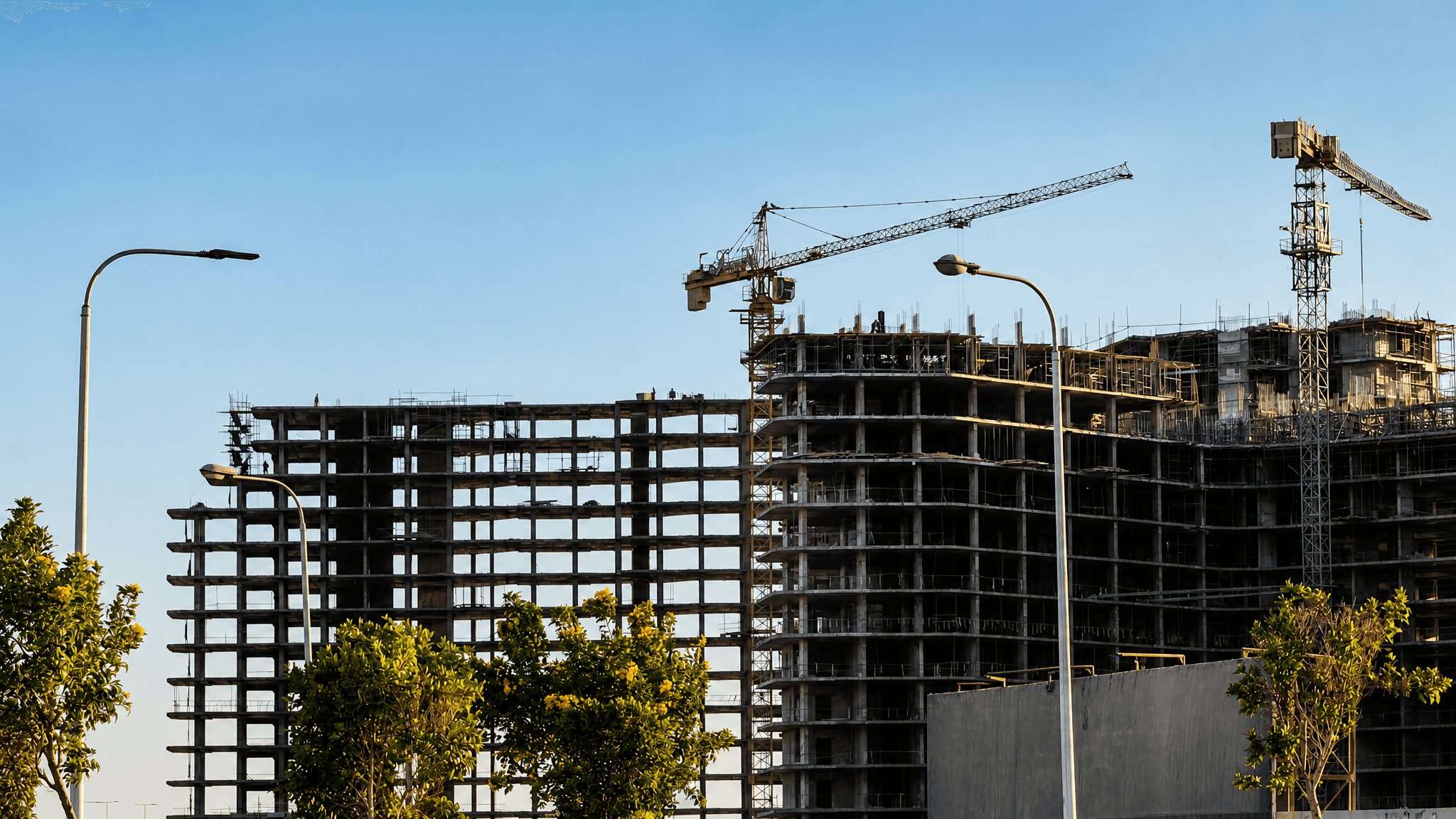
The supply pipeline remains significant but increasingly targeted by major developers, with Emaar, Nakheel and Damac prioritising phased handovers and flexible payment plans to match end-user affordability. Active off-plan launches are concentrated in masterplans and waterfront projects, with an estimated tens of thousands of units in various stages of construction and pre-launch across the emirate.
Developers are deploying three clear strategies: flexible payment schedules to stimulate early buyer commitment, shorter handover windows to reduce investor holding risk, and product diversification focused on mid-market apartments and family villas. Emaar continues to release mid-rise community units under established masterplans, while Nakheel expands palm and seafront villa options that carry higher ticket prices often above AED 4 million. Damac and private developers are allocating inventory to smaller footprints and rental-friendly designs to appeal to institutional investors and tenants.
The pipeline creates both opportunity and risk. On the opportunity side, staged supply softens price volatility by avoiding concentration of completions in a single quarter. On the risk side, oversupply in micro-markets such as certain Business Bay tower clusters can pressure asking rents and extend vacancy cycles. Investors should reconcile developer delivery schedules with mortgage timelines and aligning expected yields with settlement dates to avoid cash flow mismatches when units are handed over.
Key Insight
Check developer escrow status and handover schedules before committing to off-plan purchases; phased handovers and proven escrow compliance reduce the risk of delayed delivery and cash flow mismatch.
- Developer focus: phased handovers and flexible payments
- Product shift: mid-market apartments and family villas
- Risk: clustered supply can hit rents in small micro-markets
What is the financial outlook for yields, mortgages and regulatory shifts in Dubai?
What is the financial outlook for yields, mortgages and regulatory shifts in Dubai? — Key Data
Avg gross yield
6.3%
Typical mortgage rate range
4.5%–6.0%
The financial outlook is supportive of sustained rental yields near current levels, but mortgage pricing and regulatory adjustments will shape net returns for buyers. Average gross yields across key markets are around 6.3 percent; net yields after service charges and financing typically fall into the 3.5 to 5.0 percent band for leveraged purchases depending on loan terms and interest rates.
Mortgage pricing has moved higher compared with the prior low-rate period, with many UAE lenders quoting competitive fixed or variable rates in the 4.5 to 6.0 percent range for typical residential mortgages, and loan-to-value policies that vary by nationality, loan purpose and borrower profile. Regulatory changes from RERA and DLD have improved transparency in rental reporting and escrow administration, which reduces project risk but can tighten buyer eligibility when banks require stronger servicing ratios. Stamp duty and transfer fees remain consistent components of transaction costs and should be factored alongside mortgage interest and service charges when modelling returns.
Investors should stress-test scenarios for a 100 to 300 basis point move in mortgage rates and a 3 to 6 percent downward shift in headline rents in micro-markets sensitive to supply. For cash buyers, current yields in mid-market communities remain attractive relative to regional alternatives. For leveraged buyers, modelling net yields after conservative financing assumptions will indicate whether the purchase meets investor return thresholds.

Key Insight
If using leverage, stress-test returns for a 200 basis point increase in mortgage rates and a 5 percent nominal fall in rents; this will reveal vulnerability to rising financing costs.
- Gross yields ~6.3% across key communities
- Mortgage rates typically 4.5% to 6.0% at many lenders
- RERA and DLD updates increase market transparency
Dubai's market momentum is underpinned by elevated transaction volumes and rental growth, with DLD reporting more than 168,000 transactions in 2023 and average gross yields near 6.3 percent across core communities. Short-term risks include higher mortgage costs and clustered supply in specific micro-markets, while opportunities favour buyers who align product type, community and financing to yield and timing objectives.
Binayah Editorial
Property Market Analyst
Our editorial team researches Dubai's real estate market, tracking DLD data, developer launches, and investment trends to keep buyers and investors informed.
Ready to Invest in Dubai?
Speak with our analysts about the best opportunities in today's market, free consultation.