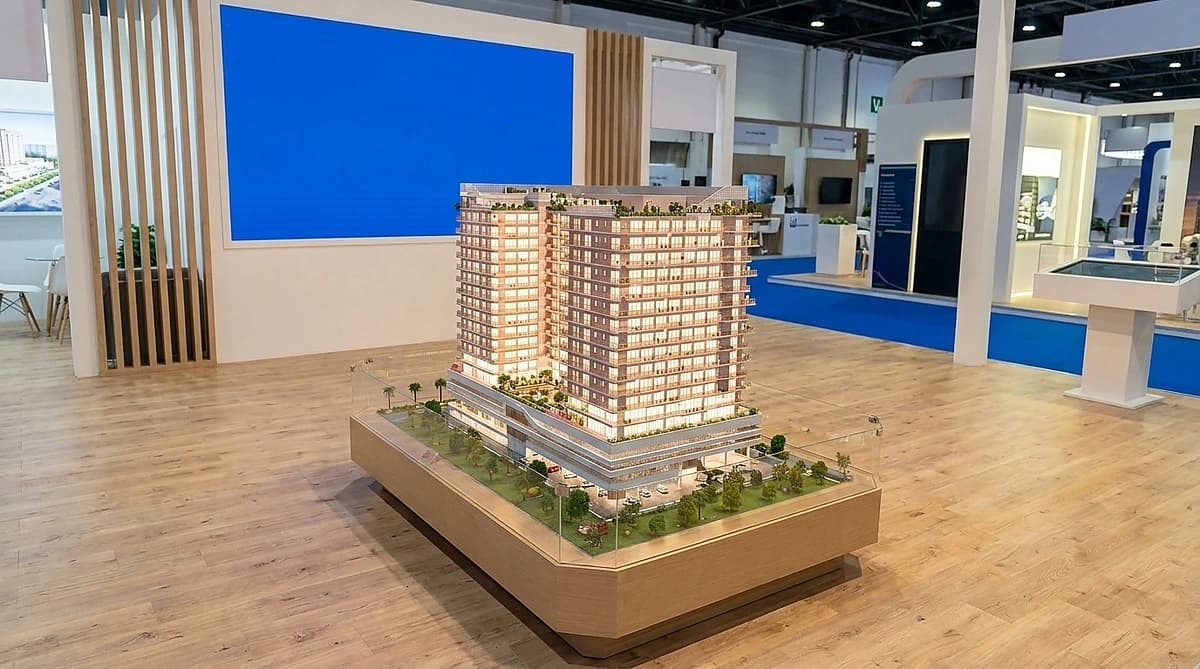
Danube Properties construction costs: no delays after 50% rise
Danube Properties construction costs rose 50%, but Danube says delivery schedules remain intact and off-plan buyers will not face price hikes.
UAE developers are reporting a sharp jump in construction input costs linked to supply-chain disruption associated with the Hormuz crisis, and the market is watching whether higher costs force project delays or price increases. The source report cites a roughly 50% surge in costs and says Danube Properties has publicly stated that its delivery timelines are unaffected and that off-plan buyers will be shielded from immediate price increases.
For buyers and investors the key questions are practical: will construction slow, will developers pass costs onto buyers, and how credible is a promise of no price hikes when industry-wide material costs have jumped by about 50%? This article examines the announcement from Danube Properties, the causes behind the cost spike, how developers typically respond, and the signals buyers should watch next.
What did Danube Properties announce about project delays and price hikes?
What did Danube Properties announce about project delays and price hikes? Key Data
Construction cost rise
50%
Delivery schedules
Intact
Off-plan price hikes
None
Cause
Hormuz-linked supply disruption
Danube Properties announced that despite a reported 50% rise in construction costs it expects no project delays and that off-plan buyers will not face price increases. The company framed this as a commitment to delivery schedules and buyer protections even as input costs climb.
The announcement links the cost rise to supply-chain disruption associated with the Hormuz crisis and wider logistical pressures. The 50% figure cited describes the scale of increased construction input costs developers are facing, including materials, shipping and labour uplifts. Danube specifically stated its contracts and delivery plans remain on track and that current off-plan buyers would not be priced into those higher input costs.
That message reduces short-term uncertainty for purchasers but does not erase longer-term risk. If input costs stay elevated, developers must absorb the margin hit, reallocate budgets, or rephase non-essential spend. Buyers should treat Danube Properties' statement as a positive confirmation of intent while also watching future progress reports, milestone notices and independent delivery confirmations.

Why did construction costs jump 50% and what does it mean?
Construction costs jumped about 50% because of supply-chain disruption tied to the Hormuz crisis, higher freight and material prices, and tighter logistics that increased input costs for UAE developers. That 50% figure reflects a broad, industry-level increase rather than a single line-item change.
A 50% rise in input costs means developers face immediate margin pressure on active projects. For most developers the options are limited: accept lower margins, delay non-critical works to smooth cash flow, or seek to renegotiate terms where contracts allow. Danube Properties' announcement that it will not delay projects and will protect off-plan prices indicates an internal decision to absorb or reallocate costs rather than pass them to current buyers.
Practically, a sustained 50% cost uplift will squeeze profitability across the sector and raise the chance of slower future launches or more conservative project pipelines. Buyers should understand that Danube's stance is measurable protection today, but sustained cost inflation could change future developer behaviour for new launches or extension agreements.
| Response | Typical impact | Danube stance |
|---|---|---|
| Delay projects | Extended completion times and rescheduling | Danube says delivery schedules remain intact |
| Pass costs to buyers | Price increases for off-plan buyers or new buyers | Danube says off-plan buyers are shielded from price hikes |
"Despite a reported 50% spike in construction costs, Danube Properties reports no project delays and no price increases for off-plan buyers."
, Binayah Research Team
How do developers typically respond to cost surges and how did Danube differ?
How do developers typically respond to cost surges and how did Danube differ? Key Data
Common developer actions
Delays or price passes
Danube's action
Maintain schedules, protect buyers
Reported cost increase
50%
Risk shifted to developer
Yes
Developers typically respond to sharp cost surges by delaying non-essential works, increasing contingency budgets, or passing some cost to buyers; Danube Properties instead stated it would keep delivery on schedule and protect existing off-plan buyers. That contrast is what makes Danube's announcement notable.
When input costs jump by roughly 50%, many developers reassess cash flow, staging and project phasing to preserve margins. In practice this often leads to delayed handovers, revised project timelines, or new price terms for buyers under flexible contracts. Danube Properties says it will not adopt those measures for current off-plan contracts, signalling an internal absorption of cost or a reallocation of corporate capital to meet scheduled milestones.
Danube's difference reduces buyers' immediate exposure to a 50% cost shock, but it shifts commercial strain back onto the developer. Investors should watch whether Danube raises contingency spending, defers discretionary capital, or updates contractual milestones in future disclosures, because absorbing a sustained 50% cost increase is materially challenging over multiple projects.
Key Insight
Buyers should confirm milestone dates in writing and check contractual protections for handover and price terms; verbal assurances are weaker than contract clauses.
What should buyers and investors watch after Danube's announcement?
Buyers and investors should watch delivery milestone updates, formal contract notices, and any future price revisions from Danube Properties as they confirm the promise to absorb the 50% cost rise. These signals indicate whether the commitment is operationally sustainable.
Specifically check for regular progress reports, escrow or escrow-equivalent confirmations, and milestone certificates that match the original schedule. If Danube publishes independent third-party progress certifications or issues updated timelines that match earlier dates, that strengthens the company's claim of no delays. Conversely, any shift in milestone dates or new cost-recovery notices would be a red flag.
Investors should also scan broader market indicators: if other developers begin to announce delays or price passes, the sector's ability to absorb a 50% cost uplift is limited. For off-plan buyers, the practical benefit today is protection from immediate price increases; the longer-term risk is that developers under margin pressure may slow future launches or alter product specifications for new projects.

- Check published milestone certificates
- Confirm contractual price protection clauses
- Watch other developers for market signalling
Danube Properties has publicly stated that it will not delay projects and will shield off-plan buyers from price increases despite an industry-reported 50% rise in construction costs tied to Hormuz-related supply disruption. That position reduces immediate buyer risk, but sustained input-cost inflation transfers pressure to developers and remains the primary factor buyers and investors should monitor.
Binayah Editorial
Property Market Analyst
Our editorial team researches Dubai's real estate market, tracking DLD data, developer launches, and investment trends to keep buyers and investors informed.
Ready to Invest in Dubai?
Speak with our analysts about the best opportunities in today's market, free consultation.