5 stylish restaurants with substance in Dubai
These five Dubai restaurants with substance combine striking interiors and food-driven kitchens to prove style and serious cooking can coexist.
Each venue here was chosen for the way its architecture and decor support a clear culinary purpose rather than distract from it. Expect bold design elements paired with disciplined menus, from tightly edited tasting formats to regional kitchens that prioritise technique and consistency over gimmicks. The emphasis is on restaurants where the look enhances, rather than replaces, the food.
This guide helps diners understand what to expect at each spot: the mood of the room, the menu focus and why the cooking matters. Read on for practical notes on atmosphere, typical price positioning and whether each address suits a celebratory night, a date or a reliable weekday meal.
Which iconic restaurant pairs bold interiors with rigorous cooking in Dubai?
Which iconic restaurant pairs bold interiors with rigorous cooking in Dubai? Key Data
Setting
Iconic, design-forward interiors
Menu focus
Rigorous technique and seasonality
Service style
Formal, timed courses
Price range
Moderate to high
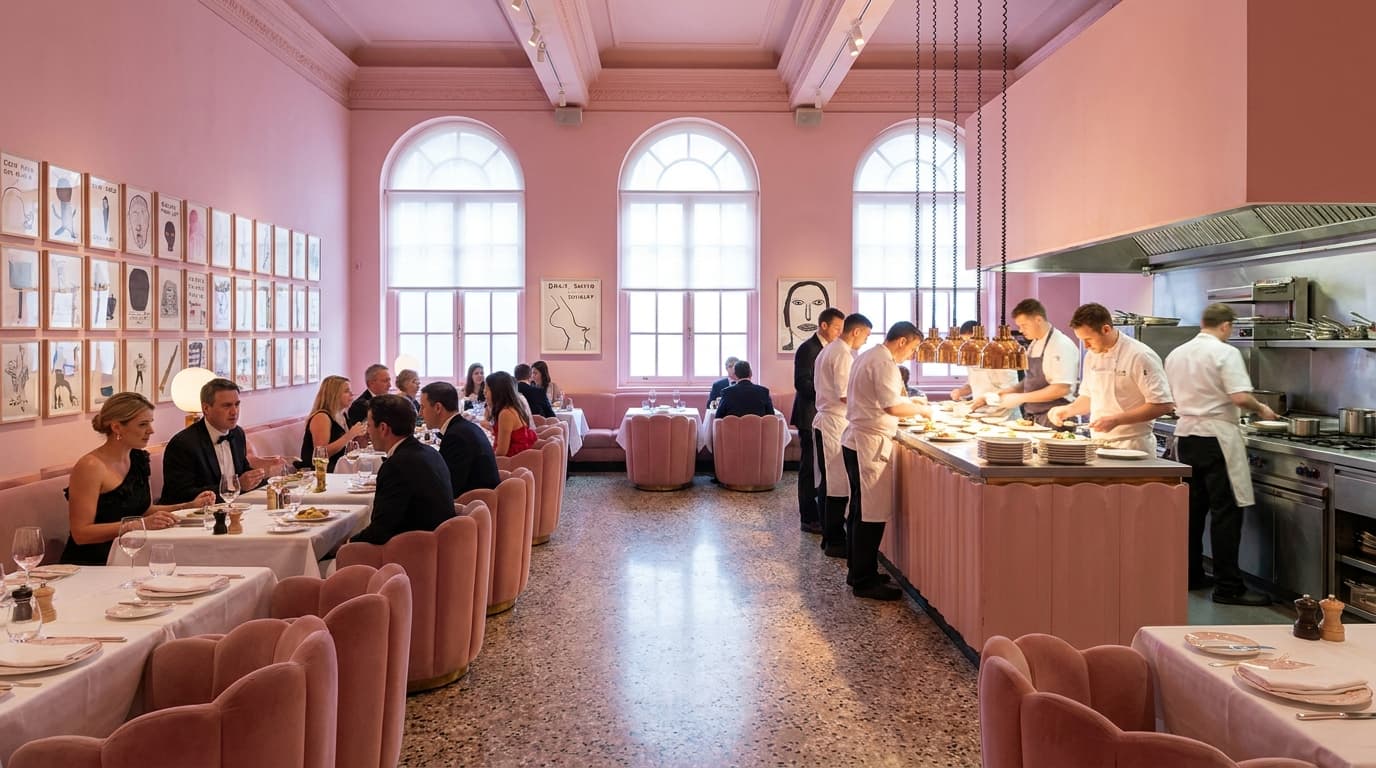
An iconic restaurant in Dubai pairs bold, museum-quality interiors with a kitchen that follows exacting technique and seasonality.
These rooms use dramatic design to set a confident mood while the kitchen focuses on executed recipes rather than novelty. Expect menus that are intentionally curated, often with tasting options or a short à la carte selection that prioritises product quality. The dining experience leans toward formal service, where presentation and timing reflect the same discipline as the cooking.
The risk for diners is style overpowering substance, but the best of these venues use design to amplify the food story. If you prioritise consistent, carefully plated dishes and staged service, look for places with small, fixed menus and chefs who emphasise technique and repeatability.
Key Insight
For a reliably good meal in a dramatic room, choose a venue with a short, focused menu; long menus dilute kitchen precision and can reduce consistency.
- Tasting menus often indicate culinary focus
- Smaller menus mean better executed dishes
- Formal service usually aligns with technique-driven cooking
- Design enhances the narrative when the food is solid
Which rooftop venue in Dubai offers steady cuisine and panoramic views?
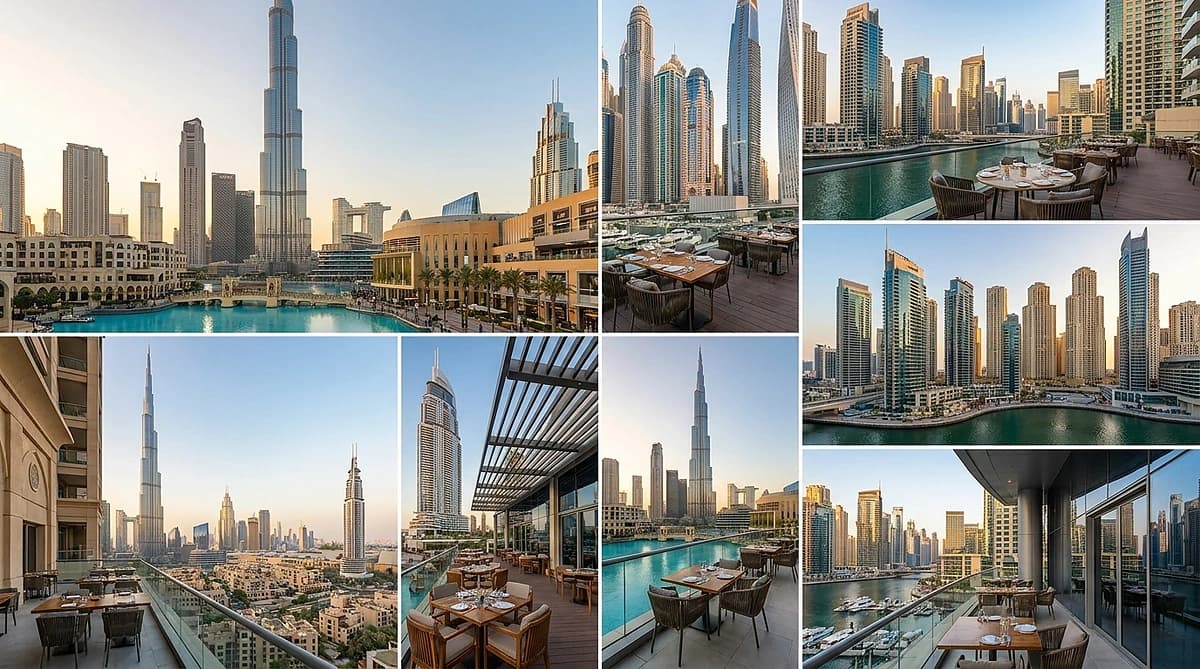
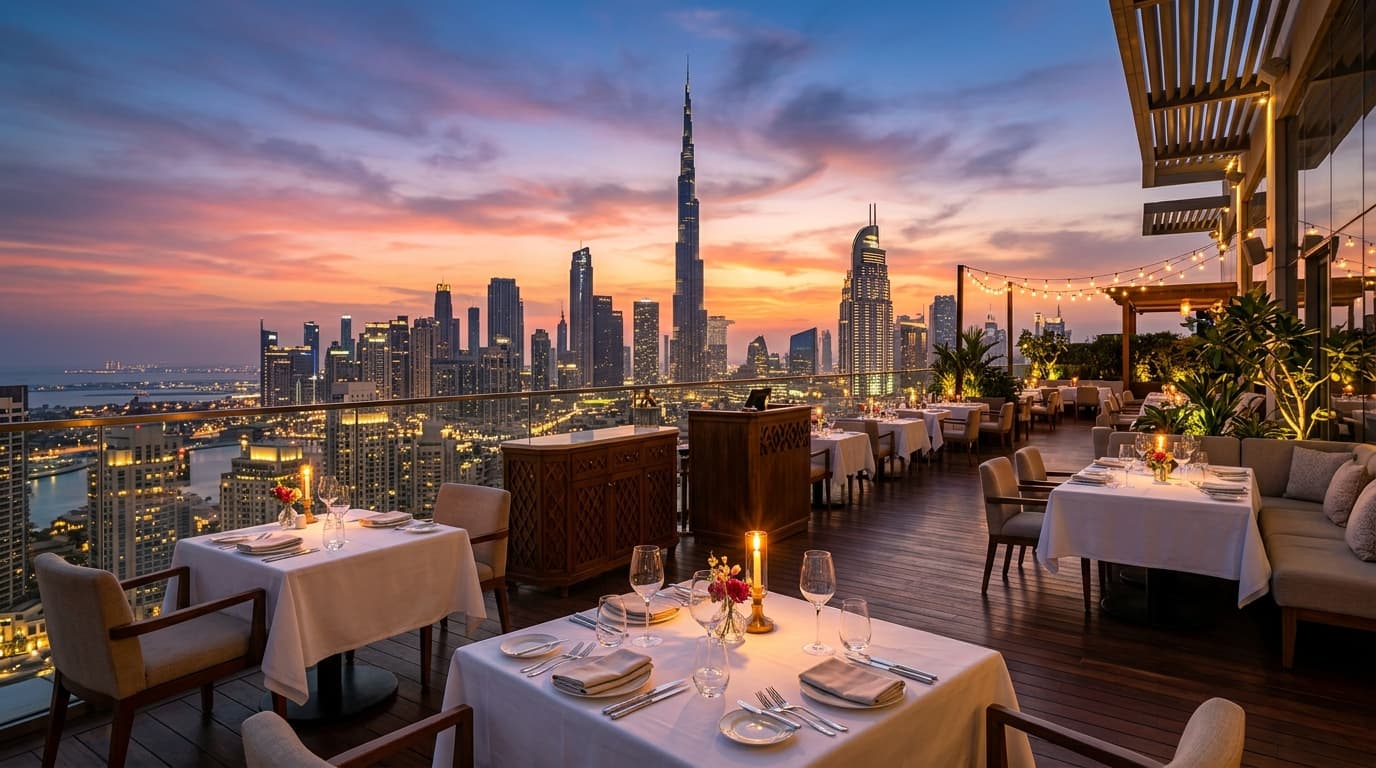
A rooftop restaurant with steady cuisine pairs reliable, well-executed dishes with wide city or sea views, rather than pushing culinary trends.
These venues excel at delivering consistent classics that work well in an open-air or high-rise setting: grilled proteins, composed salads and signature cocktails are common. The cooking tends to be approachable and designed to shine alongside the atmosphere, which means chefs prioritise dishes that travel well from kitchen to table and suit a social, often louder, environment.
The downside is that rooftops can rely too heavily on their view, letting the menu become secondary. For the best experience, choose a rooftop where the menu lists concise signatures and the kitchen demonstrates repeatable technique on staples, not just decorative plating.
| Feature | Typical offering | Why it matters |
|---|---|---|
| View | City skyline or sea | Drives bookings and atmosphere |
| Menu | Approachable mains and cocktails | Works in open-air service |
| Pacing | Faster, social dining | Less formal, more convivial |
| Price | Casual to premium | Depends on exclusivity and location |
"Rooftop restaurants win when the food is steady and complements, rather than competes with, the view."
, Binayah Research Team
- Choose concise signature dishes for best consistency
- Cocktail quality matters as much as food at many rooftops
- Open-air service favors dishes that hold temperature
- Peak-time bookings often focus on the view rather than the menu
Which hotel restaurant in Dubai offers a grand setting with a focused menu?
Which hotel restaurant in Dubai offers a grand setting with a focused menu? Key Data
Venue type
Hotel dining room
Menu style
Focused signatures or fixed menus
Service
Formal, consistent
Audience
Guests and walk-ins
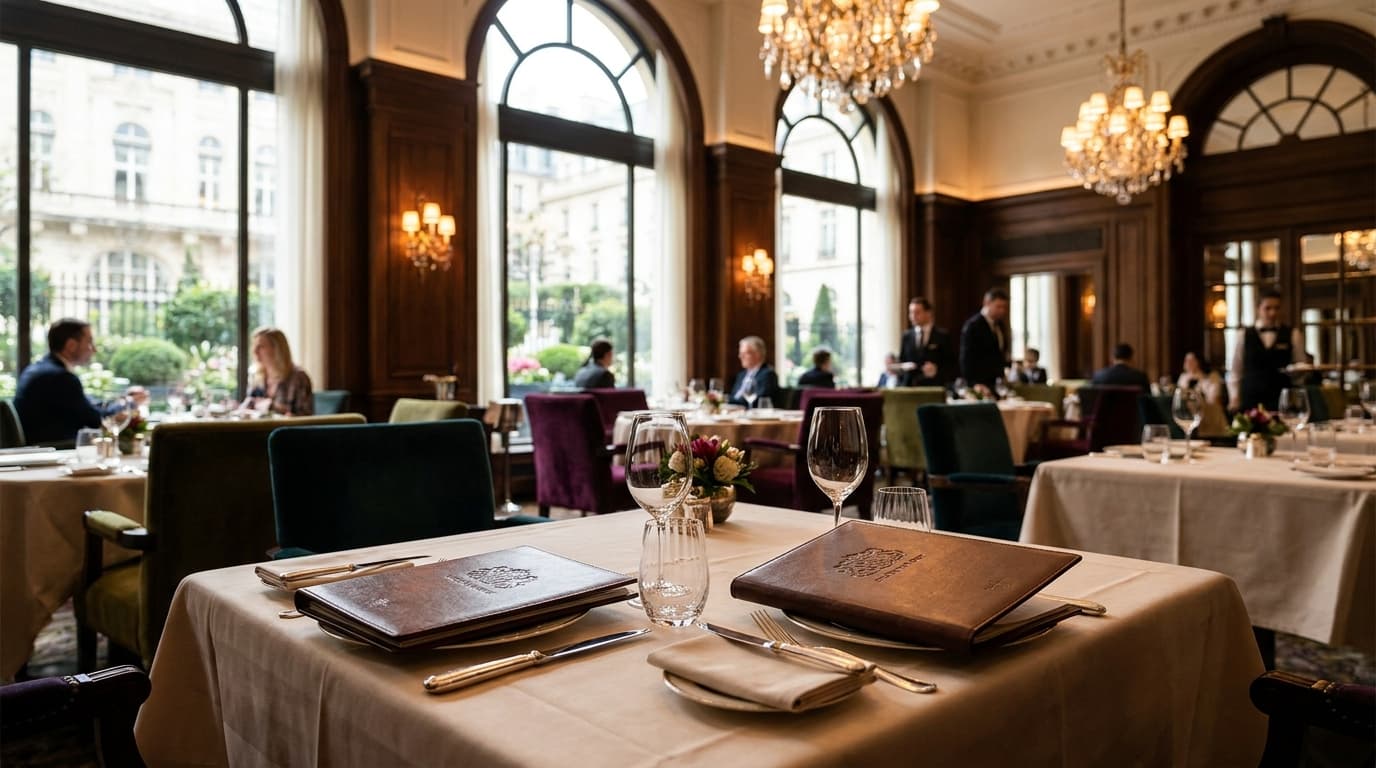
A hotel restaurant that aims for grandeur pairs majestic public spaces with a tightly focused menu that demonstrates culinary intent.
These restaurants are often found in landmark hotels where the dining room is designed to impress guests and residents alike. Menus in these rooms tend to be disciplined: a small number of signature starters, mains and desserts that the kitchen executes consistently for a varied audience. Service protocols are usually formal to match the room, which helps maintain quality across large covers.
The main trade-off is scale versus intimacy; grand hotel rooms can feel distant if the kitchen overextends. Look for hotel restaurants that list chef signatures or fixed menus, which indicate the kitchen’s commitment to doing fewer dishes very well rather than many poorly.
Key Insight
If you want theatrical surroundings without flaky execution, seek hotel restaurants that publish a short signature menu or tasting option.
- Fixed menus signal kitchen discipline
- Formal service supports consistent delivery
- Grand rooms often host larger parties
- Good for special occasions and business dining
Which beachfront restaurant in Dubai blends casual glamour with disciplined cooking?
Which beachfront restaurant in Dubai blends casual glamour with disciplined cooking? Key Data
Setting
Beachfront, relaxed glamour
Cuisine
Ingredient-driven, shareable plates
Service
Polished yet informal
Best for
Social lunches and sunset dinners
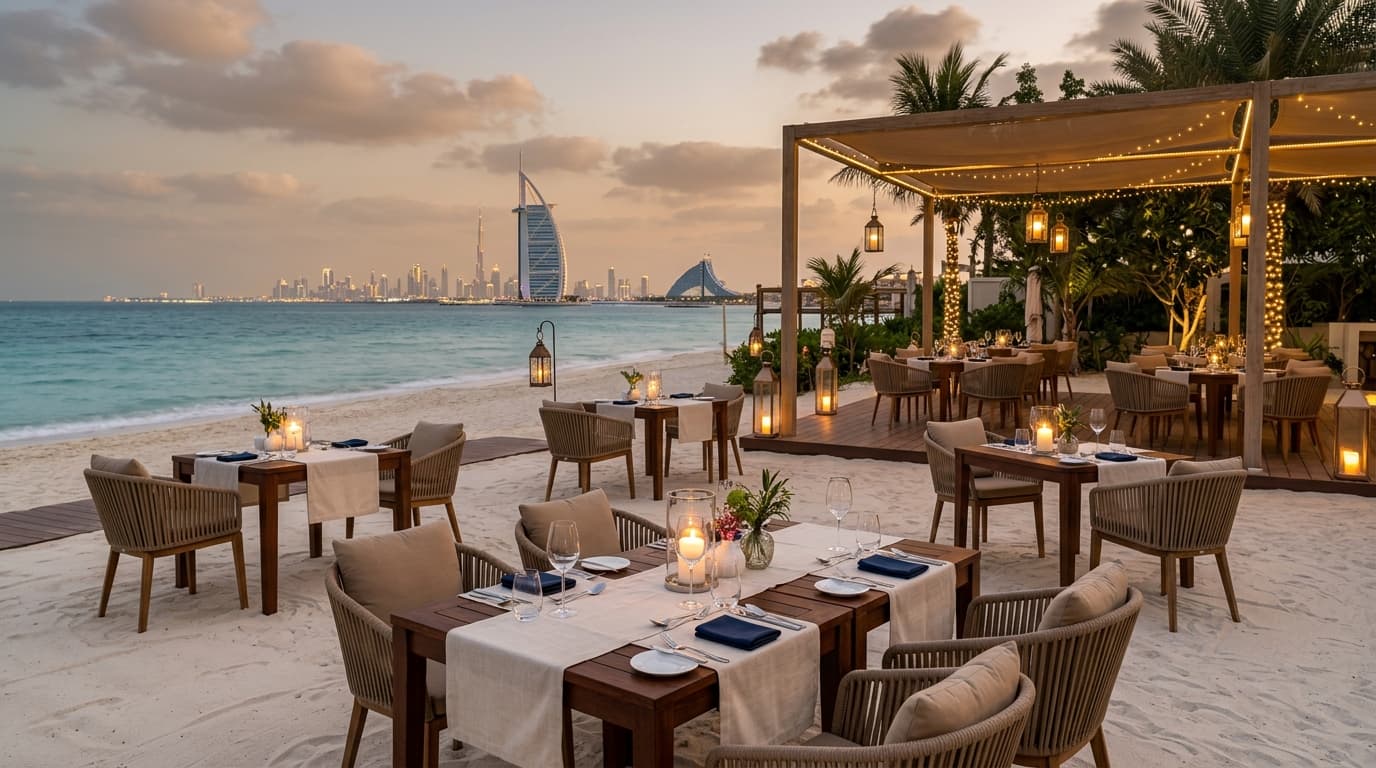
A beachfront restaurant that balances casual glamour and disciplined cooking serves approachable, well-made food in a relaxed seaside setting.
These venues favour dishes that suit seaside dining: grilled fish, seasonal salads and composed small plates that travel well in an outdoor environment. The cooking focuses on clarity of flavour rather than overworked techniques, so plates are clean, ingredient-driven and designed for sharing. The atmosphere is relaxed but polished, with service that keeps things flowing without stiff formality.
The challenge with beachfront spots is weather and seasonality, which can affect service and menu stability. Prioritise restaurants that rotate their menus with local catches and express clear signatures to ensure the kitchen remains disciplined and consistent despite the casual setting.
Key Insight
At beachfront venues, choose places that list local seafood and rotating signatures; those elements indicate a kitchen that adapts and maintains quality.
- Shareable plates suit the beach mood
- Local fish on the menu is a good indicator of discipline
- Outdoor service can affect timing expect flexible pacing
- Sunset timeslots are popular; book earlier for a calmer meal
Where can you find a hidden, intimate restaurant in Dubai with memorable flavours?
Where can you find a hidden, intimate restaurant in Dubai with memorable flavours? Key Data
Atmosphere
Intimate, small dining rooms
Menu
Concise, often chef-led
Experience
Personal service, memorable flavours
Suitability
Special evenings and food-focused diners
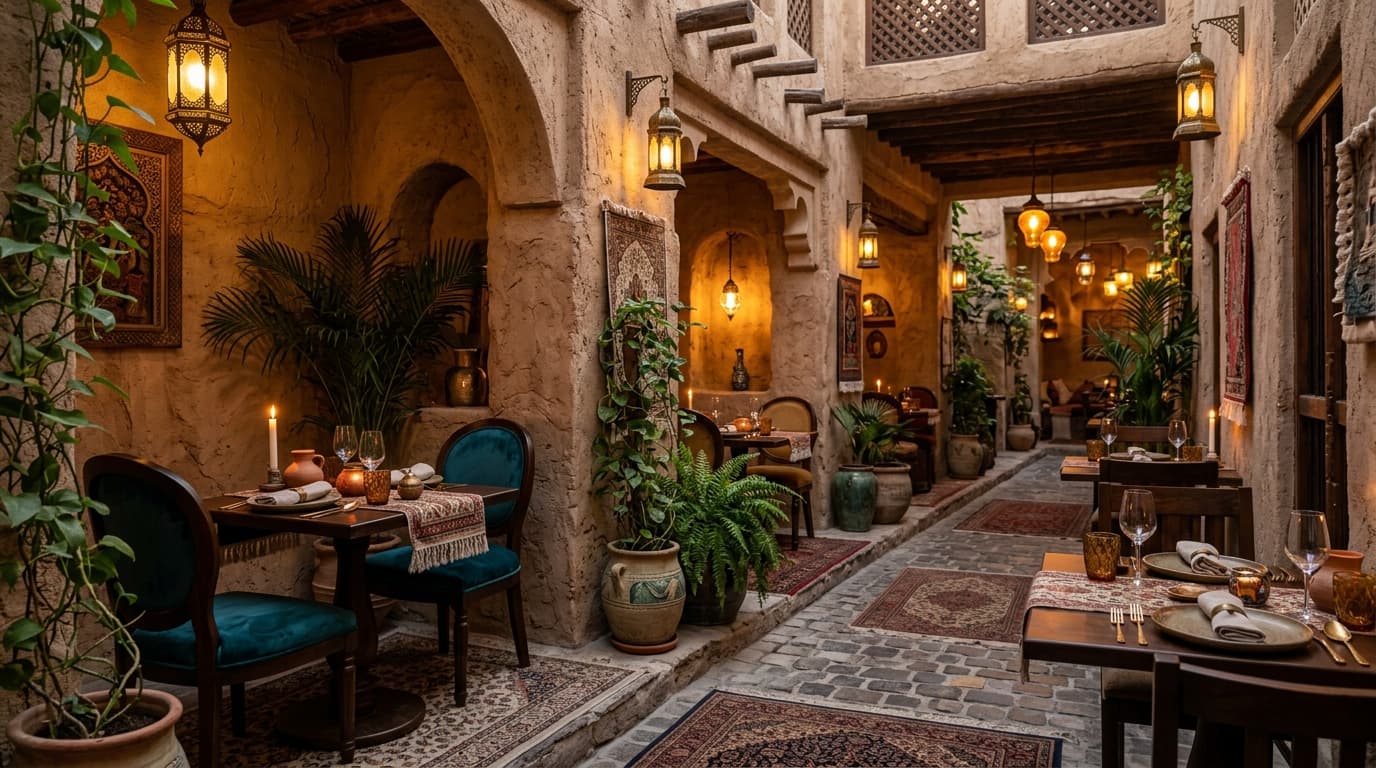
A hidden spot in Dubai offers intimate rooms and memorable flavours by focusing on tight menus and close attention to detail.
These smaller restaurants often rely on atmosphere and the skill of a compact kitchen to leave a lasting impression. Expect concentrated menus, perhaps daily-changing dishes, and a service style that feels personal. The result is a dining experience where the flavours linger because the kitchen commits to technique, local sourcing or a clear culinary point of view rather than visual spectacle.
Hidden venues can be harder to book and sometimes less predictable on price, but they reward diners who value depth over flash. If you want a memorable meal, target small rooms with chef-led menus and a concise list of signatures to increase the chances of a focused, flavour-forward experience.
Key Insight
Smaller, chef-driven venues are more likely to prioritise consistency and flavour; booking ahead is essential to secure the best timeslots.
- Chef-led menus indicate focused cooking
- Small dining rooms offer personalised service
- Menus may change often expect daily specials
- Great choice for diners seeking depth over show
These five restaurants illustrate how Dubai venues can successfully marry strong design with disciplined cooking, offering rooms where the food justifies the style. Choose places with concise, chef-driven menus or signature dishes to ensure you get substance under the polish.
Binayah Editorial
Property Market Analyst
Our editorial team researches Dubai's real estate market, tracking DLD data, developer launches, and investment trends to keep buyers and investors informed.
Ready to Invest in Dubai?
Speak with our analysts about the best opportunities in today's market, free consultation.