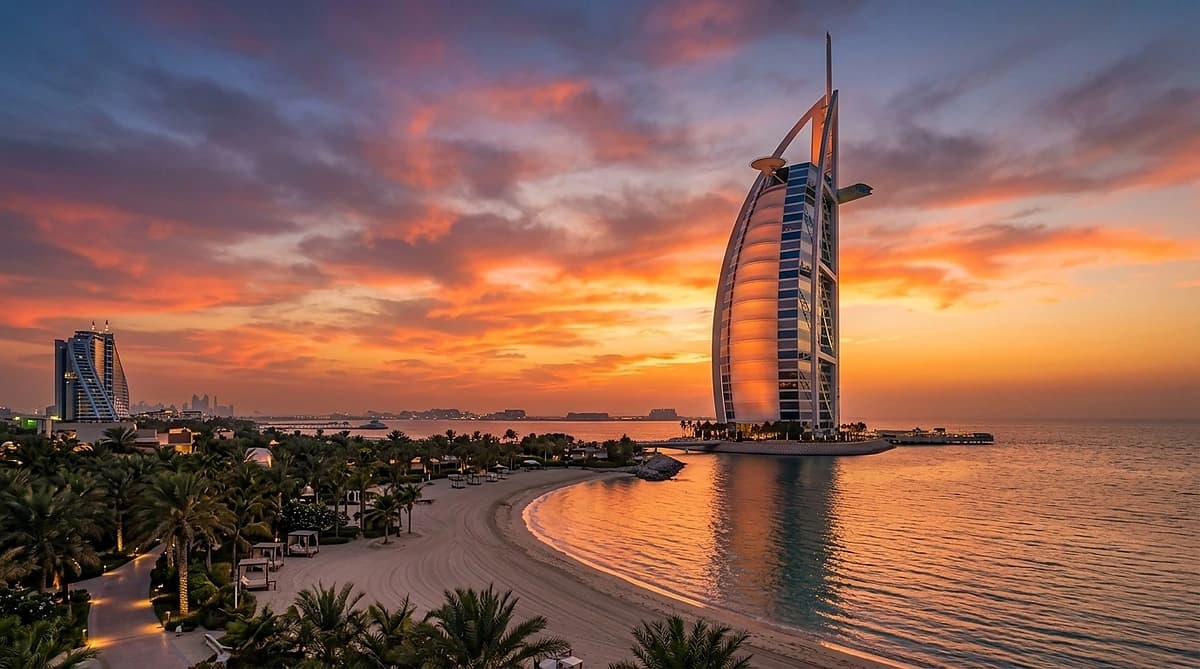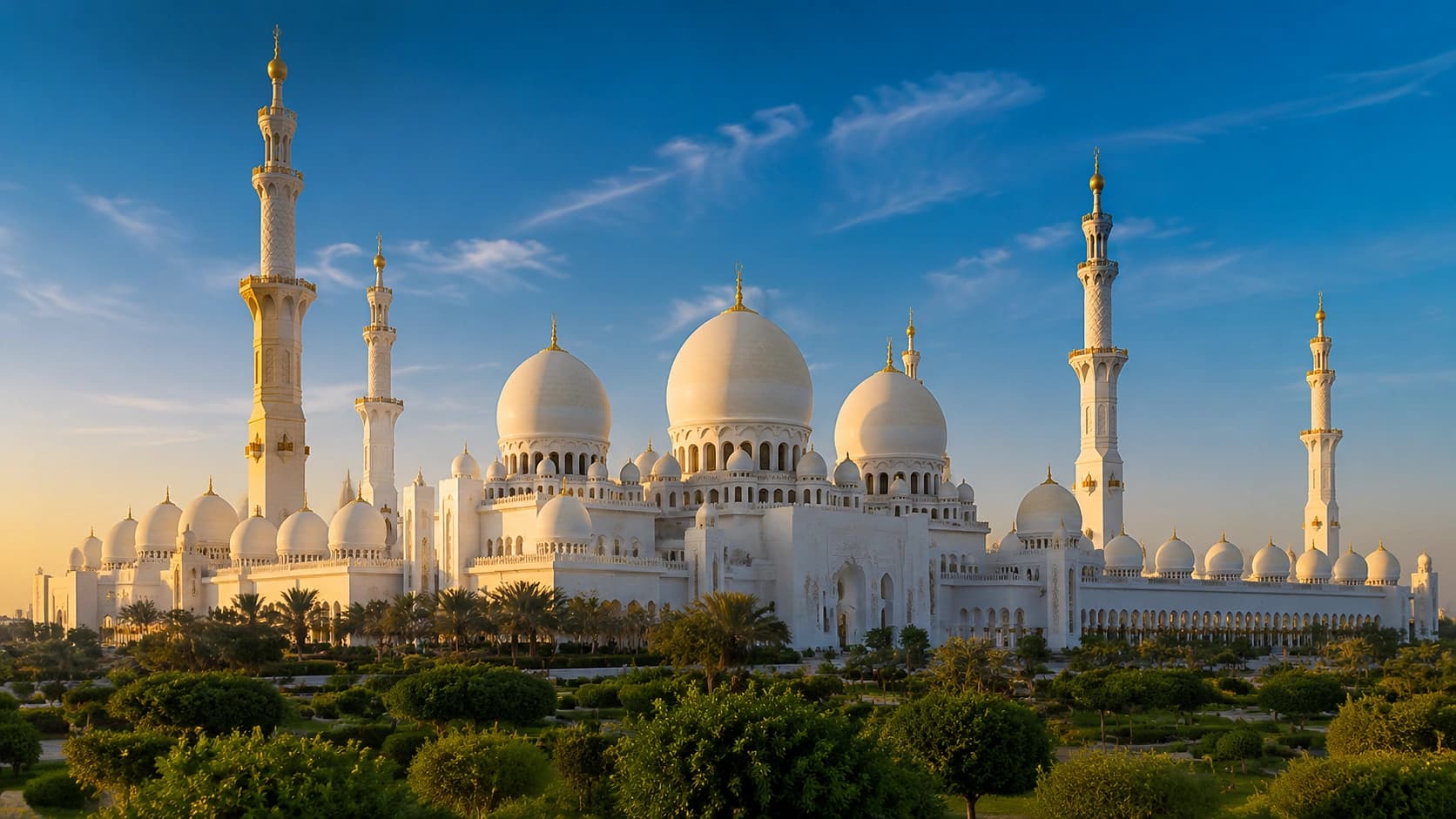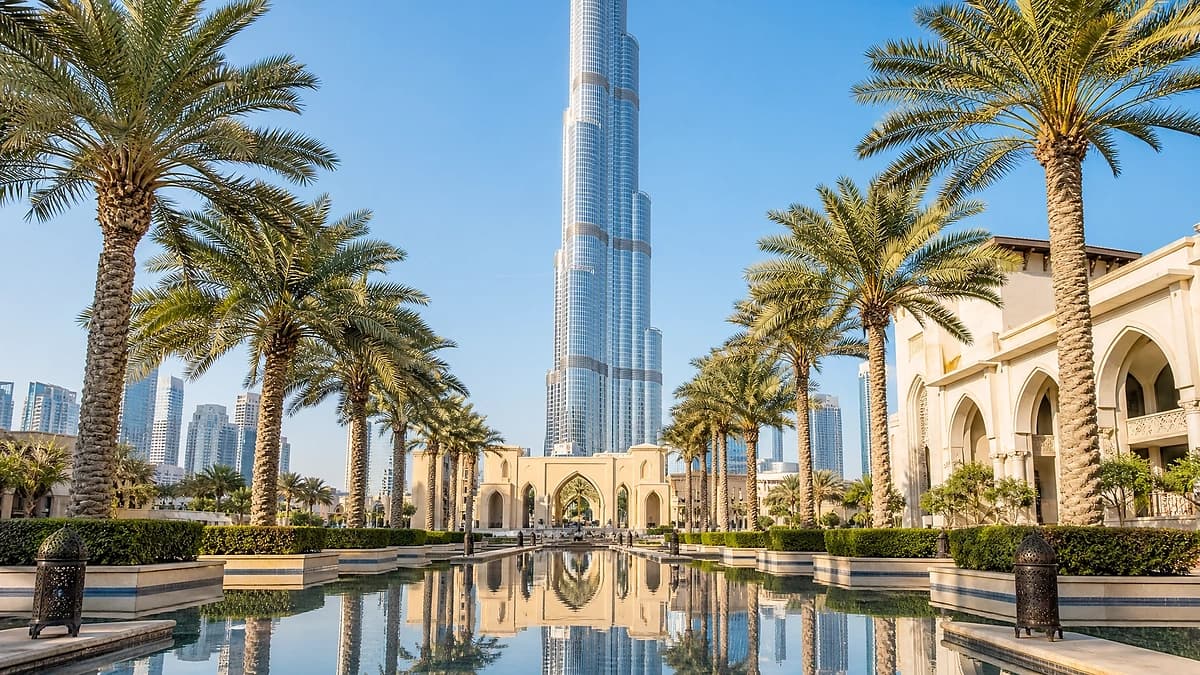
Living in the UAE: why people love Dubai, Abu Dhabi and Ras Al Khaimah
Living in the UAE offers a mix of fast-paced opportunity in Dubai, long-term stability in Abu Dhabi and natural calm in Ras Al Khaimah.
Across the three emirates, chefs, founders and creatives describe why they chose the Emirates: career momentum in urban Dubai, cultural institutions and long-term planning in Abu Dhabi, and nature-driven creativity in Ras Al Khaimah. These voices highlight practical benefits such as varied work scenes, accessible leisure and distinct neighbourhood rhythms that match personal priorities.
Choosing where to live in the UAE matters because neighbourhood culture shapes daily life. For many people the decision comes down to work and lifestyle balance: fast connections and networking in city centres, family-oriented infrastructure and planning in the capital, or a quieter coastal and mountain setting for slower creativity.
Living in the UAE: why Dubai offers multicultural energy and career momentum
Living in the UAE: why Dubai offers multicultural energy and career momentum Key Data
Region
Dubai
Voices
Chefs, founders, creatives
Appeal
Career momentum
Scene
Multicultural energy
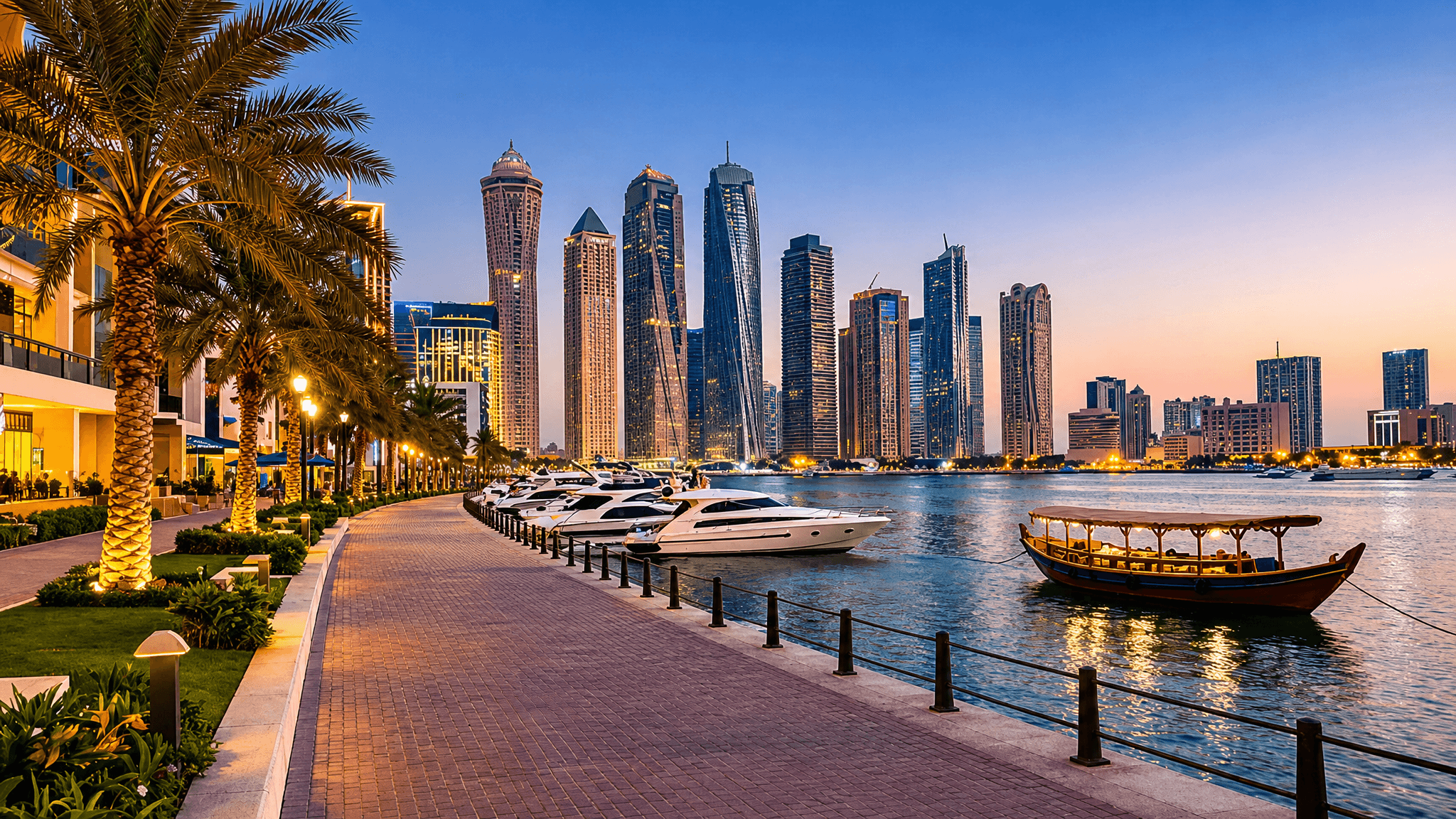
Dubai's multicultural energy and career momentum attract professionals, creatives and entrepreneurs who value a high-visibility platform for work and networking.
Chefs, startup founders and creative directors describe Dubai as a place where diverse talent and international clients meet in hospitality, media and technology scenes. That mix creates frequent industry events, pop-up collaborations and freelance opportunities that amplify a professional profile. For many people the draw is practical: access to large audiences, year-round hospitality demand and a steady stream of international projects.
The main nuance is pace versus permanence: Dubai rewards initiative and quick scaling but can feel transient. People aiming for deep community roots may need to prioritise long-term neighbourhood choices and family services, since the city's rhythm often favours projects and career cycles over slow, multigenerational continuity.
- Strong hospitality and events scene
- High visibility for entrepreneurs and creatives
- Frequent short-term collaborations
- Fast-paced professional networks
Why is Abu Dhabi known for stability, culture and long-term planning?
Abu Dhabi is valued for stability, its cultural institutions and a planning approach that suits long-term careers and family life.
Residents and cultural professionals point to the capital's emphasis on museums, formal cultural programmes and government-led development as reasons to settle down. That environment supports sustained institutions and predictable infrastructure planning, which appeals to people focused on long-term projects, education and public amenities. Many creatives find the slower pace helpful for in-depth work and partnerships with established cultural bodies.
The trade-off is that Abu Dhabi can feel quieter than Dubai's commercial bustle. For people prioritising rapid networking or a constant stream of pop-up events, Abu Dhabi's measured rhythm may require extra effort to access international freelance markets or high-frequency hospitality work.
| Emirate | Strength | Common reason people move |
|---|---|---|
| Dubai | Multicultural energy and career momentum | Fast networking, hospitality and media opportunities |
| Abu Dhabi | Stability and cultural institutions | Long-term careers, family planning and formal cultural projects |
"Abu Dhabi's appeal lies in predictable planning and institutional support that help long-term projects thrive."
, Binayah Research Team
Why do people choose Ras Al Khaimah for nature, a slower pace and emerging creativity?
Ras Al Khaimah attracts people who prioritise natural landscapes, a slower daily rhythm and space for creative experimentation.
Chefs, artists and independent founders mention the emirate's coastline and mountains as a central part of their lifestyle decision. The quieter environment supports studios, small-scale hospitality and nature-led events that would be harder to sustain in denser urban centres. For creatives the lower tempo also means fewer interruptions and more affordable workspace options compared with city cores.
That lifestyle comes with practical limits: fewer large-scale cultural institutions and less commercial infrastructure than Dubai or Abu Dhabi. People moving for nature often accept longer travel times for industry events and may combine a RAK base with regular trips to larger cities for client meetings or exhibitions.
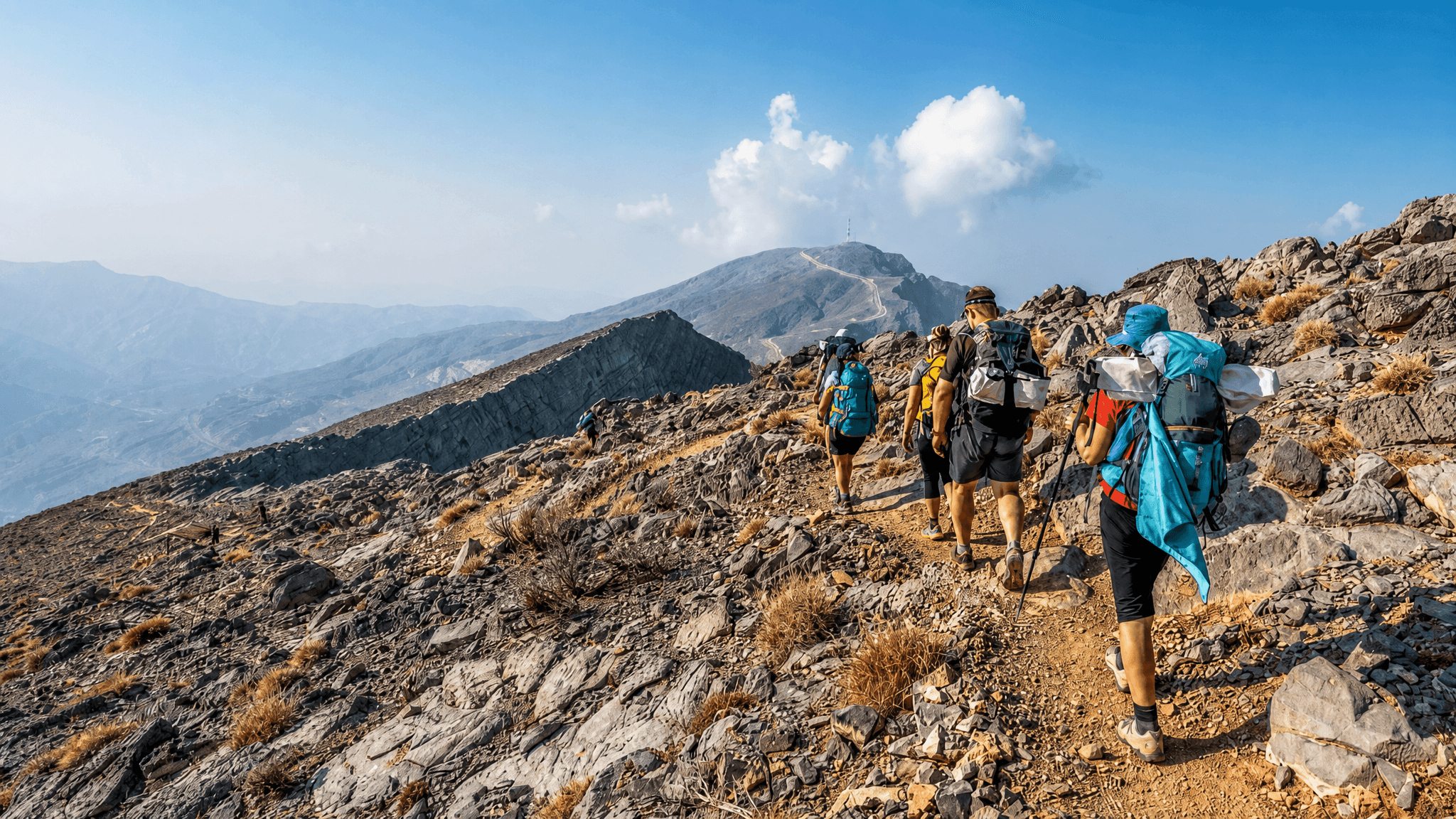
- Nature-led lifestyle: mountains and beaches
- Slower pace supports deep creative work
- Smaller-scale hospitality and studio scenes
Living in the UAE: how lifestyle choices shape where people settle
Lifestyle priorities such as career speed, family planning and appetite for nature determine which emirate people pick to call home.
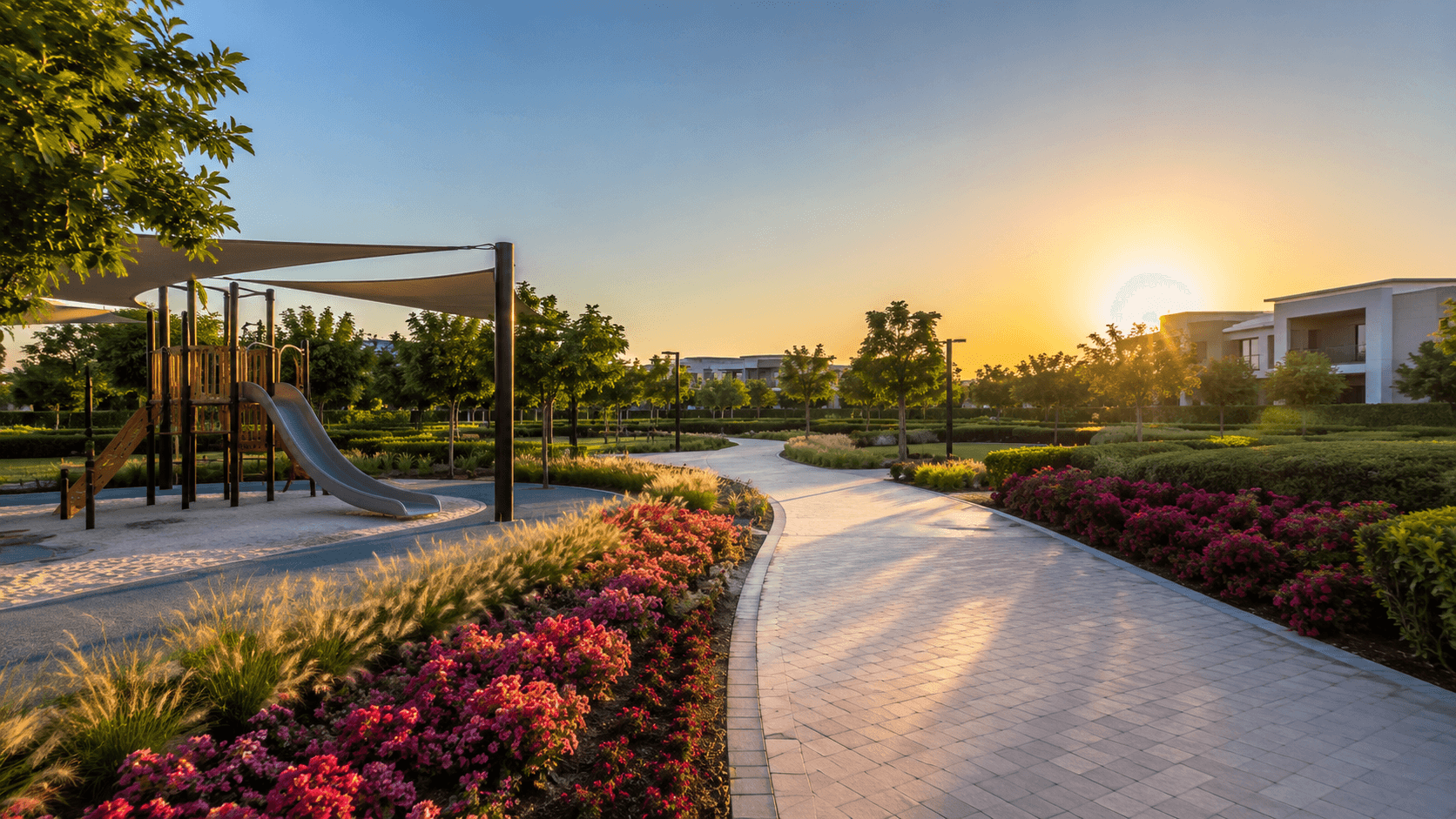
People who prioritise rapid career growth and frequent networking tend to favour Dubai's high-energy environment. Those focused on stable public services, cultural institutions and planned neighbourhoods often choose Abu Dhabi. Individuals seeking natural quiet, space and creative freedom find Ras Al Khaimah a better fit. These choices affect everything from commuting patterns to school selection and leisure routines.
A clear strategy helps: list the lifestyle trade-offs that matter most, then match them to an emirate's dominant strengths. That reduces lifestyle friction later and makes it easier to plan housing, schooling and community ties consistent with long-term goals.
Key Insight
If you value professional visibility, prioritise proximity to urban centres. If family stability and cultural institutions matter more, focus on neighbourhoods near schools and civic amenities. If creative space and nature are central, expect longer travel to industry hubs but gain quieter work rhythms.
- Match pace of life to career and family needs
- Consider travel time for industry events
- Weigh short-term energy against long-term roots
Voices from chefs, founders and creatives show that living in the UAE is defined by three clear choices: Dubai for fast career momentum, Abu Dhabi for stability and cultural depth, and Ras Al Khaimah for nature-led creativity. Matching personal priorities to these emirate strengths reduces friction and makes daily life more sustainable over the long term.
Binayah Editorial
Analyste du marché immobilier
Notre équipe éditoriale étudie le marché immobilier de Dubai, en suivant les données du DLD, les lancements de promoteurs et les tendances d'investissement pour tenir les acheteurs et investisseurs informés.
Prêt à investir à Dubaï ?
Discutez avec nos analystes des meilleures opportunités sur le marché actuel, consultation gratuite.