UAE flights: Emirates, Etihad, flydubai, Air Arabia reach 420
UAE flights now connect to 420 destinations as Emirates, Etihad, flydubai and Air Arabia expand networks after the recent ceasefire.
The four UAE carriers form the core of a renewed international network focused on passenger and cargo flows. Analysts report the expansion follows a ceasefire that reopened routes and eased airspace constraints, enabling growth across lanes that link Africa, China, India and the Gulf.
Targeted lanes include manufacturing, agriculture, pharmaceuticals and infrastructure sectors, and the enlarged 420-destination footprint is intended to boost trade and supply-chain resilience across those corridors.
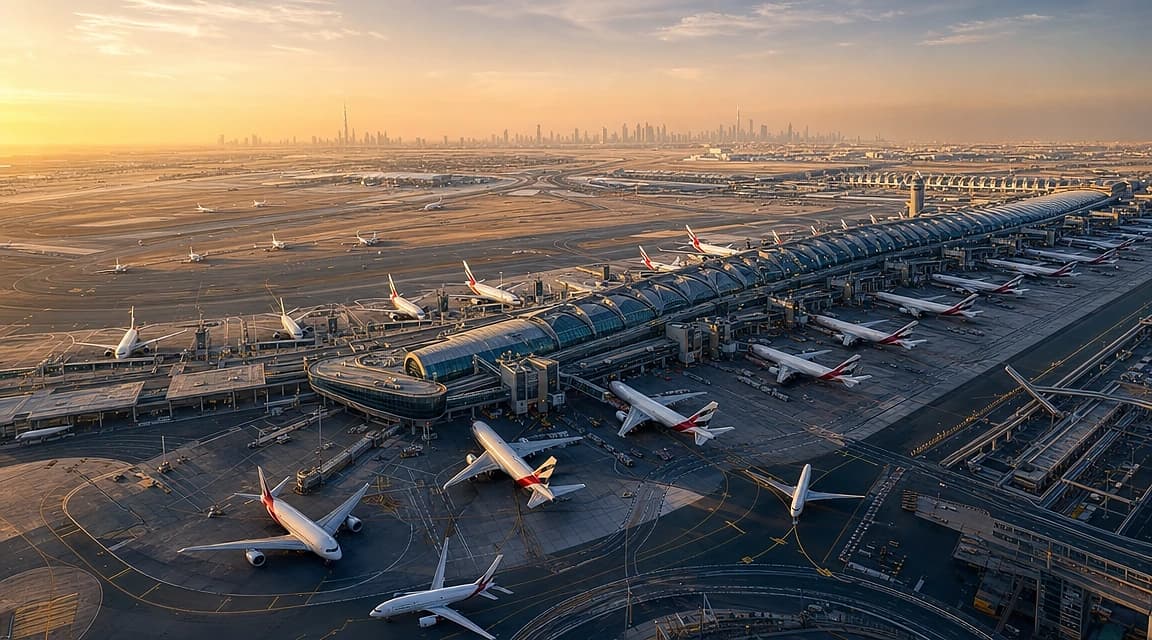
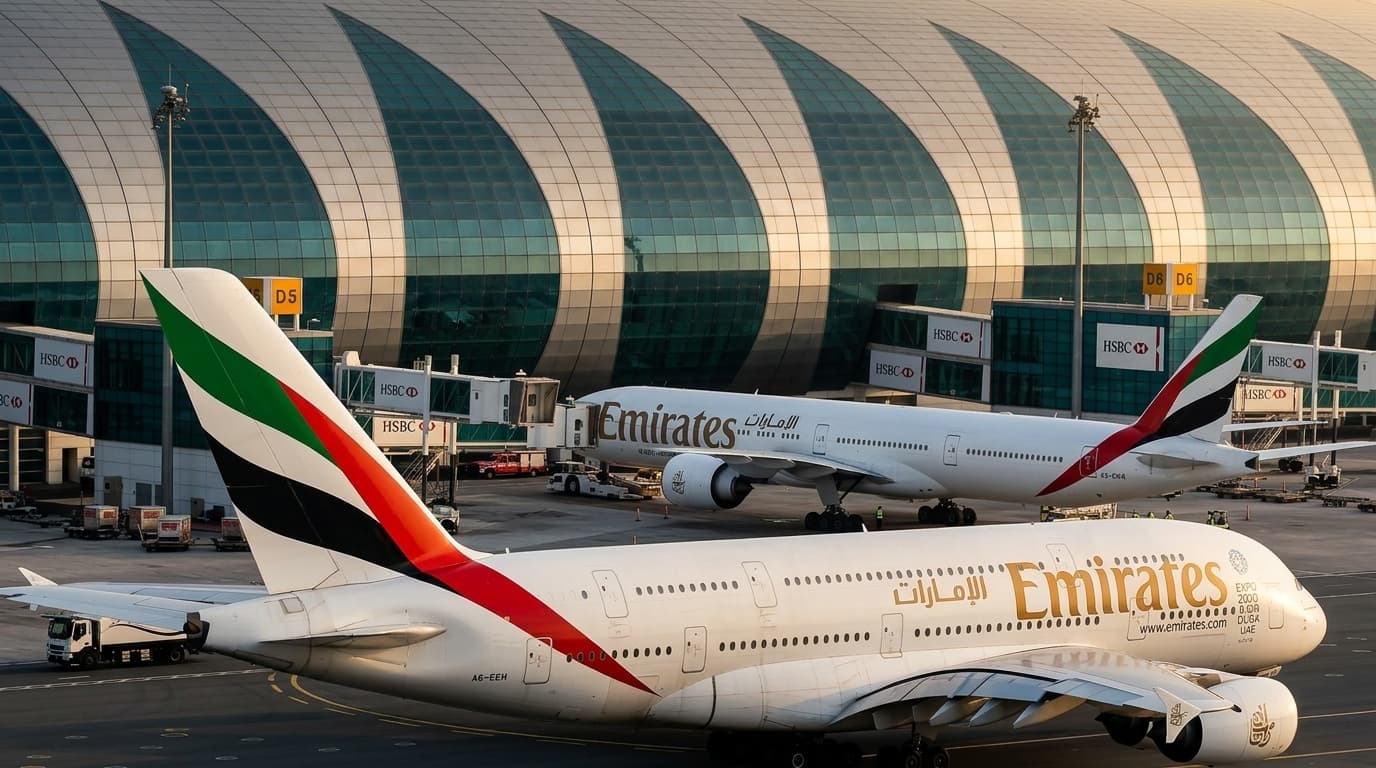
Emirates: global network powerhouse for UAE flights
Emirates: global network powerhouse for UAE flights — Key Data
Network
420 destinations
Targeted lanes
manufacturing, agriculture, pharmaceuticals, infrastructure
Airline
Emirates
Role
Global passenger and cargo connector
Emirates is positioned as a global network powerhouse within the UAE flights expansion, contributing to the combined 420 destinations now on offer. Emirates remains one of the named carriers behind the wider network increase after the ceasefire, and it plays a key role in restoring long-haul links that underpin trade and tourism.
Emirates’ contribution to the 420-destination network supports targeted lanes for manufacturing, agriculture, pharmaceuticals and infrastructure between Africa, China, India and the Gulf. That larger route map helps exporters and importers move goods more directly, and it strengthens passenger connectivity for business and leisure travel without relying on indirect stopovers.
The strategic nuance is that a larger network creates opportunity but also raises operational complexity and cost risks. Airlines expanding rapidly face slot coordination, cargo handling capacity and regulatory alignment across multiple jurisdictions, which can delay benefits to shippers in the manufacturing and pharmaceuticals sectors despite the 420-destination milestone.
Etihad: why Abu Dhabi’s connector matters for UAE flights
Etihad: why Abu Dhabi’s connector matters for UAE flights — Key Data
Network
420 destinations
Targeted lanes
manufacturing, agriculture, pharmaceuticals, infrastructure
Airline
Etihad
Role
Strategic Abu Dhabi connector
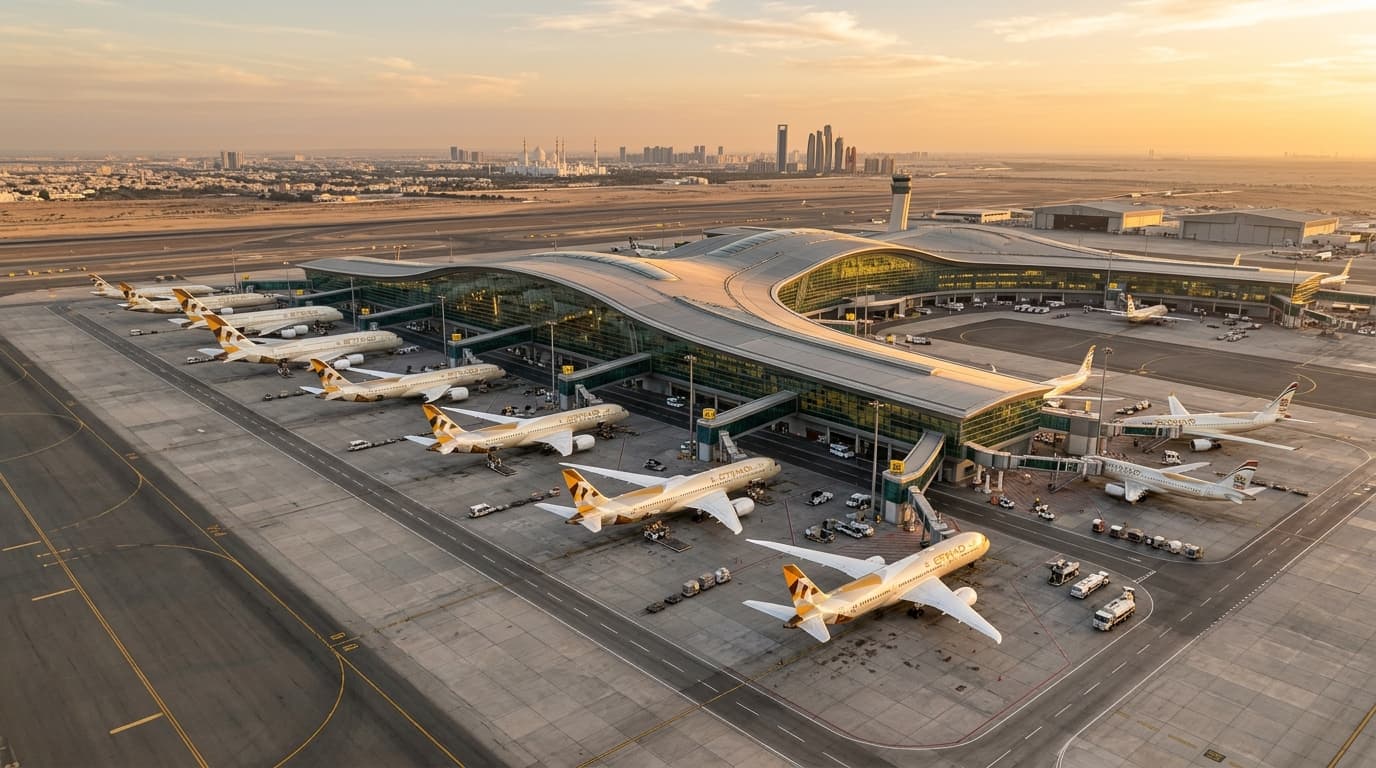
Etihad is described as Abu Dhabi’s strategic connector within the UAE flights expansion and is part of the cumulative 420 destinations now reachable. As one of the four carriers named, Etihad helps restore and diversify regional and intercontinental links important to both passengers and freighters.
Etihad’s network contribution supports lanes highlighted in the expansion: manufacturing, agriculture, pharmaceuticals and infrastructure trade between Africa, China, India and the Gulf. The enlarged 420-destination footprint reduces transit times for critical shipments and broadens options for route planning, improving resilience for companies that depend on timely deliveries.
Risks include uneven ground handling and customs procedures across the expanded corridors, which can blunt the practical benefits of more routes. For firms in pharmaceuticals and agriculture, regulatory harmonisation and cold-chain capacity remain the decisive constraints even with Etihad contributing to the 420-destination network.
| Airline | Focus lanes | Network role |
|---|---|---|
| Emirates | Manufacturing, agriculture, pharmaceuticals, infrastructure | Global passenger and cargo connector |
| Etihad | Manufacturing, agriculture, pharmaceuticals, infrastructure | Strategic Abu Dhabi connector |
| flydubai | Manufacturing, agriculture, pharmaceuticals, infrastructure | Regional point-to-point growth |
| Air Arabia | Manufacturing, agriculture, pharmaceuticals, infrastructure | Low-cost regional connector |
"Restoring routes and expanding network options is critical for trade lanes; connectivity alone does not guarantee supply-chain reliability without ground-side investment."
— Binayah Research Team
flydubai: how regional reach boosts UAE flights point-to-point growth
flydubai: how regional reach boosts UAE flights point-to-point growth — Key Data
Network
420 destinations
Targeted lanes
manufacturing, agriculture, pharmaceuticals, infrastructure
Airline
flydubai
Role
Regional point-to-point connector
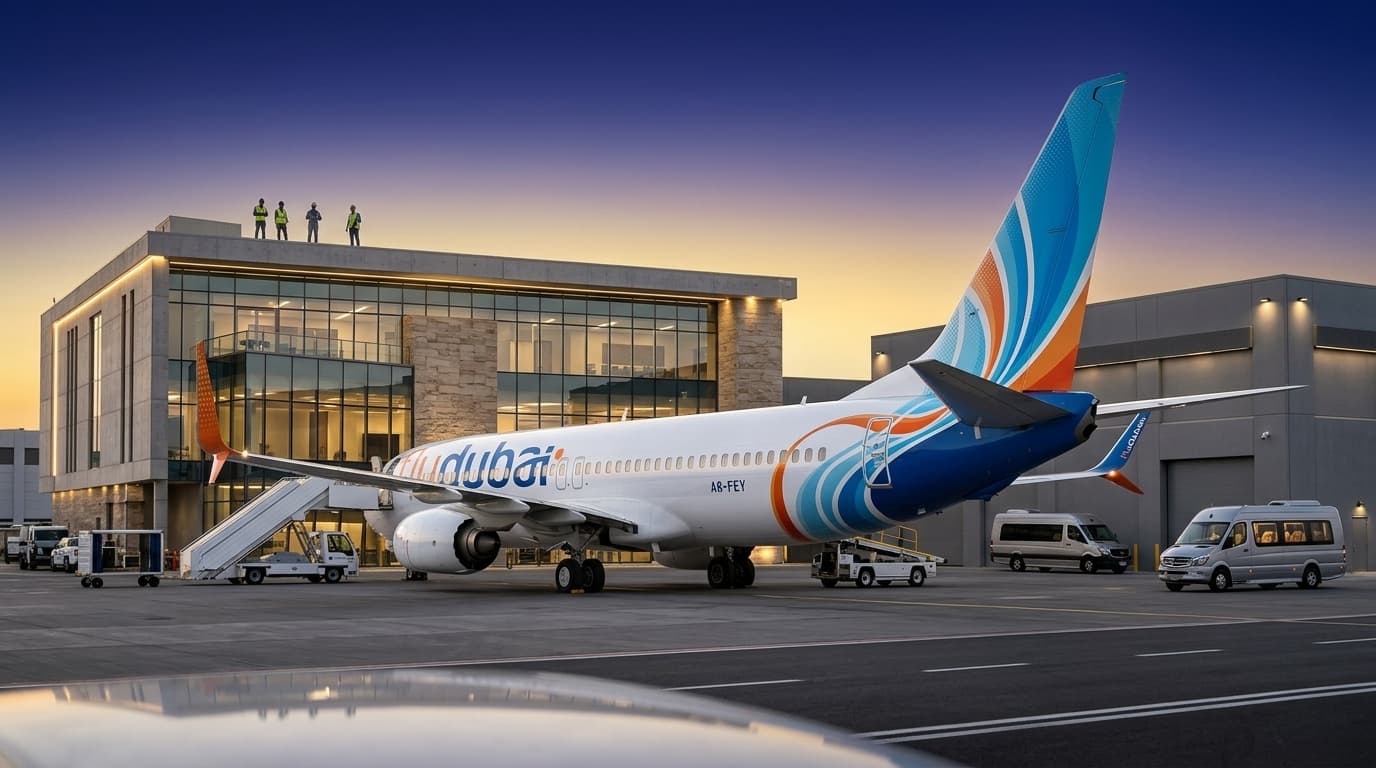
flydubai’s regional reach supports the UAE flights expansion by adding short and medium-haul connections into the 420-destination total. As a named carrier in the network update, flydubai helps fill gaps in point-to-point services that larger long-haul carriers may not serve.
By contributing to the 420-destination network and focusing on nearby markets, flydubai strengthens lanes that matter to manufacturing, agriculture and pharmaceuticals trade between Africa, China, India and the Gulf. These routes let cargo and business travellers avoid lengthy transfers, which can reduce handling costs and delivery times for time-sensitive goods.
The practical risk is that point-to-point expansion must be matched by cargo infrastructure at secondary airports. Without improved handling facilities and customs processes, the benefits of flydubai’s additional routes in the 420-destination network will be limited for shippers relying on temperature-controlled or urgent shipments.
Air Arabia: why the low-cost carrier matters for UAE flights and regional trade
Air Arabia: why the low-cost carrier matters for UAE flights and regional trade — Key Data
Network
420 destinations
Targeted lanes
manufacturing, agriculture, pharmaceuticals, infrastructure
Airline
Air Arabia
Role
Low-cost regional connector
Air Arabia’s low-cost model complements the UAE flights expansion by providing affordable regional connections that feed into the 420-destination network. The carrier is one of the four cited in the announcement, and its routes help open secondary markets across the Gulf, Africa and South Asia.
Air Arabia’s role in the 420-destination network supports targeted lanes for manufacturing, agriculture, pharmaceuticals and infrastructure between Africa, China, India and the Gulf by improving frequency and price options. Lower fares and more frequent services can stimulate smaller-volume trade and spur business travel that underpins cross-border supply chains.
A limitation is that low-cost services typically carry less belly cargo capacity than widebody flights, which means Air Arabia’s expansion may favour smaller or higher-turnover consignments rather than bulk shipments. For larger exporters in manufacturing or pharmaceuticals, integration with widebody services from the other named carriers will remain essential despite the broader 420-destination reach.
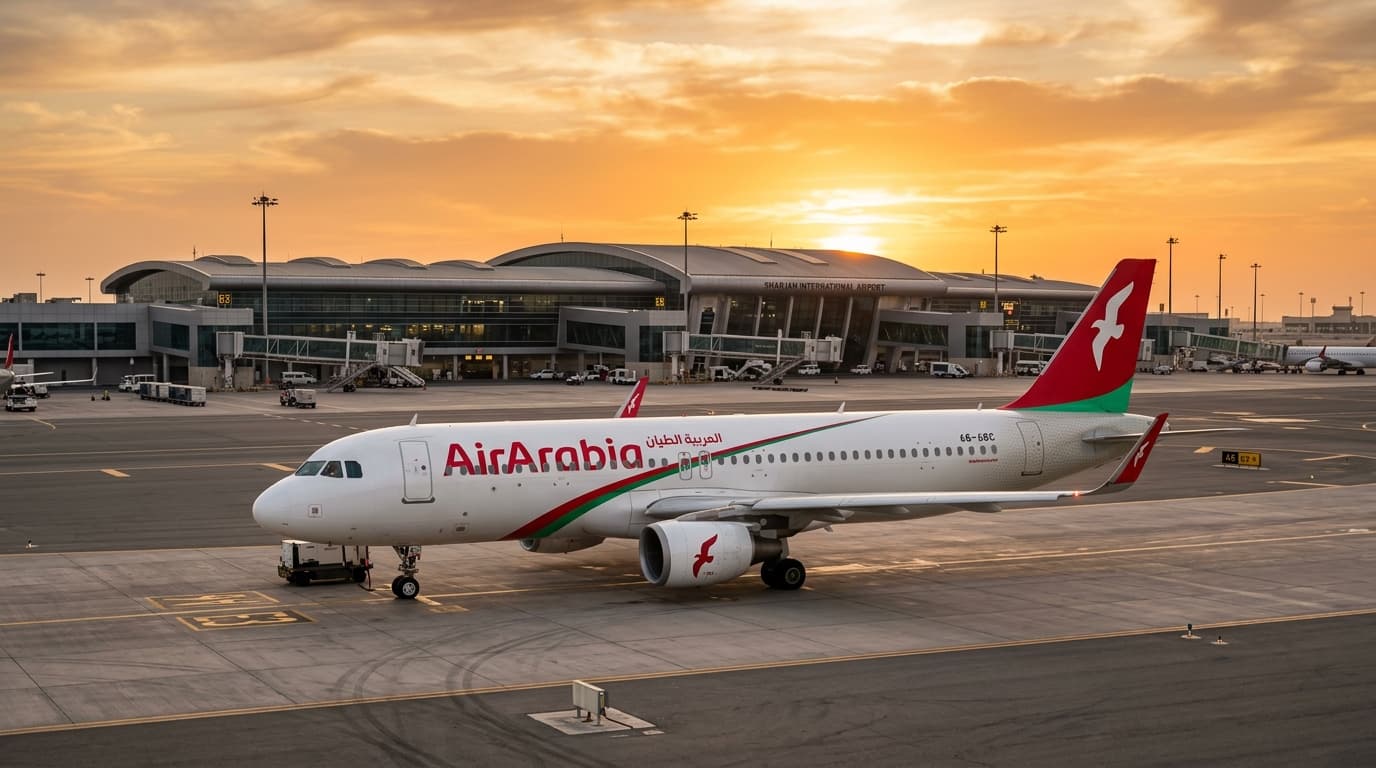
The UAE airlines expansion brings Emirates, Etihad, flydubai and Air Arabia together into a collective network of 420 destinations focused on lanes for manufacturing, agriculture and pharmaceuticals. That wider footprint increases route options for passengers and cargo, but the practical gains depend on ground infrastructure, regulatory alignment and handling capacity across the targeted corridors.
Binayah Editorial
Property Market Analyst
Our editorial team researches Dubai's real estate market, tracking DLD data, developer launches, and investment trends to keep buyers and investors informed.
Ready to Invest in Dubai?
Speak with our analysts about the best opportunities in today's market — free consultation.