Primark Abu Dhabi opening timeline and retail impact
Primark Abu Dhabi expansion is expected within the next 12 months, creating new demand for large retail spaces and shifting shopper patterns across the capital.
Primark’s regional parent company Alshaya confirmed the retailer is already in talks to bring Primark to Abu Dhabi after rapid success in Dubai. The brand opened a third Dubai store at Mall of the Emirates on Thursday, May 21, joining existing outlets at Dubai Mall and City Centre Mirdif. Since the Dubai launch, Primark’s UAE stores have welcomed over 1,000,000 customers and sold 4,000,000 items, a clear signal of scale.
For landlords, planners and investors the immediate questions are where Primark can fit in the capital, how it will change tenant mix and what infrastructure and leasing strategies will be needed to capture the new footfall and sales Primark delivers.
Why does Primark Abu Dhabi matter for retail landlords?
Why does Primark Abu Dhabi matter for retail landlords? — Key Data
UAE rollout timeline
within 12 months
Dubai stores
3
Customers
1,000,000+
Items sold
4,000,000
Primark Abu Dhabi matters for retail landlords because the brand generates very high footfall — Primark’s Dubai stores have already welcomed over 1,000,000 customers and sold 4,000,000 items. These figures show the retailer can materially increase visits and basket activity for a mall that secures a space.
Landlords should expect a tenant that needs large, contiguous floorplates and that can operate at high volumes. John Hadden, chief executive of Alshaya Group, has said Primark needs a big space and is actively looking at locations in Abu Dhabi. The brand’s rollout to a third Dubai store on 21 May followed a March Dubai launch and prompted faster regional expansion plans, underlining how quickly Primark can alter centre performance and shopper flows.
The strategic nuance is that securing Primark can lift overall centre traffic but may also require trade-offs: it can displace smaller fashion tenants, increase loading and parking needs, and push landlords to negotiate bespoke lease terms for anchor-format tenants. Landlords should weigh the 1,000,000+ customer potential against operational costs and longer fit-out timelines for large units.
What features must Abu Dhabi locations offer for Primark?
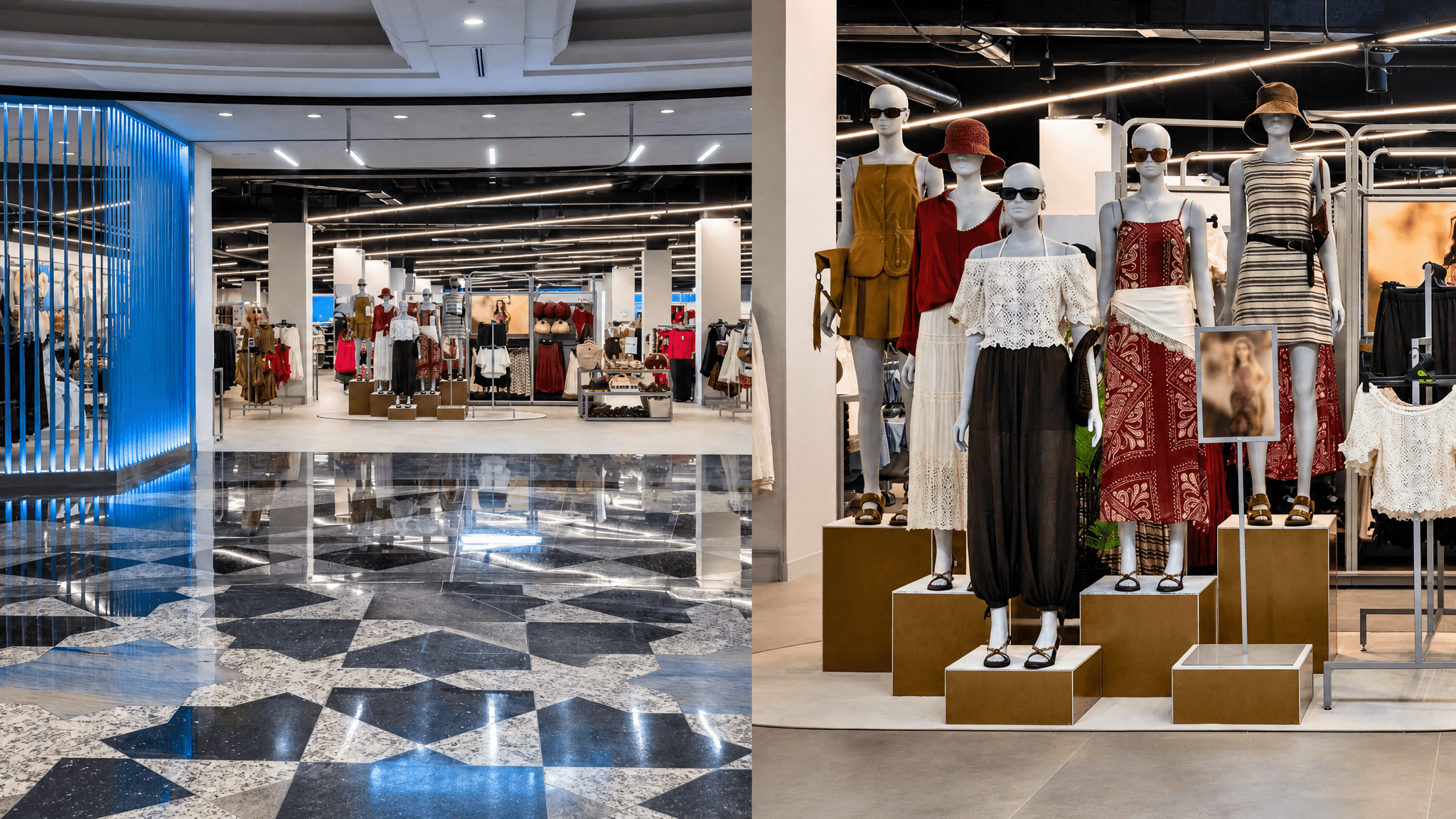
Primark in Abu Dhabi will need a very large, contiguous retail floorplate and suitable logistics; Alshaya has said large space is difficult to find and the opening is expected within the next 12 months. Mall of the Emirates opened Primark on 21 May, showing the brand favours major regional malls that can support high volumes.
Successful Primark locations in Dubai so far include Dubai Mall, City Centre Mirdif and Mall of the Emirates, and landlords must be able to provide strong access, high-capacity service yards and clear wayfinding for fast-moving customers. The retailer’s Dubai performance — over 1,000,000 customers and 4,000,000 items sold across the three stores — underlines the need for a site that can manage heavy daily footfall and large inventory turnover while keeping operational costs under control.
Planners and landlords should also consider tenant mix adjustments around a Primark unit: expect more value fashion, accessories and homeware offers nearby, plus demand for improved public transport links and parking. The risk is that only a few Abu Dhabi sites will match Primark’s space needs, which will make strong locations more competitive and could require longer lease negotiations or redevelopment to accommodate a single large tenant.
| Store | Status | Opening date |
|---|---|---|
| Dubai Mall | Open | Not specified |
| City Centre Mirdif | Open | Not specified |
| Mall of the Emirates | Open | 21 May (opened) |
"We’re looking at locations at the moment, because it needs a big space and big space is difficult to find."
— John Hadden, Chief Executive, Alshaya Group
Key Insight
Landlords with large, contiguous units should audit service access, loading bays and parking now; securing a Primark-sized anchor may require lease flexibility, longer fit-out windows and coordinated mall-wide traffic management.
How will Primark change tenant mix and shopper behaviour in Abu Dhabi?
Primark will shift tenant mix toward high-turnover value fashion and related categories, because its Dubai stores drew over 1,000,000 customers and sold 4,000,000 items across three UAE locations. That scale creates downstream demand for food and beverage, fast fashion adjacent brands and quick-serve services.
Retail centres that add a Primark can expect a notable increase in daily visits and longer mall dwell time in adjacent zones, while some mid-market fashion tenants may relocate to secondary corridors. The brand’s mix of clothing, homeware and beauty typically complements value dining and entertainment, but it can also crowd out boutique retailers that cannot match footfall-driven sales volumes.
Operationally, landlords must plan for higher peak-day traffic, more intensive stock deliveries and faster turnover in waste and recycling streams. The effect on shopper behaviour is proven by the Dubai rollout numbers; centres that harness that footfall with complementary leasing and circulation plans will capture more of the 1,000,000+ visitors Primark draws.
What are the implications for Abu Dhabi retail investors and city planners?
Primark’s entry into Abu Dhabi implies higher demand for anchor-format retail space and a need for transport and parking upgrades, with the opening expected within the next 12 months. Investors should model increased footfall using the Dubai figures — 1,000,000+ customers and 4,000,000 items sold across three stores — to estimate uplift in small-capture sales and centre-wide performance.
Investors may see improved occupancy and trade for malls that secure Primark, but they must also factor in higher build-out costs, bespoke lease structures and potential tenant reshuffling. City planners should assess access routes, deliveries and public transit capacity near candidate sites because Primark’s volume-driven model concentrates trips during key trading hours and weekends.
The risk-reward balance depends on location suitability: well-located centres with large contiguous units are most likely to capture the upside, while planners and investors should expect competition for a limited supply of suitable sites and longer negotiation cycles to deliver Primark-ready space.
Primark’s planned entry into Abu Dhabi within the next 12 months is significant because it needs large contiguous space and brings demonstrable scale: three Dubai stores have already attracted over 1,000,000 customers and sold 4,000,000 items. For landlords, investors and planners the main takeaway is clear — suitable sites are limited and demand for anchor-format retail will rise.
Binayah Editorial
Property Market Analyst
Our editorial team researches Dubai's real estate market, tracking DLD data, developer launches, and investment trends to keep buyers and investors informed.
Ready to Invest in Dubai?
Speak with our analysts about the best opportunities in today's market — free consultation.