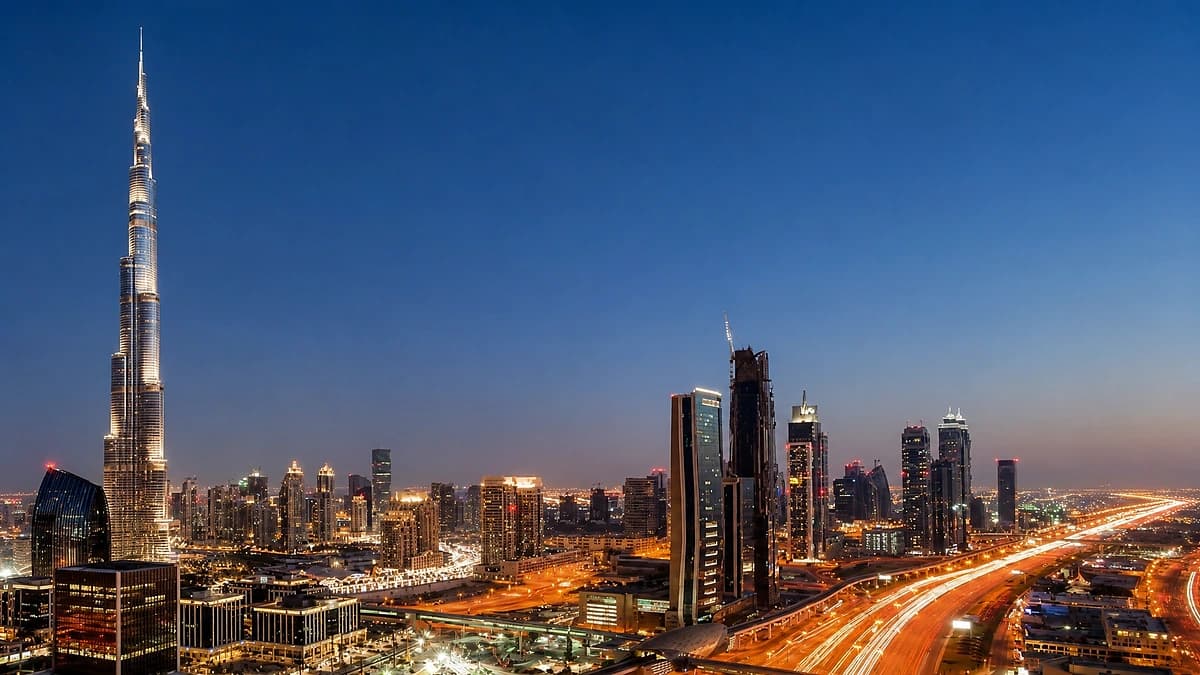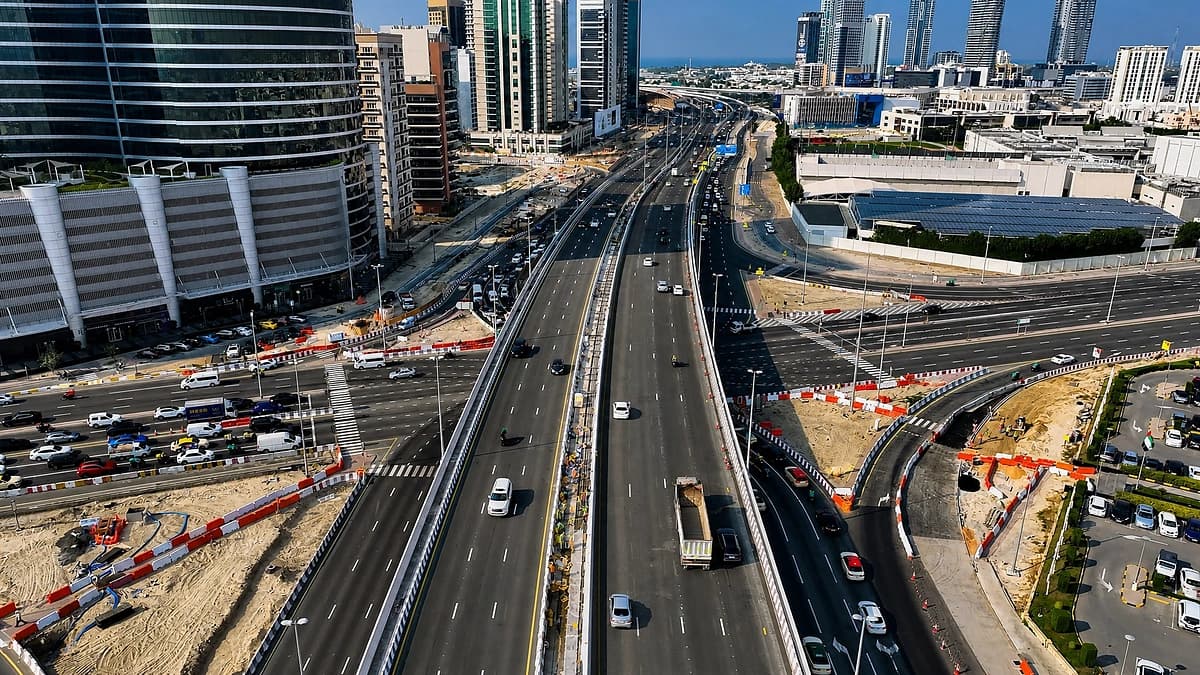
Hessa Street upgrade by RTA increases capacity to 16,000
Hessa Street upgrade by the RTA increased capacity to 16,000 vehicles an hour and cut travel time to four minutes.<br><br>The Roads and Transport Authority carried out improvements along a 4.5 km stretch of Hessa Street, according to the RTA statement quoted in Arabian Business. The project lifted directional capacity from about 8,000 vehicles an hour to 16,000 and is presented as an operational upgrade to reduce peak congestion and journey times for motorists.<br><br>That reduction to roughly four minutes along the upgraded corridor is the most concrete change for commuters and for businesses that rely on predictable travel times.
What did the RTA Hessa Street project involve?
What did the RTA Hessa Street project involve? — Key Data
Length
4.5 km
Capacity (before)
8,000 vehicles/hour
Capacity (after)
16,000 vehicles/hour
Travel time
4 minutes
The RTA upgraded a 4.5 km section of Hessa Street, doubling capacity from about 8,000 to 16,000 vehicles an hour and cutting travel time to around four minutes.<br><br>According to the RTA statement, the scheme expanded carriageway capacity and traffic flow along the corridor to reach 16,000 vehicles per hour in both directions compared with the previous figure of roughly 8,000. The upgrade covers 4.5 km and is described as an operational and capacity improvement rather than a new arterial route. The source for these figures is the RTA announcement quoted in Arabian Business and the statement by Al Tayer.<br><br>Operationally, the clear benefit is faster, more reliable journeys for drivers using Hessa Street, which reduces time lost in peak traffic. The risk is that higher capacity can encourage additional car travel over time, offsetting some gains if growth in vehicle numbers matches the increased capacity, so monitoring by the RTA will be important to lock in the benefits.
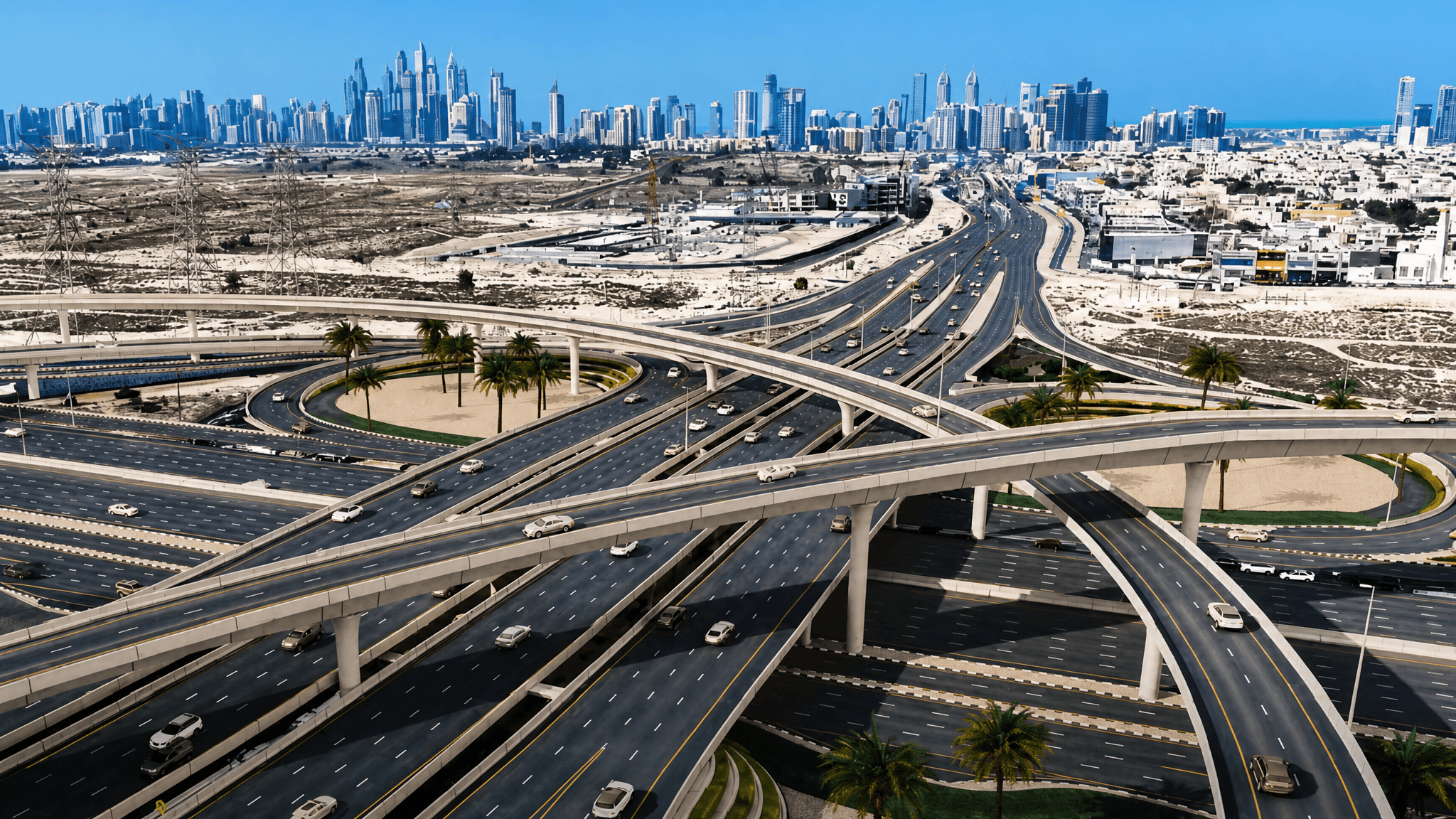
- Upgrade length: 4.5 km of Hessa Street
- Capacity doubled from 8,000 to 16,000 vehicles/hour
- Reported typical corridor travel time reduced to four minutes
- RTA provided the figures via its Director General
Why do shorter trips on Hessa Street matter for Dubai property markets?
Shorter trips on Hessa Street matter because improved accessibility makes nearby homes and offices easier to reach, increasing their practical catchment for buyers and tenants.<br><br>Reduced travel time to about four minutes across the upgraded 4.5 km corridor and a capacity increase to 16,000 vehicles per hour lower the effective commuting cost for households and firms. For residents in Al Barsha, Motor City and neighbouring communities, that means more consistent journey times for work and services. While the RTA data do not include price changes, urban economics shows that perceived accessibility gains often support stronger rental demand and higher occupancy, especially where commute reliability improves. Real effects on AED asking prices or yields will depend on local supply and whether employers or retailers relocate to take advantage of the corridor.<br><br>Investors should treat the upgrade as an accessibility improvement rather than a guaranteed price driver. The immediate effect is reliability for occupiers, which can support rental premiums; the medium term impact on capital values will hinge on wider supply trends, zoning changes and whether improved roads catalyse further development near Hessa Street.
| Metric | Before | After |
|---|---|---|
| Upgraded length | Not stated in RTA release | 4.5 km |
| Peak directional capacity | 8,000 vehicles/hour | 16,000 vehicles/hour |
| Typical corridor travel time | Not stated in RTA release | Around four minutes |
"The scheme lifted capacity from 8,000 vehicles an hour in both directions to 16,000."
— Al Tayer, Director General and Chairman of the Board of Executive Directors at RTA
- Improved commute reliability for Al Barsha and adjacent communities
- Shorter trips boost tenant willingness to pay for convenience
- Longer term capital gains depend on supply and development response
What are the short-term effects on traffic and construction?
What are the short-term effects on traffic and construction? — Key Data
Capacity increase
100%
8,000 to 16,000Reported travel time
4 minutes
Upgrade length
4.5 km
Source
RTA announcement via Arabian Business
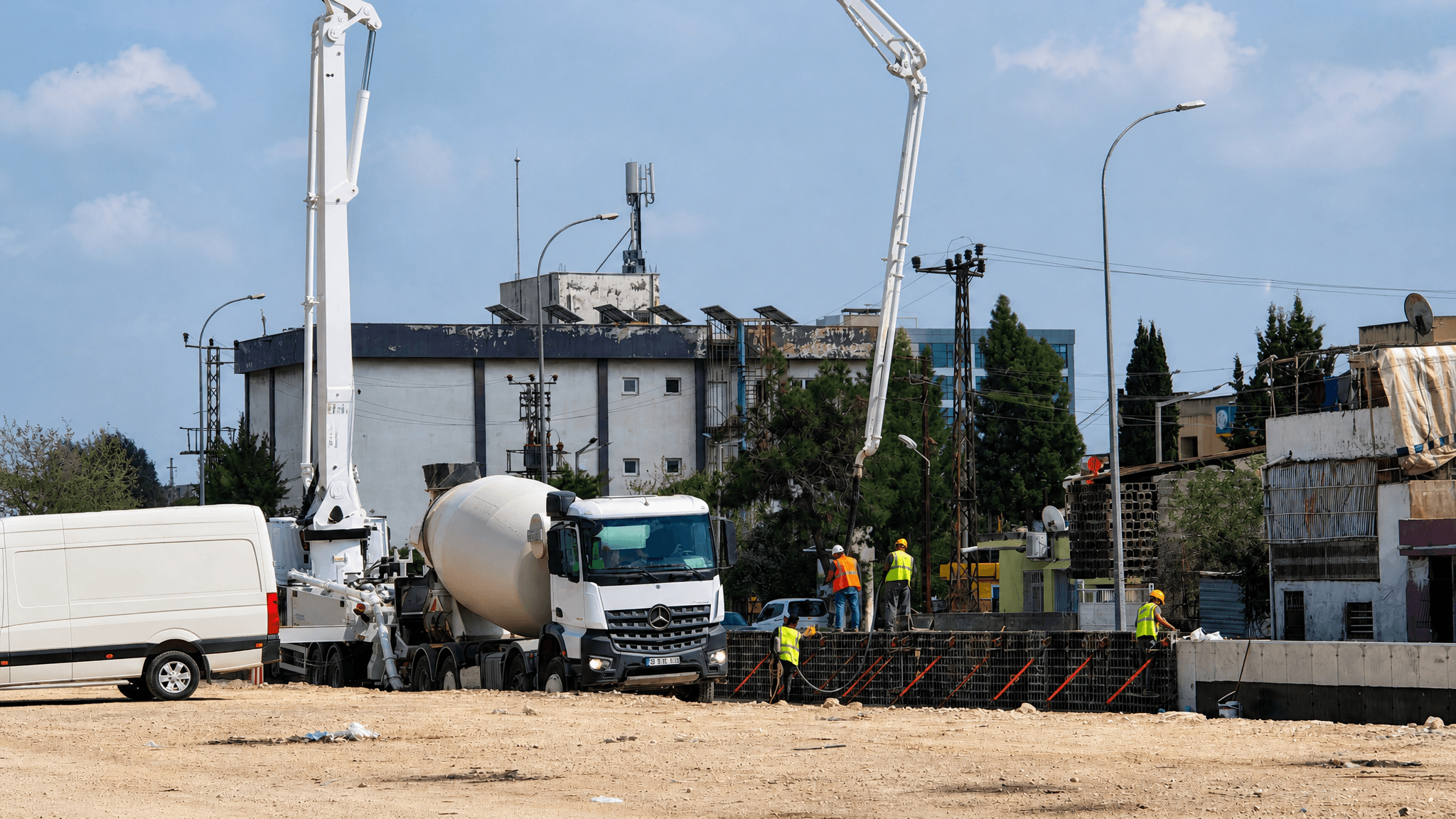
The short-term effect reported by the RTA is improved traffic flow, with capacity rising to 16,000 vehicles per hour and reported journey time along the corridor cut to about four minutes.<br><br>The RTA figures indicate an immediate operational improvement once works were completed: capacity doubled from approximately 8,000 vehicles per hour to 16,000 and the corridor’s travel time was reduced to roughly four minutes. The announcement focuses on post-upgrade performance rather than construction scheduling or lane-by-lane closures, so specific temporary disruption details are not in the source. For commuters this means quicker, more predictable trips after completion, while contractors and traffic managers typically manage rolling works to limit peak impact.<br><br>Near-term risks are chiefly related to traffic pattern changes as motorists adapt to the upgraded route. If the additional capacity attracts more drivers, some peak-time benefits can erode. Monitoring traffic counts and signal timing is how authorities usually preserve gains, so continued RTA oversight will determine whether the short-term improvements become lasting.
Key Insight
Short-term construction may be disruptive during works, but post-completion capacity gains reported by RTA cut typical corridor travel time to four minutes — monitor traffic counts to see if benefits are sustained.
What are the longer run implications for buyers and investors near Hessa Street?
What are the longer run implications for buyers and investors near Hessa Street? — Key Data
Capacity after upgrade
16,000 vehicles/hour
Reported travel time after works
4 minutes
Longer run, the RTA’s Hessa Street upgrade improves accessibility which can support rental demand and make nearby properties more attractive to commuters and businesses.<br><br>With capacity at 16,000 vehicles per hour and travel time reduced to around four minutes across the upgraded 4.5 km corridor, areas bordering Hessa Street are effectively closer to major employment and retail nodes than before. That improved access can increase footfall for retail, lower operating costs for businesses that rely on deliveries, and raise property appeal for tenants prioritising commute time. However, the RTA figures do not include AED price or yield changes, so any capital appreciation will interact with supply, design quality and longer term planning decisions.<br><br>Investors should weigh the accessibility gain against potential induced demand that could raise congestion over time. The upgrade is a positive infrastructure signal from the RTA, but long-term property performance will still depend on neighbourhood supply dynamics and whether local planning channels new development to capture the improved connectivity.
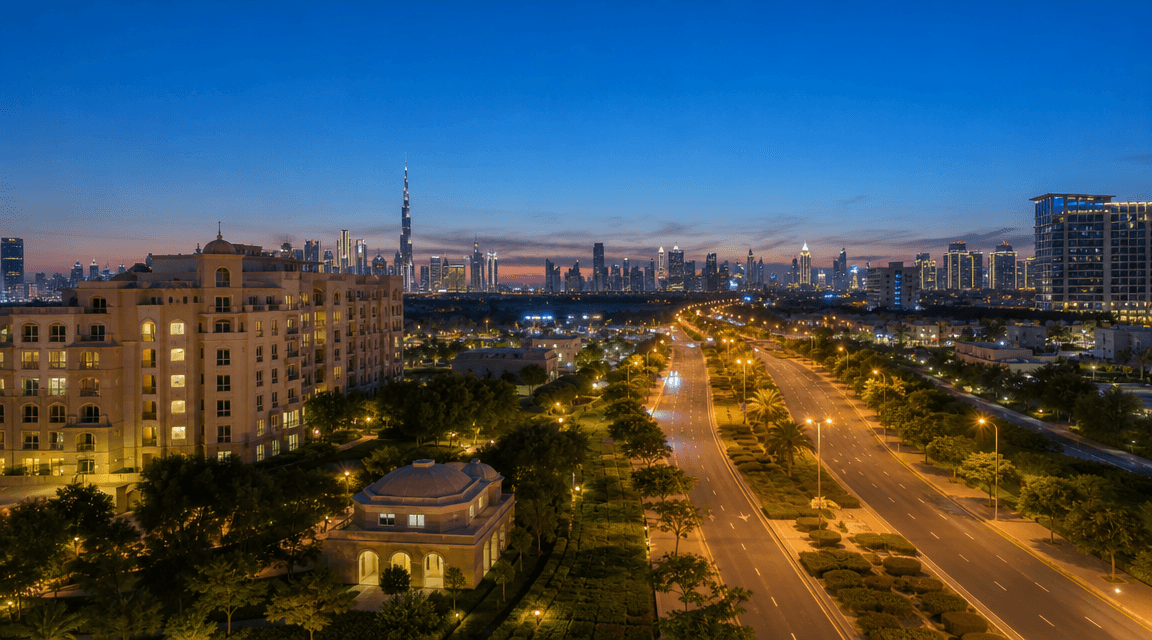
- Accessibility gains improve tenant and retail catchment
- Long-term price effects depend on supply and planning
- Monitor traffic growth to assess sustainability of benefits
The RTA’s Hessa Street upgrade covers 4.5 km, doubles reported directional capacity from about 8,000 to 16,000 vehicles per hour and reduces corridor travel time to roughly four minutes. Those three figures are the concrete outputs from the RTA announcement and form the basis for short-term traffic relief and longer term accessibility effects that buyers and investors should monitor.
Binayah Editorial
Property Market Analyst
Our editorial team researches Dubai's real estate market, tracking DLD data, developer launches, and investment trends to keep buyers and investors informed.
Ready to Invest in Dubai?
Speak with our analysts about the best opportunities in today's market — free consultation.