Dubai property market: Anwar Gargash on resilience and outlook
Anwar Gargash says the Dubai property market will withstand regional shocks and deliver steady investor opportunities amid shifting global conditions.
Anwar Gargash's public statements over recent weeks anchor the narrative for this report and help explain why many market participants are recalibrating risk rather than retreating. His emphasis on resilience matters because it comes from a senior UAE policy voice and therefore influences liquidity, counterparty behaviour and cross-border capital allocation into Dubai's residential and commercial segments. The message reduces headline uncertainty for buyers and lenders even when geopolitical pressures are visible.
This market report translates Gargash's resilience message into practical implications for pricing, yield expectations and portfolio stress tests in Dubai. We focus on how investor sentiment, community-level price dynamics and regulatory liquidity measures will interact over the near term. The analysis highlights potential downside scenarios and the tactical steps buyers and asset managers should consider to preserve capital and maintain optionality.
How does Anwar Gargash's resilience message affect the Dubai property market?
How does Anwar Gargash's resilience message affect the Dubai property market? — Key Data
Message
Reinforces market confidence
Signal source
Federal-level assurance from Anwar Gargash
Affected sectors
Residential sentiment and developer negotiation
Investor action
Stress-test liquidity and rent assumptions
Anwar Gargash's public assurance directly bolsters market confidence and signals that federal and Emirate-level institutions prioritise stability in Dubai's property market. His remarks act as a coordinating signal to developers, lenders and sovereign-linked investors that downside shocks should be managed actively rather than allowed to cascade into forced sales.
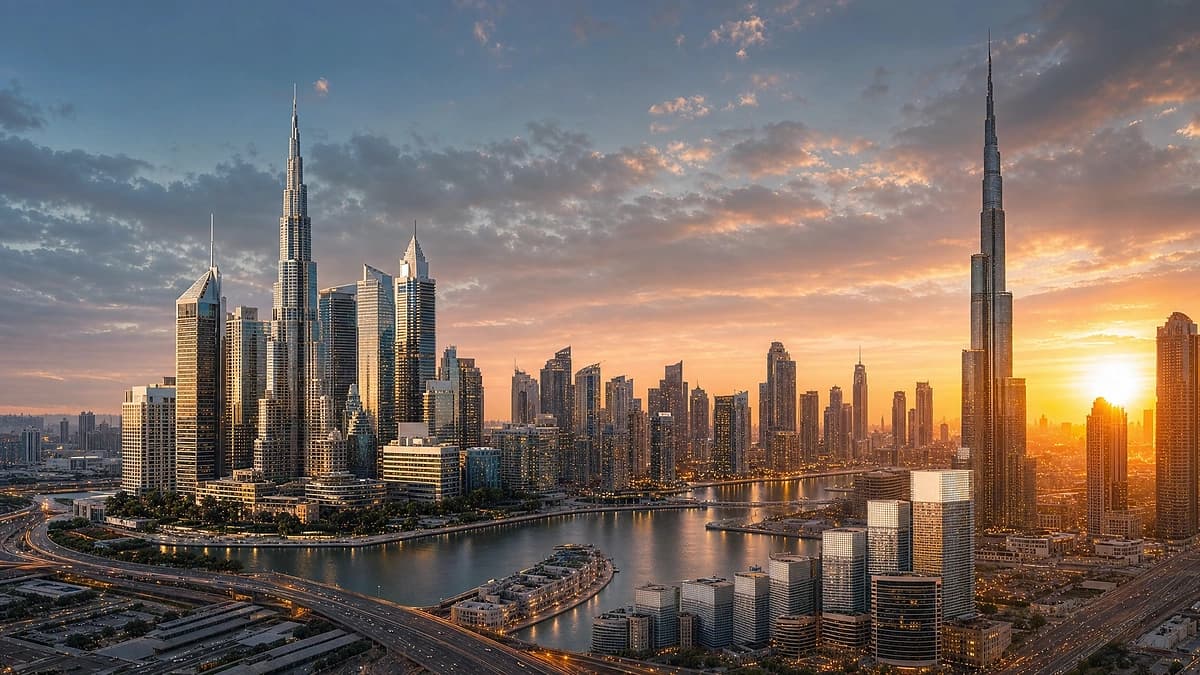
The practical impact is most visible in buyer sentiment, short-term transaction inertia and selective repricing in micro-markets. Developers and off-plan sellers often use policy cues when setting payment plans and incentives; Gargash's message reduces the likelihood of abrupt price corrections driven purely by fear. That stabilising effect supports orderly negotiation on payment terms and valuation adjustments in established communities such as Downtown Dubai and Dubai Marina where buyer pools rely on cross-border confidence.
Risk remains that geopolitical spillovers will affect tourism-dependent rental segments and the office leasing market, creating uneven performance across asset types. Investors should treat Gargash's comments as a positive macro signal while stress-testing portfolios for liquidity shocks and tenant churn, particularly in hospitality-linked holdings and short-term rental exposures. Active monitoring of cashflow buffers and covenant headroom remains prudent despite improved sentiment.
What are current price and yield dynamics across prime communities in Dubai?
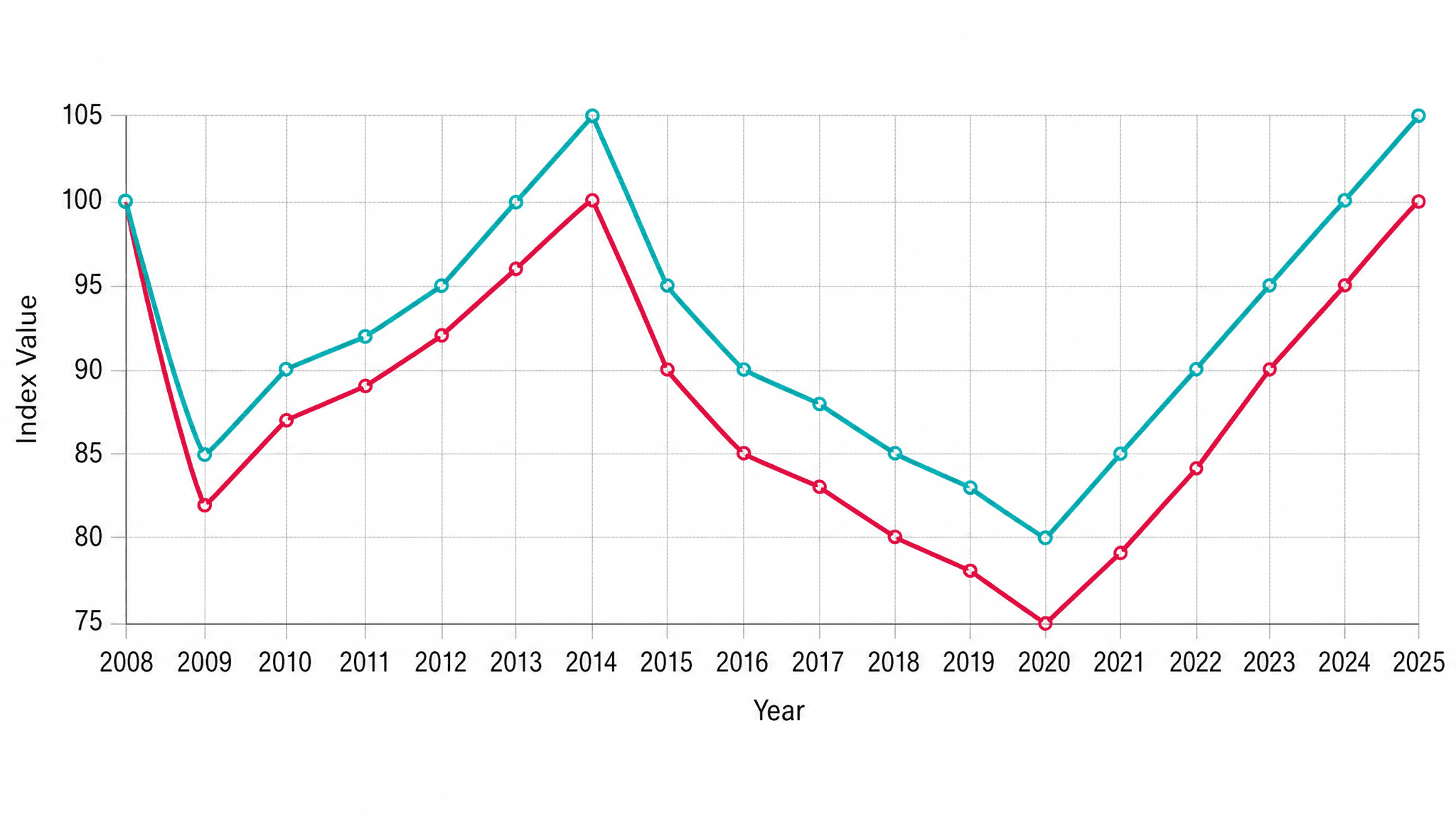
Price and yield dynamics vary by community, with prime central locations showing relative resilience while peripheral micro-markets see wider negotiation on asking prices. Core communities that attract international capital exhibit firmer demand, supporting rental yields and limiting immediate downward pressure on capital values.
In centrally positioned areas, owners negotiating renewals and sales are benefiting from cross-border demand that treats Dubai as a safe regional hub. Peripheral and secondary communities face longer listing times and more active price discovery, which developers and resale sellers often address with payment flexibility and tailored incentives. Rental yields are being preserved in neighbourhoods with stable tenant flows, whereas asset classes tied to tourism or short-term stays show more volatility in effective yields and occupancy assumptions.
Buyers should chart yields against location-specific demand drivers and not rely on broad-brush market averages. Community-level due diligence that includes amenity access, employer catchment and tenant mix will be decisive for yield sustainability. For properties in prime locations, the emphasis is preserving occupancy and avoiding forced discounts; for fringe assets, the emphasis is realistic pricing and enhanced marketing to maintain cashflow.
| Community | Demand profile | Pricing dynamic |
|---|---|---|
| Downtown Dubai | International, corporate and owner-occupier demand | Relative pricing stability, focus on long-term tenants |
| Dubai Marina | Expatriate rental demand and lifestyle buyers | Sustained rental demand, selective sales negotiation |
| Peripheral townships | Local demand, price-sensitive buyers | Longer listing periods, incentive-driven sales |
"Community-level fundamentals determine yield resilience more than headline market noise."
— Binayah Research Team
What investor strategies should buyers use now in Dubai?
What investor strategies should buyers use now in Dubai? — Key Data
Strategy
Stress-test purchase terms
Priority
Preserve liquidity and flexible exits
Financing
Prefer predictable interest structures
Focus
Tenant quality for yield stability
Practical investor strategies now focus on stress-tested purchase terms, diversified exposure across product types and preserving liquidity buffers while monitoring policy signals such as those from Anwar Gargash. Buyers should prioritise deals with flexible settlement terms and clear exit options to navigate potential short-term softening in specific micro-markets.
Tactical steps include negotiating staged payment plans with developers or sellers, securing fixed-rate financing where available and matching holding-period assumptions to product liquidity. For income-oriented investors the priority is tenant quality and lease length rather than headline capital appreciation, whereas opportunistic buyers may target selective discounts in secondary locations with clear repositioning plans. Risk management should feature scenario testing for vacancy, rent reversion and refinancing stresses so that portfolios remain resilient if demand cycles shift.
Investors must also account for currency, cross-border capital rules and operational costs that affect net yields. Aligning investment horizon with asset type is essential: short-term rental plays require active asset management and marketing, while core residential holdings benefit from conservative leverage and emphasis on tenant retention. Use Gargash's message as a confidence input but not as a substitute for granular underwriting.
Key Insight
Prioritise liquidity and exit flexibility: negotiate staged payments, keep a reserve for three to six months of operating costs and avoid overleveraging short-term rental plays. This preserves optionality if market reopening timelines shift.
How are liquidity, financing and regulation shaping buying decisions in Dubai?
How are liquidity, financing and regulation shaping buying decisions in Dubai? — Key Data
Liquidity driver
Lender appetite and policy clarity
Regulatory signal
Stabilising statements from Anwar Gargash
Buyer implication
Underwrite financing-risk scenarios
Tactical step
Document refinancing fallback plans
Liquidity, financing availability and regulatory signals collectively shape transaction timing and price negotiation in Dubai, with policy communications such as those by Anwar Gargash providing a stabilising backdrop for lenders and foreign investors. Clear regulatory posture reduces tail-risk and supports orderly access to credit and capital flows.
Financing terms, lender appetite and regulatory clarifications determine whether buyers can close deals at scale or must wait for more predictable conditions. Where credit is available on transparent terms and with predictable collateral frameworks, transaction volumes and buyer confidence recover faster. Conversely, tighter lender covenants or ambiguous regulatory guidance can slow markets and create pockets of forced availability in resale channels. Market participants should monitor announcements from relevant authorities as they materially affect margining, cross-border capital movement and compliance costs.
Regulatory consistency and timely communication from policy voices can reduce headline-driven volatility, but market participants must still underwrite for financing risk and potential covenant adjustments. Buyers should document fallback plans for refinancing and model scenarios where lender terms tighten temporarily. Use regulatory clarity as a positive indicator while keeping contingency liquidity to absorb episodic shocks.

- Monitor official communications for capital flow guidance
- Negotiate financing covenants with conservative stress-tests
- Keep contingency cash for covenant or margin calls
Anwar Gargash's emphasis on UAE resilience provides a stabilising policy backdrop for the Dubai property market, supporting measured buyer confidence and lender engagement. Market participants should combine that positive signal with robust stress-testing of financing and tenant assumptions to navigate uneven community-level dynamics.
Binayah Editorial
Property Market Analyst
Our editorial team researches Dubai's real estate market, tracking DLD data, developer launches, and investment trends to keep buyers and investors informed.
Ready to Invest in Dubai?
Speak with our analysts about the best opportunities in today's market — free consultation.