Dubai hotel closures and renovations: what to know
Dubai hotel closures are reshaping the luxury market, with Anantara World Islands closed permanently and several headline properties undergoing renovations now.
Local reporting highlights four headline properties affected, beginning with the permanent closure of Anantara World Islands and temporary closures or major transformations at Park Hyatt, Armani and Burj Al Arab. These moves reduce available luxury hotel inventory in key leisure locations and create short-term ripples for bookings, events and concierge-driven tourism services.
For owners and landlords the practical effect is visible: nearby hotels may absorb displaced demand, serviced apartment operators may see higher enquiry volumes, and short-stay rental managers can reposition pricing or minimum-stay rules. The details below explain which hotels are affected, how occupancy and rates typically shift during such cycles, what renovations mean for real estate investors, and practical steps owners should take while projects are underway.
Which hotels are closing in Dubai and why does it matter?
Which hotels are closing in Dubai and why does it matter? — Key Data
Headline hotels
4
Permanent closure
1
Temporary renovations
3
Source
What's On
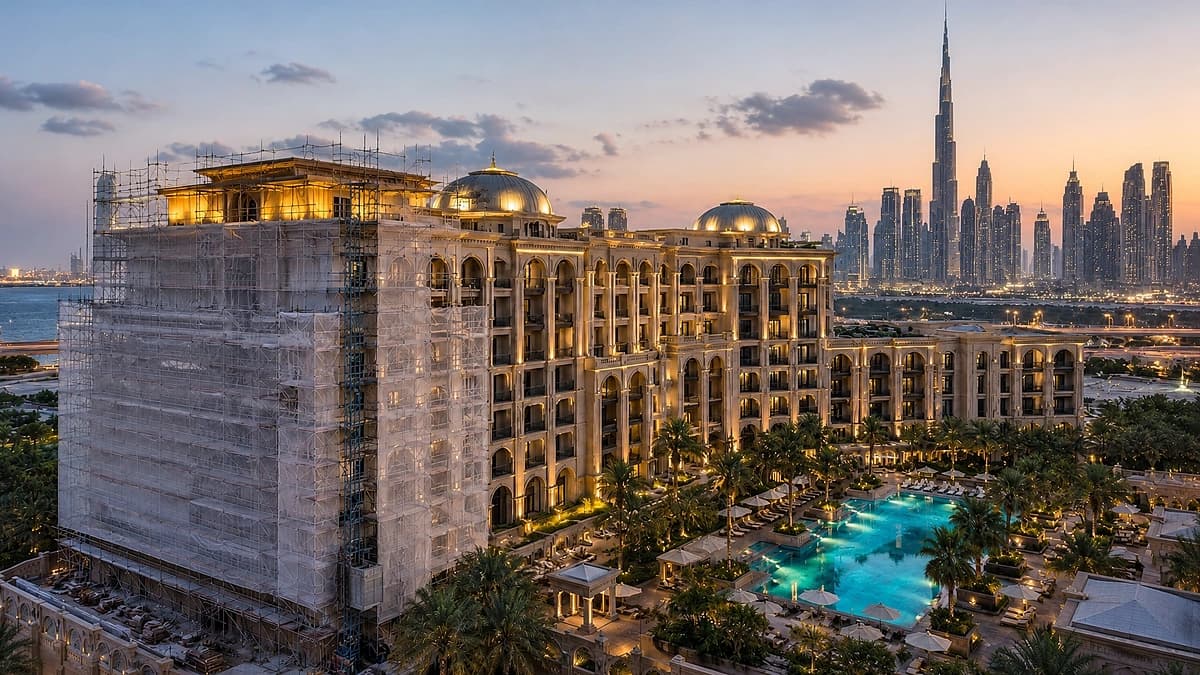
Four headline properties are at the centre of current coverage, and that matters because each change alters luxury capacity and guest choice across Dubai’s tourism hotspots. Anantara World Islands is reported as permanently closed, while Park Hyatt, Armani and Burj Al Arab are undergoing major transformations that have led to temporary closures or phased shutdowns for renovation.<br><br>These four named properties create immediate supply shifts: one permanent removal of inventory and three temporary reductions in available luxury rooms. The removal or temporary unavailability of branded rooms affects event planners, high-end leisure bookings and premium long-stay packages that rely on iconic addresses. Local coverage framed these shifts as significant for headline leisure seasons and for reputation-led demand around beachfront and landmark hotels.<br><br>The key risk is concentrated impact on niche demand segments. A permanent closure like Anantara World Islands removes a unique product that cannot be replicated quickly, which can lift demand for similar islands or franchise-branded resorts elsewhere. Temporary renovations at Park Hyatt, Armani and Burj Al Arab can compress availability for several months, pushing corporate groups and luxury leisure guests to second-choice hotels and influencing group contract negotiations and seasonal pricing strategies.
How will hotel closures affect occupancy and rates in Dubai short term?
Short-term effects are higher occupancy pressure in similar product segments and selective rate increases at nearby hotels, because fewer headline rooms are available while demand remains strong. When a landmark property temporarily closes for renovation, neighbouring five-star hotels and serviced apartments typically capture displaced bookings, which can push average daily rates upward in the same market niche.<br><br>The practical chain of events is straightforward: group bookings and events that had been contracted into a closed property are reallocated, corporate travel managers rebook premium rooms, and travel agents prefer available branded inventory. That reallocation creates pockets of tight availability in beachfront, Downtown and Palm Jumeirah locations depending on the property affected. While exact ADR or occupancy percentage moves are not published in the source piece, market behaviour historically shows short windows of tighter supply concentrated in the same neighbourhoods as the closed hotels.<br><br>Risks to monitor include the timing and scale of each renovation, the substitution effect by nearby hotels and whether alternate inventory (serviced apartments or luxury apartments for rent) is released to the market. Owners who rely on corporate or event-driven demand should expect booking volatility during phased closures and plan for shorter notice periods on cancellations or rebookings.
| Hotel | Location | Status |
|---|---|---|
| Anantara World Islands | World Islands | Permanent closure reported |
| Park Hyatt | Downtown/Jumeirah area | Transformation/temporary closure |
| Armani Hotel | Downtown Dubai | Transformation/temporary closure |
| Burj Al Arab | Jumeirah Beach | Transformation/temporary closure |
"Temporary landmark closures remove niche inventory quickly; nearby luxury properties are the immediate beneficiaries for bookings and set the tone for short-term rate moves."
— Binayah Research Team
What do hotel renovations mean for real estate investors in Dubai?
Hotel renovations typically mean two things for real estate investors: near-term operational disruption and medium-term value uplift, depending on scope and brand repositioning. Renovations at iconic names like Park Hyatt, Armani or Burj Al Arab can compress available branded inventory in the near term, but they also refresh a hotel's market positioning which supports stronger pricing power and corporate contracts once reopening completes.<br><br>For asset owners and investors the immediate impact can include renegotiated management contracts, temporary revenue shortfalls for owners of adjacent serviced apartments and changes in short-stay demand distribution. Over the medium term, renovations at landmark hotels often lead to renewed demand for surrounding residential property, especially for branded residences or serviced apartments positioned to capture overflow guests. This effect can support capital values if renovations successfully elevate a hotel's brand profile and attract higher-yielding business or leisure segments.<br><br>The caution is timing and execution risk. Investors should evaluate the renovation scope, whether work is cosmetic or structural, and the anticipated repositioning of the hotel brand. Poorly timed or over-budget projects can delay re-opening and prolong revenue gaps; conversely, well-managed transformations can deliver a stronger restart, higher ADR potential and a clearer path to recapturing pre-closure demand.
Key Insight
Owners should document a short-term cashflow plan covering the renovation period, review management and franchise clauses for performance protections, and model conservative occupancy recovery timelines to protect income projections and debt service cover ratios.
What practical steps should owners and landlords take during hotel closures and renovations?
Owners and landlords should reassess short-stay positioning, tighten service standards, and proactively communicate with tenants and guests to manage expectations during nearby closures. Practical actions include reviewing yield management rules, adjusting minimum-stay policies, and coordinating with corporate clients to capture rebooked demand from closed hotels.<br><br>Specifically, owners can reprice targeted inventory for high-demand windows, prepare flexible leasing options for corporate travellers displaced by the closures, and ensure digital booking channels are updated to capture last-minute enquiries. It also pays to audit service-charge budgets and contingency reserves because nearby renovations can temporarily increase operational costs, such as higher staffing needs for guest-turndown services or extra cleaning for increased occupancy.<br><br>Finally, landlords should maintain open lines with building management and local tourism stakeholders about the timeline for each renovation. That helps anticipate demand spikes and plan maintenance windows to avoid overlap with peak substitution windows. Transparent communication reduces vacancy risk and positions landlords to capture short-term uplift without overcommitting to long-term inventory changes.
- Review yield rules and minimum-stay policies
- Target corporate and event bookings displaced by closed hotels
- Audit reserves for extra operational costs during demand spikes
- Coordinate with building management on timing and guest communications
Current coverage identifies four headline properties: one permanent closure (Anantara World Islands) and three major transformations (Park Hyatt, Armani, Burj Al Arab). The immediate market effect is reduced headline luxury inventory and localized occupancy pressure; the medium-term outcome depends on execution and reopening timing.
Binayah Editorial
Property Market Analyst
Our editorial team researches Dubai's real estate market, tracking DLD data, developer launches, and investment trends to keep buyers and investors informed.
Ready to Invest in Dubai?
Speak with our analysts about the best opportunities in today's market — free consultation.